Beekeeping Basics
Everything you need to start your first colony — hive components, essential gear, colony biology, inspection technique, and Varroa management.
Last updated:
Starting beekeeping requires a 10-frame Langstroth hive ($150–250), a nucleus colony of 5 frames ($150–200), a protective suit with veil ($80–150), a smoker, and a hive tool. Budget $500–800 for year one; annual costs average $100–200 after setup. Inspect every 7–10 days during the active season and run a monthly Varroa mite count — the single most critical maintenance task for preventing colony loss. Face hives southeast, place a water source within 300 meters, start with 2 hives for a side-by-side comparison, and join your state's beekeeping association for local mentorship.
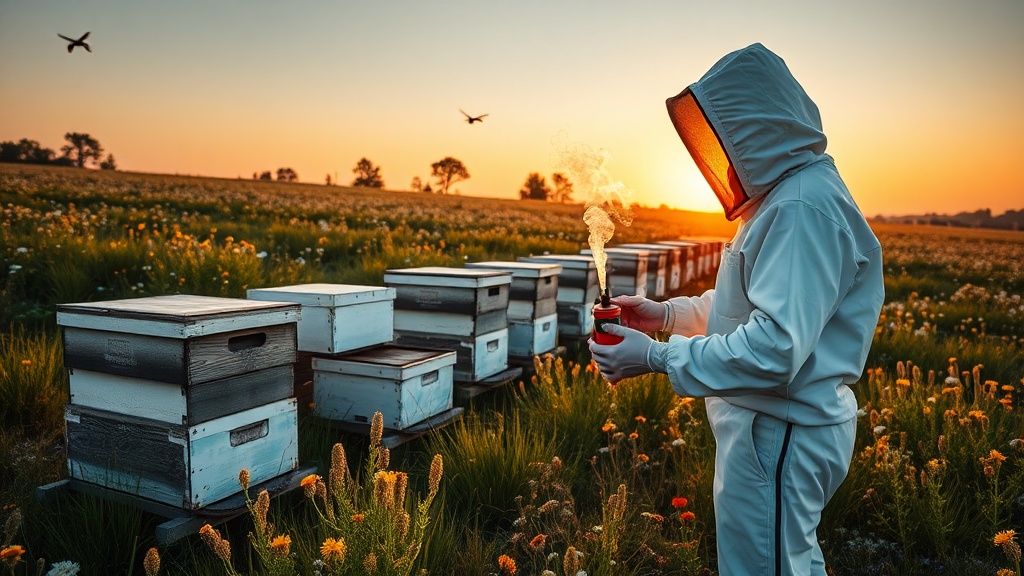
Today is World Bee Day 2026! 🎉
Celebrating the remarkable honey bees that produce distinctive varieties like wildflower honey, clover honey, and buckwheat honey while providing essential pollination for our food system. Learning beekeeping supports both bee conservation and connects you to nature's amazing honey-making process that creates sourwood honey, orange blossom honey, and countless local terroir varieties.
Explore World Bee DayWhat Should You Know Before Starting?
Beekeeping connects you with nature and produces raw honey you can eat, share, and sell. Before getting started, be realistic about three things:
- Time commitment: 30–60 minutes per hive per week during the active season (spring through autumn), plus monthly Varroa monitoring year-round
- Initial investment: $500–800 for hive, colony, and essential tools; annual costs drop to $100–200 after year one
- Ongoing learning: Join your state beekeeping association for mentorship — local conditions (forage, pests, winters) vary significantly from national guidelines
What Are the Parts of a Beehive?
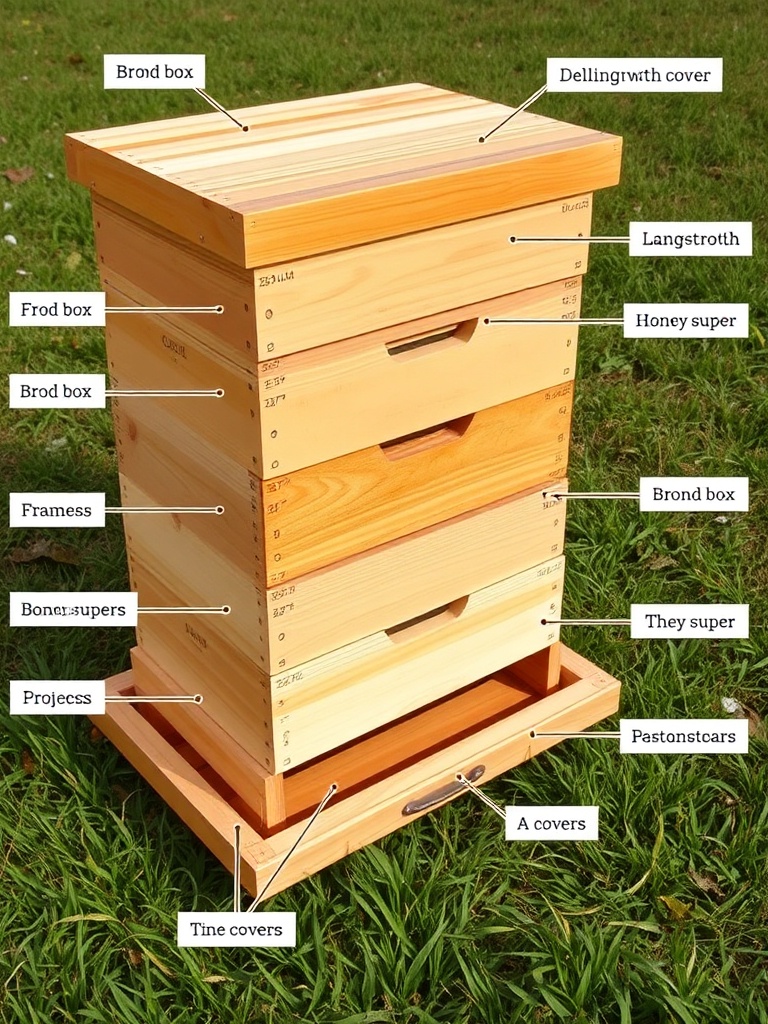
The Langstroth hive, patented in 1852 around Reverend Lorenzo Lorraine Langstroth's discovery of "bee space" — the 6–9 mm gap bees reliably leave uncapped — is the global commercial standard because its removable frames allow inspections without destroying comb. A standard 10-frame deep box holds roughly 12,000 hexagonal cells; two stacked deep boxes form the brood nest where a productive queen lays 1,000–2,000 eggs per day at peak season. A queen excluder (a metal grid with 4.4 mm slots, wide enough for workers but too narrow for queens) sits above the brood boxes, keeping honey supers egg-free and harvest-ready for distinctive varieties like wildflower honey from diverse foraging or specialized sourwood honey from Appalachian terroir. These standardized tolerances matter: gaps just 2 mm wider than bee space prompt bees to fill them with "burr comb" that welds frames solid.
- Bottom board provides the entrance and ventilated floor
- Deep boxes (brood chambers) house the queen and developing bees
- Queen excluder separates brood nest from honey supers
- Shallow supers store excess honey for harvest
- Frames with wax foundation give bees a template to build comb
What Equipment Do You Need for Beekeeping?
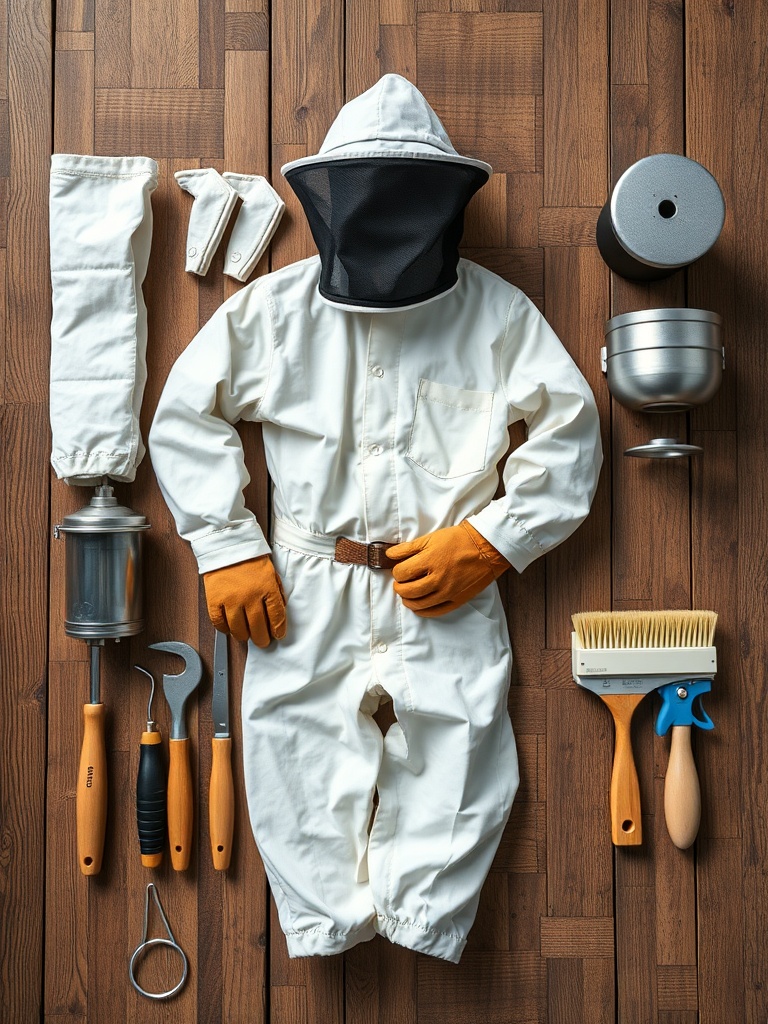
A full bee suit with integrated veil ($80–150 new) is the minimum barrier; leather gloves add sting resistance at the cost of dexterity, while nitrile gloves offer better tactile feedback for finding the queen. Your smoker is more than a comfort tool — cool smoke triggers a honey-gorging fire-escape response in workers and suppresses alarm pheromone (isoamyl acetate), calming the colony for 15–20 minutes — long enough for a full inspection. A J-hook hive tool ($8–12) is the single most-used implement, prying apart frames propolized solid and scraping wax off box rims before stacking. Budget $500–800 for your first hive, a 5-frame nucleus colony ($150–200), and essential tools; annual supply costs after year one average $100–200.
- Bee suit or jacket with veil — full-body suits recommended for beginners
- Leather or nitrile gloves for protection during inspections
- Smoker loaded with pine needles, wood chips, or cotton to calm bees
- J-hook hive tool for prying apart propolized frames
- Bee brush for gently moving bees off frames during harvest
How Does a Bee Colony Work?
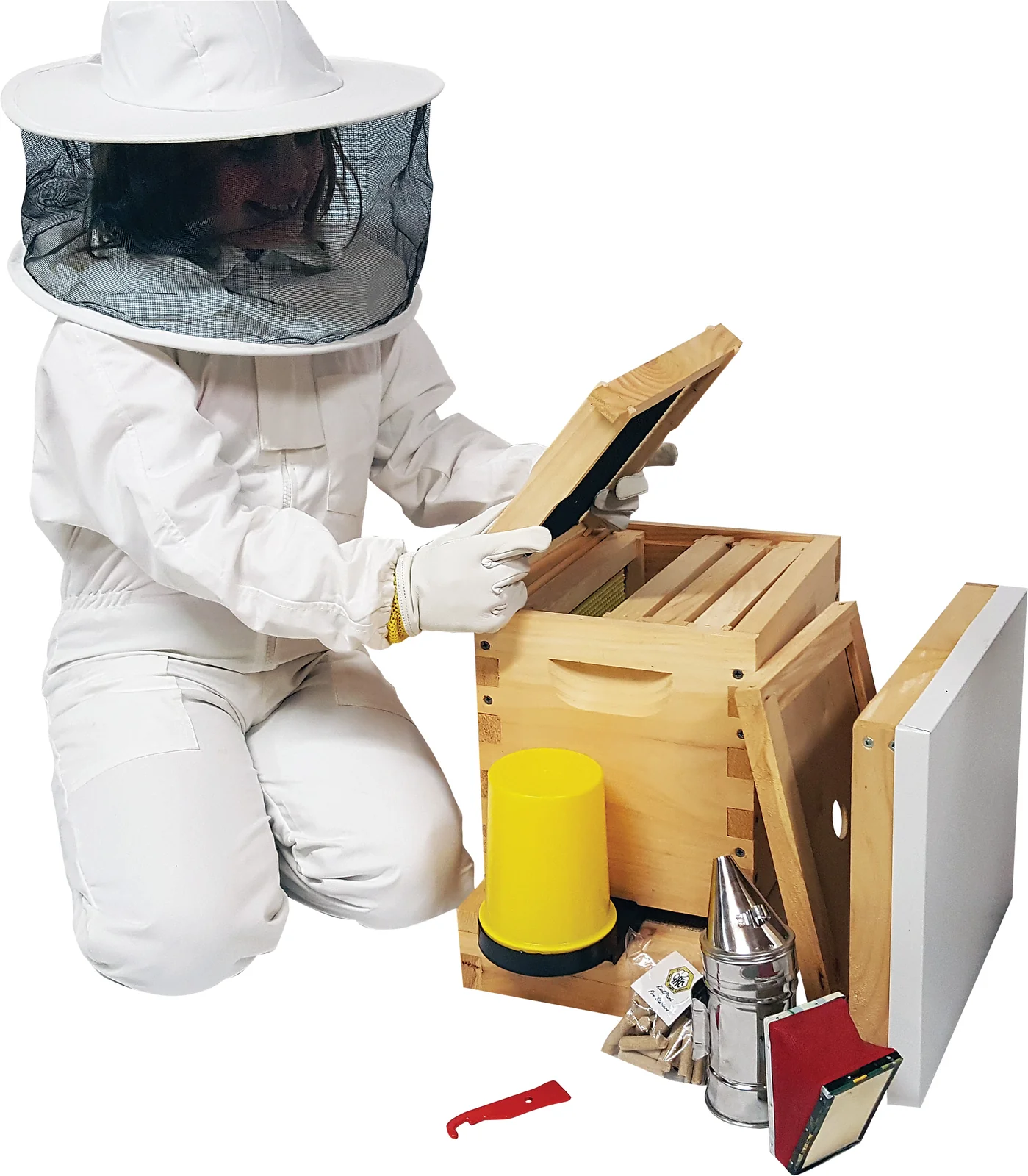
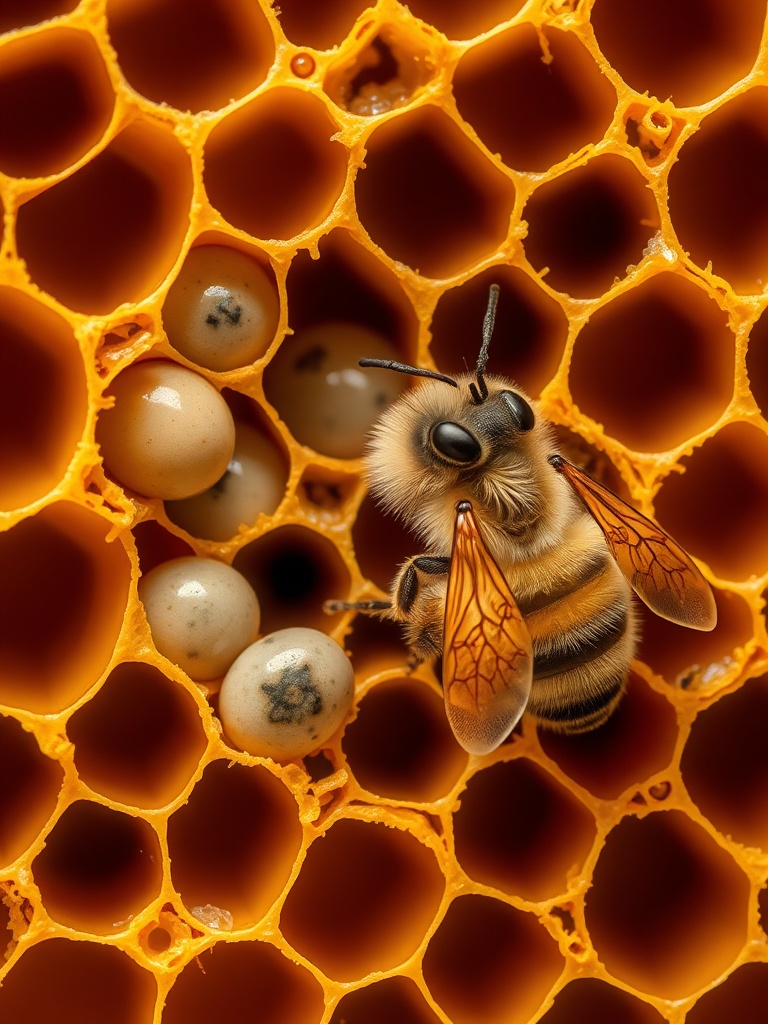
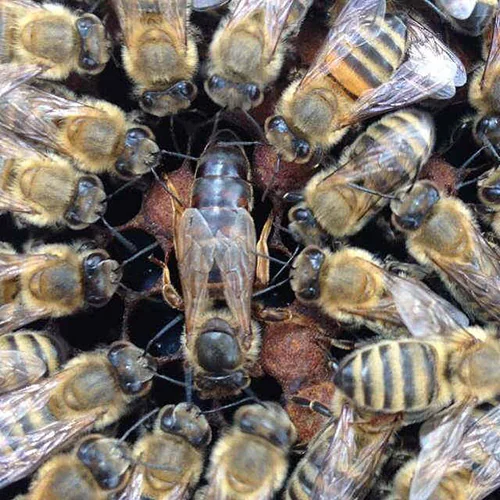
Workers develop from fertilized eggs over exactly 21 days (3 days egg, 6 days open larva, 12 days capped pupa) and cycle through 8–10 in-hive jobs — cell cleaning, nursing, wax production, guarding — before becoming foragers in their final weeks. During foraging, a single colony may visit hundreds of floral sources to create distinctive honey varieties: wildflower honey from diverse blooms, clover honey from agricultural areas, buckwheat honey from late-season crops, or sourwood honey from Appalachian slopes. The queen mates once in a 1–3 day flight window with up to 20 drones, stores up to 7 million sperm, and may lay 1,000–2,000 eggs per day for a 2–5 year career — the colony raises a replacement the moment her pheromone output declines. Varroa destructor mite, which reproduces inside capped brood cells and transmits deformed-wing virus, is the number-one colony killer in modern beekeeping; the Bee Informed Partnership surveys have found consistent annual U.S. colony losses of 30–50%, with Varroa-linked pathogens as the primary cited cause. See how bees convert nectar into finished honey once foragers return with their loads.
- Queen: The only fertile female — lays 1,000–2,000 eggs per day at peak
- Workers: Female bees cycling through nursing, wax-building, and foraging roles
- Drones: Male bees whose only role is to mate with queens; expelled in autumn
- Worker brood completes development in 21 days; drones in 24; queens in 16
- A strong summer colony holds 40,000–80,000 bees — monitor for Varroa monthly
How Do You Inspect a Beehive?
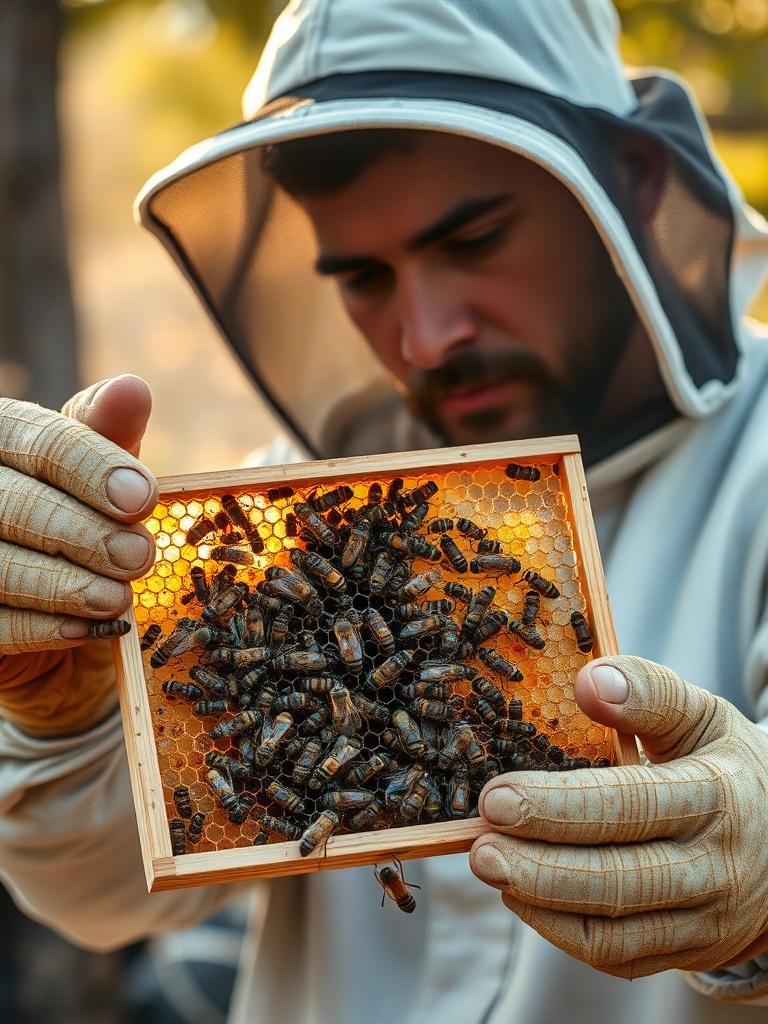
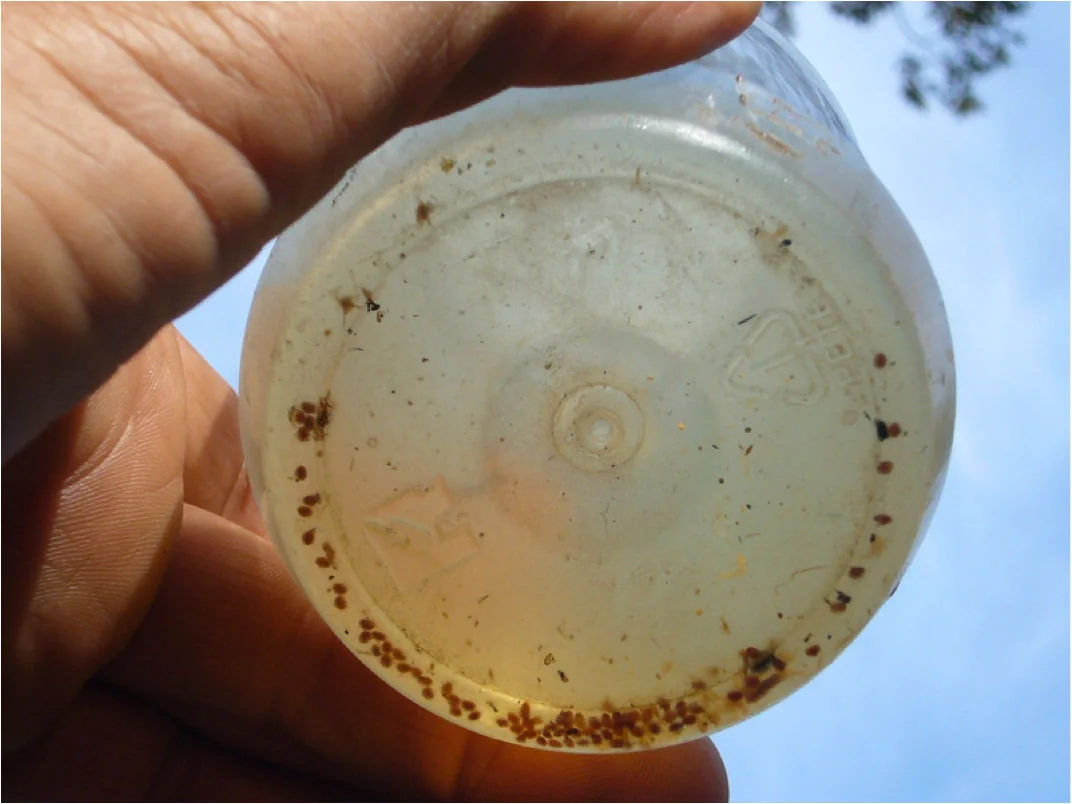
Your inspection has one primary goal: confirm the queen is laying by finding freshly deposited eggs — tiny white grains standing upright in cell bases, visible only when you tilt the frame toward strong light at an angle. Capped brood should be uniformly caramel-brown and slightly domed; sunken or perforated cappings are the first sign of American foulbrood (AFB), confirmed by the "ropiness test" — a toothpick pulled from a suspect cell draws a 1–2 cm viscous thread with AFB. During honey season, assess honey stores for harvest planning: light-colored comb often contains clover honey or acacia honey, while darker comb may hold rich buckwheat honey or complex wildflower honey blends. Monthly Varroa monitoring via a 300-bee alcohol wash is a non-negotiable maintenance task: a ≥3% mite load signals that treatment is needed before populations damage developing brood. Learn to read your inspection records to time your first honey harvest.
- Look for eggs and C-shaped larvae in uncapped cells to confirm the queen is active
- Check capped brood pattern — irregular or sunken cappings indicate disease
- Run a monthly Varroa alcohol wash on a 300-bee sample; treat at ≥3% load
- Assess honey and pollen stores — colonies need 60+ lbs of honey to overwinter
- Keep dated records: queen status, brood pattern, Varroa count, and honey weight
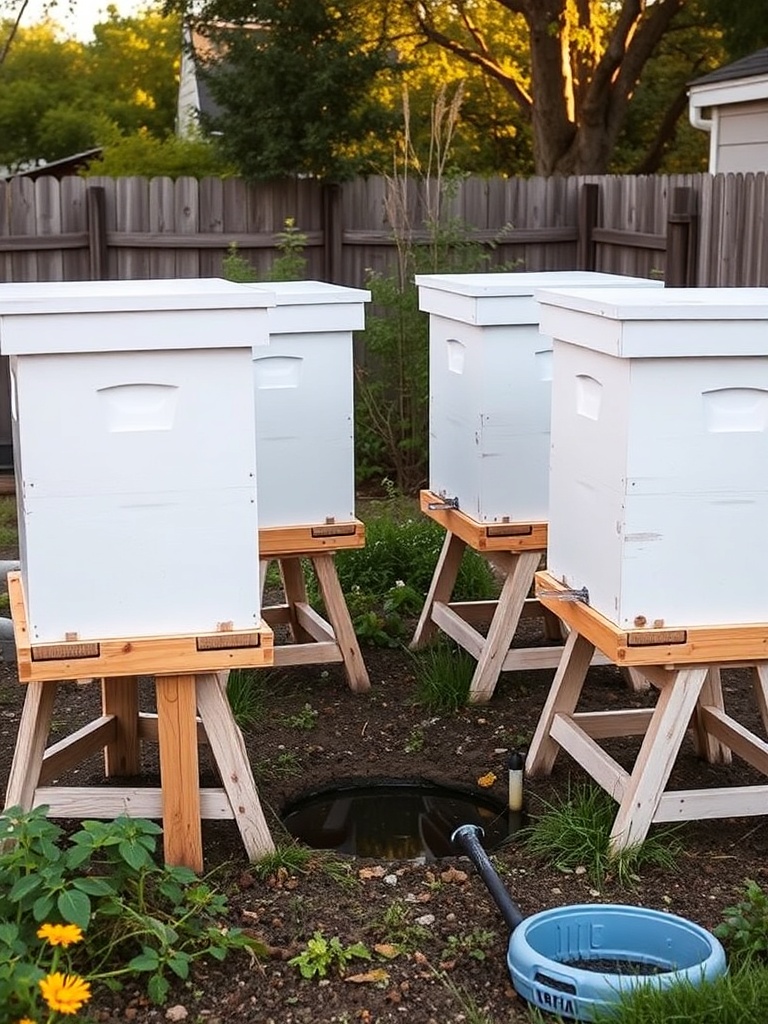
How Do You Set Up a Bee Apiary?
Southeast-facing entrances catch morning sunlight, activating foragers earlier without exposing the colony to afternoon heat above 35°C (95°F) that forces bees into passive cooling instead of foraging. A colony needs 4–6 liters of water daily in summer; without a managed source within 300 meters, bees exploit neighbors' pools and birdbaths — the fastest route to community conflict. Your apiary's location determines the honey varieties your bees create: rural meadows produce complex wildflower honey, agricultural areas yield mild clover honey, orchards create delicate orange blossom honey, and mountain regions offer rich sourwood honey from Oxydendrum arboreum. Check local zoning before purchasing equipment: most U.S. municipalities require 10–25 ft. setbacks from property lines and cap hobby hive counts at 2–4; many require annual registration with your state apiarist. Starting with two hives instead of one lets you transfer a frame of eggs from a healthy colony to a queenless one — the single most effective beginner rescue — and gives you a side-by-side baseline for comparing colony strength across the harvest season.
- Face hives southeast for morning sun — activates foragers before midday heat
- Provide a managed water source within 300 m to prevent bees raiding neighbor pools
- Ensure good drainage and air circulation to reduce condensation moisture in winter
- Check local regulations — setbacks, hive limits, and state apiarist registration
- Start with 2 hives to compare colony health and enable brood-frame rescue transfers
Related Honey Guides
Frequently Asked Questions
How do you start beekeeping?
Start by studying hive anatomy and assembling essential equipment: a bee suit with veil, smoker, hive tool, and a Langstroth hive kit. Set up your apiary in a southeast-facing location with a water source within 300 meters, then purchase a 5-frame nucleus colony from a local supplier. Once established, inspect every 7–10 days and run monthly Varroa mite counts — controlling Varroa is the most critical ongoing task for preventing colony loss.
How much does it cost to start beekeeping?
A basic setup in 2026 — a 10-frame Langstroth hive kit ($150–250), a 5-frame nucleus colony ($150–200), a protective suit ($80–150), and a smoker and hive tool ($40–60) — typically runs $500–800. Ongoing annual costs for replacement frames, Varroa treatments, and equipment maintenance average $100–200 per hive. Your location determines the honey varieties you'll harvest: wildflower honey from diverse meadow sources, clover honey from agricultural regions, orange blossom honey from citrus areas, or buckwheat honey from late-season crops — each with distinct flavors, colors, and market values.
How many bees are in a hive?
A healthy honey bee colony holds 40,000–80,000 bees at summer peak, consisting of one queen, female worker bees in various age-related roles, and a smaller population of male drones. Colony size drops to 10,000–20,000 in winter as drones are expelled and foraging ceases.
Is beekeeping legal in my area?
Beekeeping regulations vary by location. Most U.S. municipalities allow backyard beekeeping, but many require hive setbacks of 10–25 feet from property lines, cap hobby hive counts at 2–4, and require annual registration with your state apiarist. Check your local zoning ordinances and your state department of agriculture website before purchasing equipment.
Edited by Sam French · Raw Honey Guide Editorial Team
Source reviewed against primary literature and official guidance where available. Health content is educational, not medical advice, and does not replace a licensed clinician.
Planning an equipment purchase? Browse beekeeping supply shops and check their equipment, visit arrangements, and operator sources.
Get the Honey Buyer's Cheat Sheet (free PDF)
16 varieties on one page — color, flavor, best use and what a fair price looks like — from the 304 honeys we track.
Related Guides
How to Harvest Honey
Complete beekeeper's guide to harvesting.
Read GuideHow Bees Make Honey
The journey from flower to jar.
Read GuideMead Making Guide
How to make honey wine at home — recipe, styles, and tips.
Read GuideRelated Articles
Beekeeping for Beginners: How to Start Your First Hive in 2026
Start beekeeping in 2026 with this beginner guide. Equipment costs, hive types, where to buy bees, and first-year tips.
Read ArticleSpring Beekeeping Checklist 2026: Month-by-Month Guide
Month-by-month spring beekeeping checklist for 2026. Hive inspections, swarm prevention, feeding schedules, and more.
Read ArticleHow Bees Make Honey: The Complete Process from Flower to Jar
The complete process of how bees make honey — from flower to jar. Foraging, enzymatic processing, evaporation, capping, and how beekeepers harvest.
Read ArticleReady to support local beekeepers?
Find Local Honey Sources