
Get the Honey Buyer's Cheat Sheet (free PDF)
16 varieties on one page — color, flavor, best use and what a fair price looks like — from the 304 honeys we track.
Best Honey For Your Needs
Expert-curated recommendations for every use case
The World's Most Complete Honey Resource
Everything you need to explore, compare, and enjoy honey — all in one place
Honey Varieties
Blog Articles
Learning Guides
Countries
Use Case Guides
Interactive Tools
Find Your Perfect Honey
Answer a few quick questions and we'll recommend the ideal honey varieties for your taste and needs.
Or try our practical buying recommender for specific purchase advice.
Featured Honeys
Hand-picked selections from our curated collection
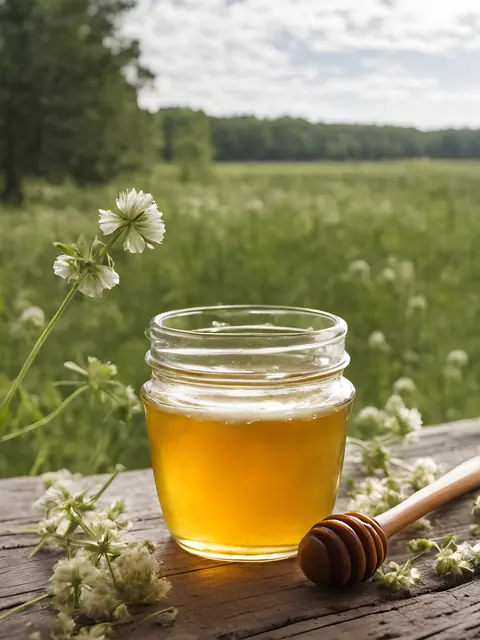
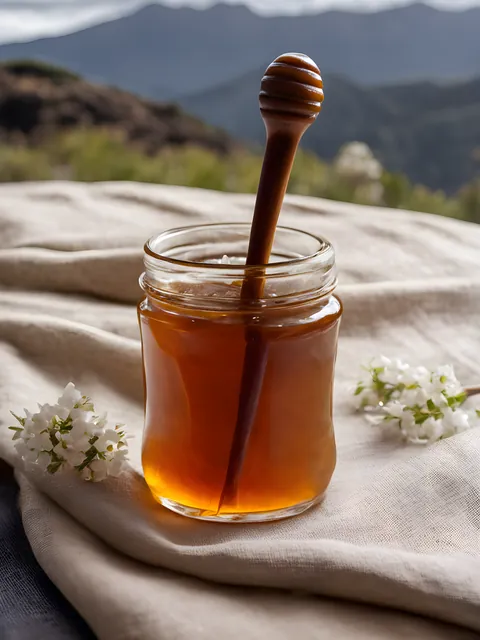
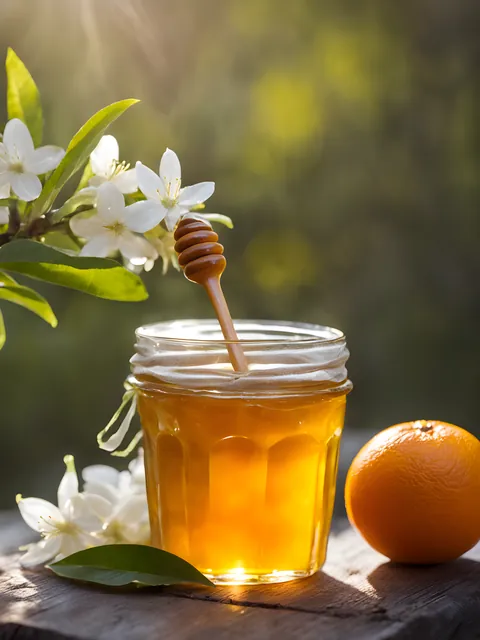
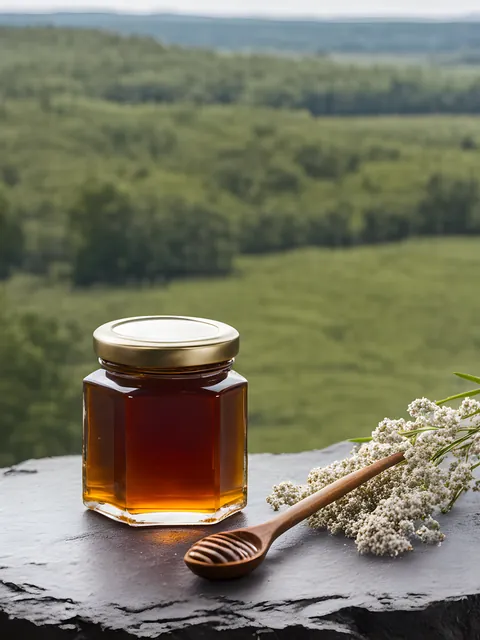
Autumn Favorites
Rich, robust honeys ideal for cozy autumn days
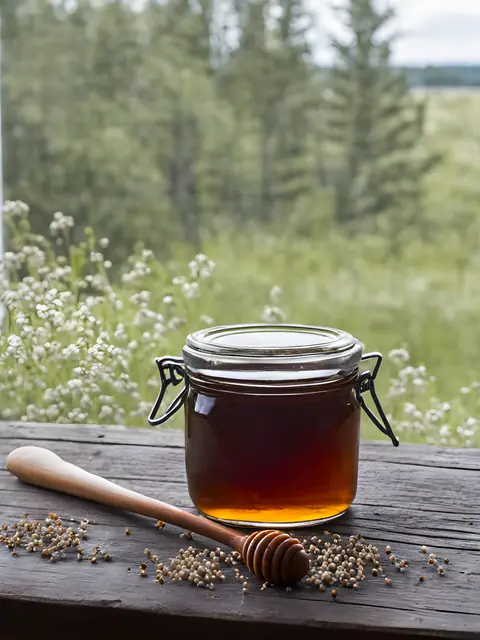
Oneroot Natural Raw Buckwheat Honey
Northern Ontario, Canada · Oneroot
Typical jar price$17.00 – $29.00
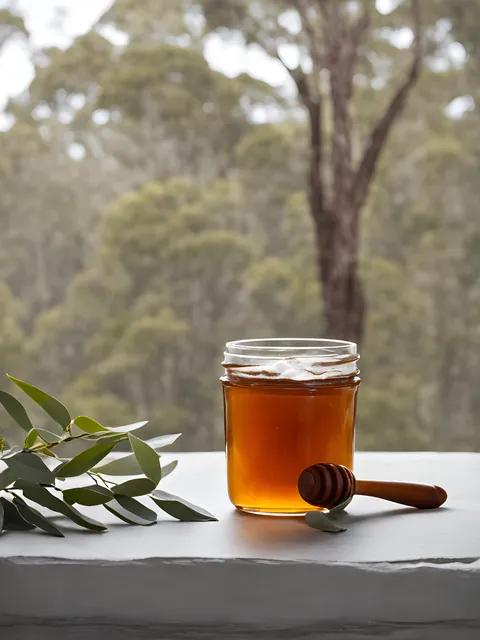
Pure Peninsula Honey Eucalyptus Honey
Victoria (Bendigo, Mildura); extracted at Moorooduc, Mornington Peninsula · Pure Peninsula Honey
Typical jar price$7.58 – $12.64
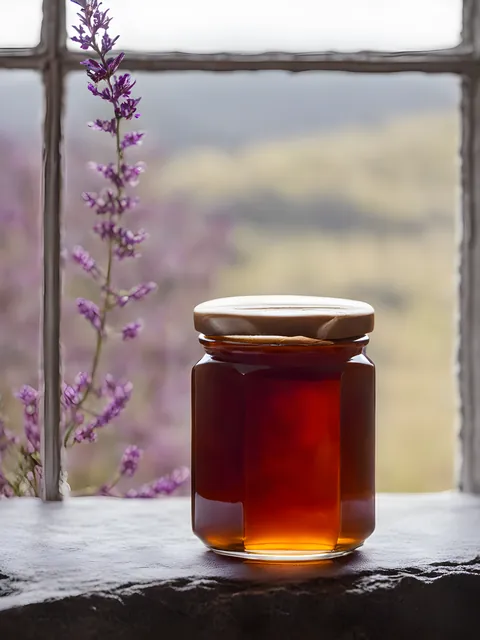
Littleover Apiaries English Heather Honey
North York Moors and Peak District, England · Littleover Apiaries
Typical jar price$9.94
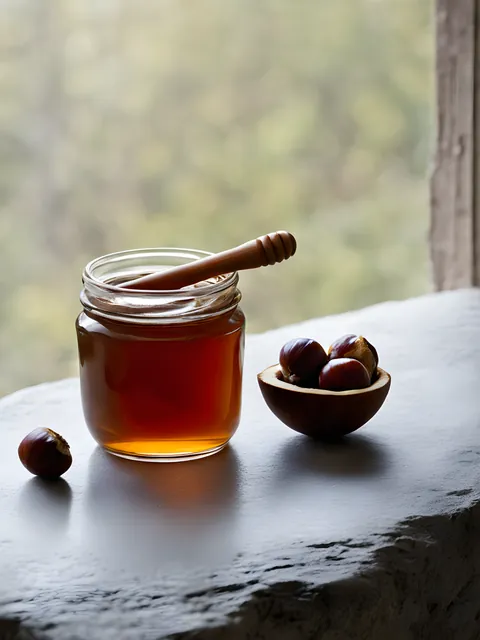
Oca Nera Chestnut Honey (Miel de Châtaigneraie AOP)
Vignale, Haute-Corse, Corsica (AOP Miel de Corse – Mele di Corsica) · Oca Nera
Typical jar price$7.89 – $22.54
Upcoming Events
View All
Hosting a class or open house? Share it with the honey community.
Verified Local Sources
Beekeepers, honey shops and markets we have checked
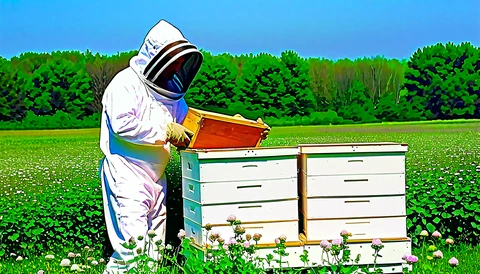
Ames Farm
Ames Farm is a Minnesota beekeeping business that sells raw single-source honey, including basswood, buckwheat and jewelweed honey, plus comb honey and beeswax candles, through its website. It lists its address as 2425 County Road 127 in Delano, and it sells at Mill City Farmers Market in Minneapolis. No farm-store hours are published, so order online or contact the farm before visiting.
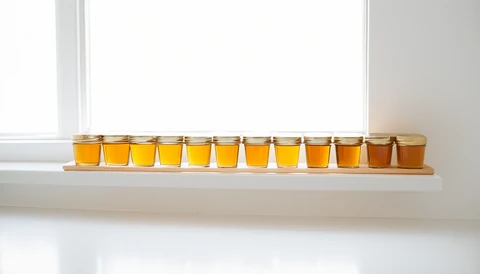
Bare Honey
Bare Honey is a Minnesota beekeeping business with a listed address at 635 9th St SE, Suite 160 in Minneapolis. Its website sells Minnesota honeys such as Minnesota Amber and Minnesota Clover, plus buckwheat, linden, wildflower and organic raw honey, gift sets and mini honey bears. Its contact page lists no store hours or phone, so order online or write to info@barehoney.com before visiting.
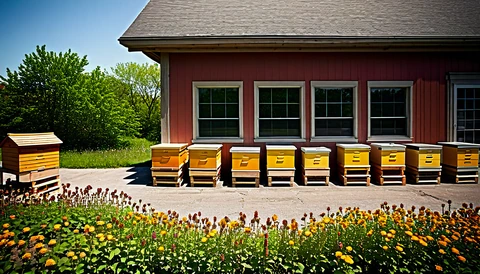
Chicago Honey Co-op
Urban beekeeping collective operating hives on rooftops and community gardens throughout the Chicago metropolitan area, producing hyper-local single-origin raw honey. Their varietal offerings include linden blossom, sweet clover, and urban wildflower honey. Products are sold at regional farmers markets and their Milwaukee Ave storefront in the Avondale neighborhood.
Honey Stories
Quick visual guides — swipe through to learn about honey in seconds
Latest from the Blog
Science-backed guides, recipes, and everything honey
Compare Honey Varieties
Side-by-side comparisons of flavor, nutrition, price, and best uses
Honey Tools
Interactive tools to help you choose, compare, and use honey
Learn About Honey
Explore our educational guides and become a honey expert
What Is Raw Honey?
Raw honey is extracted from the hive and strained without heating above 118°F (48°C). Unlike supermarket honey — often pasteurized at 150°F+ and ultra-filtered — raw honey retains its natural enzymes, pollen, propolis, and over 200 bioactive compounds. Research published in the Journal of Apicultural Research shows raw honey has significantly higher antioxidant activity than processed varieties.
The flavor, color, and nutritional profile of honey depend almost entirely on the floral source — the flowers bees visit to collect nectar. Manuka from New Zealand tastes nothing like mild clover from the American Midwest, or the intensely floral lavender honey of Provence. Exploring these differences is the heart of what we do.
Honey Questions, Answered
What is raw honey and how is it different from regular honey?
Raw honey is extracted from the hive and strained without heating above 118°F (48°C) or pasteurizing. Regular honey is pasteurized at 150–170°F, which kills beneficial enzymes, reduces antioxidant content, and destroys natural yeasts. Raw honey retains all its pollen, propolis, and 200+ bioactive compounds.
Does honey expire or go bad?
Honey is one of the only foods that never truly expires when stored properly. Its low moisture content (below 18%), acidic pH (3.2–4.5), and natural hydrogen peroxide production inhibit bacterial growth. Archaeologists have found 3,000-year-old honey in Egyptian tombs — analysis confirmed retained characteristic sugar composition and antimicrobial properties. Crystallization is normal and does not mean honey has gone bad.
How many types of honey are there?
There are over 300 distinct honey varieties worldwide, classified primarily by floral source. Common types include clover, wildflower, manuka, buckwheat, acacia, and orange blossom. Each variety has a unique flavor profile, color, and nutritional composition determined by the nectar source.
Is honey healthier than sugar?
Honey and table sugar are both concentrated sweeteners. Honey adds its own flavor, but trace compounds and research findings do not make every jar a healthier choice or a medical treatment. Compare the portion and total sugar in the food you actually eat.
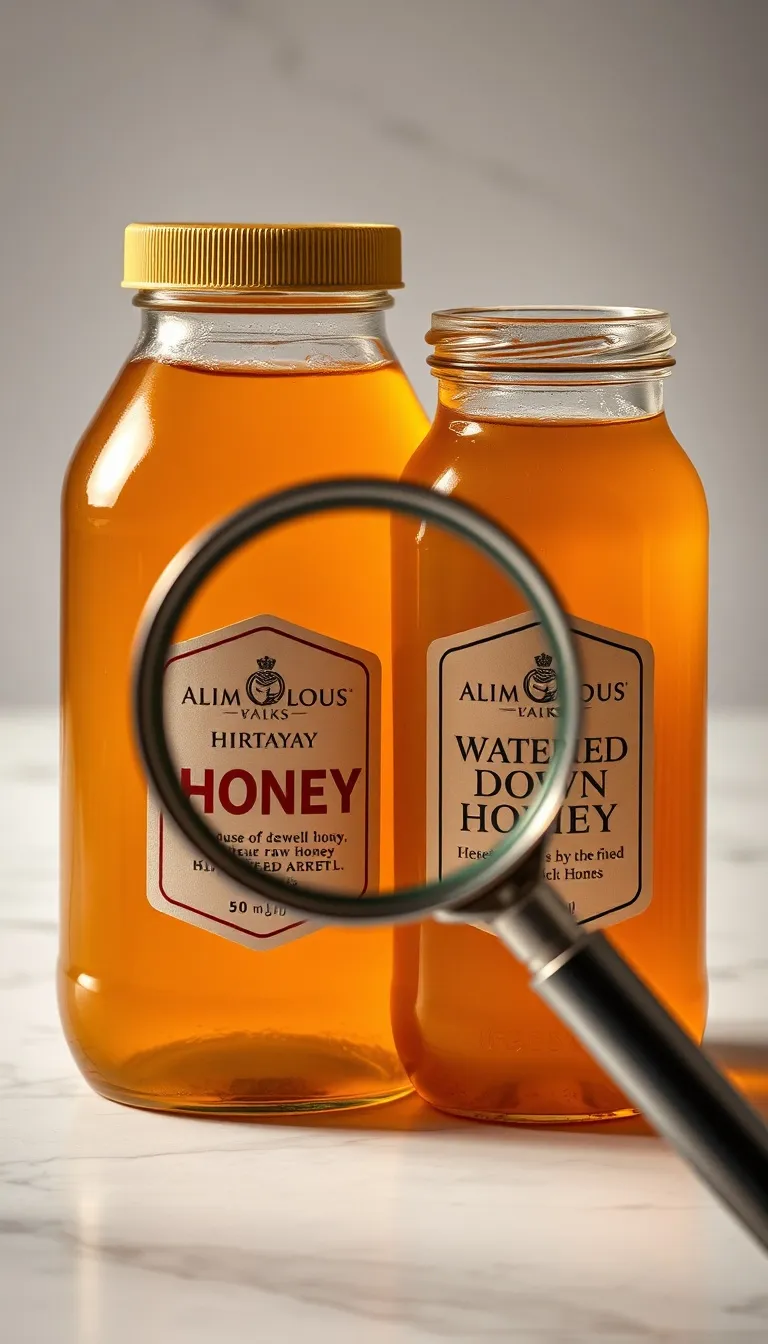
How can you tell if honey is real or fake?
Look for "True Source Certified" or single-origin labeling. Real honey crystallizes over time (fake honey often stays liquid indefinitely), has a complex aroma matching its floral source, and lists only "honey" as an ingredient. Lab testing (C4 sugar analysis, NMR profiling) is the only reliable way to detect adulteration — home tests like the water or thumb test are unreliable.
Can you give honey to babies?
Never give honey to infants under 12 months old. Honey can contain Clostridium botulinum spores that cause infant botulism — a rare but potentially fatal illness. After age 1, a child's digestive system is mature enough to handle these spores safely. This applies to all forms of honey, including cooked and baked goods containing honey.
Find Honey Near You
Discover local beekeepers, farmers markets, and raw honey sources in your city.