Honey Terroir Map
Just like wine, honey has terroir -- the unique character imparted by the land where it's made. Explore how geography, climate, and flora shape honey flavors across the globe.
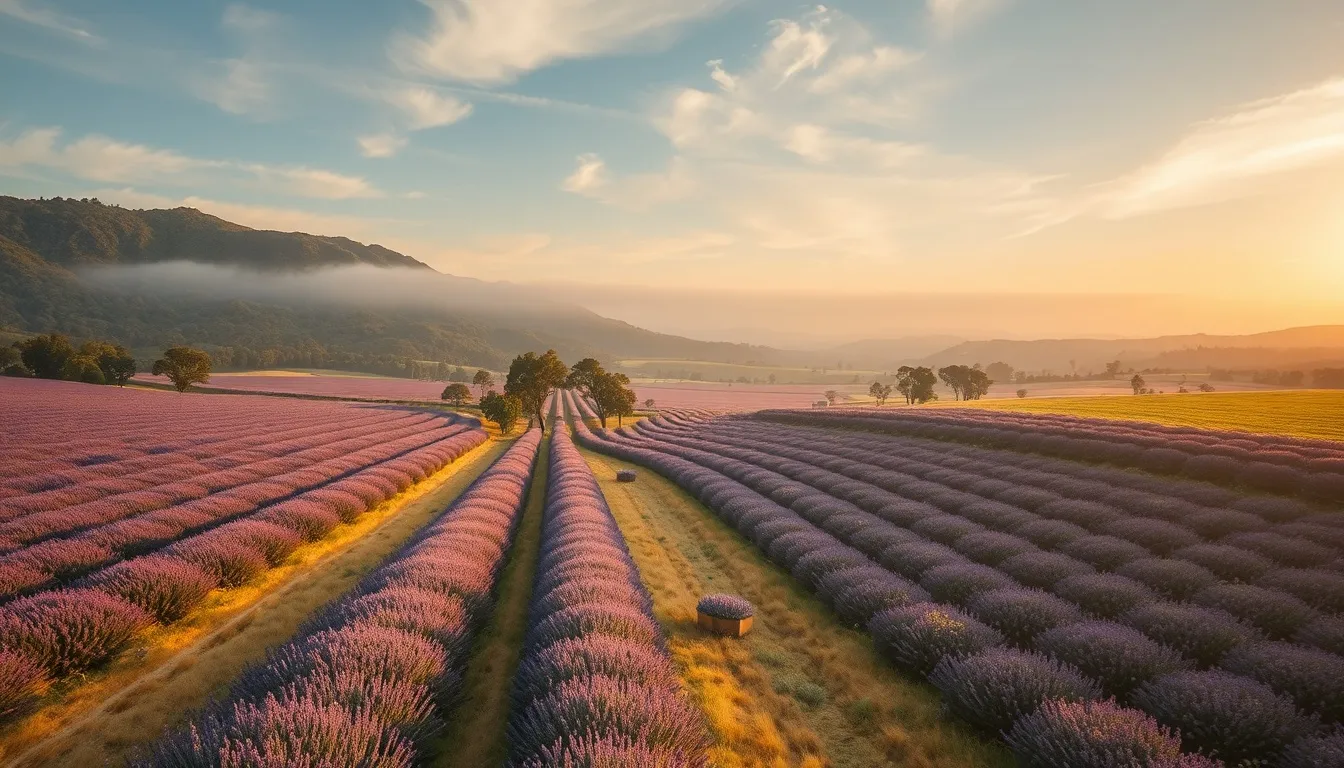
What is Honey Terroir?
Terroir (French for "land") describes how a region's environment affects the flavor of what it produces. For honey, this means the specific wildflowers, trees, and plants that bees forage on, combined with soil composition, rainfall patterns, altitude, and temperature. A jar of Greek thyme honey tastes fundamentally different from Argentine wildflower honey -- even if both are made by the same species of bee -- because the nectar sources and environment are completely different.
Click a Region to Explore
or press Enter to select with keyboard
Explore a Region
Click any dot on the map to discover the unique honeys and flavor profiles of that region.
Honey Regions of the World
Related Guides
Honey Terroir & Origin
How geography, climate, and flora create unique honey flavor fingerprints.
Read GuideFloral Sources Guide
Learn about honey varieties by floral origin.
Read GuideWorld Honey Atlas
140+ honey-producing countries — key varieties, history, and production facts.
Read GuideRelated Articles
The Global Honey Atlas: How Geography Shapes Every Jar
An analysis of 304 honeys from 15 named countries and 28 more reveals the geographic logic — including 3 American varieties made nowhere else.
Read ArticleBest Honey in the World? Compare 12 Origins by Evidence
There is no evidence-based country winner. Compare 12 honey origins by label evidence, protected names, batch traceability, and flavor—not home tests.
Read ArticleHoney Tasting Guide: How to Taste Honey Like an Expert
Learn how to taste honey like an expert: the 5 sensory elements, setting up a tasting flight, flavor notes for 12 major varieties, and the best food...
Read Article