Honey vs Sugar
They're both sweet, but that's where the similarities end. Compare honey and sugar side by side to understand which deserves a place in your kitchen.
Last updated:
Honey is nutritionally superior to refined sugar but the GI comparison is nuanced: specialty honeys like acacia (GI ~32) and tupelo (~45) are genuinely lower-GI than sugar (GI ~65), but clover — the most common US honey — has a measured GI of ~69, slightly above sugar. Honey contains vitamins, minerals, antioxidants, and enzymes that sugar completely lacks, and has documented anti-inflammatory properties and researched cough-suppressing effects. Both should be consumed in moderation.
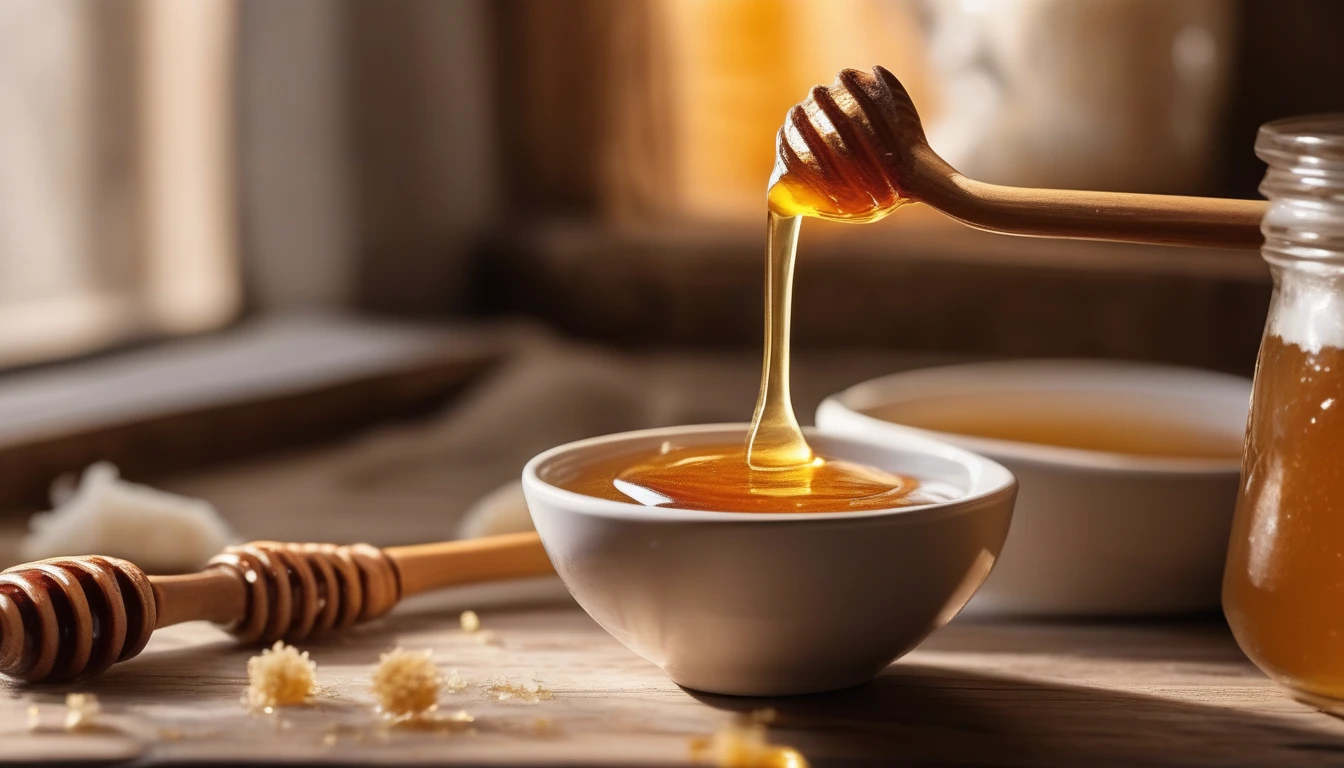
How Do Honey and Sugar Compare Nutritionally?
At first glance, honey and sugar seem similar — both are sweet, both come from natural sources, and both provide quick energy. But a closer look reveals significant nutritional differences. A tablespoon of honey contains approximately 64 calories compared to sugar's 49 calories per tablespoon. However, this comparison is misleading because honey is about 1.5 times sweeter than sugar by volume, meaning you need less to achieve the same level of sweetness. In practice, you might use one tablespoon of honey where you would use one and a half tablespoons of sugar, effectively evening out the caloric difference. Where honey truly shines is in its micronutrient profile. Raw honey contains trace amounts of B vitamins (including B6, niacin, and riboflavin), minerals (calcium, iron, zinc, potassium, and phosphorus), amino acids, and a diverse array of antioxidants including flavonoids and phenolic acids. White sugar, by contrast, is nutritionally empty — it provides pure calories with zero vitamins, minerals, or beneficial compounds. This is why nutritionists often refer to sugar as providing "empty calories." Honey also contains small amounts of enzymes like diastase and invertase, which can support digestion when consumed in raw form.
Which Has a Lower Glycemic Index?
The glycemic index (GI) measures how quickly a food raises blood sugar levels on a scale of 0 to 100. Refined white sugar (sucrose) has a GI of approximately 65. Honey's GI varies enormously depending on its floral source — from ~32 (acacia honey) at the low end to ~83 (buckwheat honey) at the high end. Critically, the most widely sold US honey — clover honey — has a measured GI of ~69 (Ischayek & Kern 2006), which is above table sugar. Wildflower honey averages ~65, roughly equal to table sugar. Only specialty honeys like acacia honey (~32), tupelo honey (~45), and sage honey (~48) are genuinely lower-GI than sugar. The variation matters enormously: substituting acacia for clover honey reduces the GI of your sweetener by more than half, while switching from sugar to clover honey changes nothing from a blood sugar perspective. The mechanism behind honey's GI range lies in its sugar composition. Honey's fructose-to-glucose ratio (F/G) varies by variety from ~0.9 (chestnut honey, glucose-dominant) to ~1.47 (acacia honey, highly fructose-dominant). Fructose is processed by the liver rather than entering the bloodstream directly, producing a lower GI. High-fructose varieties (acacia, tupelo, sage honey) are genuinely low-GI; near-parity varieties (clover, wildflower honey) land near or above sugar. That said, honey still impacts blood sugar meaningfully. People with diabetes or insulin resistance should consult their healthcare provider and choose variety carefully — acacia honey offers the best GI profile among commonly available honeys.
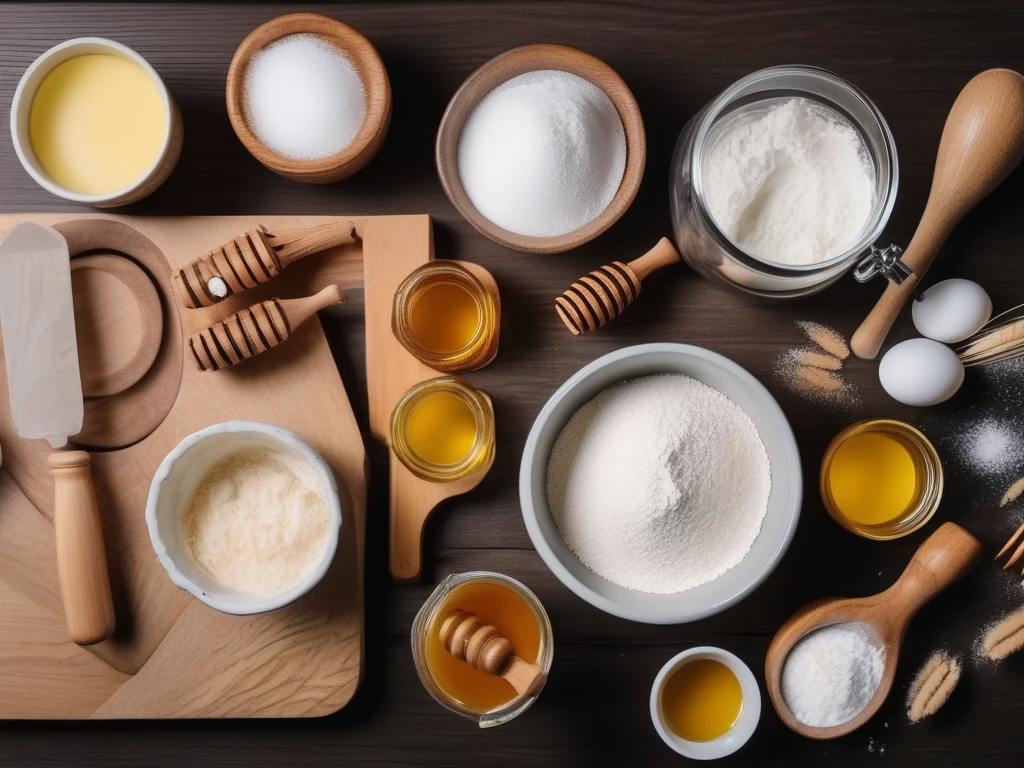
How Do You Substitute Honey for Sugar in Baking?
Swapping honey for sugar in baking is straightforward once you know the adjustments. The general rule is to replace one cup of sugar with one-half to two-thirds cup of honey, depending on the recipe and how sweet you want the result. Because honey is a liquid and contains about 17% water, you need to reduce the other liquids in your recipe by approximately one-quarter cup for every cup of honey used. This prevents your baked goods from turning out too wet or dense. Honey is also slightly acidic, which can interfere with leavening. To counteract this, add one-quarter teaspoon of baking soda for each cup of honey — this neutralizes the acid and helps your baked goods rise properly. Perhaps the most important adjustment is temperature: lower your oven by 25 degrees Fahrenheit when baking with honey. The natural sugars in honey, particularly fructose, caramelize and brown at lower temperatures than sucrose. Without this adjustment, your cookies, cakes, and breads will brown too quickly on the outside while remaining underdone inside. Honey also adds moisture that extends shelf life — baked goods made with honey tend to stay fresh and soft longer than those made with sugar. For best results in delicate baked goods, use light-colored honeys like clover honey or acacia honey, which have milder flavors that won't overpower the other ingredients. Wildflower honey adds complex floral notes perfect for artisan breads, while orange blossom honey provides subtle citrus enhancement for cakes and cookies. Avoid dark varieties like buckwheat honey in delicate recipes, as their bold molasses character can overwhelm other flavors.
Which Has Better Health Benefits?
Beyond basic nutrition, honey offers a range of health benefits that sugar simply cannot match. Honey is rich in antioxidants, including flavonoids and phenolic acids, which help protect cells from damage caused by free radicals. Studies have shown that regular honey consumption can increase antioxidant levels in the blood, potentially reducing the risk of heart disease and certain cancers. Darker honeys like buckwheat honey contain significantly more antioxidants than lighter varieties — up to 9× higher than clover honey. Chestnut honey and heather honey also provide exceptional antioxidant density, while wildflower honey offers diverse antioxidant compounds from multiple floral sources. Honey also possesses well-documented anti-inflammatory properties. Research published in peer-reviewed medical journals has demonstrated that honey can reduce markers of inflammation in the body, which is relevant to conditions ranging from arthritis to cardiovascular disease. As a cough suppressant, honey has been shown in multiple clinical studies to be as effective as — and in some cases more effective than — over-the-counter cough medications, particularly dextromethorphan. Buckwheat honey performed best in pediatric cough studies, while Manuka honey provides verified antimicrobial activity for sore throat relief. The World Health Organization and the American Academy of Pediatrics both recognize honey as a legitimate cough treatment for children over one year of age. Honey also functions as a prebiotic, feeding the beneficial bacteria in your gut. The oligosaccharides in wildflower honey and clover honey promote the growth of Lactobacilli and Bifidobacteria, supporting digestive health and immune function. Sugar offers none of these benefits — it provides energy and nothing else.
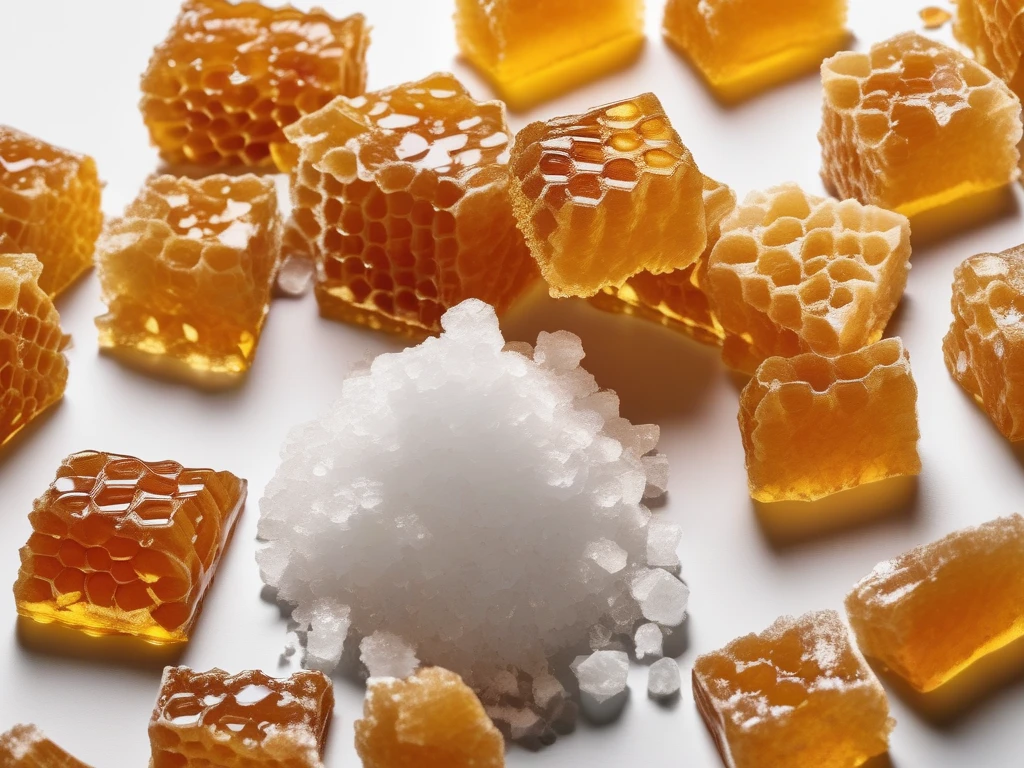
Is Honey Actually Healthier Than Sugar?
So is honey healthier than sugar? The honest answer is yes, but with important caveats. Honey clearly offers nutritional advantages: it contains vitamins, minerals, antioxidants, enzymes, and bioactive compounds that refined sugar completely lacks. Specialty honeys (acacia, tupelo, sage honey) have a genuinely lower glycemic index than sugar, though common varieties like clover honey (~69) sit above sugar's GI (~65) — so variety selection matters. Honey has anti-inflammatory properties and documented therapeutic benefits for coughs, wounds, and digestive health. For maximum health benefits, choose buckwheat honey for highest antioxidant content, acacia honey for lowest glycemic impact, Manuka honey for verified antimicrobial properties, or wildflower honey for diverse beneficial compounds. However, honey is not a health food in the traditional sense. It is still primarily composed of simple sugars (about 80% by weight), and consuming large quantities will contribute to weight gain, elevated blood sugar, and dental problems just as sugar does. The American Heart Association recommends limiting added sugars to no more than 6 teaspoons (25 grams) per day for women and 9 teaspoons (36 grams) for men — and this limit includes honey. The best strategy is twofold. First, when you do use a sweetener, choose honey over refined sugar to get the added nutritional benefits. A tablespoon of clover honey in your tea or acacia honey on your morning oatmeal is a meaningfully better choice than a tablespoon of sugar. Second, and more importantly, work to reduce your overall intake of all sweeteners. Train your palate to appreciate less sweetness over time. Use cinnamon, vanilla, or fruit to add natural sweetness to foods. The goal isn't to consume more honey — it's to make the sweeteners you do consume count for something beyond empty calories.
Frequently Asked Questions
Is honey healthier than sugar?
Yes, honey is nutritionally superior to refined sugar. It contains trace vitamins (B2, B3, B5, B6), minerals (potassium, calcium, iron), antioxidants, and active enzymes that refined sugar completely lacks. Honey's glycemic index varies widely by variety (GI ~32 for acacia honey to ~83 for buckwheat honey) — specialty varieties like acacia and tupelo honey are genuinely lower-GI than sugar (GI ~65), but common varieties like clover honey (~69) are actually slightly higher. For maximum health benefits, choose buckwheat honey for highest antioxidants, acacia honey for blood sugar management, or wildflower honey for diverse beneficial compounds. Both should be consumed in moderation.
Can you substitute honey for sugar in baking?
Yes. Use ½–⅔ cup of honey per 1 cup of sugar, reduce other liquids by ¼ cup per cup of honey used, lower your oven temperature by 25°F to prevent over-browning, and add ¼ teaspoon of baking soda per cup of honey to neutralize its acidity. For best results, use clover honey or acacia honey for delicate flavors, wildflower honey for complex notes in artisan breads, or orange blossom honey for subtle citrus enhancement. Avoid dark varieties like buckwheat honey in delicate recipes. Honey adds moisture that extends shelf life in baked goods.
Does honey have fewer calories than sugar?
No, honey has slightly more calories per tablespoon (64 vs 49 for sugar). However, honey is approximately 1.5 times sweeter than sugar by volume, so most people use less to achieve the same level of sweetness, which can offset the caloric difference in practice.
Which honey has the lowest glycemic index?
Acacia honey has the lowest measured GI of any widely available honey at ~32, due to its unusually high fructose-to-glucose ratio (F/G ~1.47). Tupelo honey (~45) and sage honey (~48) are also well below sugar's GI of ~65. Clover honey (the most common US honey) measures ~69 — slightly above table sugar — and wildflower honey averages ~65. Buckwheat honey is the highest at ~73–83. For blood sugar management, acacia honey is the clear winner, offering genuine diabetic-friendly sweetening when used in moderation.
Is honey safe for people with diabetes?
People with diabetes should consult their healthcare provider before adding honey to their diet. Honey GI varies by variety — common clover honey (~69) is near or above table sugar (GI ~65), while specialty varieties like acacia honey (~32), tupelo honey (~45), and sage honey (~48) are genuinely lower-GI. Small amounts of lower-GI varieties like acacia may suit some individuals when carefully managed alongside other dietary strategies, but all honey still raises blood sugar and counts as added sugar. Avoid higher-GI varieties like buckwheat honey (~83). Honey must never replace prescribed diabetes medication.
What are the best natural alternatives to refined sugar?
Honey offers the best combination of flavor, versatility, and nutritional value among sweetener alternatives to sugar. For specific needs, choose acacia honey for lowest GI impact, buckwheat honey for maximum antioxidants, clover honey for mild everyday sweetening, wildflower honey for complex flavor, or Manuka honey for therapeutic applications. Other options include pure maple syrup (contains manganese, zinc), blackstrap molasses (high in iron and calcium), coconut sugar (slightly lower GI than white sugar), and date sugar (whole fruit, rich in fiber). All natural sweeteners should still be consumed in moderation.
Edited by Sam French · Raw Honey Guide Editorial Team
Source reviewed against primary literature and official guidance where available. Health content is educational, not medical advice, and does not replace a licensed clinician.
Get the Honey Buyer's Cheat Sheet (free PDF)
16 varieties on one page — color, flavor, best use and what a fair price looks like — from the 304 honeys we track.
Related Guides
Honey vs Maple Syrup
Nutrition, GI, and flavor compared.
Read GuideHoney vs Agave Nectar
Processing, fructose, and health.
Read GuideHoney vs Stevia
Calories vs health benefits.
Read GuideRelated Articles
Is Honey Better Than Sugar? The Complete Health Comparison
Honey vs sugar: compare nutrition, glycemic impact, antioxidants, and clinical evidence. When honey wins — and when not.
Read ArticleHoney vs Date Syrup: Nutrition, Taste, and Which to Choose
Honey vs date syrup for cooking: flavor, texture, vegan pantry use, and substitution ratios. When date syrup fits baking and when honey is the better match.
Read ArticleBrowse honey varieties
Browse All Honeys