Health Benefits of Honey
Raw honey is one of the few traditional remedies that has survived rigorous scientific testing. Here are the 6 benefits backed by controlled research — and what the evidence actually shows.
Last updated:
Raw honey offers 6 scientifically supported health benefits: antibacterial wound healing (Cochrane review: 4–5 days faster burn healing), antioxidant protection from flavonoids and phenolic acids, natural energy with variable GI (~32–83, averaging ~60 across varieties), digestive prebiotic support, sleep and cough relief for children 12+ months, and skin hydration via humectancy. Darker varieties like buckwheat have the most antioxidants — up to 20× more than light clover.
Does Honey Have Antibacterial Properties?
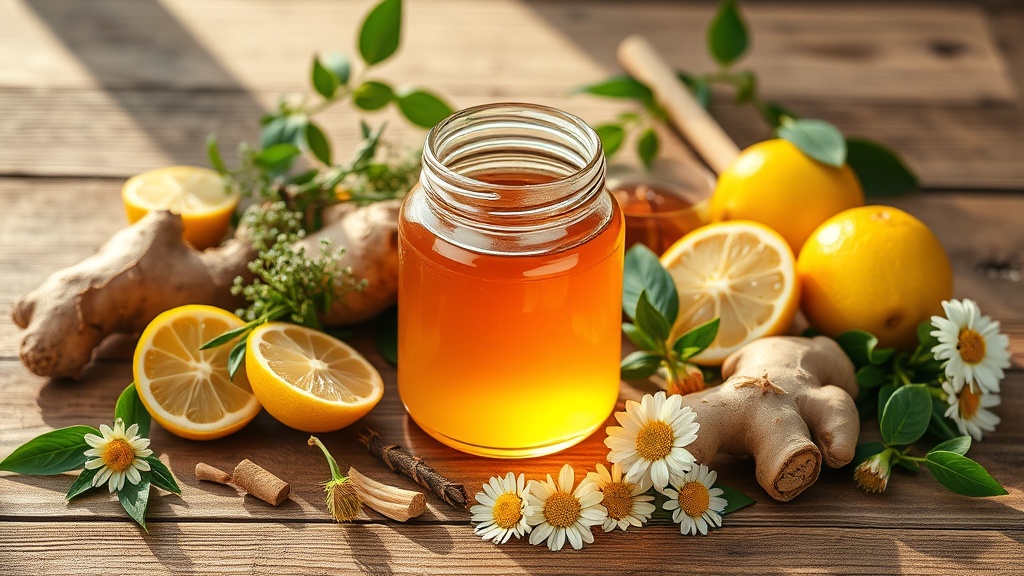
Raw honey fights bacteria through three overlapping mechanisms. Its low water activity (aw ≈ 0.56–0.62) starves pathogens of the moisture they need to multiply — most bacteria require aw above 0.94 to grow. Its pH (3.2–4.5) disrupts bacterial enzyme systems. And glucose oxidase converts glucose to hydrogen peroxide on dilution, sustaining antimicrobial activity in wounds. Manuka honey adds a fourth layer: methylglyoxal (MGO), formed from dihydroxyacetone in mānuka nectar, remains active even when H₂O₂ is catalase-inactivated. Eucalyptus honey and clover honey provide strong glucose oxidase activity for reliable hydrogen peroxide production, while wildflower honey offers diverse antimicrobial compounds from multiple botanical sources. A 2015 Cochrane review of 26 trials found honey dressings healed superficial partial-thickness burns 4–5 days faster than conventional dressings, with moderate evidence quality. Medical-grade Manuka products (Medihoney, L-Mesitran) are licensed for clinical wound management in the EU and US.
How to Use
- Medical-grade honey dressings are used in clinical wound care under professional supervision — see a doctor for cuts or burns that need treatment
- Mix with warm water and lemon for sore throat soothing
- Choose Manuka honey (UMF 10+ or MGO 250+) for the strongest effect
- Use eucalyptus or clover honey for reliable hydrogen peroxide activity
- Try wildflower honey for diverse antimicrobial compounds from multiple plants
How Many Antioxidants Does Honey Contain?
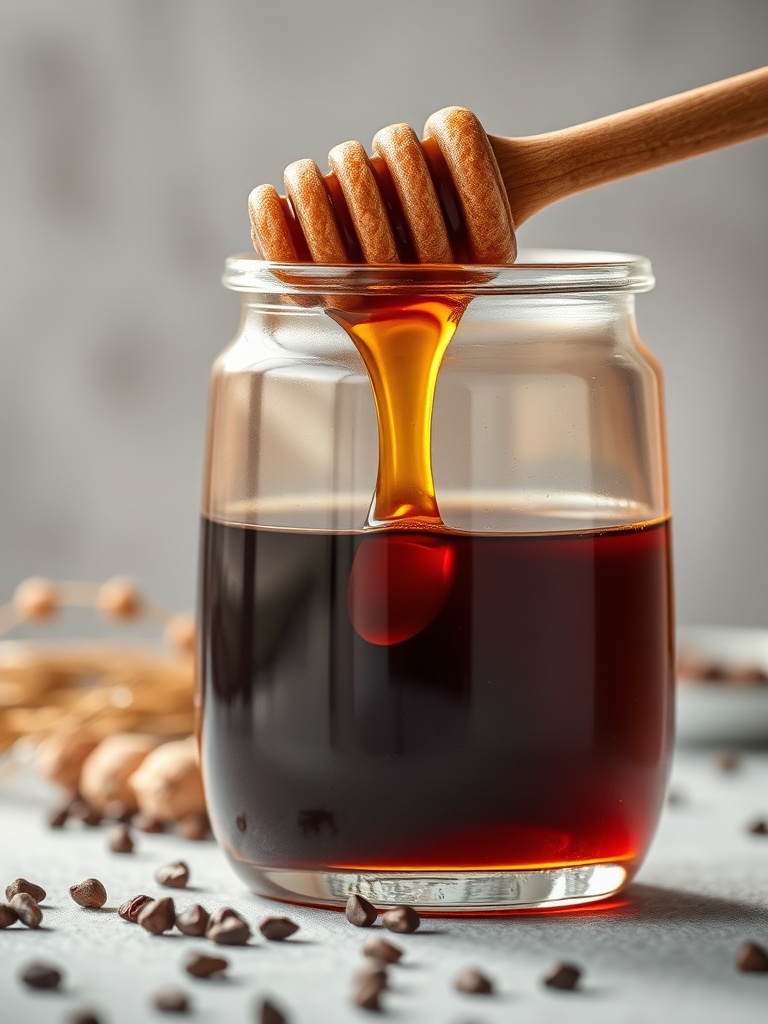
Honey's antioxidant capacity varies up to 20-fold by floral source. Buckwheat honey can score 800+ μmol TE/100g on the ORAC scale while light clover honey typically reads around 100 (USDA ORAC database). Chestnut honey and heather honey also deliver exceptional polyphenol density, while wildflower honey provides moderate antioxidant levels from diverse botanical sources. The active compounds include flavonoids (pinocembrin, quercetin, acacetin, chrysin), phenolic acids (caffeic, p-coumaric, ellagic), and the enzyme catalase. As a rule, darker honey has more polyphenols — the colour comes from the same pigment compounds that act as antioxidants. A 2017 review in Nutrients confirmed dark honey varieties consistently outperform lighter varieties in standardised antioxidant assays. A tablespoon of buckwheat honey provides roughly the same antioxidant units as a serving of strawberries — meaningful when you're going to use a sweetener anyway, but not a substitute for a fruit-and-vegetable diet.
How to Use
- Choose buckwheat, chestnut, or heather honey for maximum antioxidant density
- Wildflower honey offers moderate antioxidants with diverse polyphenol profiles
- Raw, unprocessed honey retains full polyphenol content
- Avoid heating honey above 40°C, which degrades heat-sensitive flavonoids
Is Honey a Good Natural Energy Source?
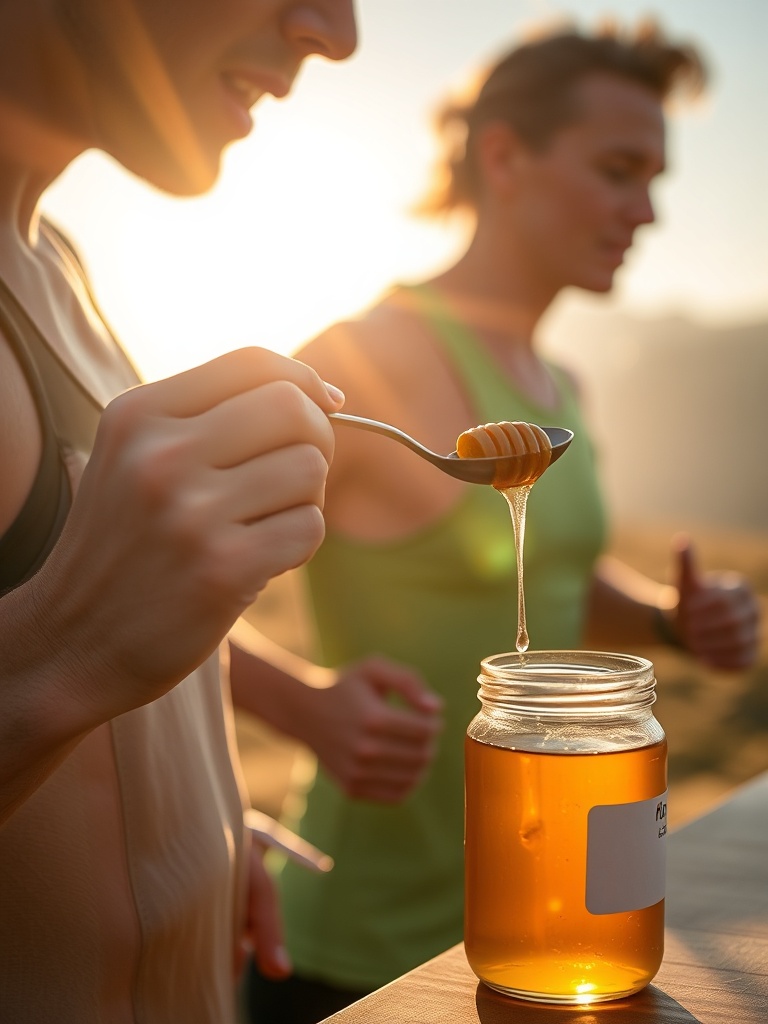
One tablespoon of honey (21g) supplies 64 kcal from 17g of carbohydrate: roughly 40% fructose, 30% glucose, 5% sucrose, and 25% longer oligosaccharides and water. Because fructose is metabolised hepatically rather than through the same glycaemic spike-and-crash route as glucose, honey's glycemic index ranges from ~32 (acacia honey) to ~83 (buckwheat honey), averaging ~60 — comparable to table sugar (~65) for typical varieties. Clover honey scores ~55-65, wildflower honey ~50-65, and tupelo honey ~45, with light honeys lower and dark honeys higher. A 2004 study in the Journal of Strength and Conditioning Research (Earnest et al., University of Memphis) found honey matched commercial glucose gel for cycling performance over a 64 km time trial. The sports-nutrition protocol: 1–2 tablespoons 30–45 minutes before endurance exercise, then repeat every 45 minutes during sustained effort above 60% VO₂max. Any raw honey works; the study used standard clover honey.
How to Use
- Use clover or wildflower honey for balanced GI and sustained energy
- Choose acacia or tupelo honey for lower glycemic impact
- Take a tablespoon before workouts as a natural pre-exercise fuel
- Mix with warm water for a quick pre-exercise drink

Can Honey Help You Sleep Better?
The sleep-promotion mechanism rests on two linked steps. First, honey's glucose fraction partially refills hepatic glycogen during the night. Depleted liver glycogen triggers adrenal release of cortisol and adrenaline around 3–4 AM, which fragments sleep — replenishing it may reduce that early-morning waking. Second, the moderate insulin response to honey enables tryptophan to compete more effectively for brain-transport proteins, supporting serotonin and melatonin synthesis. Rigorous RCT evidence in adults is limited, but the evidence in children is strong: a 2007 RCT in Archives of Pediatrics & Adolescent Medicine (Paul et al.) found two teaspoons of buckwheat honey before bedtime reduced cough frequency and improved sleep quality better than dextromethorphan (DM, the most common OTC cough suppressant). Wildflower honey and clover honey also provide gentle bedtime sweetness with diverse tryptophan compounds. Some pediatric guidance now lists honey as an option ahead of over-the-counter cough medicine for children 12 months and older.
How to Use
- Use buckwheat honey — the AAP-studied variety for cough and sleep
- Try wildflower or clover honey for gentle bedtime sweetness
- Mix a tablespoon in warm (not hot) milk or herbal tea before bed
- Try chamomile tea with honey for combined calming effects
Does Honey Support Digestive Health?
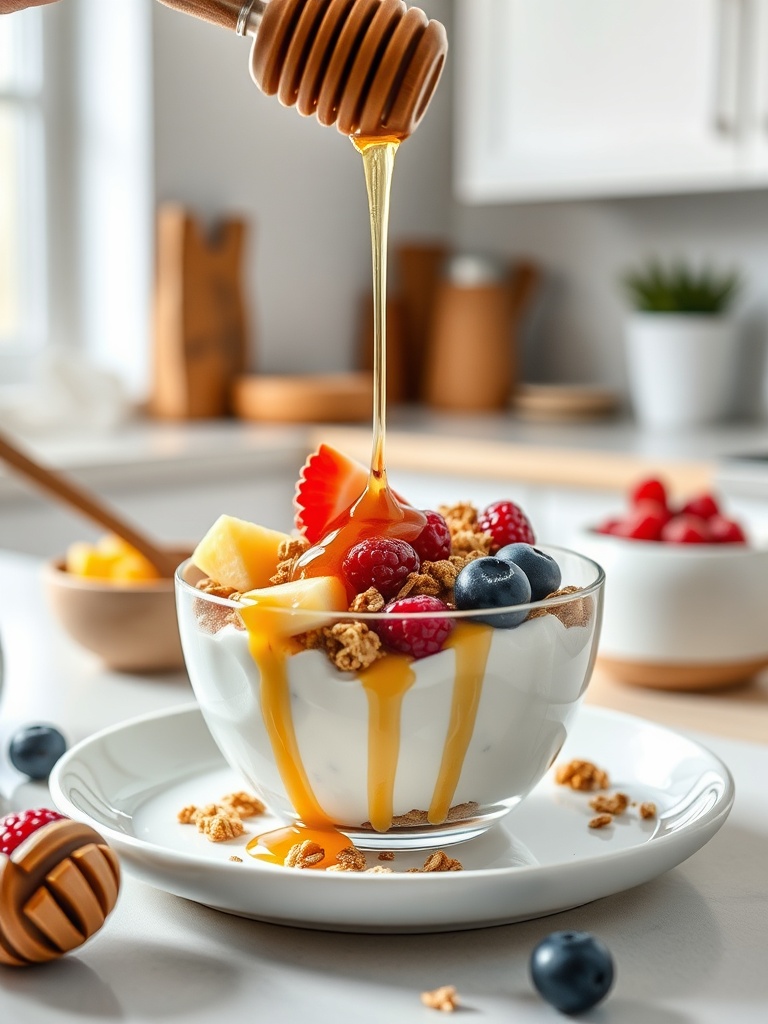
Raw honey contains prebiotic oligosaccharides — primarily isomaltulose, kojibiose, and maltulose — that resist digestion in the small intestine and reach the colon, where they selectively stimulate Bifidobacterium and Lactobacillus species. Wildflower honey offers diverse oligosaccharides from multiple botanical sources, while clover honey provides reliable prebiotic activity. Manuka honey shows particular promise for H. pylori inhibition, and acacia honey offers gentle digestibility for sensitive individuals. In vitro studies (Kajiwara et al., 2002) also show raw honey inhibits Helicobacter pylori growth, though clinical evidence for H. pylori treatment is insufficient to replace antibiotic therapy. Moderation matters here: honey is ~80% sugar, and excess fructose is a FODMAP that worsens bloating and diarrhoea in people with IBS. The raw vs. pasteurized distinction matters here: pasteurization above 40°C degrades the oligosaccharides and denatures part of the prebiotic fraction.
How to Use
- Use wildflower honey for diverse prebiotic oligosaccharides
- Choose acacia honey if you have fructose sensitivity
- Raw, unpasteurized honey retains more of its natural prebiotic content than heavily processed honey
- Honey is high in fructose — people with IBS may want to watch for bloating and adjust intake accordingly
Can You Use Honey for Skin Care?
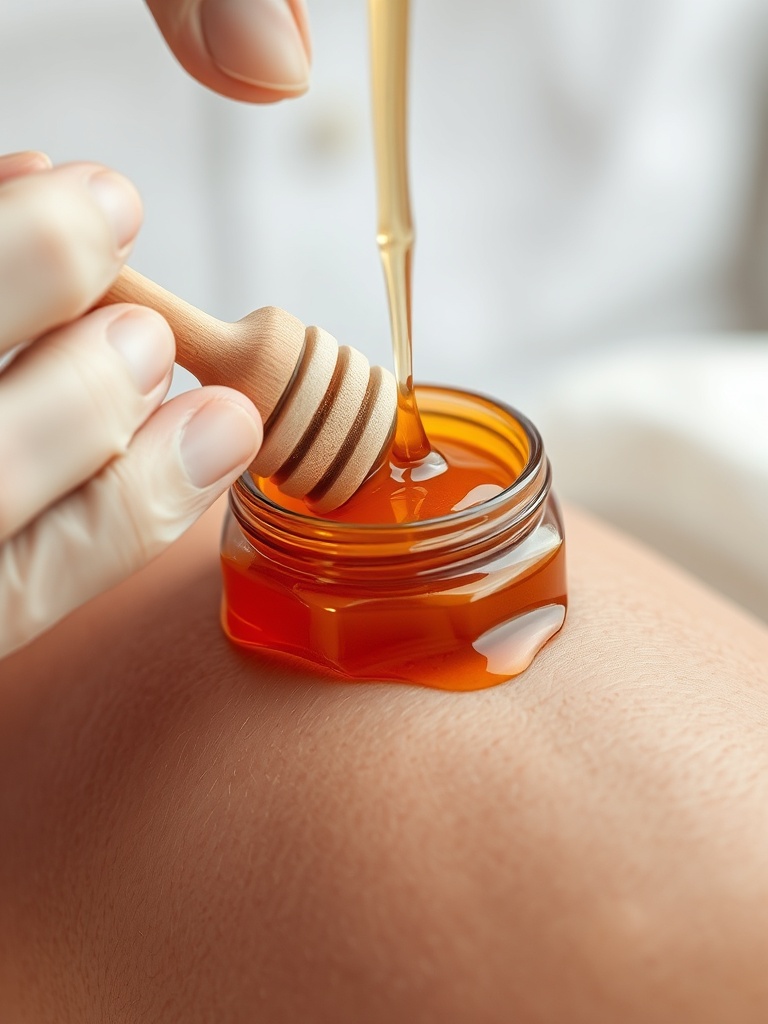
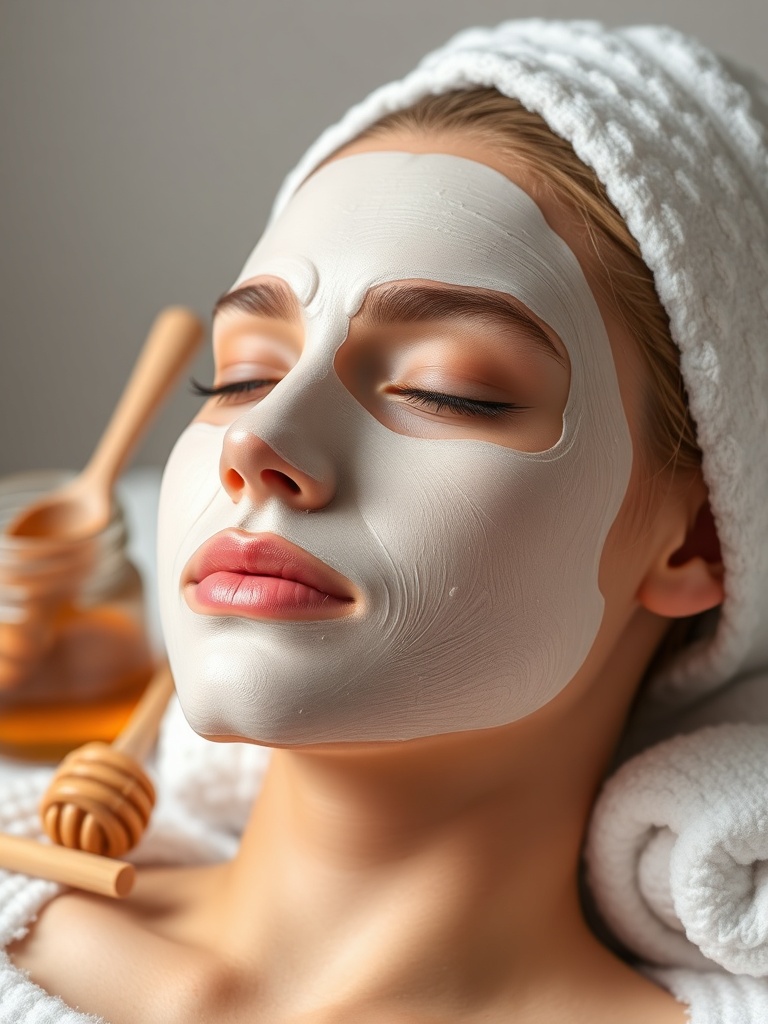
Honey is a natural humectant: it attracts and retains water molecules, temporarily improving surface skin hydration — a property it shares with glycerin and hyaluronic acid. Its low water activity (aw ≈ 0.56) and acidic pH create a hostile surface for Staphylococcus aureus and P. acnes, the bacteria that worsen acne and infected wounds. Manuka honey offers the strongest antimicrobial activity for therapeutic skin applications, while wildflower honey provides diverse beneficial compounds for general skin care. Clover honey and acacia honey offer gentle hydration for sensitive skin types. A 2020 systematic review in the Journal of Wound Care confirmed statistically significant healing benefits for venous leg ulcers and pressure wounds. Cosmetic evidence for acne and eczema is thinner. If using raw honey as a face mask, apply undiluted for 15–20 minutes to dry skin — diluting it activates glucose oxidase, which produces hydrogen peroxide and may cause mild irritation on sensitive skin. Medical-grade Manuka products (Medihoney gel, L-Mesitran) have the strongest clinical backing and are used in hospital wound protocols.
How to Use
- Manuka honey has the strongest clinical evidence for skin and wound-care applications, but wound care should be directed by a healthcare professional
- Try clover or acacia honey for gentle hydration on sensitive skin
- Apply raw honey undiluted as a face mask for 15–20 minutes
- Mix with fine oat bran for a gentle exfoliating scrub
Related Honey Guides
Frequently Asked Questions
What are the main health benefits of honey?
Evidence-backed benefits include: antibacterial wound healing (Cochrane 2015: heals burns 4–5 days faster than conventional dressings), antioxidant protection from flavonoids and phenolic acids (buckwheat honey has up to 20× the ORAC score of clover honey), natural energy with a variable glycemic index (~32–83 by variety, averaging ~60 vs sucrose ~65), digestive prebiotic support from oligosaccharides, sleep and cough relief for children 12 months and older, and skin hydration via humectancy.
Is raw honey better for you than processed honey?
Yes. Pasteurization above 40–45°C degrades glucose oxidase (the enzyme producing antimicrobial H₂O₂), antioxidant flavonoids, and prebiotic oligosaccharides. For healthy adults, raw honey's additional bioactive compounds make it nutritionally superior to filtered, pasteurized versions — with the caveat that botulinum spore risk exists for infants regardless of pasteurization.
How much honey should you eat per day?
1–2 tablespoons (21–42g) per day is the dose used in most digestive and antioxidant research studies. The WHO recommends limiting all free sugars to under 10% of daily calories (~50g for a 2,000-kcal diet), so 2–3 tablespoons is a practical ceiling. People with diabetes should count honey the same as other added sugars, not treat it as a safe alternative.
Is honey safe for everyone?
No. Two firm restrictions: (1) Never give honey to infants under 12 months — Clostridium botulinum spores can germinate in an immature gut, causing infant botulism (~100–150 US cases per year, per CDC). This applies to all honey forms including baked goods. (2) People with fructose malabsorption should use honey cautiously — its high fructose content is a FODMAP trigger for IBS symptoms.
Can honey help with wound healing?
Yes. Medical-grade honey dressings are well-evidenced for wound management — a 2015 Cochrane review of 26 trials found honey dressings healed superficial partial-thickness burns 4–5 days faster than conventional dressings. Manuka honey products (Medihoney, L-Mesitran) are licensed for clinical wound management in the EU and US. Eucalyptus honey and wildflower honey also provide effective antimicrobial activity for home wound care applications.
Does honey help with coughs and sore throats?
Yes, for children 12 months and older. A 2007 RCT in Archives of Pediatrics & Adolescent Medicine (Paul et al.) found two teaspoons of buckwheat honey before bedtime reduced cough frequency and improved sleep quality better than dextromethorphan (DM, the active ingredient in most OTC cough suppressants). Wildflower honey and clover honey also provide effective cough relief and throat soothing. Some pediatric guidance now lists honey as an option ahead of over-the-counter cough medicine for children 12 months and older. For adults, the evidence is supportive but more limited.
Edited by Sam French · Raw Honey Guide Editorial Team
Source reviewed against primary literature and official guidance where available. Health content is educational, not medical advice, and does not replace a licensed clinician.
Get the Honey Buyer's Cheat Sheet (free PDF)
16 varieties on one page — color, flavor, best use and what a fair price looks like — from the 304 honeys we track.
Related Guides
How Much Honey Per Day? Count Added Sugar
No universal serving: use the jar label and count honey with other added or free sugars.
Read GuideHoney for Immunity
How honey supports your immune system — mechanisms, best types, daily practices, and allergy evidence.
Read GuideManuka Honey Benefits
UMF/MGO ratings and proven benefits.
Read GuideRelated Articles
Raw Honey Benefits: 12 Science-Backed Reasons to Make the Switch
12 science-backed raw honey benefits: immune support, wound healing, gut health, better sleep, and more. Daily usage guide.
Read ArticleHoney for Brain Health and Memory: What the Research Shows
Can honey boost brain function and memory? Review the science on neuroprotection, BDNF, and cognitive health benefits.
Read ArticleHoney for Immune System: How It Strengthens Your Defenses
How honey supports immunity: antimicrobial action, cytokine modulation, gut health, and prebiotic effects. Science review.
Read ArticleHoney for Kidney Health: What Science Actually Shows
Can honey support kidney health? Evidence on antioxidant protection, inflammation, and safe use with kidney conditions.
Read ArticleReady to experience these benefits?
Browse Raw Honey