Does Honey Expire? Shelf Life, Crystals & Storage
Understand what age and crystals can tell you about a jar, where fermentation fits in, and which storage advice applies to plain honey. Start with the honey freshness toolkit and the storage preservation guide.
Last updated:
Properly stored plain honey can keep well for a long time, but that does not make every old jar safe. Crystallization is a normal texture change. Added moisture can allow fermentation, and mixed or infused products need their own storage instructions. Never give honey to a child younger than 12 months.
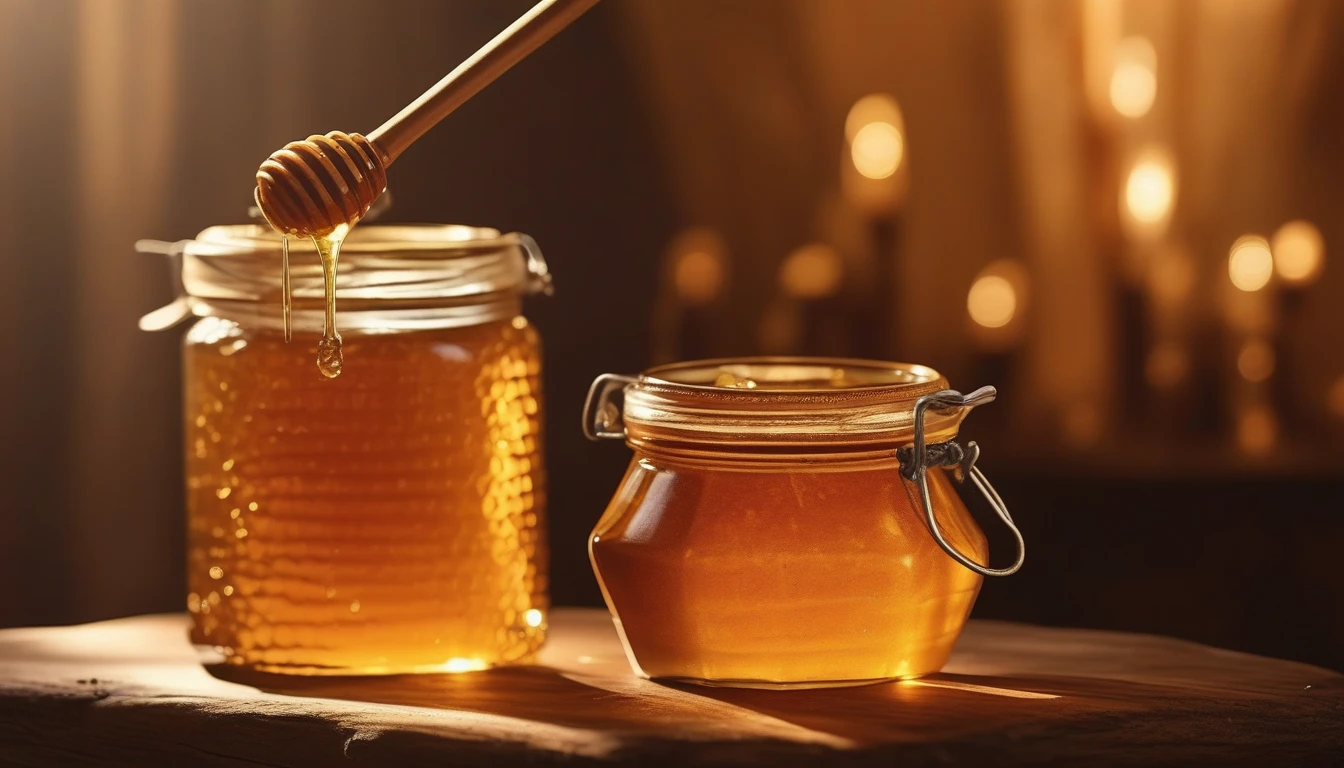
Three Checks Before Using an Old Jar
Check ingredients and the maker's storage instructions.
Consider added water, food scraps and how the jar was handled.
Never give honey to a child younger than 12 months.
Does Honey Expire or Just Change?
Start with the jar you actually have: is the ingredient list just honey, and do you know how it has been handled? Keep the label so the maker's date and storage instructions stay with it. Age alone cannot certify a particular jar as safe.
Use the honey freshness toolkit to organize your questions, then check the honey label guide for help identifying the product. Neither a date nor an online tool replaces information about the jar's condition.
Why Long Shelf Life Does Not Mean Sterile
Honey has little water available for microbial growth. In its 2015 food-risk assessment, page 31, the FDA explains that honey's water activity prevents pathogenic spore-forming bacteria from growing and producing botulinum toxin, while spores may still be present.
Preventing growth is different from removing every microorganism. This distinction does not establish that a contaminated jar, a diluted mixture or a product with added ingredients is safe. It also does not make kitchen honey a treatment for illness.
Is Crystallized Honey Spoiled?
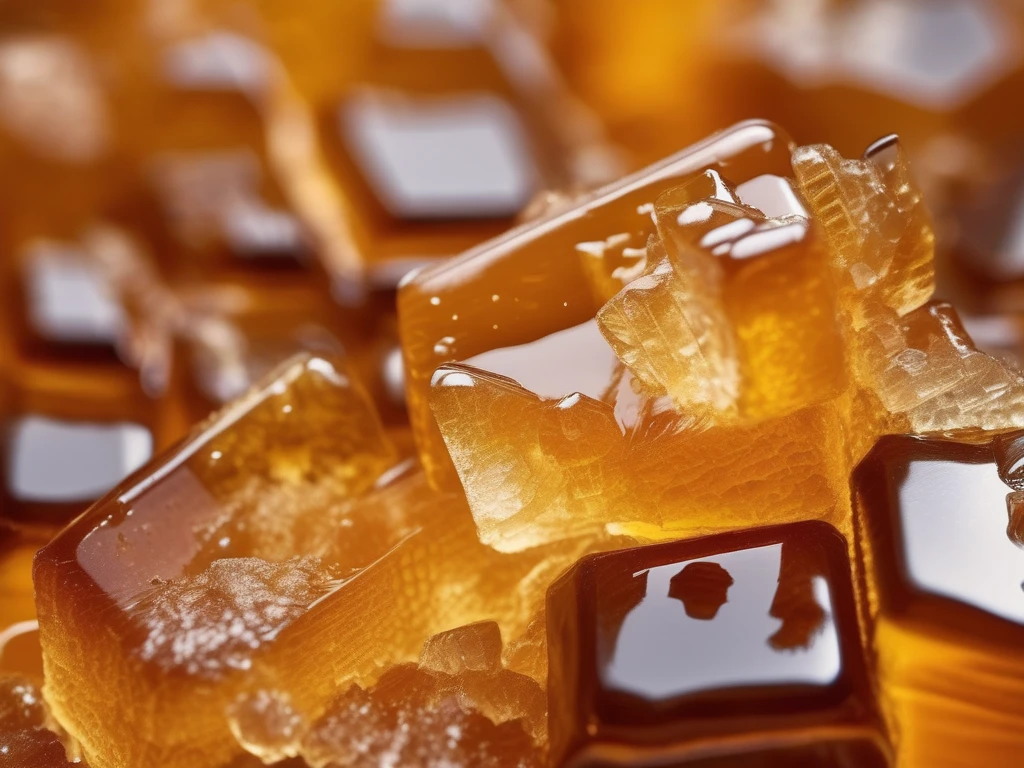
Crystallization is a normal physical change: glucose comes out of solution as crystals. The National Honey Board's reference guide describes this process. Crystals alone do not diagnose spoilage, prove authenticity or certify a jar's safety.
A thicker texture may suit spreading on toast; a liquid texture may be easier to drizzle. If you want to change the texture, see our step-by-step decrystallization guide and follow the maker's instructions for the container. Warming is a texture adjustment, not a way to rescue questionable honey.
For background on differences among honeys, see the honey crystallization timeline by variety. Do not use a variety name or the presence or absence of crystals as a home safety test.
When Plain-Honey Advice Stops Applying
The National Honey Board identifies sugar-tolerant yeasts as a cause of fermentation and explains that extraction and storage conditions matter. Added moisture changes the conditions in the jar. A single moisture percentage is not a universal home safety clearance.
If the smell or appearance has changed unexpectedly, stop and check with the maker before using it. If you cannot resolve a concern about contamination or handling, discard the questionable jar. Do not taste it to decide whether it is safe.
Keep plain honey separate from honey diluted into a drink, stirred into a sauce or sold with added fruit, herbs or other ingredients. For mixed or infused products, follow the maker's or recipe's storage instructions. Do not extend a plain-honey shelf-life claim to those foods.
How to Store Plain Honey and Protect Infants
The National Honey Board recommends a sealed container at room temperature. Cooler storage can hasten crystallization; prolonged heat can change color and flavor. Choose a cupboard away from a hot stove or sunny window, use a clean, dry utensil and close the lid after serving.
Keep water and food scraps out of the main jar. Spoon the amount you need into a separate dish rather than returning leftovers to the container. For a fuller checklist, use our complete honey storage and preservation guide.
Do not give honey to a child younger than 12 months. The CDC's infant-feeding guidance warns about infant botulism and includes honey added to food, water or infant formula, or placed on a pacifier. An old jar's appearance, a new jar's label or a texture change does not remove that restriction.
Frequently Asked Questions
Does honey expire?
Properly stored plain honey can keep well for a long time. That is not a guarantee for every jar: follow its label and consider its handling history, added ingredients and condition.
Is crystallized honey still good?
Crystallization is a normal texture change, not proof of spoilage. It also does not prove purity or safety. Consider the rest of the jar’s condition and storage history.
How can you tell if honey has gone bad?
Moisture and storage conditions can allow yeast fermentation. An unexpected change in smell or appearance deserves caution. Ask the maker about a questionable jar; do not taste it to test safety.
Should you refrigerate honey?
For plain honey, the National Honey Board recommends sealed storage at room temperature. Cooler storage can speed crystallization. Mixed or infused products may have different instructions: follow their label.
Can you give honey to babies?
No. Do not give honey to children younger than 12 months, including in food, water or infant formula, or on a pacifier. The CDC warns that honey can cause infant botulism.
How do I handle crystallized honey?
Decide whether you need a liquid texture before warming it. Follow the maker’s instructions and use a method suitable for the container. Warming does not make a questionable jar safe.
Does this storage advice cover infused or diluted honey?
No. Honey mixed with water, fruit, herbs or other ingredients is a different product. Follow the maker’s or recipe’s storage instructions rather than assuming plain-honey guidance applies.
Edited by Sam French · Raw Honey Guide Editorial Team
Source reviewed against primary literature and official guidance where available. Health content is educational, not medical advice, and does not replace a licensed clinician.
Get the Honey Buyer's Cheat Sheet (free PDF)
16 varieties on one page — color, flavor, best use and what a fair price looks like — from the 304 honeys we track.
Related Guides
Storage & Preservation
Store honey for maximum freshness.
Read GuideQuality & Grading
Identify quality honey and spot fakes.
Read GuideHoney Nutrition Facts
USDA reference values and label-reading context.
Read GuideRelated Articles
Does Honey Expire? The Truth About Honey's Shelf Life
Does honey expire? The science of honey preservation, 3 real spoilage risks, storage best practices, and crystallization myths.
Read ArticleHow to Store Honey: The Complete Guide to Proper Honey Storage
How to store honey properly — best containers, ideal temperature, crystallization fixes, and tips to preserve nutrients.
Read ArticleIs Heated Honey Toxic? What Science Says About Honey and Heat
Is heated honey toxic? The science on HMF formation, enzyme loss, Ayurvedic claims, and safe cooking temperatures.
Read ArticleFind the freshest local honey