Honey for Acne
Raw honey has natural antibacterial and anti-inflammatory properties that make it a promising complementary treatment for acne. Learn which types work best, how to make effective face masks, and what science says about honey for acne scars.
Last updated:
Raw honey fights acne through natural antibacterial action against C. acnes bacteria, anti-inflammatory properties that reduce redness, and humectant moisture without clogging pores. Manuka honey (UMF 10+) is most effective. Many people use it as a face mask a few times a week, adjusting based on how their skin responds. Always patch test first. Honey is a complementary treatment, not a replacement for dermatological care for moderate-to-severe acne.
How Honey Fights Acne
Honey combats acne through multiple scientifically documented mechanisms. Its natural antibacterial properties, primarily from hydrogen peroxide production by the enzyme glucose oxidase, target Cutibacterium acnes (formerly Propionibacterium acnes), the primary bacterium responsible for inflammatory acne. A 2012 study in the European Journal of Medical Research demonstrated that honey inhibited the growth of C. acnes more effectively than several synthetic antibacterial agents tested alongside it. Beyond antibacterial action, honey's osmotic effect draws moisture from bacterial cells, creating an inhospitable environment for microbial growth. Honey is also naturally anti-inflammatory — it reduces the production of pro-inflammatory cytokines and prostaglandins, helping to calm the redness and swelling that characterize inflamed acne lesions. Its acidic pH (typically 3.2 to 4.5) supports the skin's natural acid mantle, which plays a crucial role in skin barrier function and pathogen defense. Raw honey contains antioxidants including flavonoids and phenolic acids that protect skin cells from oxidative damage, which can worsen acne and contribute to post-inflammatory hyperpigmentation. Perhaps most importantly for acne sufferers, honey is a natural humectant that moisturizes without clogging pores, making it suitable for the often dehydrated yet oily skin that characterizes acne-prone complexions.
Key Takeaways
- Natural hydrogen peroxide production targets acne-causing C. acnes bacteria
- Osmotic effect draws moisture from bacteria, inhibiting their growth
- Anti-inflammatory properties reduce redness and swelling of active breakouts
- Acidic pH (3.2-4.5) supports the skin's protective acid mantle
- Antioxidants protect against oxidative damage and post-inflammatory pigmentation
- Natural humectant that moisturizes without clogging pores
Best Honey Types for Skin
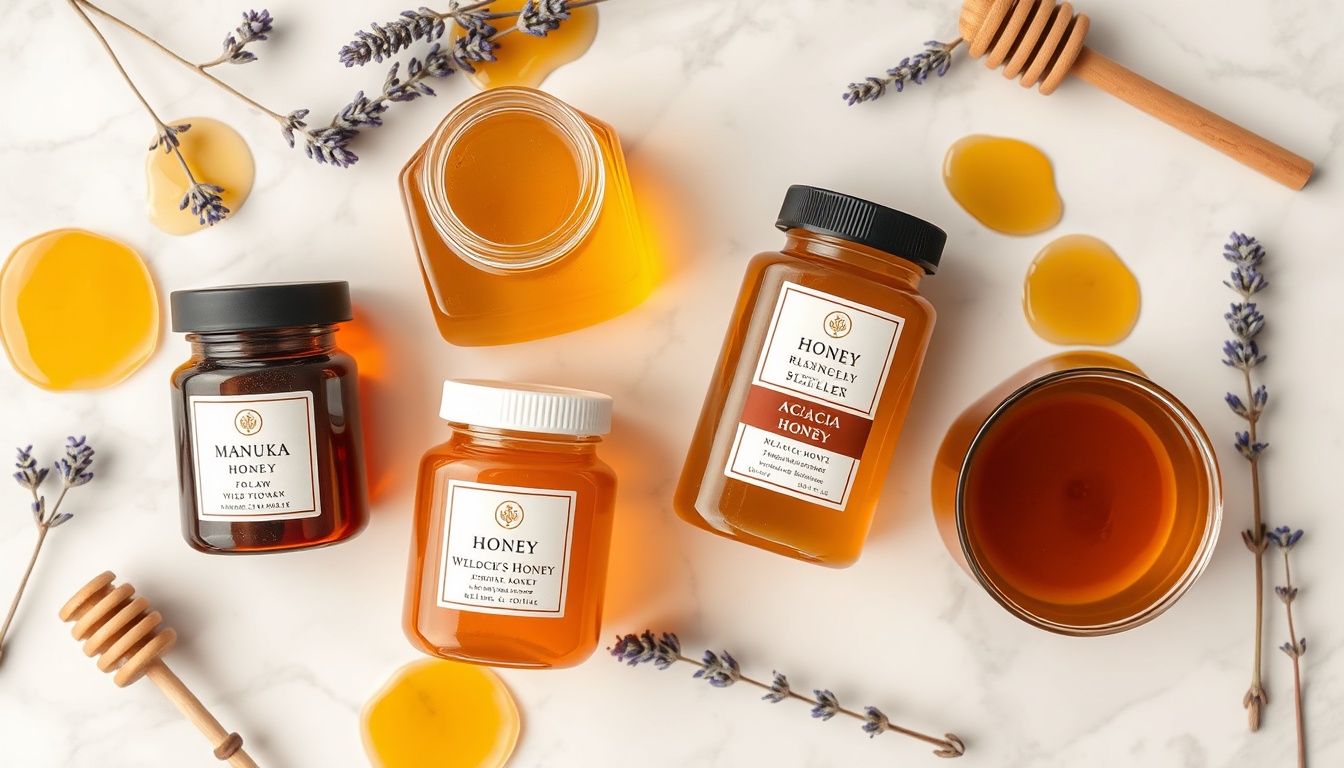
Manuka honey is widely considered the gold standard for skin care and acne treatment. Its unique compound, methylglyoxal (MGO), provides antibacterial activity that persists even when hydrogen peroxide is neutralized by enzymes in the skin. For acne applications, look for Manuka honey rated UMF 10+ or MGO 263+ to ensure therapeutic-grade potency. Clinical studies have shown Manuka honey's effectiveness against antibiotic-resistant strains of bacteria, making it particularly relevant as antibiotic resistance in acne treatment becomes an increasing concern. Raw wildflower honey is a more affordable alternative that still provides good antibacterial and anti-inflammatory benefits. Its diverse pollen content means a broader spectrum of antioxidants and bioactive compounds from multiple floral sources. Raw acacia honey is lighter and less likely to cause irritation on very sensitive skin, though it has somewhat lower antibacterial potency than darker honeys. Buckwheat honey, while having the highest antioxidant content among common honeys (up to 9× higher ORAC values than clover honey), has a very strong flavor and dark color that some people find less pleasant for facial application. Clover honey offers reliable mild antibacterial activity with gentle characteristics suitable for daily skincare routines. The essential requirement across all types is that the honey must be raw and unfiltered — pasteurized commercial honey has been stripped of the enzymes, antioxidants, and antimicrobial compounds that make it effective for skincare.
Key Takeaways
- Manuka honey (UMF 10+): gold standard, unique MGO provides persistent antibacterial action
- Effective against antibiotic-resistant bacteria — relevant as acne antibiotic resistance grows
- Raw wildflower honey: affordable alternative with diverse antioxidant profile from multiple floral sources
- Raw acacia honey: gentler on very sensitive skin, lower irritation risk
- Buckwheat honey: highest antioxidant content (up to 9× higher than clover honey) but strong flavor
- Clover honey: reliable mild antibacterial activity with gentle daily-use characteristics
- Must be raw and unfiltered — pasteurized honey lacks therapeutic compounds
DIY Honey Face Masks
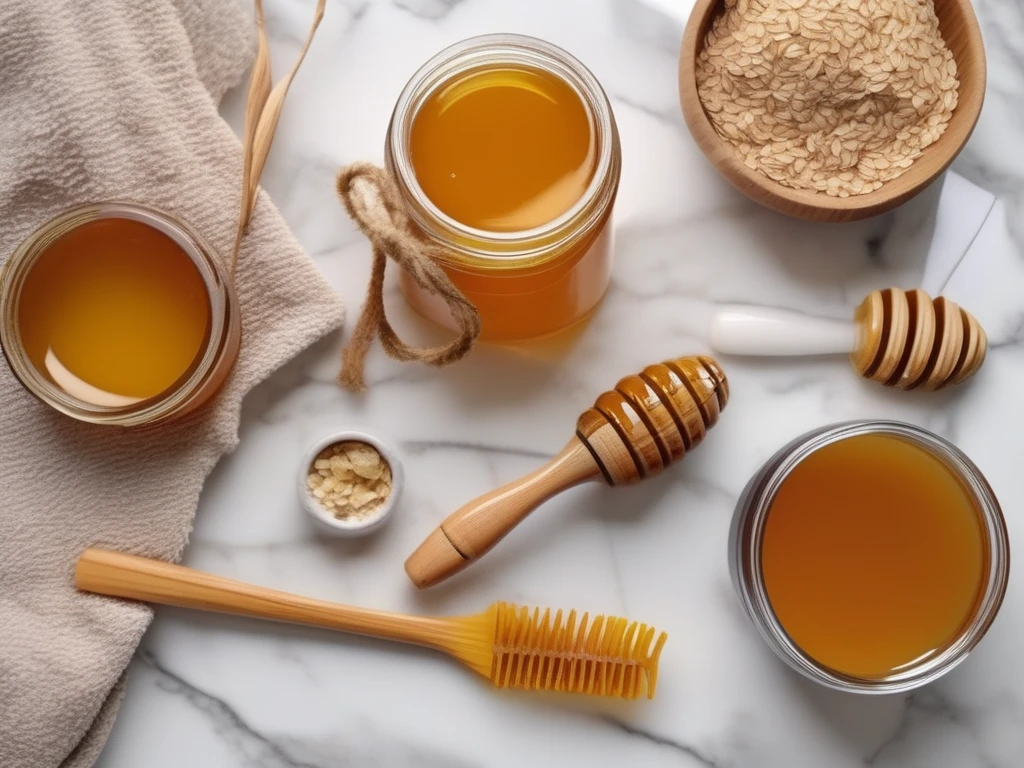
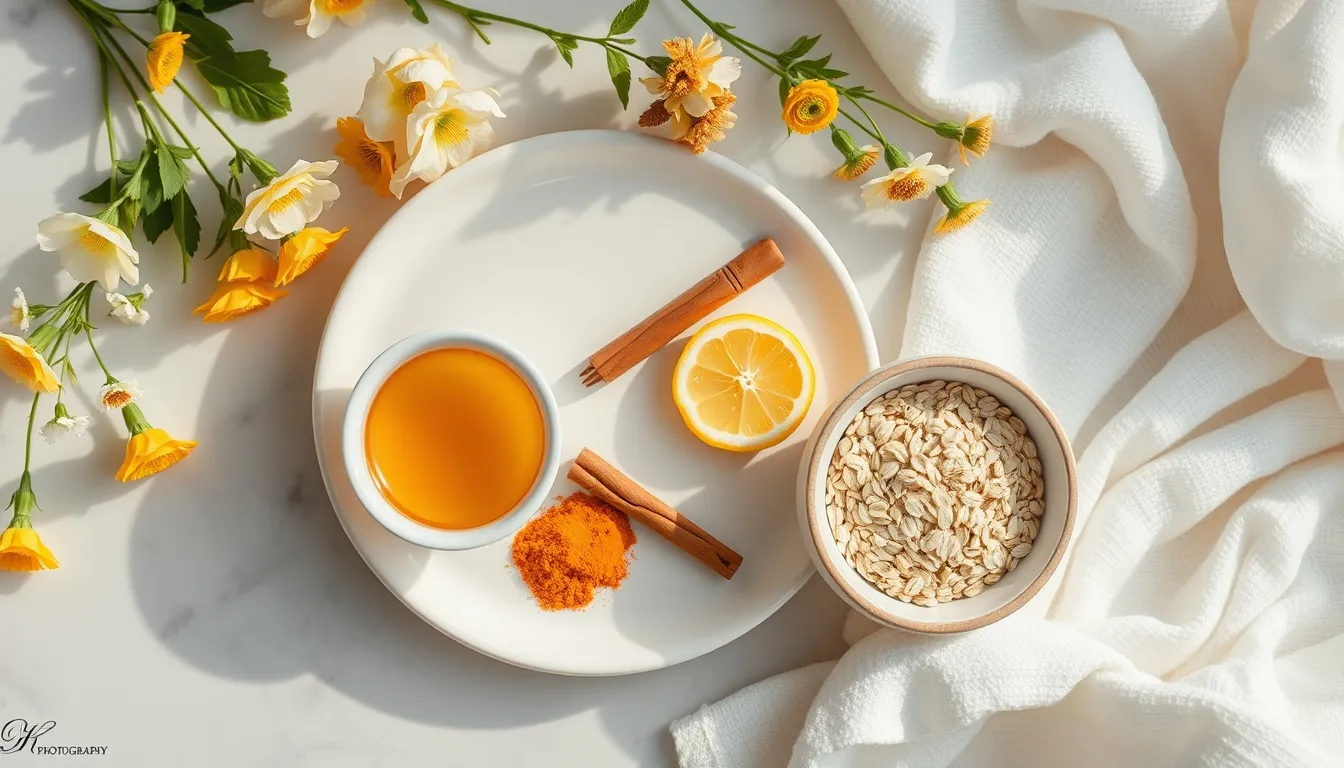
The simplest and most effective honey mask for acne is pure raw honey applied directly to clean, damp skin. Apply a thin, even layer, leave for 15 to 20 minutes, then rinse with warm water. For enhanced acne-fighting power, mix two tablespoons of raw honey with half a teaspoon of cinnamon — cinnamon adds cinnamaldehyde, which has its own antimicrobial properties. However, always patch test this combination on your inner arm first, as cinnamon can cause irritation or contact dermatitis in sensitive individuals. A honey-turmeric mask (two tablespoons honey plus one teaspoon turmeric powder) provides potent anti-inflammatory benefits from curcumin, though turmeric can temporarily stain light skin yellow. For oily, acne-prone skin, combine one tablespoon of honey with one teaspoon of fresh lemon juice for mild astringent and brightening effects — but avoid this if you have open lesions or plan to go in the sun, as lemon juice can cause photosensitivity. Honey and oatmeal (two tablespoons honey plus one tablespoon finely ground oats) creates a gentle exfoliating mask that removes dead skin cells without harsh scrubbing. Apply any mask to clean skin, avoid the eye area, and rinse after 15 to 20 minutes.
Key Takeaways
- Pure honey mask: apply to damp skin, leave 15-20 minutes, rinse with warm water
- Honey-cinnamon: 2 tbsp honey + 1/2 tsp cinnamon (always patch test first)
- Honey-turmeric: 2 tbsp honey + 1 tsp turmeric for anti-inflammatory benefits
- Honey-lemon: 1 tbsp honey + 1 tsp lemon juice for oily skin (avoid open lesions and sun)
- Honey-oatmeal: gentle exfoliation without harsh scrubbing
- Apply to clean skin, avoiding the eye area
Honey for Acne Scars
Honey shows promise for improving acne scars, though expectations should be realistic. Its primary benefit for scarring comes from promoting cellular regeneration and reducing inflammation during the healing process. A 2013 review in the journal Wounds found that honey accelerated wound healing by promoting tissue regeneration, reducing edema, and minimizing scar formation when applied during the acute healing phase. For post-inflammatory hyperpigmentation (the dark marks left after acne heals), honey's antioxidants help reduce melanin overproduction, and its gentle acidic pH provides mild exfoliation that encourages skin cell turnover. Raw honey combined with a few drops of rosehip seed oil can enhance the scar-fading effect, as rosehip oil contains retinoids and essential fatty acids that support skin repair. For raised or keloid scars, honey alone is unlikely to produce dramatic results — these types of scarring typically require professional dermatological treatments like laser therapy, microneedling, or chemical peels. However, honey can be a helpful complementary treatment used alongside professional care. Any improvement in post-acne marks would be gradual, building over consistent use across months rather than weeks. Honey works best for flat, discolored scars rather than deeply pitted or raised scars.
Key Takeaways
- Promotes cellular regeneration and reduces inflammation during healing
- Helps reduce post-inflammatory hyperpigmentation through antioxidant action
- Mild acidic pH provides gentle exfoliation, encouraging cell turnover
- Honey plus rosehip oil can enhance scar-fading effects
- Not effective alone for deep pitted or raised keloid scars — see a dermatologist
- Any improvement builds gradually with consistent use over months, not weeks
Considerations and Limitations
Honey is a complementary treatment for acne, not a replacement for proven dermatological care. For moderate to severe acne involving deep cysts, widespread inflammation, or scarring, consult a dermatologist — prescription treatments like retinoids, benzoyl peroxide, or antibiotics may be necessary. Honey works best for mild acne and as a supportive treatment alongside conventional care. Always patch test any honey preparation on a small area of skin before full facial application, waiting 24 hours to check for adverse reactions. While rare, some people may experience allergic reactions to honey, especially those with bee or pollen allergies. Cinnamon, lemon juice, and turmeric additions all carry their own irritation risks and should be introduced one at a time. Be aware that honey is sticky and can be messy to apply — have towels and hair bands ready. For honey to be effective, it must make direct contact with the skin, so always apply to clean skin free of other products. Do not apply honey to actively infected, open, or weeping acne cysts — in these cases, see a healthcare provider. Results vary significantly between individuals, and honey may work better for some skin types than others. Any effect builds gradually with consistent use, not overnight — and if acne is moderate to severe or not improving, see a dermatologist rather than extending a self-treatment timeline.
Key Takeaways
- Complementary treatment — not a replacement for dermatological care for moderate/severe acne
- Always patch test on a small area and wait 24 hours before full facial application
- Rare allergic reactions possible — use caution with bee or pollen allergies
- Apply only to clean skin free of other products for maximum effectiveness
- Do not apply to actively infected, open, or weeping cysts
- Any effect builds gradually with consistent use — see a dermatologist if acne is moderate to severe
Frequently Asked Questions
Does honey help with acne?
Yes, honey has scientifically documented antibacterial, anti-inflammatory, and antioxidant properties that target acne-causing bacteria, reduce redness and swelling, and moisturize skin without clogging pores. Raw wildflower honey and Manuka honey show the strongest evidence for acne treatment.
What type of honey is best for acne?
Manuka honey rated UMF 10+ or MGO 263+ is considered the gold standard due to its unique methylglyoxal compound providing persistent antibacterial action. Raw wildflower honey is an effective and more affordable alternative with diverse antioxidant compounds, while acacia honey works well for sensitive skin.
How do you make a honey face mask for acne?
Apply a thin layer of pure raw honey (wildflower honey or Manuka honey work best) to clean, damp skin, leave it on for 15 to 20 minutes, then rinse with warm water. For extra antibacterial power, mix two tablespoons of honey with half a teaspoon of cinnamon.
Can I use clover honey for acne?
Yes, clover honey provides reliable mild antibacterial activity and gentle characteristics suitable for daily skincare routines. While it has lower antioxidant levels than buckwheat honey or wildflower honey, its mild nature makes it ideal for sensitive skin and regular use.
How often should you use honey on your face?
There is no universally required frequency — many people start with once or twice a week and adjust based on how their skin responds, staying consistent over time to judge results. Start with milder varieties like acacia honey or clover honey if you have sensitive skin. If acne is moderate to severe, see a dermatologist for a treatment plan.
Edited by Sam French · Raw Honey Guide Editorial Team
Source reviewed against primary literature and official guidance where available. Health content is educational, not medical advice, and does not replace a licensed clinician.
Get the Honey Buyer's Cheat Sheet (free PDF)
16 varieties on one page — color, flavor, best use and what a fair price looks like — from the 304 honeys we track.
Related Guides
Honey for Skin
Evidence-based skin benefits, best types, and how to use honey for skincare.
Read GuideHoney Face Mask
6 DIY recipes for every skin type.
Read GuideManuka Honey Benefits
UMF/MGO ratings and proven benefits.
Read GuideRelated Articles
Honey for Acne: Does It Really Work? What Dermatology Research Shows
Can honey clear acne? Clinical evidence on antibacterial, anti-inflammatory, and wound-healing effects for acne-prone skin.
Read ArticleHoney and Cinnamon for Face: 5 DIY Masks for Clearer Skin
How to make honey and cinnamon face masks for acne and glow. 5 dermatologist-informed DIY recipes with the science behind them.
Read ArticleHoney for Skin: 12 Science-Backed Benefits and How to Use It
12 evidence-based honey benefits for skin — moisturizing, anti-aging, acne, eczema, and wound healing. Best types included.
Read ArticleHoney for Ringworm: Can It Help Fungal Skin Infections?
Can honey treat ringworm? Antifungal evidence for manuka and raw honey — mechanisms, application, and when to see a doctor.
Read ArticleReady to try honey for your skin?
Browse Raw Honey for Skincare