Honey on the Paleo Diet
Honey is one of the most ancient foods in the human diet and one of the few sweeteners embraced by the paleo community. Learn why it earns its place, which types to choose, and how to use it wisely in your paleo lifestyle.
Last updated:
Yes, honey is paleo-approved and one of the only accepted sweeteners. Raw, unfiltered honey from identifiable floral sources is best. Most paleo experts recommend using it moderately as a condiment or finishing touch rather than tracking a specific daily amount.
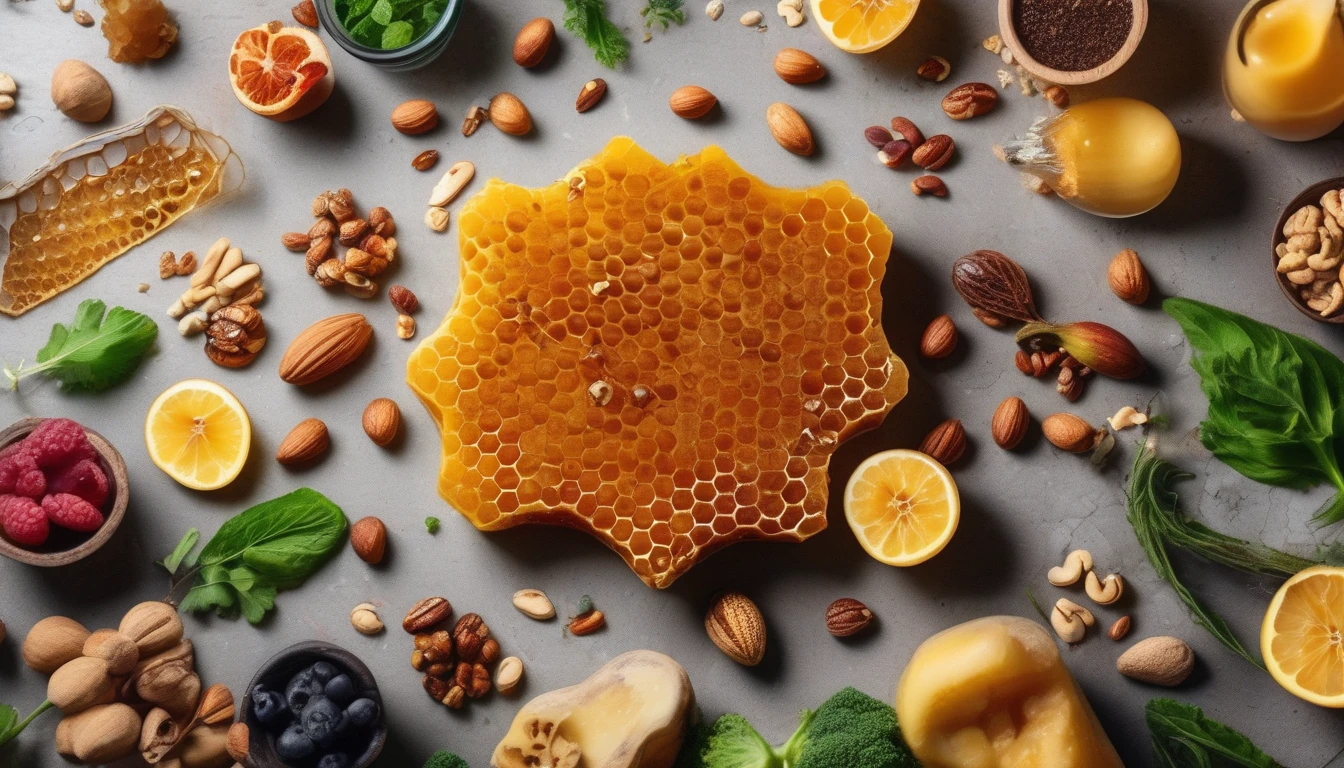
Honey's Paleo Credentials
Confirmed by cave art evidence
From wild honey foraging
Edible straight from the comb
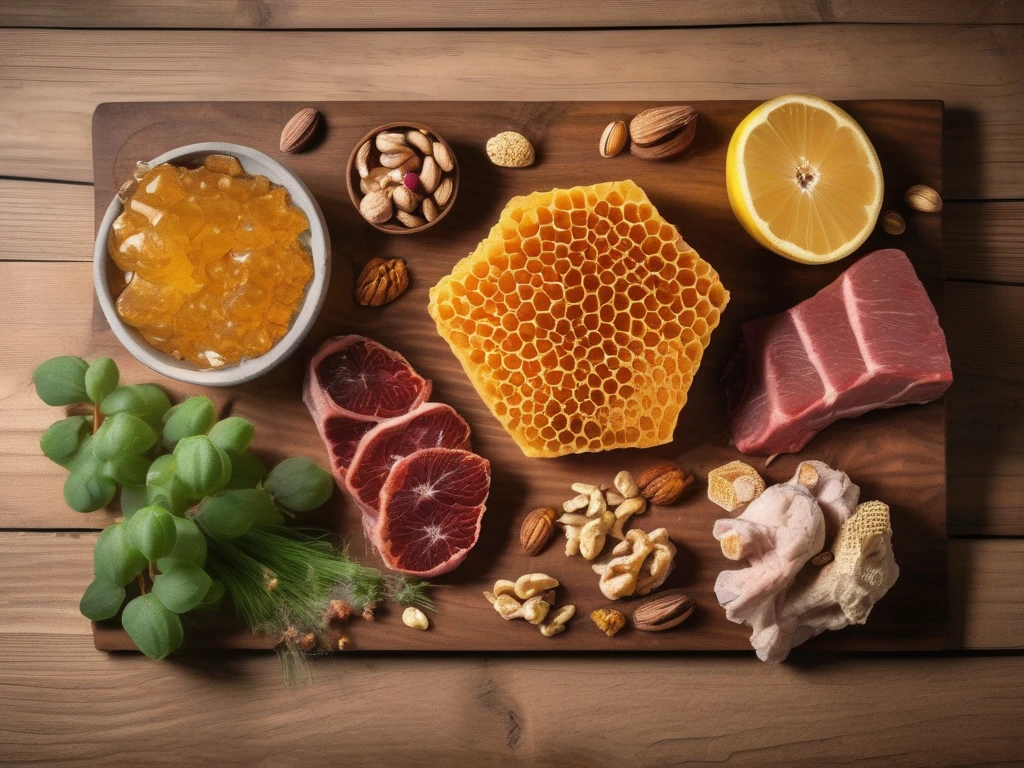
Why Is Honey Paleo-Approved?
Honey holds a unique and privileged position in the paleo diet — it is one of the only sweeteners considered fully acceptable by virtually all paleo authorities. The reasoning is rooted in the diet's core philosophy: if our Paleolithic ancestors ate it, it belongs in a paleo diet. Archaeological and anthropological evidence overwhelmingly confirms that honey has been a part of the human diet for at least 8,000 years, and likely much longer. Rock art from the Mesolithic period in Spain's Arana Caves depicts a human figure climbing a cliff to collect honey from a wild bee nest, and similar evidence has been found in Africa, India, and Australia. The Hadza people of Tanzania, one of the last remaining hunter-gatherer societies on Earth, obtain 15 to 20% of their total caloric intake from wild honey, and they rank it as their most preferred food. Studies of other foraging populations, including the !Kung San of the Kalahari and various indigenous Australian groups, show similar patterns of honey consumption. Unlike refined sugar, high-fructose corn syrup, agave nectar, or artificial sweeteners — all of which are products of modern agricultural or industrial processes — honey exists in nature exactly as bees produce it. Raw honey requires no human processing whatsoever; it can be consumed directly from the comb. This makes honey fundamentally different from every other caloric sweetener. Even maple syrup, which some paleo followers also accept, requires boiling and concentration. Honey is the only sweetener that is both caloric and truly unprocessed, which is exactly what the paleo framework values.
Key Takeaways
- Honey is one of the only sweeteners fully accepted by virtually all paleo authorities
- Archaeological evidence confirms human honey consumption for at least 8,000 years
- The Hadza of Tanzania get 15-20% of their calories from wild honey — their most preferred food
- Raw honey requires zero processing — it can be eaten directly from the comb
- Unlike refined sugar or agave, honey exists in nature exactly as bees produce it
- Honey is the only caloric sweetener that is both natural and truly unprocessed
What Are the Best Honey Types for Paleo?
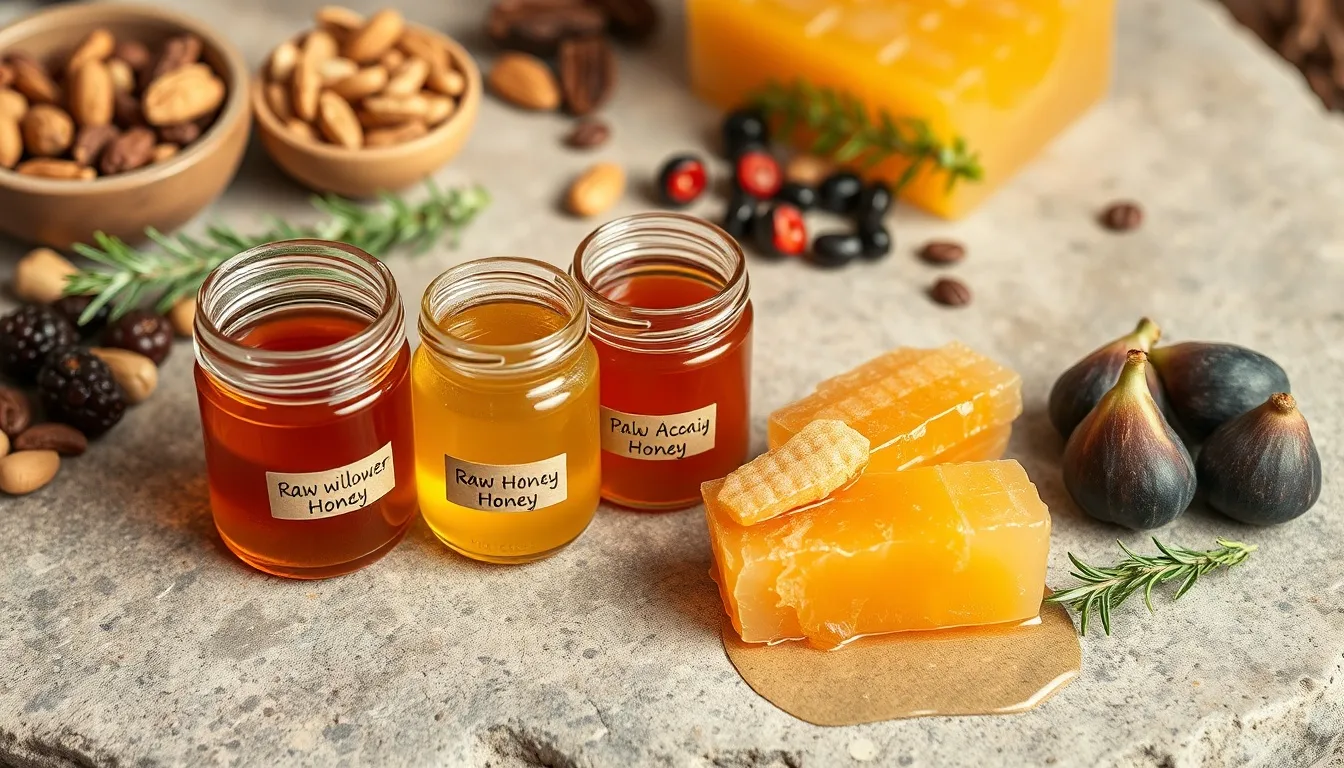
Within the paleo framework, the quality of your food matters as much as the category. Not all honey is equally appropriate for a paleo diet. Raw, unfiltered honey is the gold standard — this is honey that has been extracted from the comb and strained to remove large wax particles but has not been heated, pasteurized, or ultra-filtered. It retains all of its natural enzymes (including diastase, invertase, and glucose oxidase), pollen grains, propolis traces, and beneficial compounds that are destroyed or removed by commercial processing. Raw honey may appear cloudy or crystallized, both of which are signs of an unprocessed product. The best paleo honeys come from identifiable, single-origin floral sources. Wildflower honey from a local beekeeper is an excellent everyday choice — it contains diverse pollen from multiple plant species and supports local pollinator populations. Manuka honey from New Zealand is prized for its exceptional antibacterial properties and high methylglyoxal (MGO) content. Buckwheat honey, with its dark color and robust flavor, contains some of the highest antioxidant levels of any honey variety. Other excellent paleo choices include acacia honey (mild flavor, slow to crystallize), sourwood honey (a prized Appalachian variety with butterscotch notes), and tupelo honey (rare, from the southeastern U.S., naturally resistant to crystallization). Avoid any honey labeled "honey blend," "honey product," or "honey sauce," as these often contain added corn syrup, sugar, or other non-paleo ingredients. Commercial mass-market honey that has been ultra-filtered to the point of crystal clarity has been stripped of pollen and many beneficial compounds, making it nutritionally closer to sugar than to real honey.
Key Takeaways
- Raw, unfiltered honey is the gold standard for paleo — retains all enzymes and pollen
- Wildflower honey from local beekeepers: diverse pollen, supports local ecosystems
- Manuka honey: exceptional antibacterial properties, high MGO content
- Buckwheat honey: highest antioxidant levels among common honey varieties
- Avoid anything labeled "honey blend" or "honey product" — may contain corn syrup
- Ultra-filtered commercial honey has been stripped of pollen and beneficial compounds
How Should You Use Honey on Paleo?
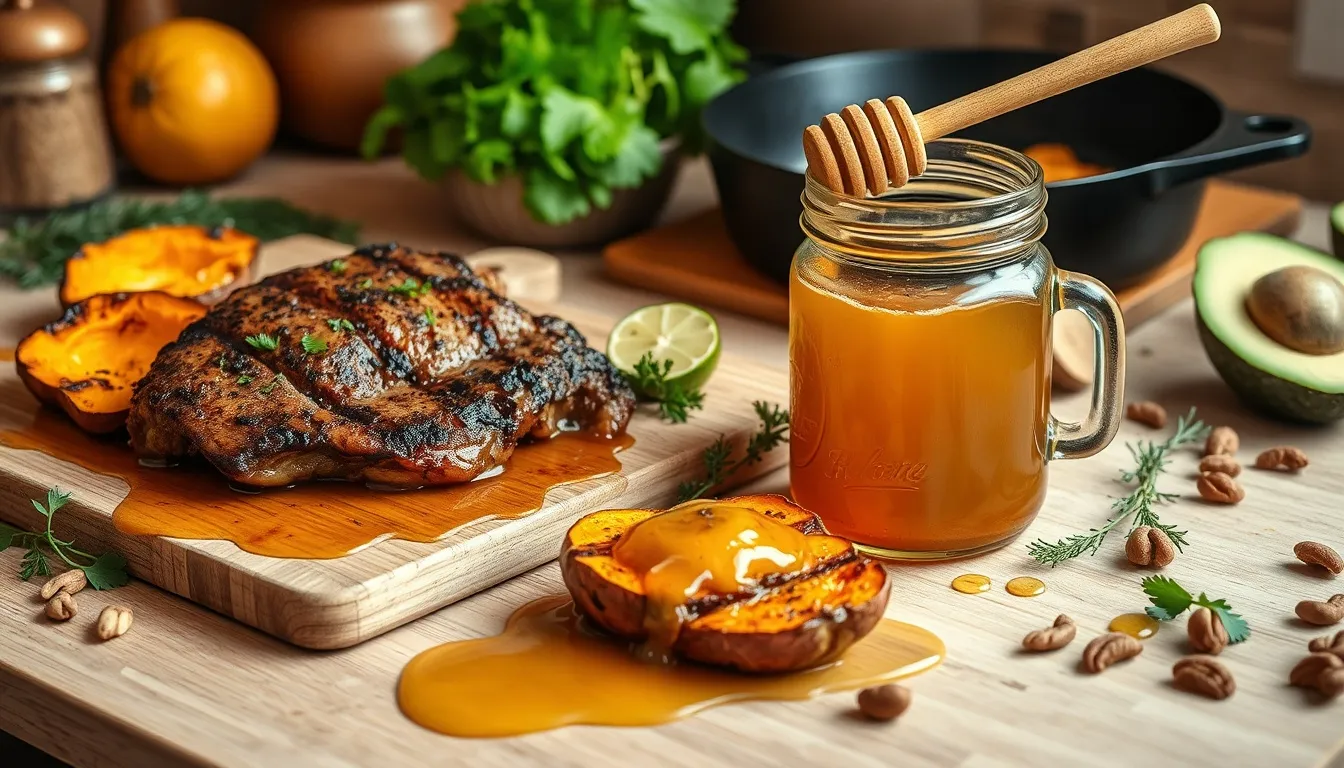
The paleo philosophy embraces honey as a natural food but encourages intentional, moderate use rather than treating it as a license for unlimited sweetness. Think of honey the way our ancestors likely consumed it: as an occasional, valued food rather than a daily staple. In traditional hunter-gatherer societies, honey was seasonal and required significant effort to obtain — you had to find a wild hive, often climb to reach it, and deal with defensive bees. The effort-to-reward ratio naturally limited consumption. In your modern paleo kitchen, honey works beautifully as a finishing drizzle — a teaspoon over roasted vegetables, grilled meats, or fresh fruit adds depth without overwhelming natural flavors. It excels in paleo-friendly salad dressings (combine with olive oil, apple cider vinegar, and Dijon mustard), marinades (honey, coconut aminos, garlic, and ginger creates an excellent Asian-inspired glaze), and homemade paleo condiments like honey mustard or honey-sweetened ketchup. For paleo baking, honey is the most common sweetener used in grain-free recipes alongside almond flour and coconut flour. Because honey is sweeter than sugar by volume, most paleo recipes call for less honey than you would expect. A good starting ratio is three-quarters cup honey per cup of sugar, reducing other liquids by a quarter cup. Honey also provides moisture that helps compensate for the dryness that grain-free flours can create. For beverages, dissolve a teaspoon of raw honey in warm (not hot) herbal tea — the warmth helps the honey dissolve without destroying beneficial enzymes. Honey is also traditional in paleo-friendly drinks like switchel (honey, apple cider vinegar, ginger, and water), which was a common energy drink for colonial-era farmers.
Key Takeaways
- Use honey intentionally and moderately — as a valued food, not an unlimited sweetener
- Finishing drizzle: a teaspoon over roasted vegetables, grilled meats, or fruit
- Salad dressings: combine with olive oil, apple cider vinegar, and mustard
- Marinades: honey + coconut aminos + garlic + ginger for Asian-inspired glazes
- Paleo baking: use 3/4 cup honey per 1 cup sugar, reduce liquids by 1/4 cup
- Warm beverages: dissolve in warm (not hot) tea to preserve beneficial enzymes
Paleo Honey Guidelines and Portion Awareness
While honey is paleo-approved, the original paleo community leaders have always emphasized that approval does not mean unlimited consumption. Dr. Loren Cordain, often called the founder of the modern paleo movement, has written that honey should be consumed "in small quantities" and that ancestral consumption patterns suggest it was a relatively minor caloric contributor for most populations. Mark Sisson, author of The Primal Blueprint, recommends keeping total sweetener intake (including honey) below 50 grams per day and ideally much lower. Robb Wolf, another influential paleo voice, suggests treating honey as a condiment rather than an ingredient. Many paleo experts suggest treating honey as a condiment rather than tracking a specific daily amount — Cordain, Sisson, and Wolf all emphasize moderation over precision. If you're focused on fat loss or metabolic health, using less is generally better. Honey's status as paleo does not exempt it from basic metabolic realities — it is still approximately 80% sugar, and excessive consumption will spike blood glucose, promote fat storage, and potentially contribute to metabolic dysfunction. The paleo advantage of honey over refined sugar lies in its additional bioactive compounds — enzymes, antioxidants, pollen, and antimicrobial factors — not in being calorically free or metabolically inert. If you find yourself using honey heavily, it may indicate that your palate has not fully adapted to the lower sweetness levels that a well-implemented paleo diet typically produces over time. Many long-term paleo dieters report that their taste for sweetness diminishes significantly after several months, and they naturally reduce honey use without conscious effort.
Key Takeaways
- Dr. Loren Cordain: honey should be consumed "in small quantities" on paleo
- Mark Sisson: keep total sweetener intake below 50g/day, ideally much lower
- Robb Wolf: treat honey as a condiment, not a primary ingredient
- General consensus: treat honey as a condiment rather than tracking a specific daily amount — less is better for fat loss or metabolic goals
- Honey is still ~80% sugar — paleo approval does not mean unlimited consumption
- Long-term paleo dieters often find their desire for sweetness naturally decreases over time
Frequently Asked Questions
Is honey allowed on the paleo diet?
Yes, honey is one of the only sweeteners fully accepted on the paleo diet. It has been consumed by humans for at least 8,000 years and requires no processing, making it one of the most ancient natural foods.
What is the best honey for paleo?
Raw, unfiltered honey from identifiable floral sources is best. Top choices include raw wildflower honey from local beekeepers, Manuka honey for its antibacterial properties, and buckwheat honey for its high antioxidant content.
How much honey can I eat on paleo?
There is no medically established limit — paleo experts generally advise treating honey as a condiment or finishing touch rather than tracking a specific daily amount, with less being better if you are focused on fat loss or metabolic health.
Is maple syrup paleo?
Maple syrup is debated in paleo circles. Some authorities accept it as a natural sweetener, while others note it requires processing (boiling and concentration). Honey is more universally accepted because it requires zero processing.
Edited by Sam French · Raw Honey Guide Editorial Team
Source reviewed against primary literature and official guidance where available. Health content is educational, not medical advice, and does not replace a licensed clinician.
Get the Honey Buyer's Cheat Sheet (free PDF)
16 varieties on one page — color, flavor, best use and what a fair price looks like — from the 304 honeys we track.
Related Guides
Honey Types Explained
Raw, filtered, pasteurized, creamed, and more.
Read GuideHoney Nutrition Facts
USDA reference values and label-reading context.
Read GuideCooking with Honey
Tips for baking, glazes, and pairings.
Read GuideRelated Articles
Raw Honey Benefits: 12 Science-Backed Reasons to Make the Switch
12 science-backed raw honey benefits: immune support, wound healing, gut health, better sleep, and more. Daily usage guide.
Read ArticleRaw Honey vs Regular Honey: What's Actually Different?
Raw vs regular honey: compare nutrition, enzymes, antioxidants, processing methods, and which one is better for your health.
Read ArticleHoney for Athletes: The Complete Natural Fuel Guide
Honey for athletes: pre-workout energy, mid-race fuel, and recovery. Science-backed fueling strategy and DIY energy gel recipes.
Read ArticleHoney Energy Balls: Easy No-Bake Recipe (8 Flavor Variations)
No-bake honey energy balls in 15 minutes. Oats, nut butter, and raw honey — plus 8 flavor variations like chocolate chip, peanut butter, and matcha.
Read ArticleFind the perfect raw honey for your paleo kitchen
Browse Raw Honey Varieties