Storing Honey Properly
Honey from Egyptian tombs (3,000+ years old) was found with its characteristic sugar composition and antimicrobial properties scientifically intact. Learn how to store your honey to preserve its quality for years to come.
Last updated:
Store honey in a glass jar with an airtight lid at room temperature (50-70 degrees Fahrenheit) in a dark place like a pantry. Never refrigerate honey as cold accelerates crystallization without extending shelf life. If honey crystallizes, warm it gently in water no hotter than 110 degrees Fahrenheit. Always use dry utensils to prevent moisture-related fermentation.
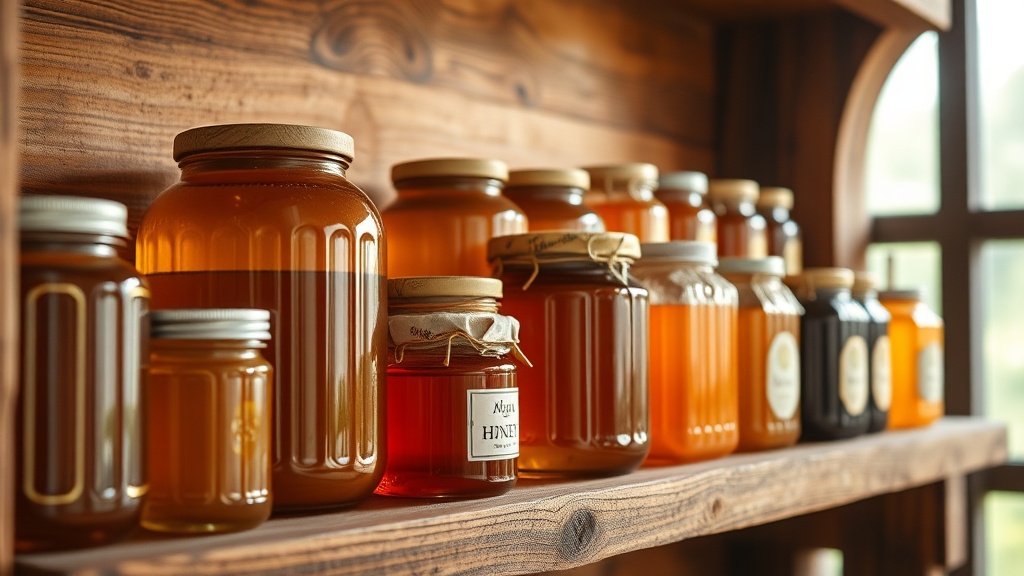
Why Does Honey Never Spoil?
Too dry for bacteria or yeast to survive
Creates hostile environment for microbes
Natural antibacterial compound
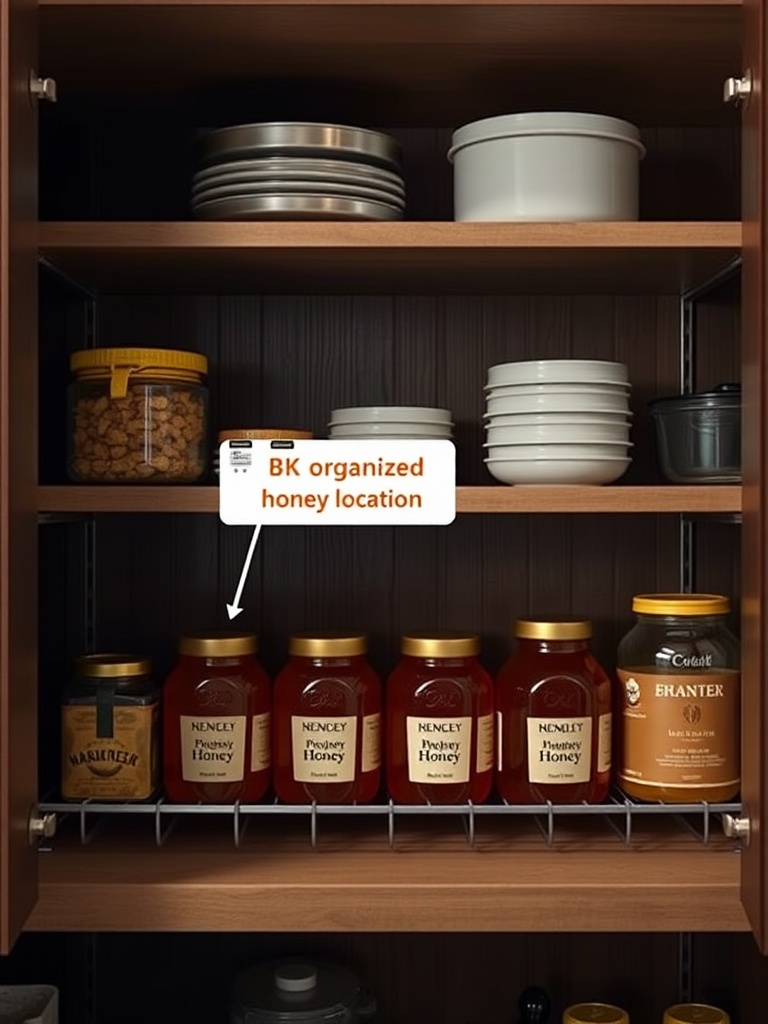
What Are the Best Conditions for Storing Honey?
Properly stored honey can last indefinitely. The key is protecting it from moisture, heat, and contamination.
- Store at room temperature (50-70°F / 10-21°C)
- Keep away from direct sunlight and heat sources
- Avoid storing near the stove or in the refrigerator
- A cool, dark pantry or cabinet is ideal
- Keep containers tightly sealed when not in use
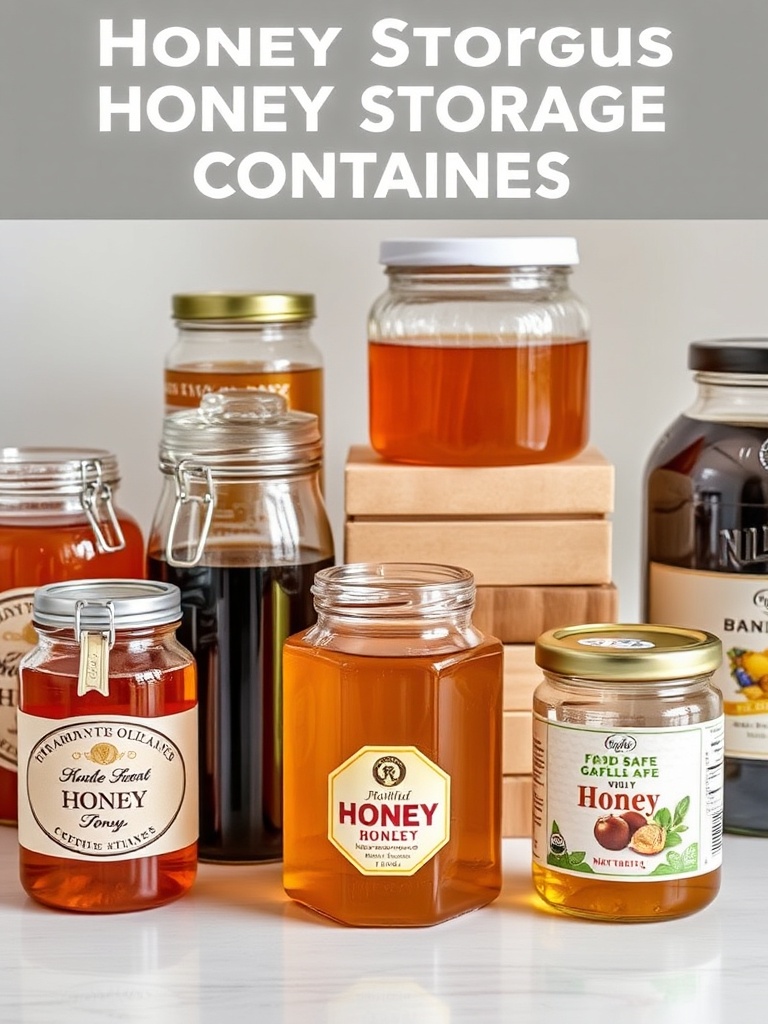
What Container Should You Store Honey In?
The container you use affects honey quality and longevity. Some materials are better suited for long-term storage than others.
- Glass jars are ideal - non-reactive and airtight
- Food-grade plastic works but may absorb odors over time
- Avoid metal containers - honey is acidic and may react
- Ensure lids seal tightly to prevent moisture entry
- Wide-mouth jars make scooping easier when honey thickens
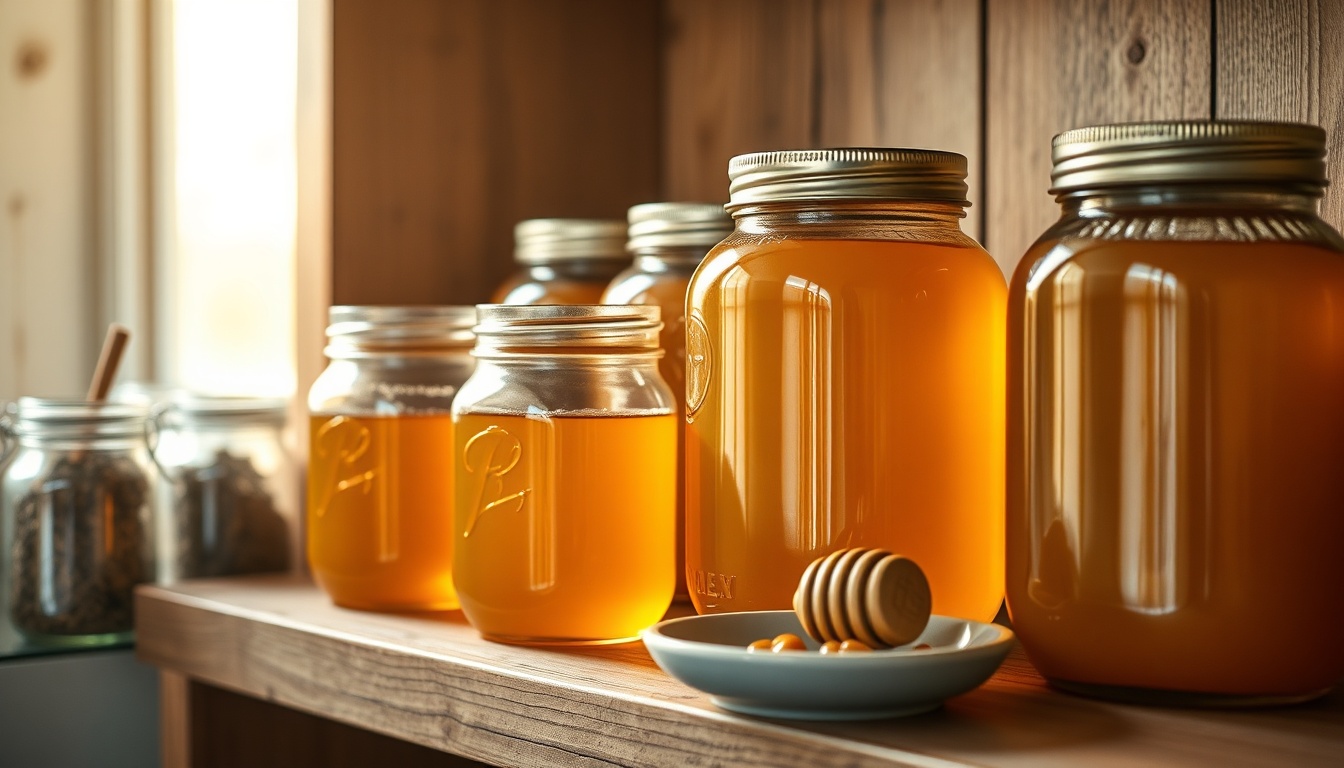
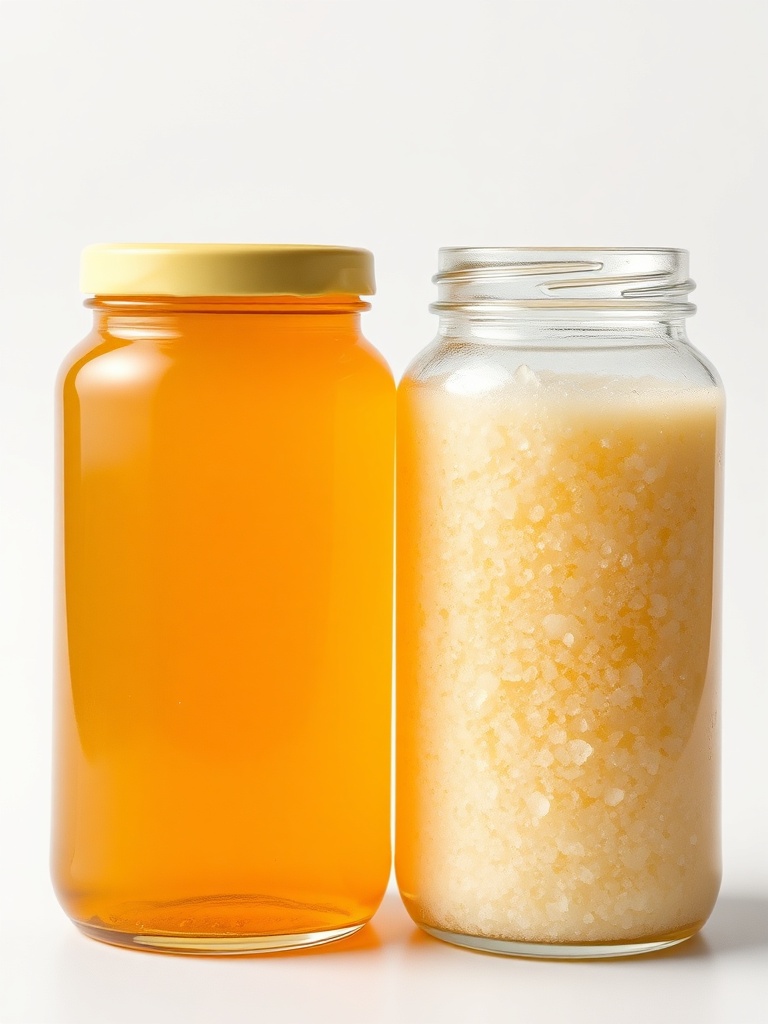
Why Does Honey Crystallize?
Crystallization is a natural process where glucose separates from water. It's a sign of pure, unprocessed honey - not spoilage.
- All raw honey will eventually crystallize
- Honey high in glucose crystallizes faster (clover honey, alfalfa)
- Honey high in fructose stays liquid longer (acacia honey, tupelo honey)
- Crystallized honey is perfectly safe to eat
- Some people prefer the spreadable texture of crystallized honey

How Do You Decrystallize Honey?
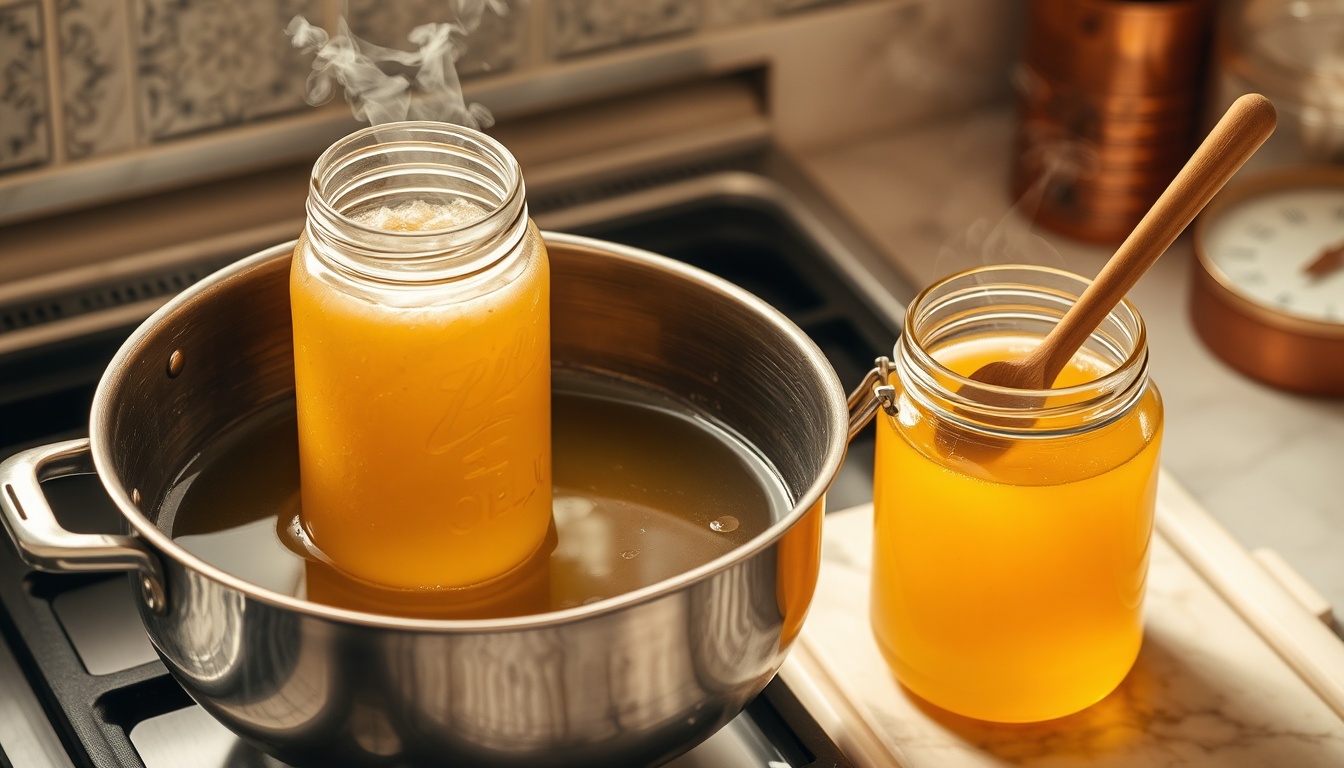
If you prefer liquid honey, you can gently warm crystallized honey to return it to its original state without damaging its properties.
- Place jar in warm water (not exceeding 110°F / 43°C)
- Stir occasionally as crystals dissolve
- Never microwave - it creates hot spots that destroy enzymes
- Never boil or use direct heat
- Process takes 30 minutes to an hour depending on amount
What Storage Mistakes Should You Avoid?
Printable Storage Cheat Sheet
A one-page quick-reference card with temperatures, shelf life, do's and don'ts, and troubleshooting tips.
Frequently Asked Questions
Does honey need to be refrigerated?
No, honey should not be refrigerated. Store it at room temperature (50-70 degrees Fahrenheit) in a cool, dark place like a pantry. Refrigeration accelerates crystallization and makes honey difficult to pour.
Why does honey crystallize?
Crystallization is a natural process where glucose in honey separates from water and forms crystals. It is a sign of pure, unprocessed honey, not spoilage. Honeys high in glucose like clover honey and wildflower honey crystallize faster, while those high in fructose like acacia honey and tupelo honey stay liquid longer. Buckwheat honey typically crystallizes moderately due to its balanced glucose-to-fructose ratio.
How do you decrystallize honey?
Place the honey jar in warm water not exceeding 110 degrees Fahrenheit (43 degrees Celsius) and stir occasionally until the crystals dissolve. Never microwave honey, as it creates hot spots that destroy beneficial enzymes.
What is the best container for storing honey?
Glass jars with airtight lids are the best containers for storing honey because glass is non-reactive and seals well. Avoid metal containers since honey is acidic and may react with the metal.
Which honey varieties are best for long-term storage?
For long-term storage, choose honey varieties based on your crystallization preferences. Acacia honey and tupelo honey stay liquid longest due to high fructose content, making them ideal for extended pantry storage and easy pouring. Sage honey also resists crystallization well. Clover honey and wildflower honey crystallize faster but store equally well - crystallized honey is perfectly safe and many prefer its spreadable texture. Buckwheat honey offers exceptional antioxidant stability during storage, preserving its health benefits over time. Manuka honey maintains its antimicrobial properties indefinitely when properly stored. All pure honey varieties last indefinitely regardless of crystallization state.
Edited by Sam French · Raw Honey Guide Editorial Team
Source reviewed against primary literature and official guidance where available. Health content is educational, not medical advice, and does not replace a licensed clinician.
Get the Honey Buyer's Cheat Sheet (free PDF)
16 varieties on one page — color, flavor, best use and what a fair price looks like — from the 304 honeys we track.
Related Guides
How to Decrystallize Honey
Safe methods to restore crystallized honey.
Read GuideDoes Honey Expire?
Why honey never truly spoils.
Read GuideQuality & Grading
Identify quality honey and spot fakes.
Read GuideRelated Articles
How to Store Honey: The Complete Guide to Proper Honey Storage
How to store honey properly — best containers, ideal temperature, crystallization fixes, and tips to preserve nutrients.
Read ArticleWhy Does Honey Crystallize? (And How to Fix It)
Discover why honey crystallizes, which honeys crystallize fastest, and 3 safe methods to decrystallize honey without destroying its nutrients.
Read ArticleDoes Honey Expire? The Truth About Honey's Shelf Life
Does honey expire? The science of honey preservation, 3 real spoilage risks, storage best practices, and crystallization myths.
Read Article