Best Honey for Face Masks
Learn which honey varieties work best for DIY face masks. From acne-fighting manuka to hydrating acacia, find the right honey for your skin type and concerns.
Quick Answer
Manuka honey (UMF 10+) is the gold standard for acne and redness — its MGO antibacterial compound inhibits C. acnes while reducing inflammation. Buckwheat honey (ORAC 10,000–12,000 µmol TE/100g) delivers maximum antioxidant power for anti-aging concerns. Heather honey's thixotropic gel texture stays on the face without dripping, making it ideal for eczema patches and inflamed skin. For dry skin hydration, acacia honey provides gentle, permanently liquid moisture without risk of irritation. Raw wildflower honey suits all skin types — its multi-floral enzyme mix brightens and hydrates sensitive and normal skin alike.
What to Look For
Always use raw, unpasteurized honey for face masks—processing removes the enzymes and compounds that benefit skin. Look for thick, viscous honey that stays on the face without dripping. For acne-prone skin, choose manuka with UMF 10+ for validated antibacterial activity. For sensitive skin, opt for mild honeys like acacia or clover. Organic honey reduces the risk of pesticide residue on your skin.
Relevant Honey Varieties
Its unique MGO antibacterial compound fights acne-causing bacteria (P. acnes) while its anti-inflammatory properties reduce redness and swelling. Clinical studies support manuka for wound healing and skin health. Its thick consistency stays in place on the face.
View honey varietyA natural humectant that draws moisture into the skin. Contains diverse enzymes and antioxidants from multiple flower sources. Gentle enough for all skin types including sensitive skin. Provides mild exfoliation through natural gluconic acid.
View honey varietyContains the highest antioxidant levels of any common honey variety, making it excellent for anti-aging face masks. Its dark color indicates abundant polyphenols that fight free radical damage. Rich in minerals including iron and zinc that support skin health.
View honey varietyIts exceptionally mild, gentle nature makes it ideal for sensitive and reactive skin. The liquid consistency creates smooth, even application. Provides hydration without risk of irritation. Clear color means no staining concerns.
View honey varietyHeather honey has the highest ORAC antioxidant rating of European honeys (18,000–22,000 µmol TE/100g), making it a potent choice for mature or antioxidant-starved skin. Its unique thixotropic gel texture — solid at rest, liquid when stirred — stays on the face without sliding off, unlike most liquid honeys. A 2003 RCT (Al-Waili, Journal of Medicinal Food) found a honey-beeswax-olive oil blend reduced eczema severity by approximately 80%, supporting heather honey masks for inflamed, dry, or eczema-prone patches.
View honey varietyGet the Honey Buyer's Cheat Sheet (free PDF)
16 varieties on one page — color, flavor, best use and what a fair price looks like — from the 304 honeys we track.
How to Use
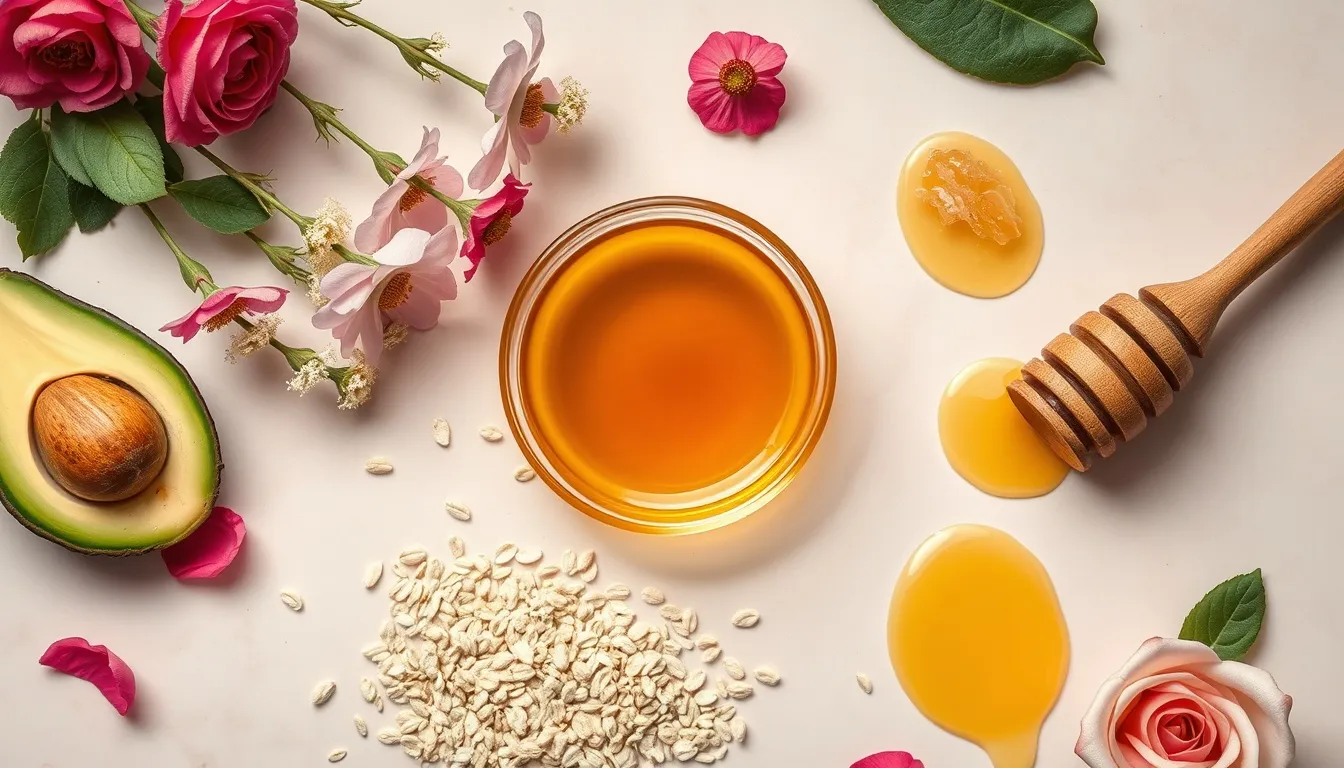
Start with a clean, dry face. Apply a thin, even layer of honey using clean fingers or a silicone brush. Leave on for 15 to 20 minutes. Rinse with warm water and pat dry. For a boosted mask, mix honey with other ingredients: a mashed avocado for dry skin, or a few drops of lemon juice for brightening; manuka honey is popular in DIY masks, though persistent or severe acne should be evaluated by a dermatologist. Use one to three times per week depending on your skin tolerance. Always patch test on your inner arm before applying a new honey to your face.
What to Avoid
Do not use processed, pasteurized, or ultra-filtered honey—these lack the enzymes and compounds that benefit skin. Avoid honey face masks if you have a confirmed bee product allergy. Do not apply to broken, infected, or deeply inflamed skin without medical guidance. Skip honey with additives, flavoring, or corn syrup blends. Do not leave masks on overnight—15 to 20 minutes is sufficient. Be cautious combining honey with exfoliating acids, as honey is naturally slightly acidic.