Best Honey for Sore Throat
Evidence-based guide to the best honey varieties for soothing sore throats and suppressing coughs. Learn which honeys have the strongest medicinal properties.
Quick Answer
Buckwheat honey has the strongest clinical evidence for cough suppression and sore throat relief — a 2012 Penn State study found it performed as well as dextromethorphan (OTC cough syrup). Manuka honey (UMF 10+) contains methylglyoxal (MGO), which is antibacterial in lab studies; honey is a food and does not treat a throat infection such as strep. Thyme honey provides an affordable medicinal alternative with thymol and carvacrol antibacterial activity. Linden honey is the classic European sore-throat remedy with a mentholated cooling sensation that soothes throat irritation. Raw wildflower honey is the most accessible option, with broad-spectrum H2O2 antimicrobial action and natural coating properties.
What to Look For
Choose dark, raw honey for maximum medicinal benefit—darker honeys consistently contain more antioxidants and antimicrobial compounds. Look for raw and unfiltered on the label, as processing removes beneficial enzymes and pollen. For manuka, look for UMF 10+ or MGO 263+ ratings for therapeutic-grade potency. Thick consistency helps coat the throat for longer contact time.
Relevant Honey Varieties
Clinical studies (including a notable Penn State study) found buckwheat honey as effective as dextromethorphan for nighttime cough in children. Its dark color indicates high antioxidant content, and its thick consistency coats and soothes inflamed throat tissue.
View honey varietyContains methylglyoxal (MGO), a unique antibacterial compound that targets bacterial throat infections. Clinical research supports its use for oral and throat health. UMF 10+ provides therapeutic-level antibacterial activity.
View honey varietyContains thymol and high peroxide antibacterial activity that rivals manuka in some studies. Greek thyme honey has been used medicinally for thousands of years. Its aromatic, herbaceous flavor makes it more pleasant to take straight than many medicinal honeys.
View honey varietyTraditional European cold remedy. Its cooling, mentholated character provides immediate soothing sensation for irritated throats. Contains anti-inflammatory flavonoids and has mild antipyretic (fever-reducing) associations in folk medicine.
View honey varietyProvides broad-spectrum antimicrobial action through multi-floral glucose oxidase producing hydrogen peroxide. The most accessible option — available at any health food store for $8–18. A 2020 BMJ systematic review of 14 studies found honey (including common wildflower varieties) superior to usual care for upper respiratory tract infections. Good coating consistency soothes irritated throat tissue; best for children and families seeking an everyday remedy.
View honey varietyGet the Honey Buyer's Cheat Sheet (free PDF)
16 varieties on one page — color, flavor, best use and what a fair price looks like — from the 304 honeys we track.
How to Use
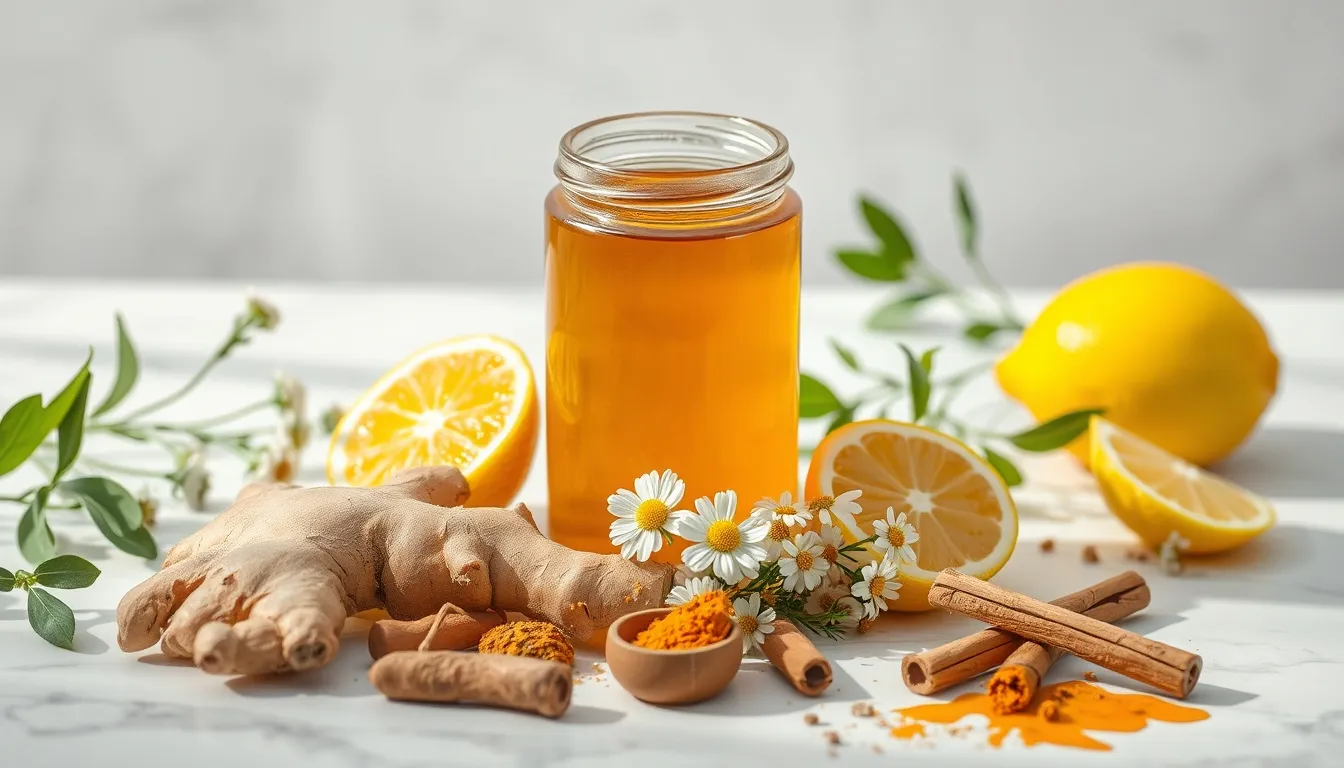
Many people take honey straight, allowing it to coat the throat slowly rather than swallowing immediately, or stir it into warm (not hot) water or herbal tea—chamomile, ginger, or lemon tea are popular pairings. A squeeze of lemon juice adds vitamin C. For manuka, some let it dissolve slowly in the mouth for direct throat contact. Talk to your doctor or pediatrician about how much and how often is appropriate, especially for children.
What to Avoid
Never give honey to infants under 12 months old—there is a risk of infant botulism. Do not add honey to boiling water, which destroys beneficial enzymes. Avoid processed or ultra-filtered honey, which has been stripped of pollen and many bioactive compounds. Do not rely on honey alone for severe infections—see a doctor if symptoms persist beyond a few days, if you have high fever, or if you have difficulty swallowing or breathing. Honey is a complementary remedy, not a replacement for medical treatment when needed.
Frequently Asked Questions
Is honey really as effective as cough medicine?
How much honey should I take for a sore throat?
Can I use regular honey or does it have to be special?
Why can babies not have honey?
Can honey help with strep throat?
What is the best honey to mix with tea for a sore throat?
Related Honey Comparisons
Edited by Sam French · Raw Honey Guide Editorial Team
Sam French is the founding editor of Raw Honey Guide. This is an editorial guide, not a medical review.
Last updated: