Can You Eat Honeycomb? The Short Answer
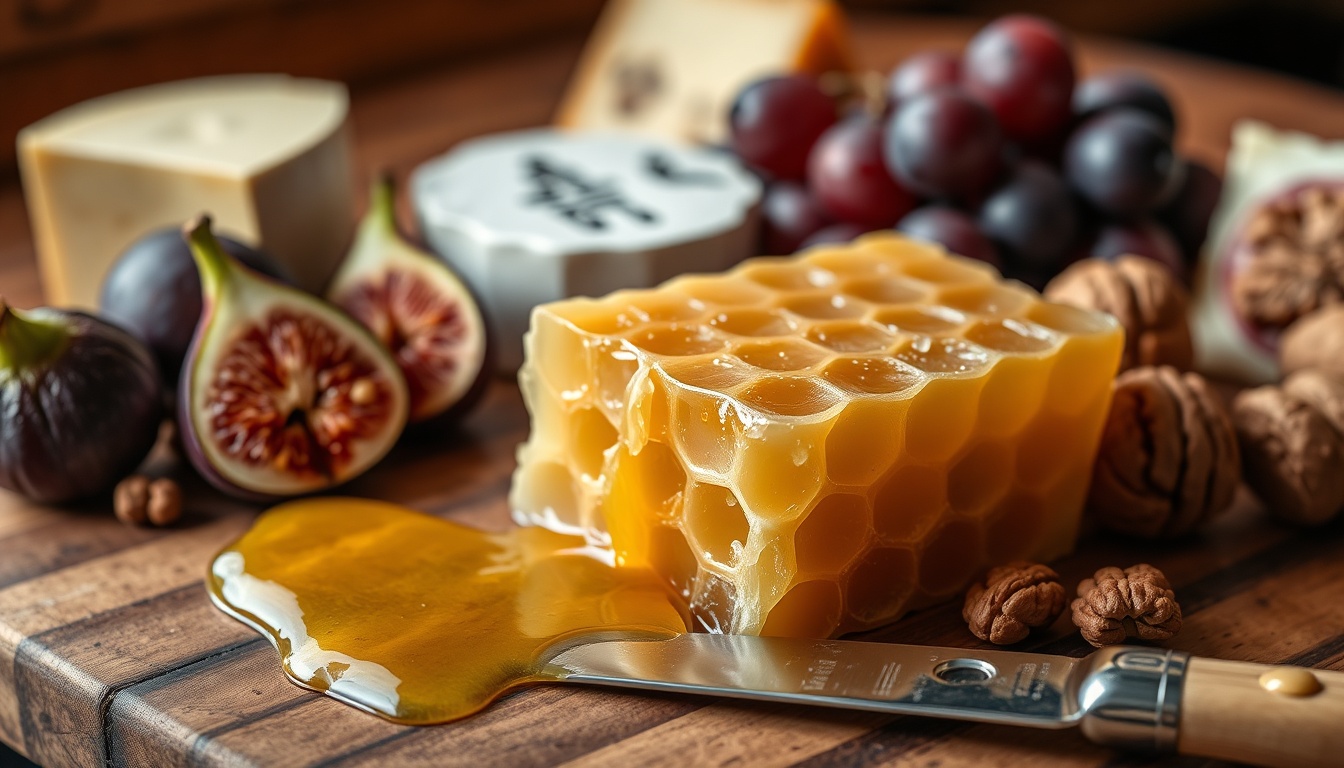
Yes. Honeycomb sold for eating contains honey and edible beeswax. It tastes like the honey inside it, with a chewy, waxy texture that remains after the sweetness fades. Cut off a small bite, chew to release the honey, and discard the remaining wax if you do not enjoy it. Toast, crackers and cheese are easy places to start.
Look for food honeycomb, also called comb honey or cut-comb honey. The USDA describes comb honey as honey stored in freshly built, broodless comb, sold whole or in sections. A jar containing a piece of comb surrounded by liquid honey is called chunk honey. Buy a product intended for eating rather than taking an unidentified piece from a hive.
What Does Honeycomb Taste Like?
Expect honey sweetness first, followed by the chew of the wax. The honey and wax feel different in your mouth: the honey spreads over your tongue, while the comb gathers into a soft, gum-like piece as you chew. If you came expecting a brittle candy that shatters, the waxy finish may surprise you.
There is no single honeycomb flavor. The honey's plant source affects its flavor and aroma, so ask the seller what is inside the comb. Savannah Bee describes its own comb as light and sweet with vanilla notes; that is a product description, not a promise for every comb. Use our honey tasting guide to notice aroma, sweetness and finish rather than expecting comb to be automatically stronger or fresher than liquid honey.
Pro Tip
Try a bite on its own before adding other ingredients. Then try another on a plain cracker or toast to decide whether you like the wax texture with food.
Get the Honey Buyer's Cheat Sheet (free PDF)
16 varieties on one page — color, flavor, best use and what a fair price looks like — from the 304 honeys we track.
Do You Have to Swallow the Wax?
No. The beeswax in food honeycomb is edible, but swallowing it is optional. You can chew out the honey and discard what remains; Savannah Bee's serving FAQ describes this option. You do not have to finish the wax to enjoy the honeycomb.
Use the product's serving information rather than a universal wax portion. Treat honeycomb as a sweet food, not a supplement or a way to obtain fiber. If you have a known reaction to honey or bee products, follow your clinician's advice before trying it; a general food guide cannot establish your individual suitability.
Pro Tip
Do not give honeycomb to a baby under 12 months. The CDC says not to give honey before 12 months because of infant botulism risk. Honey inside a comb is still honey.
How to Eat Honeycomb for the First Time
Keep the first serving simple. A whole block looks impressive, but you can leave most of it covered in its container and cut off only what you want to taste.
- Put the comb on a small plate — Use a clean knife or spoon to separate a bite. The plate catches any honey that runs from the cut cells.
- Taste slowly — Chew to release the honey and notice the wax texture. Discard the remaining wax if you prefer.
- Add a familiar food — Put a thin piece on toast, a cracker or a slice of cheese. If a thick chunk feels too waxy, try a smaller piece spread across the food.
- Serve a board with a separate utensil — Give guests a knife or spoon for the comb so they can choose their own pieces without dipping a used utensil into the storage container.
10 Ways to Serve Honeycomb
Start with pairings you already enjoy with honey. Saratoga Tea & Honey's serving ideas include toast, yogurt, crackers with sharp cheese and charcuterie. The ideas below give you breakfast, board and dessert options; adjust the amount to your taste.
- On its own — Taste a bite before a meal or alongside a cup of tea. This is the easiest way to find out whether you enjoy the comb itself.
- On toast or warm bread — Spread a thin piece over sourdough, an English muffin or crusty bread. Try butter underneath and a little flaky salt on top.
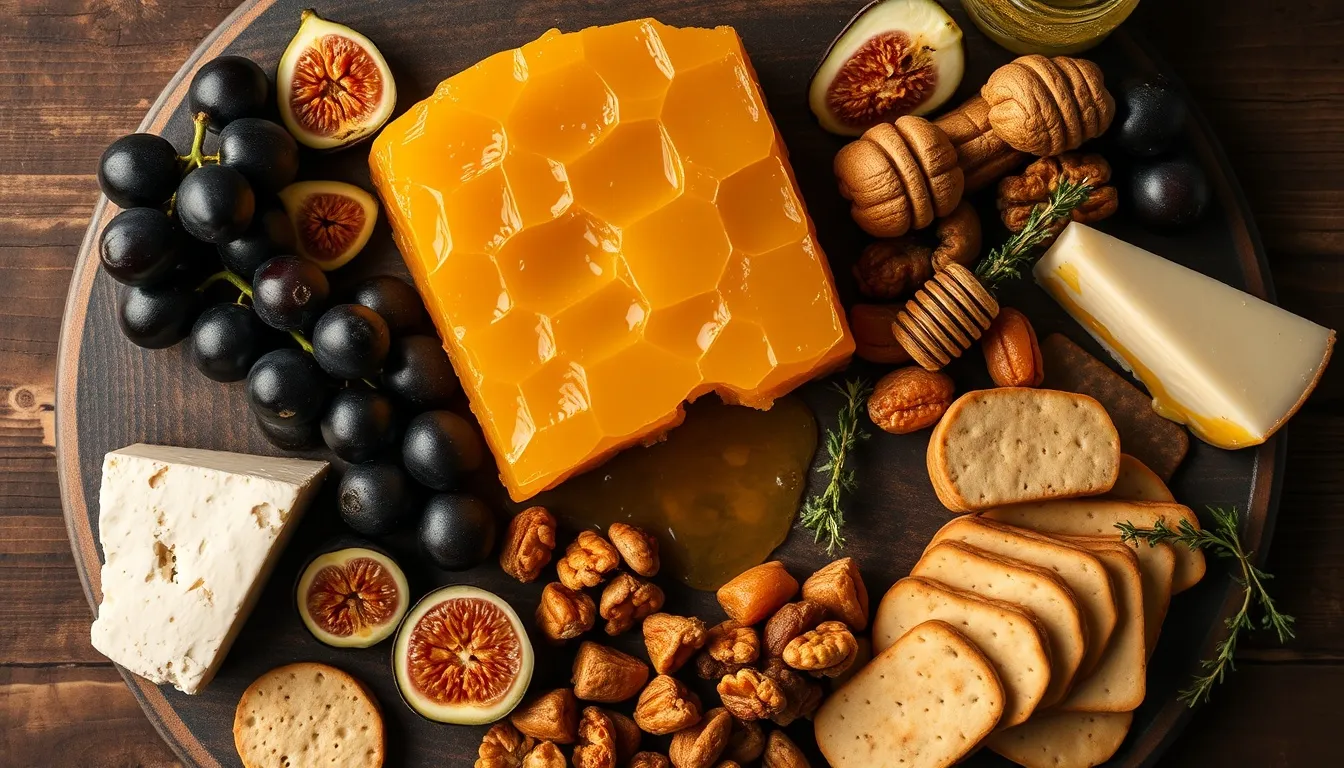
- With cheese — Try a piece with cheddar, manchego, brie or blue cheese. Our cheese pairing guide can help you choose a honey flavor to go with the cheese you have.
- On a charcuterie board — Place the comb on a small dish among crackers, cheese and cured meats. Use the charcuterie guide for more combinations.
- Over yogurt — Add small pieces to plain yogurt with berries and granola, keeping the comb visible on top rather than mixing a large waxy chunk through the bowl.
- With oatmeal — Add a little comb after cooking, alongside nuts or sliced fruit. See our oatmeal pairing guide if you want to choose the honey by flavor.
- With pancakes or waffles — Try a thin piece on the finished stack. For a smooth topping without wax, use liquid honey instead; our pancake and waffle guide covers flavor choices.
- In a salad — Try a few small pieces with greens, goat cheese and walnuts. Keep them as a topping and make the dressing separately so you can control the sweetness.
- With fruit — Serve alongside figs, pears, apples or berries. Let each person add the amount they like.
- As a dessert topping — Try small pieces on vanilla ice cream, panna cotta or chocolate mousse. If the wax texture distracts from the dessert, drizzle liquid honey next time.
How to Buy Honeycomb
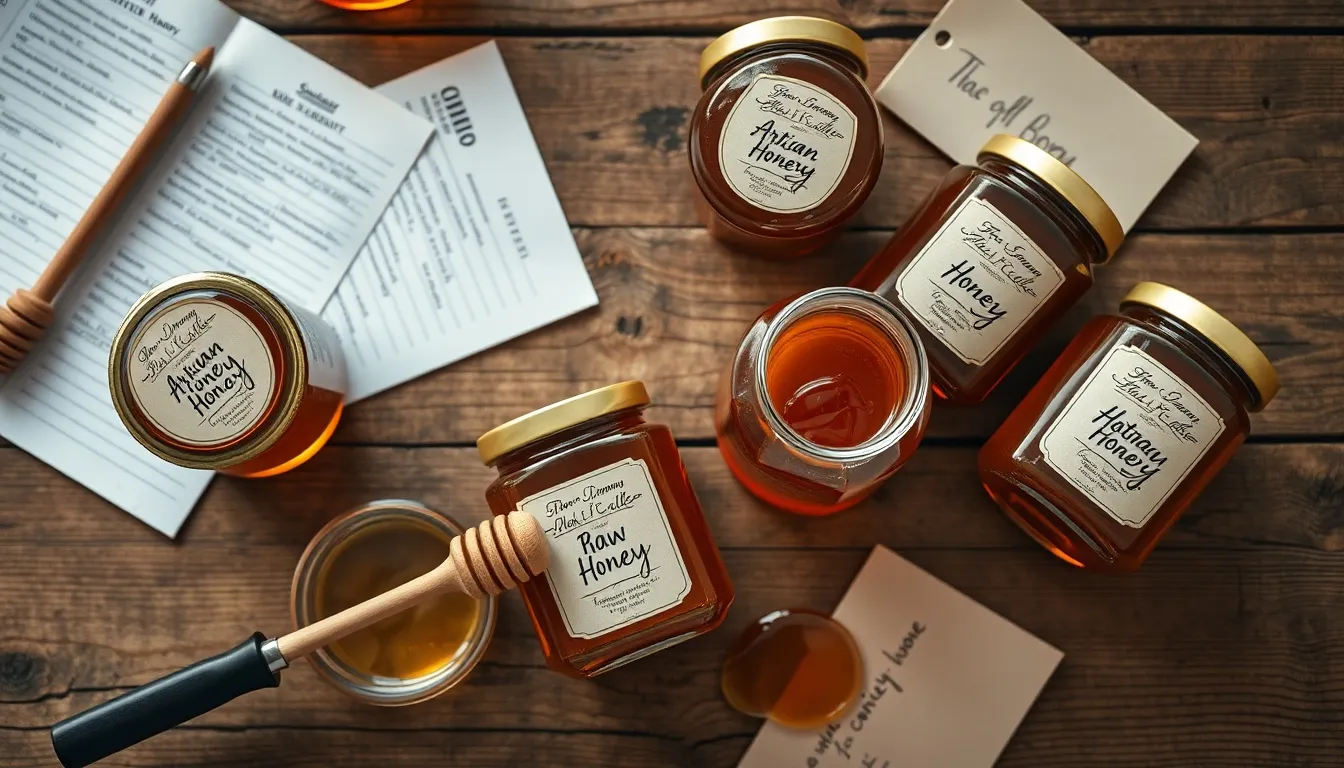
Choose a seller who can explain the product, its origin and how to handle it. A local beekeeper, farmers market seller or specialist food shop gives you someone to ask; check availability before making a trip. Our farmers market buying guide has more questions to bring along.
- Ask what you are buying — Is it a section of comb honey or a jar of chunk honey? Check the label and net weight so you can compare the actual packages.
- Ask about flavor and origin — Find out whether the seller identifies a floral source and where the honey was produced. Ask for a sample when one is available.
- Check the packaging — Choose a closed, undamaged food container. If the comb is crushed or leaking, ask the seller about its condition instead of assuming the honey is safe or unsafe from its appearance alone.
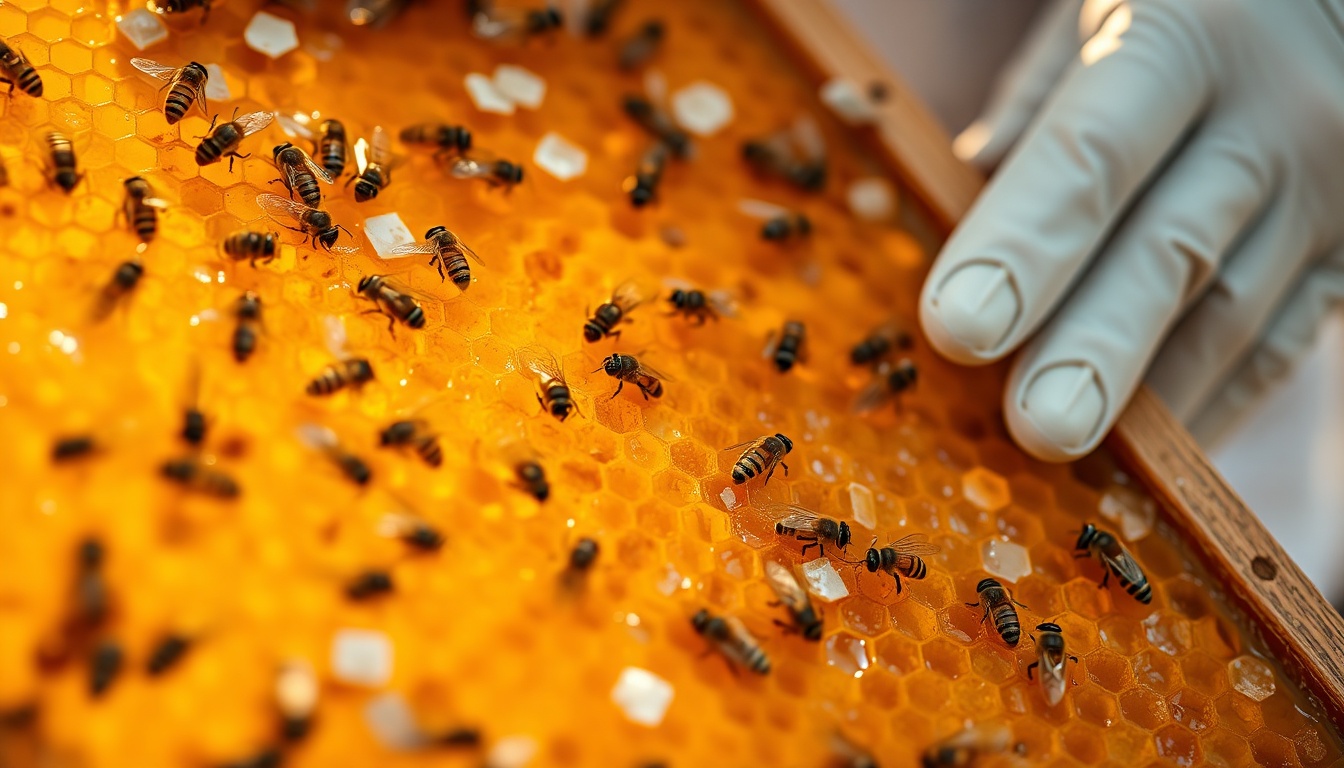
- Do not use cappings as a home moisture test — An intact-looking comb does not give you a measured moisture value. Ask how the beekeeper checks quality rather than relying on a photo of sealed cells.
- Plan storage and delivery — Read the seller's handling instructions before ordering. Ask how to store it after opening and how they protect the comb during transport in warm weather.
How to Store Honeycomb After Opening
Follow the storage directions on your product. Savannah Bee recommends a sealed container at room temperature for its comb. Keep your container covered between servings, use a clean, dry utensil, and keep it away from direct heat. Store the remaining comb separately from fruit, cheese or other foods you served with it.
Honey inside the comb can crystallize, changing the texture. Savannah Bee's FAQ notes that comb honey may crystallize, and our crystallization guide explains the process. Crystals alone do not tell you the whole history or condition of a product. Use the seller's best-before and handling guidance rather than an unlimited shelf-life promise.
Pro Tip
Cut only what you plan to serve, then close the original container or transfer the rest to a clean food container with a lid. If you are unsure about a change in the product, ask the seller before eating it.
Honeycomb vs Liquid Honey: Which Fits Your Food?
The main choice is how you want to serve it. Comb honey keeps the honey inside the wax cells; liquid honey has been separated from the comb. You can enjoy either format without assuming the comb provides extra health effects.
- Choose comb for visible pieces and chew — It gives toast, fruit and cheese boards an extra texture and something guests can cut for themselves.
- Choose liquid for a smooth drizzle — It is easier to measure into a recipe or mix into dressing without pieces of wax.
- Choose liquid for drinks — If you want honey in tea or coffee, liquid honey is a simpler starting point than working around the wax.
- Ask about handling — The comb format alone does not document storage conditions or enzyme retention. Our raw vs regular honey guide explains processing terms; ask the producer what they mean on this particular label.
Food Honeycomb and Honeycomb Candy Are Different
A section of food honeycomb contains beeswax cells and honey. Honeycomb candy is a cooked sweet made by foaming sugar syrup with baking soda, then letting it set; Nigella Lawson's original hokey pokey recipe shows that preparation. The candy snaps into pieces, while the wax in food honeycomb stays chewy.
If you wanted a crunchy candy topping rather than wax comb, use our honeycomb toffee recipe. It makes sponge candy with honey and contains no beeswax comb.