Honey and Cinnamon Benefits
Honey and cinnamon have been paired in traditional medicine for centuries. Modern research confirms some genuinely beneficial properties while debunking viral miracle-cure claims. Here is what the science actually says.
Last updated:
Honey and cinnamon have complementary bioactive compounds with genuine but modest health benefits. Research supports improvements in blood sugar management, antimicrobial activity, and antioxidant protection. Use Ceylon cinnamon (not Cassia) with raw honey in warm water daily. Claims about curing cancer or dramatic weight loss are not supported by clinical evidence.
Why Honey and Cinnamon Together
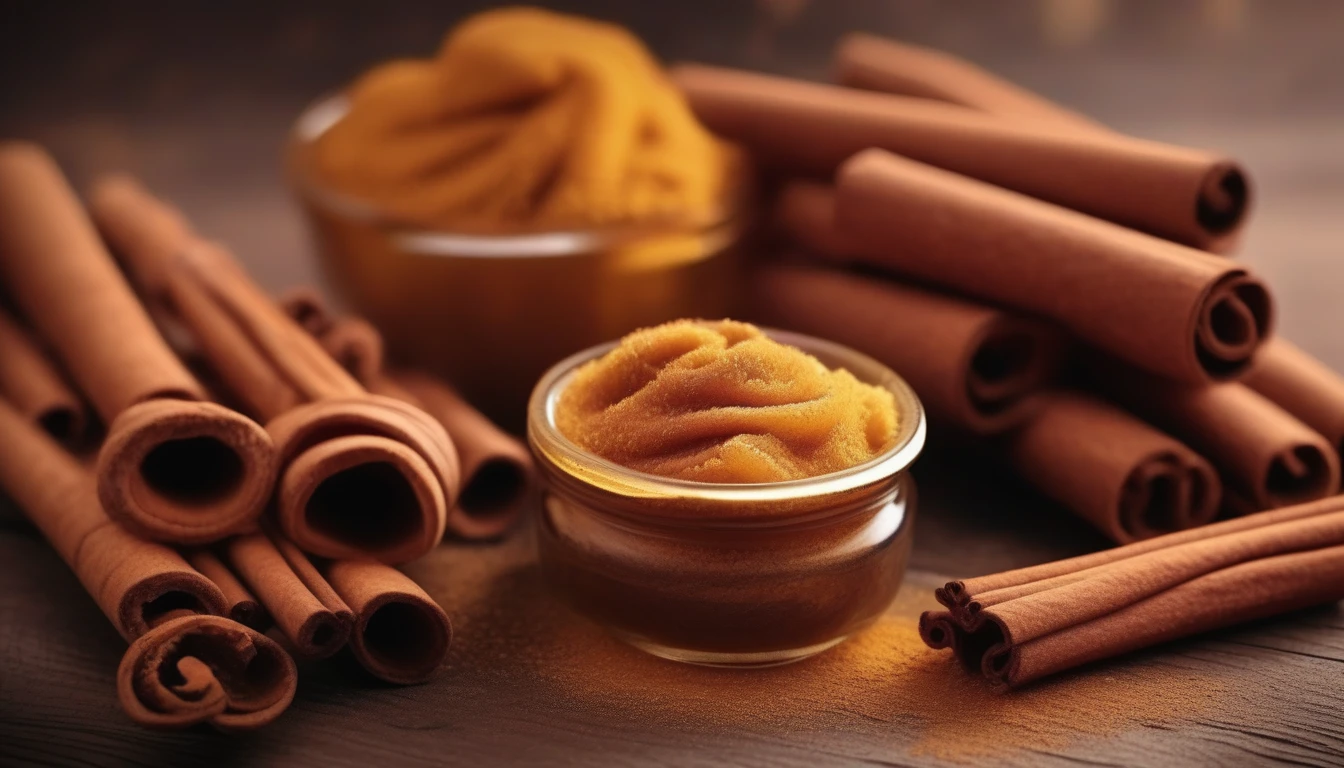
The honey and cinnamon combination has been used in traditional medicine systems for centuries, from Ayurveda to traditional Chinese medicine. Modern research suggests the pairing is more than folklore — the two ingredients have complementary bioactive compounds that may enhance each other's effects. Honey provides natural sugars, enzymes, antioxidants, and antimicrobial compounds including hydrogen peroxide and methylglyoxal (in Manuka honey). Cinnamon, particularly Ceylon cinnamon (Cinnamomum verum), contains cinnamaldehyde, a powerful compound responsible for its distinctive flavor and most of its health properties. Cinnamaldehyde has demonstrated anti-inflammatory, antimicrobial, and blood-sugar-regulating effects in laboratory and clinical studies. When combined, honey's demulcent properties help deliver cinnamon's active compounds more effectively to the digestive tract, while cinnamon's polyphenols complement honey's antioxidant profile. A 2017 study in the Journal of the American College of Nutrition found that the antioxidant capacity of honey-cinnamon combinations was greater than either ingredient alone, suggesting a synergistic effect on free radical scavenging.
Key Takeaways
- Used together for centuries in Ayurveda and traditional Chinese medicine
- Honey provides enzymes, antioxidants, and antimicrobial compounds
- Cinnamon's cinnamaldehyde offers anti-inflammatory and blood-sugar-regulating effects
- Honey helps deliver cinnamon's active compounds more effectively to the gut
- Combined antioxidant capacity is greater than either ingredient alone
- Ceylon cinnamon (Cinnamomum verum) is preferred over Cassia for regular consumption
Proven Benefits
Several benefits of the honey-cinnamon combination have credible scientific support. For blood sugar management, multiple clinical trials have shown that cinnamon can improve insulin sensitivity and lower fasting blood glucose. A 2019 meta-analysis in the Journal of Clinical Pharmacy and Therapeutics, covering 18 randomized controlled trials, found that cinnamon supplementation significantly reduced fasting blood sugar and HbA1c levels. When paired with honey as a sweetener instead of refined sugar, the combination offers a lower-glycemic alternative with added metabolic benefits. For antimicrobial activity, both honey and cinnamon have demonstrated effectiveness against common pathogens. A 2012 study in the Asian Pacific Journal of Tropical Biomedicine found the combination effective against E. coli, Staphylococcus aureus, and Candida albicans. The antioxidant benefits are well-established — both ingredients are rich in polyphenols that combat oxidative stress. For digestive health, honey soothes the GI lining while cinnamon has carminative properties that reduce bloating and gas. Small studies also suggest anti-inflammatory effects that may benefit joint discomfort and mild arthritis symptoms.
Key Takeaways
- Blood sugar: cinnamon improves insulin sensitivity, low-glycemic honey varieties like acacia (GI ~32) provide optimal glucose management
- Antimicrobial: effective together against E. coli, Staph aureus, and Candida
- Antioxidant: combined polyphenols provide enhanced free radical scavenging (maximized with buckwheat honey ORAC 16,000+)
- Digestive health: honey soothes the GI lining, cinnamon reduces bloating and gas
- Anti-inflammatory: may benefit joint discomfort and mild arthritis symptoms
- Heart health: some evidence for modest improvements in cholesterol markers
Claims vs Evidence
It is important to separate well-supported benefits from exaggerated or unproven claims that circulate widely online. The claim that honey and cinnamon can cure cancer has no credible scientific support — while both ingredients contain antioxidants that may play a general role in cell health, no clinical trials have demonstrated anti-cancer effects in humans. Similarly, claims that the combination is a miracle cure for heart disease, arthritis, or infertility are overblown. While modest benefits for cardiovascular markers and inflammation have been observed in small studies, these effects are supplementary, not curative. The viral claim that honey and cinnamon can help with weight loss has limited support — cinnamon may mildly boost metabolism and improve insulin sensitivity, which could indirectly support weight management, but no study has shown dramatic weight loss from the combination. Claims about reversing hair loss or clearing all skin conditions lack clinical evidence. The most honest assessment is that honey and cinnamon are beneficial additions to a healthy diet with genuine but modest health properties. They can complement medical treatment but should never replace it for any serious health condition.
Key Takeaways
- Cancer cure claims: NOT supported by clinical evidence
- Heart disease miracle cure: overstated — modest cholesterol benefits at most
- Dramatic weight loss: not demonstrated in clinical trials
- Hair regrowth claims: lack clinical evidence
- Infection treatment: genuine antimicrobial properties but not a replacement for antibiotics
- Honest assessment: beneficial food with genuine but modest health properties

How to Use Honey and Cinnamon
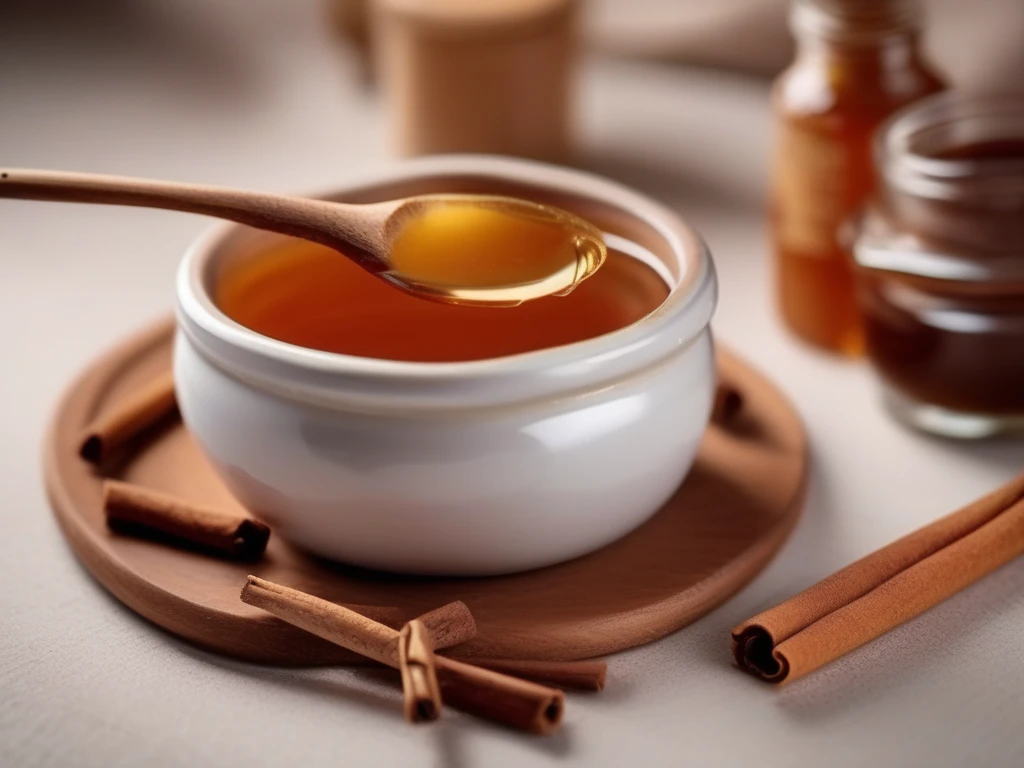
The most common preparation is a simple warm drink: stir one tablespoon of raw honey and half a teaspoon of ground cinnamon into a cup of warm (not boiling) water. Some people drink this in the morning, others before bed — it's a matter of personal preference, not a required protocol. The water must be warm rather than hot — temperatures above 140 degrees F destroy honey's beneficial enzymes. For a richer beverage, add honey and cinnamon to warm milk or a caffeine-free herbal tea like chamomile. A paste made from equal parts honey and cinnamon can be spread on whole grain toast for a nutritious breakfast topping. For topical skin applications, mix two tablespoons of raw honey with one teaspoon of cinnamon to create a face mask — apply for 10 to 15 minutes before rinsing (always patch test first, as cinnamon can irritate sensitive skin). In smoothies, add one tablespoon of honey and a quarter teaspoon of cinnamon per serving. For cooking, sprinkle cinnamon on roasted vegetables or fruit and drizzle with honey after cooking. Many people prefer working small amounts into their routine regularly rather than occasional large servings.
Key Takeaways
- Morning or evening drink: 1 tbsp honey + 1/2 tsp cinnamon in warm (not hot) water
- Also good with warm milk or chamomile tea
- Toast topping: equal parts honey and cinnamon on whole grain bread
- Face mask: 2 tbsp honey + 1 tsp cinnamon, apply 10-15 minutes (patch test first)
- Smoothies: 1 tbsp honey + 1/4 tsp cinnamon per serving
- Many people prefer small regular amounts to occasional large servings, simply as a matter of habit
Which Types to Choose
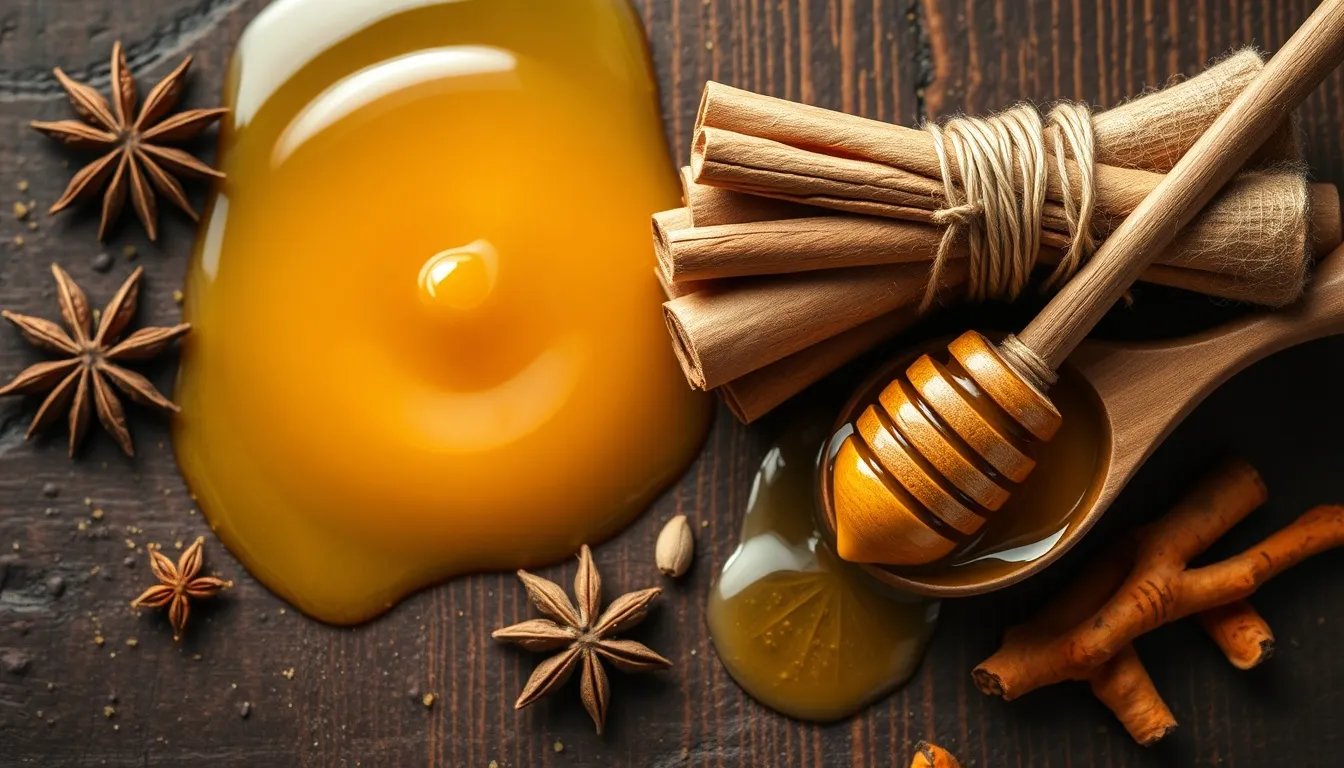
For cinnamon, the type you choose matters significantly. Ceylon cinnamon (Cinnamomum verum), often called "true cinnamon," is strongly preferred for regular consumption because it contains very low levels of coumarin, a natural compound that can be harmful to the liver in large amounts. Cassia cinnamon (Cinnamomum cassia), the variety commonly sold in most grocery stores, contains 63 times more coumarin than Ceylon. The European Food Safety Authority has set a tolerable daily intake of coumarin at 0.1 mg per kg of body weight, so with Cassia cinnamon it is easy to overshoot that limit with just one to two teaspoons daily. For honey, raw and unfiltered varieties are essential to preserve the beneficial enzymes, antioxidants, and antimicrobial compounds. Manuka honey provides the strongest antibacterial properties with UMF 10+ therapeutic potency, while wildflower honey offers diverse antioxidant compounds from multiple botanical sources at excellent value. For blood sugar management, acacia honey with its low glycemic index (~32) provides optimal glucose control when paired with cinnamon's insulin-sensitizing effects. Buckwheat honey delivers exceptional ORAC antioxidant levels (16,000+) for a bolder option. Avoid pasteurized commercial honey, which has been heat-treated and often ultra-filtered, removing the pollen and many beneficial compounds.
Key Takeaways
- Ceylon cinnamon is strongly preferred — 63x less coumarin than Cassia variety
- Cassia cinnamon (common grocery store type) can exceed safe coumarin limits at 1-2 tsp/day
- Raw, unfiltered honey preserves beneficial enzymes and antioxidants
- Manuka honey UMF 10+: strongest antibacterial properties with therapeutic potency
- Buckwheat honey: exceptional antioxidant density (ORAC 16,000+) for maximum free radical protection
- Wildflower honey: diverse botanical compounds from multiple flower sources at excellent value
- Acacia honey: low glycemic index (~32) optimal for blood sugar management with cinnamon
- Avoid pasteurized commercial honey — heat processing destroys key compounds
Safety and Precautions
While honey and cinnamon are generally safe for most adults, several precautions are important. Never give honey to infants under 12 months due to the risk of infant botulism. People with diabetes should monitor blood sugar carefully, as honey still contains natural sugars that affect glucose levels, although low-glycemic varieties like acacia honey (GI ~32) or tupelo honey (GI ~45) provide better glucose control than higher-glycemic options. The cinnamon component may help with blood sugar management, but the combined effect should still be discussed with your healthcare provider. Cinnamon in large doses (more than one teaspoon of Cassia daily) can cause mouth sores, digestive irritation, and liver stress from coumarin accumulation. Pregnant women should limit cinnamon intake, and people taking blood-thinning medications should talk to their doctor before regularly consuming honey and cinnamon together. If you want to compare other pairings before you mix this one, see our apple cider vinegar guide and honey for digestion page.
Key Takeaways
- NEVER give honey to infants under 12 months — risk of infant botulism
- Diabetics: monitor blood sugar, choose low-glycemic varieties (acacia GI ~32, tupelo GI ~45), discuss effects with doctor
- Limit Cassia cinnamon to under 1 tsp/day to avoid coumarin-related liver stress
- Pregnant women: limit cinnamon intake, high doses may stimulate uterine contractions
- People on blood-thinning medications should talk to their doctor before regular use
- Patch test before applying to skin — cinnamon can cause contact dermatitis
Related Remedy Guides
Frequently Asked Questions
What are the benefits of honey and cinnamon together?
Research supports benefits for blood sugar management (especially with low-glycemic acacia honey GI ~32), antimicrobial activity against common pathogens (enhanced by Manuka honey UMF 10+ therapeutic properties), enhanced antioxidant capacity (maximized with buckwheat honey ORAC 16,000+), and digestive health, with the two ingredients showing synergistic effects greater than either alone.
Can honey and cinnamon cure diseases?
No. While both have genuine but modest health properties supported by research, claims about curing cancer, heart disease, or causing dramatic weight loss are not supported by clinical evidence.
How do you take honey and cinnamon for health benefits?
The most common method is stirring one tablespoon of raw honey and half a teaspoon of cinnamon into warm (not boiling) water. Some people drink it in the morning, others before bed — there is no evidence either timing works better than the other.
Which type of cinnamon is best to use with honey?
Ceylon cinnamon (Cinnamomum verum) is preferred over Cassia cinnamon for regular consumption because it contains 63× lower coumarin levels. Pair Ceylon cinnamon with raw honey varieties: Manuka honey for maximum antimicrobial benefits, buckwheat honey for highest antioxidants, acacia honey for blood sugar management, or wildflower honey for everyday use with diverse botanical compounds.
Which honey varieties should I choose for different health goals with cinnamon?
For maximum antimicrobial benefits: Manuka honey UMF 10+ with proven therapeutic properties. For highest antioxidants: buckwheat honey with exceptional ORAC 16,000+ levels (9× more than clover honey). For blood sugar management: acacia honey with low glycemic index (~32) complementing cinnamon's insulin-sensitizing effects. For everyday use: wildflower honey offering diverse botanical compounds at excellent value. For digestive health: clover honey providing gentle sweetness with reliable enzyme activity. Always choose raw, unfiltered varieties to preserve beneficial compounds.
Edited by Sam French · Raw Honey Guide Editorial Team
Source reviewed against primary literature and official guidance where available. Health content is educational, not medical advice, and does not replace a licensed clinician.
Get the Honey Buyer's Cheat Sheet (free PDF)
16 varieties on one page — color, flavor, best use and what a fair price looks like — from the 304 honeys we track.
Related Guides
Health Benefits
Nutritional and therapeutic benefits of honey.
Read GuideHoney and Turmeric
Golden honey paste, anti-inflammatory benefits, and recipes.
Read GuideHoney and Lemon
Benefits, recipes, and best practices.
Read GuideRelated Articles
Honey and Cinnamon: 8 Benefits Backed by Science
Honey and cinnamon: 8 science-backed benefits for blood sugar, immunity, digestion, and heart health. Plus 5 easy recipes.
Read ArticleHoney and Cinnamon for Weight Loss: Does This Combo Actually Work?
Does the honey and cinnamon weight loss drink work? Clinical evidence, realistic expectations, and science-backed usage.
Read ArticleHoney and Cinnamon for Face: 5 DIY Masks for Clearer Skin
How to make honey and cinnamon face masks for acne and glow. 5 dermatologist-informed DIY recipes with the science behind them.
Read ArticleReady to explore the honey and cinnamon combination?
Browse Raw Honey Varieties