Honey and Diabetes
The relationship between honey and diabetes is more nuanced than most people realize. This evidence-based guide covers what the research actually shows, which honey types have the lowest glycemic impact, and how diabetics can make informed decisions about honey consumption.
Last updated:
Most diabetics can eat small amounts of honey in moderation, but it must be counted in daily carbohydrate targets. One tablespoon has about 17g carbs. Low-GI varieties like acacia (GI ~35) are best. Always consult your healthcare provider and monitor blood glucose response.
Glycemic Index by Honey Type
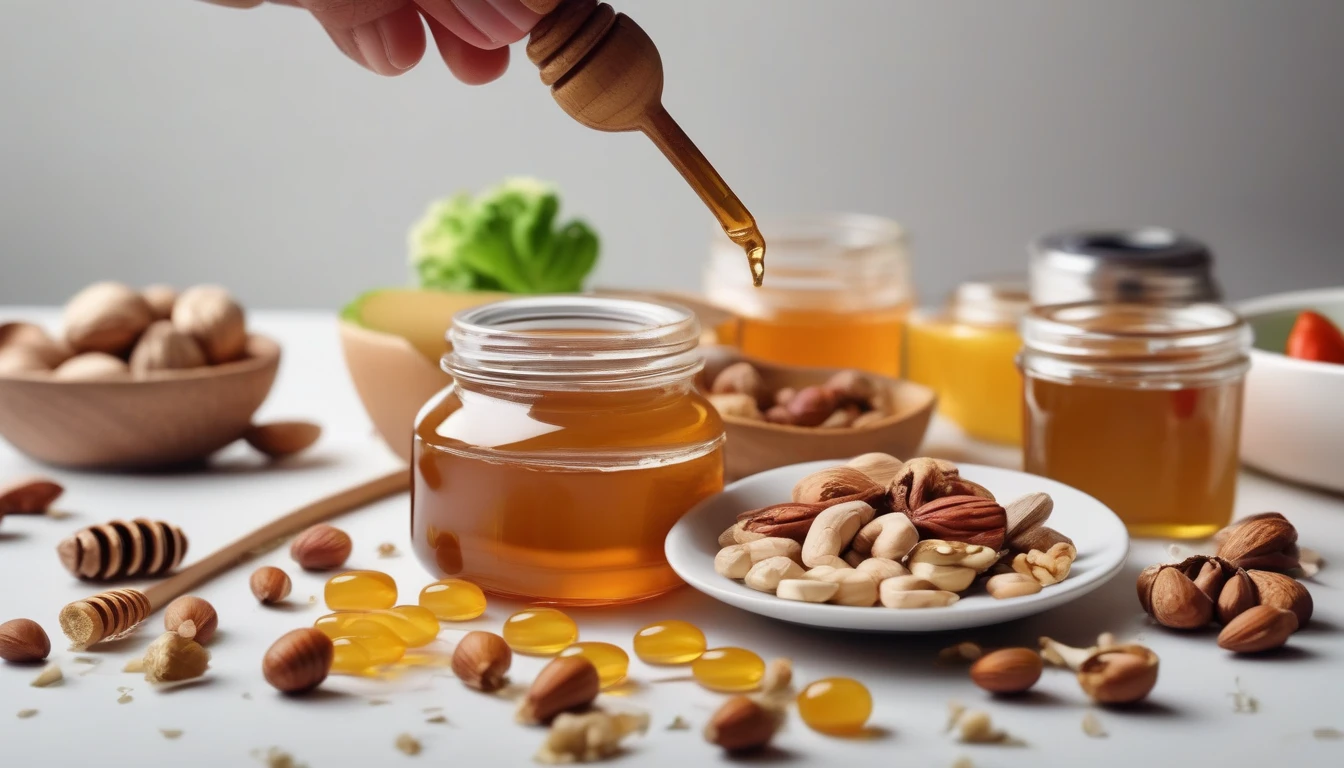
Can Diabetics Eat Honey?
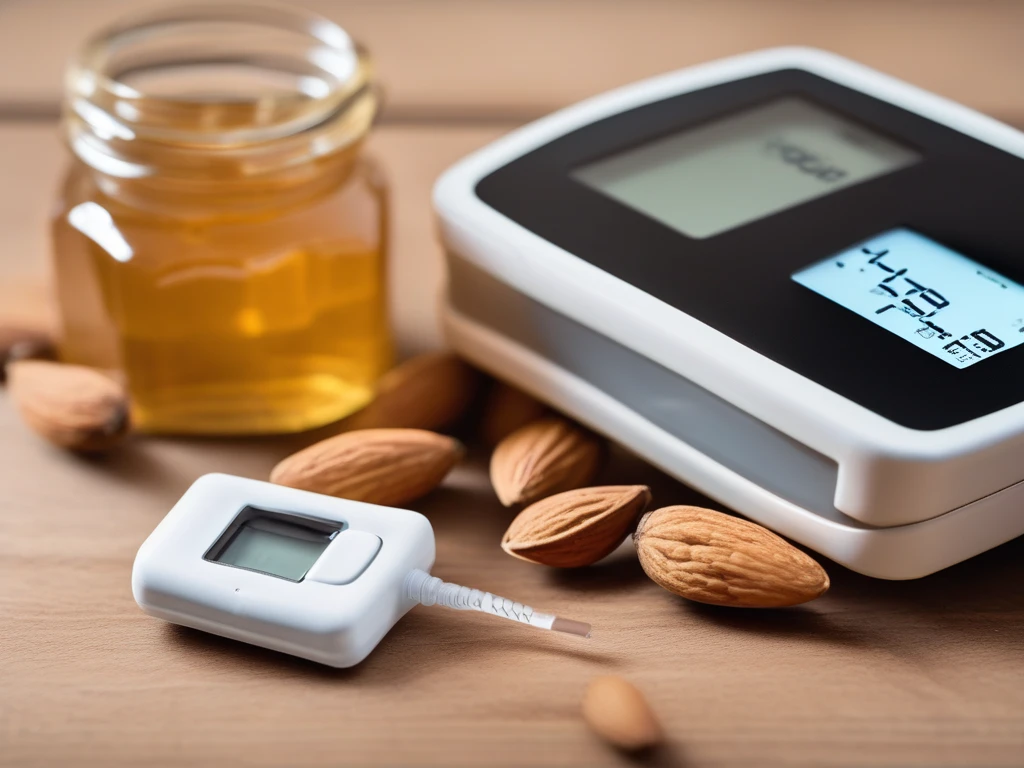
The relationship between honey and diabetes is nuanced and often misunderstood. Honey is not off-limits for most diabetics, but it requires careful consideration and moderation. The American Diabetes Association (ADA) does not single out honey as a food to avoid. Instead, it classifies honey among "nutritive sweeteners" and recommends that people with diabetes can include it in their meal plan as long as they account for the carbohydrates. One tablespoon of honey contains approximately 17 grams of carbohydrates, which is comparable to about 4 teaspoons of granulated sugar. For diabetics who count carbs, honey must be factored into daily carbohydrate targets just like any other sugar-containing food. The critical distinction is between type 1 and type 2 diabetes. People with type 1 diabetes need to bolus insulin for the carbohydrates in honey just as they would for any other carb source. For people with type 2 diabetes, the glycemic impact depends on how much honey is consumed, what it is eaten with, individual insulin sensitivity, and the specific type of honey used. Research suggests that honey may have certain advantages over refined sugar for diabetics — including a lower glycemic index, potential insulin-sensitizing effects, and anti-inflammatory properties — but these benefits do not make honey a "free food." It is still a concentrated source of sugar that will raise blood glucose levels, and any diabetic considering adding honey to their diet should discuss it with their endocrinologist or certified diabetes educator first.
Key Takeaways
- Honey is not off-limits for most diabetics but requires careful moderation
- The ADA classifies honey as a nutritive sweetener to be counted in carb targets
- One tablespoon contains approximately 17g carbohydrates (equivalent to 4 tsp sugar)
- Type 1 diabetics must bolus insulin for honey carbs like any carb source
- Type 2 diabetics: glycemic impact depends on amount, honey type, and individual sensitivity
- Always discuss honey intake with your endocrinologist or diabetes educator
Glycemic Index by Honey Type
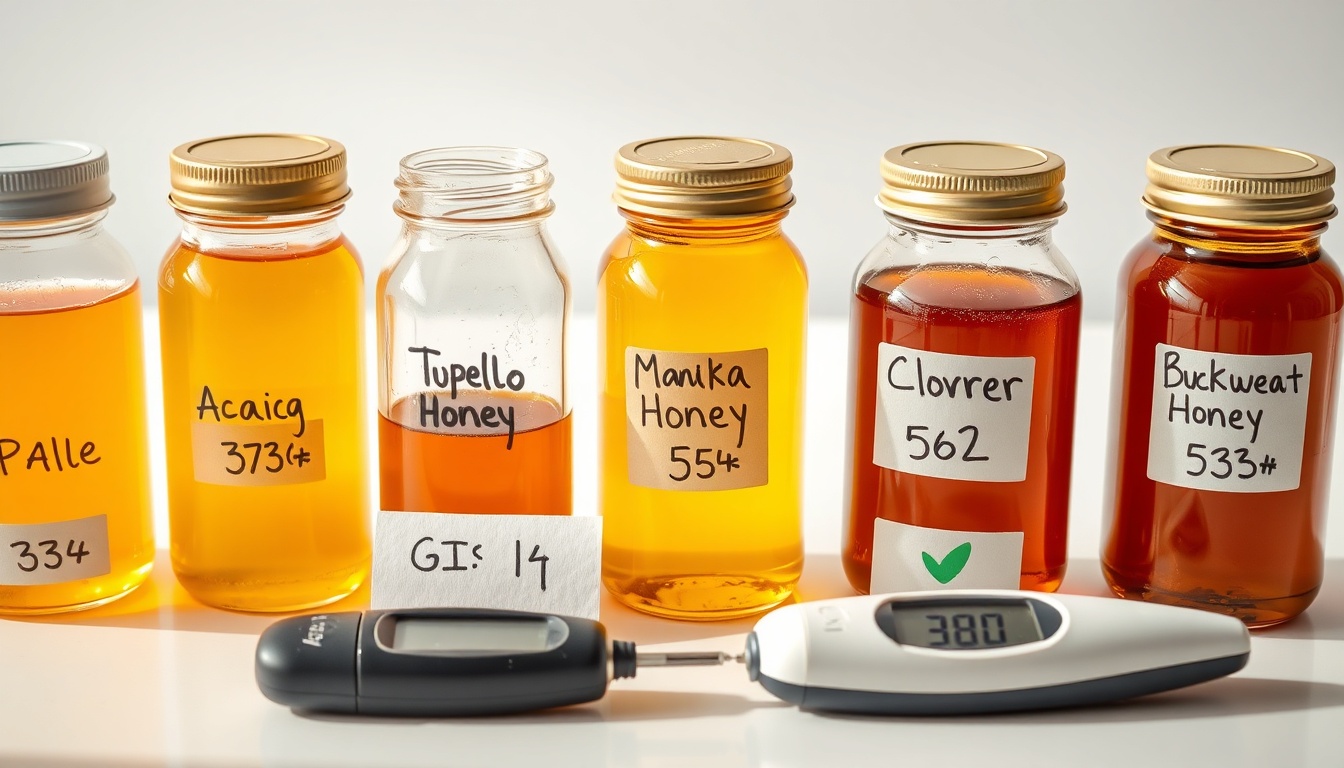
Not all honeys affect blood sugar equally, and the glycemic index (GI) varies significantly by floral source. [Acacia honey](/honey/acacia-honey) stands out with a remarkably low GI of approximately 35 (range 32–42), making it one of the best options for blood sugar management. Its high fructose-to-glucose ratio means it is absorbed more slowly and causes a less dramatic blood sugar spike than other honeys. [Tupelo honey](/honey/tupelo-honey) has a similarly favorable GI of around 36, largely for the same compositional reasons. [Manuka honey](/honey/new-zealand-manuka-umf-15) falls in the moderate range at approximately 54 (range 50–60), while [clover honey](/honey/clover-honey) — the most commonly sold variety in the United States — has a GI of approximately 69 (Ischayek & Kern 2006), which is at or above table sugar (65). [Buckwheat honey](/honey/buckwheat-honey), despite its excellent antioxidant profile, has the highest GI of common varieties at approximately 85 (range 74–93 per Ferretti & Flanagan 1996). Commercial blended honeys and those that have been heavily processed or adulterated with corn syrup can have GIs as high as 87. For comparison, pure glucose has a GI of 100, white bread is about 75, and table sugar is 65. The glycemic load (GL) is equally important for diabetics because it accounts for both the GI and the actual serving size. A teaspoon of even high-GI honey has a relatively small glycemic load because the portion is small. Research published in the Journal of Medicinal Food found that honey produced a lower glycemic response than equivalent amounts of glucose or sucrose in both diabetic and non-diabetic subjects. However, individual responses vary considerably, and diabetics should test their personal blood sugar response to specific honey types using a glucose monitor.
Key Takeaways
- [Acacia honey](/honey/acacia-honey): GI ~35 (lowest, best for blood sugar management)
- [Tupelo honey](/honey/tupelo-honey): GI ~36 (similarly favorable due to high fructose-to-glucose ratio)
- [Manuka honey](/honey/new-zealand-manuka-umf-15): GI ~54 (range 50–60, moderate — below table sugar)
- [Clover honey](/honey/clover-honey): GI ~69 (Ischayek & Kern 2006) — at or above table sugar (65)
- [Buckwheat honey](/honey/buckwheat-honey): GI ~85 (range 74–93) — highest of common honeys, rich in antioxidants
- Individual responses vary — test your blood sugar response with a glucose monitor
Honey vs Other Sweeteners for Diabetics
When comparing sweetener options for people with diabetes, context matters enormously. Refined white sugar (sucrose) has a GI of 65 and provides zero nutritional benefit beyond calories — it is purely empty carbohydrates. Honey, while still a sugar, provides trace vitamins (B vitamins, vitamin C), minerals (potassium, calcium, iron, zinc), enzymes (diastase, invertase, glucose oxidase), and a diverse range of antioxidants including flavonoids and phenolic acids. These additional compounds may partially offset the negative metabolic effects of the sugar content. A study published in the International Journal of Biological Sciences found that honey consumption in type 2 diabetic patients resulted in significantly lower HbA1c levels compared to sucrose consumption over an 8-week period. Agave nectar, often marketed to diabetics for its low GI of 17 to 27, achieves this through an extremely high fructose concentration (70-90%), which many researchers now consider metabolically problematic. Excessive fructose intake has been linked to increased triglycerides, non-alcoholic fatty liver disease, and worsened insulin resistance over time. Artificial sweeteners like sucralose, aspartame, and saccharin have zero carbs and zero glycemic impact but are increasingly scrutinized for potential effects on gut microbiome and insulin signaling. Natural zero-calorie sweeteners like stevia and monk fruit are generally considered the safest options for diabetics who want sweetness without blood sugar impact. However, if a diabetic chooses to use a caloric sweetener, raw honey — particularly low-GI varieties like [acacia honey](/honey/acacia-honey) — may be the most defensible choice due to its additional bioactive compounds and emerging research on its insulin-modulating properties.
Key Takeaways
- White sugar: GI 65, zero nutritional benefit — strictly empty carbs
- Honey: variable GI, provides vitamins, minerals, enzymes, and antioxidants
- Study: honey consumption lowered HbA1c vs sucrose in type 2 diabetics over 8 weeks
- Agave: low GI but extremely high fructose (70-90%), linked to metabolic concerns
- Stevia and monk fruit: zero carbs, generally safest sweetener options for diabetics
- If choosing a caloric sweetener, raw [acacia honey](/honey/acacia-honey) may be the most defensible option
What Does the Research Say?
A growing body of scientific research explores the specific effects of honey on diabetic patients, and the results are more encouraging than many people expect. A landmark 2009 study published in the International Journal of Biological Sciences followed 48 type 2 diabetic patients over 8 weeks. Patients who consumed natural honey experienced a significant decrease in body weight, triglycerides, and total cholesterol, along with an increase in HDL (good) cholesterol. Their HbA1c levels — a key long-term blood sugar marker — also decreased more than the control group that consumed sucrose. A 2014 systematic review in the Journal of Diabetes and Metabolic Disorders analyzed 14 clinical trials and concluded that honey had favorable effects on glycemic control indicators compared to other sweeteners. Multiple studies have identified that certain compounds in honey — including the phenolic acids, flavonoids, and oligosaccharides — may have insulin-sensitizing and anti-inflammatory effects that could benefit diabetic patients. A 2019 study in the journal Nutrients found that the antioxidants in honey can help reduce oxidative stress, which is a major driver of diabetic complications including neuropathy, nephropathy, and retinopathy. Research on [Manuka honey](/honey/new-zealand-manuka-umf-15) specifically has shown it may help improve wound healing in diabetic foot ulcers, a common and serious diabetic complication. However, it is crucial to note that these studies do not suggest diabetics should consume honey freely. The amounts used in research are typically small (one to two tablespoons per day), and the benefits are observed in the context of otherwise well-managed diets. Honey is not a treatment for diabetes and should never replace prescribed medications or insulin therapy.
Key Takeaways
- 2009 study: honey reduced body weight, triglycerides, and HbA1c in type 2 diabetics vs sucrose
- 2014 review of 14 trials: honey had favorable effects on glycemic control vs other sweeteners
- Phenolic acids and flavonoids in honey may have insulin-sensitizing properties
- 2019 study: honey antioxidants help reduce oxidative stress linked to diabetic complications
- [Manuka honey](/honey/new-zealand-manuka-umf-15) may improve wound healing in diabetic foot ulcers
- Benefits seen with small amounts (1-2 tbsp/day) as part of an otherwise well-managed diet
Guidelines for Safe Consumption
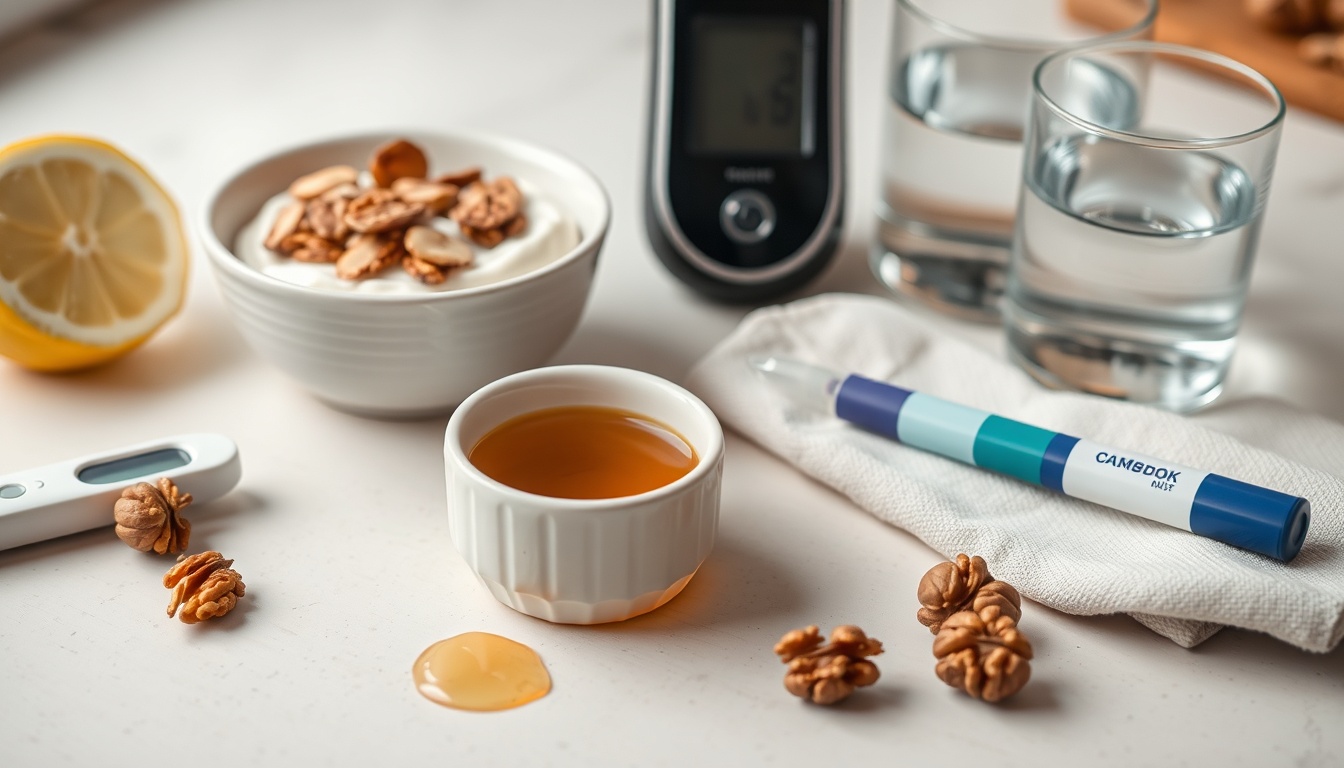
If you have diabetes and want to incorporate honey into your diet, following evidence-based guidelines can help you do so safely. First and foremost, consult your healthcare provider before making any changes to your diet, especially if you are on insulin or oral diabetes medications, as honey will affect your blood sugar levels and may require medication adjustments. Start with very small amounts — a half teaspoon to one teaspoon — and monitor your blood glucose response closely with your meter, testing before eating and at 30, 60, and 120 minutes after consumption. Choose low-GI honey varieties whenever possible. [Acacia honey](/honey/acacia-honey) and [tupelo honey](/honey/tupelo-honey) have the most favorable glycemic profiles for diabetics. Always select raw, unprocessed honey rather than commercial blends, which may be adulterated with corn syrup or heavily processed to the point where beneficial compounds have been destroyed. Never consume honey on an empty stomach, as this will cause a more rapid and pronounced blood sugar spike. Instead, pair honey with foods that contain protein, healthy fats, or fiber, which slow the absorption of sugars. For example, a teaspoon of honey with Greek yogurt and almonds will have a much smaller blood sugar impact than the same honey in tea on an empty stomach. Keep portions small and consistent — for most diabetics, one to two teaspoons per day is a reasonable maximum, and this amount should be counted within your overall carbohydrate budget. Track your intake carefully, as liquid sweeteners like honey are easy to over-pour. Consider using a small measured spoon rather than drizzling from the jar. Finally, never use honey as a substitute for diabetes medication or insulin, and continue following your prescribed treatment plan.
Key Takeaways
- Always consult your healthcare provider before adding honey to a diabetic diet
- Start with 1/2 to 1 teaspoon and monitor blood glucose at 30, 60, and 120 minutes
- Choose low-GI varieties: [acacia honey](/honey/acacia-honey) (GI ~35) or [tupelo honey](/honey/tupelo-honey) (GI ~36) are best
- Never eat honey on an empty stomach — pair with protein, fats, or fiber to slow absorption
- Limit to 1-2 teaspoons per day maximum, counted within your carb budget
- Never use honey as a substitute for prescribed diabetes medications or insulin
Frequently Asked Questions
Can diabetics eat honey?
Yes, most diabetics can eat honey in moderation. The ADA classifies honey as a nutritive sweetener that should be counted in daily carbohydrate targets. One tablespoon has about 17g of carbs.
What is the best honey for diabetics?
[Acacia honey](/honey/acacia-honey) (GI ~35) and [tupelo honey](/honey/tupelo-honey) (GI ~36) have the lowest glycemic indexes among common honey varieties, making them the best choices for blood sugar management.
Does honey raise blood sugar less than sugar?
It depends on the variety. Specialty honeys like [acacia honey](/honey/acacia-honey) (GI ~35) and [tupelo honey](/honey/tupelo-honey) (~36) are well below table sugar (GI 65). But common [clover honey](/honey/clover-honey) (GI ~69) is actually above table sugar — so the claim that honey is lower-GI than sugar applies only to specialty varieties, not the most widely sold type. Always choose by variety and monitor your individual response.
How much honey can a diabetic eat per day?
Most guidelines suggest limiting honey to 1-2 teaspoons per day for diabetics, counted within overall carbohydrate targets. Always monitor blood glucose response and consult your healthcare provider.
Is raw honey better than processed honey for diabetics?
Yes, raw honey retains more beneficial enzymes, antioxidants, and bioactive compounds that may help modulate insulin sensitivity. Processed honey may also be adulterated with corn syrup.
Which honey varieties should I choose for different diabetic management goals?
For blood sugar management: [acacia honey](/honey/acacia-honey) (GI ~35) or [tupelo honey](/honey/tupelo-honey) (GI ~36) are best. For antioxidant benefits: [buckwheat honey](/honey/buckwheat-honey) has exceptional antioxidant density but higher GI (~85), so use sparingly. For moderate therapeutic applications: [Manuka honey](/honey/new-zealand-manuka-umf-15) (GI ~54) offers antimicrobial benefits below table sugar impact. Avoid [clover honey](/honey/clover-honey) (GI ~69) for blood sugar control, though it may be acceptable in very small amounts for some individuals. Always test your personal glucose response with a monitor.
Edited by Sam French · Raw Honey Guide Editorial Team
Source reviewed against primary literature and official guidance where available. Health content is educational, not medical advice, and does not replace a licensed clinician.
Related Guides
Honey Nutrition Facts
Complete nutritional breakdown.
Read GuideHoney vs Sugar
Compare calories, nutrients, and GI.
Read GuideHoney on Keto
Carb count and keto alternatives.
Read GuideRelated Articles
Honey and Diabetes: Can Diabetics Eat Honey Safely?
Can diabetics eat honey safely? Clinical evidence on glycemic impact, safe guidelines by diabetes type, and best varieties.
Read ArticleAcacia Honey Benefits: Why This Light, Low-GI Honey Stands Out
Acacia honey has the lowest glycemic index (32-35) of common honeys. Benefits for blood sugar, digestion, and inflammation.
Read ArticleHow Much Honey Per Day: 1-2 Tbsp for Most Adults
1-2 tablespoons works for most adults, while kids, diabetics, and athletes need different amounts. Age- and goal-specific dosing charts, plus the health-focused daily-use guide.
Read ArticleHoney and Blood Pressure: Can It Help Lower Hypertension?
Does honey lower blood pressure? Review clinical evidence on potassium, nitric oxide, and safe use with BP medications.
Read ArticleLooking for low-GI honey varieties?
Browse Honey by Type