Is Honey Keto-Friendly?
Honey is one of nature's most nutritious sweeteners, but its high carbohydrate content makes it a complicated choice for keto dieters. Here is exactly what you need to know about honey and ketosis, including when (if ever) it might fit your macros.
Last updated: May 2026
No, honey is generally not keto-friendly. One tablespoon contains about 17g of net carbs, which can use up most of a strict keto dieter's entire daily carb allowance of 20-50g. Keto-friendly alternatives like stevia, monk fruit, and allulose provide sweetness without the carbs.
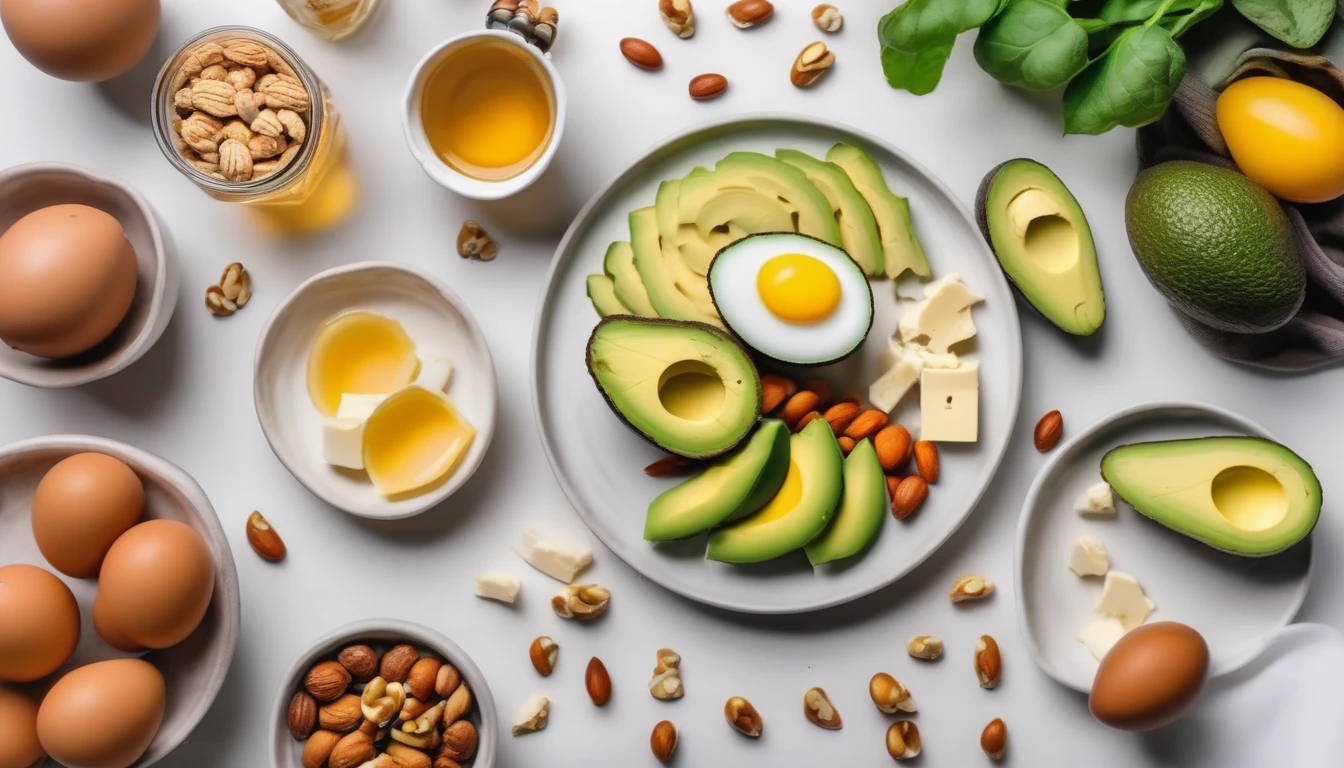
Honey on Keto at a Glance
Up to 85% of daily keto limit
All carbs are net carbs
Best keto alternative
Is Honey Keto-Friendly?
The short answer is no — honey is not considered keto-friendly. The ketogenic diet typically restricts daily net carbohydrate intake to 20 to 50 grams to maintain a metabolic state called ketosis, where the body burns fat for fuel instead of glucose. A single tablespoon of honey contains approximately 17 grams of carbohydrates, virtually all from sugar (primarily fructose and glucose). That means just one tablespoon of honey could consume 34% to 85% of your entire daily carb allowance on a strict keto diet. Unlike some foods that have a high total carb count but significant fiber (which can be subtracted to calculate net carbs), honey contains essentially zero fiber. Every gram of carbohydrate in honey is a net carb that counts fully against your daily limit. Consuming honey can easily knock you out of ketosis, the metabolic state that the entire ketogenic approach depends upon. Even small amounts — a teaspoon in tea or a drizzle on yogurt — add up quickly. A teaspoon contains about 6 grams of carbs, and most people underestimate how much they actually use. The high fructose content in honey is particularly problematic for keto dieters because fructose is processed by the liver and can be readily converted to glycogen, further disrupting ketosis. For these reasons, virtually all keto experts and resources classify honey as a food to avoid during active ketosis.
Key Takeaways
- One tablespoon of honey has approximately 17g net carbs — up to 85% of a strict keto daily limit
- Honey contains zero fiber, so all carbohydrates count as net carbs
- Even small amounts can disrupt ketosis, the metabolic state keto depends on
- High fructose content is processed by the liver and readily converted to glycogen
- Virtually all keto authorities classify honey as a food to avoid during active ketosis
- A single teaspoon still contains about 6g of carbs, which adds up quickly
Carb and Sugar Breakdown
Understanding exactly what is in honey helps explain why it is incompatible with keto. Honey is roughly 80% sugar by weight, with the remaining 20% being water and trace amounts of vitamins, minerals, enzymes, and amino acids. The sugar composition breaks down to approximately 38% fructose, 31% glucose, 7% maltose, and small amounts of sucrose and other complex sugars. Per tablespoon (21 grams), honey provides about 64 calories and 17.3 grams of carbohydrates, of which 17.2 grams are sugars and essentially zero grams are fiber. The glycemic index of honey varies significantly by type — ranging from about 32 for acacia honey $9-16 ultra-low GI slow-release to 87 for some commercial blends — but even low-GI honeys like acacia honey contain the same total 17g carbohydrate load per tablespoon. Wildflower honey $13-24 regional botanical complexity typically has a moderate GI around 45-55, while clover honey $9-15 baseline sweetness ranges 45-60 GI depending on processing. For comparison, other common sweeteners on keto look very different: erythritol has zero net carbs per tablespoon, stevia has zero, monk fruit has zero, and even table sugar at 12.6 grams per tablespoon has fewer carbs than honey. The reason honey has more carbs than table sugar per tablespoon is density — honey is denser and heavier, so a tablespoon of honey weighs more than a tablespoon of sugar. On a gram-for-gram basis, honey and sugar have similar carbohydrate content, but because honey is typically measured by volume in recipes, its impact per serving is actually greater.
Key Takeaways
- Honey is approximately 80% sugar by weight (38% fructose, 31% glucose, 7% maltose)
- One tablespoon: 64 calories, 17.3g carbs, 17.2g sugars, 0g fiber
- Glycemic index varies from 32 (acacia) to 87 (commercial blends)
- Keto sweeteners like erythritol, stevia, and monk fruit have zero net carbs
- Honey actually has more carbs per tablespoon than table sugar due to higher density
- Even "low-GI" honeys contain the same total carbohydrate load
When You Might Still Use Honey on Keto
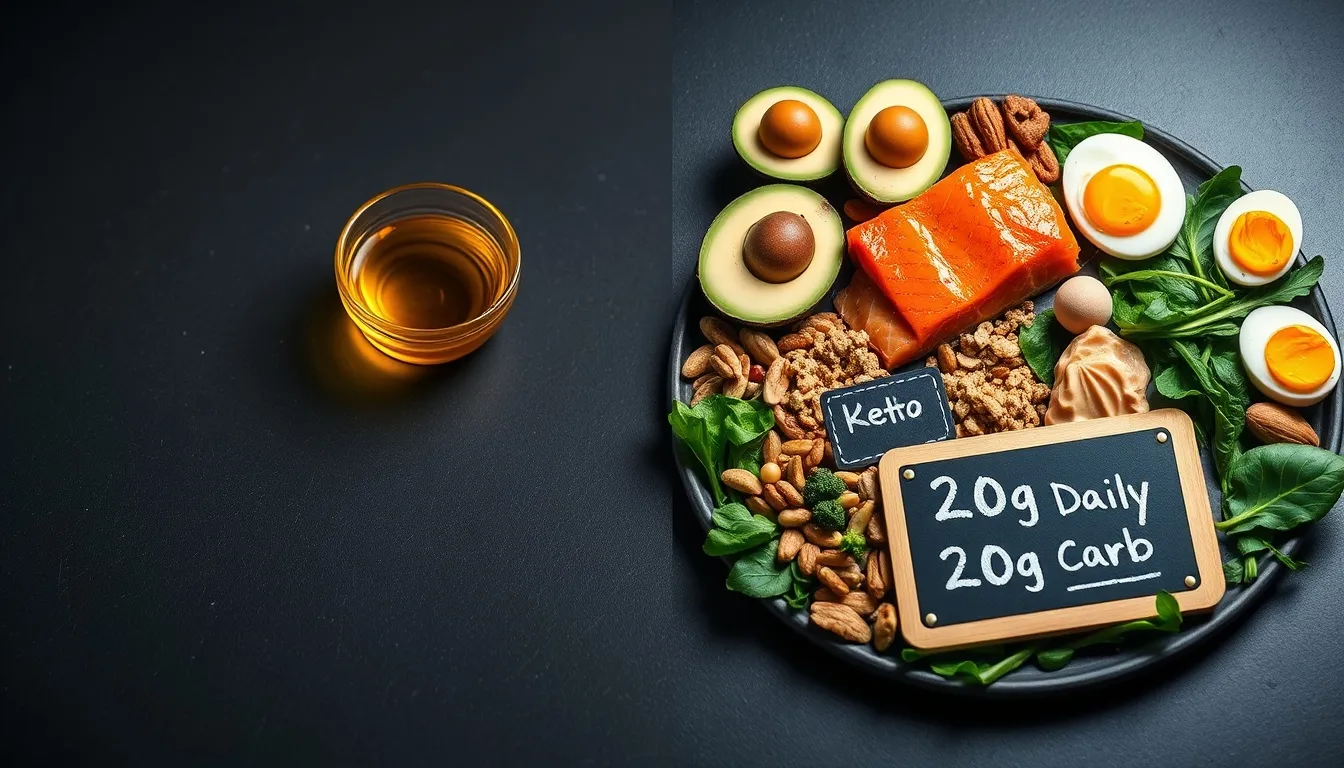
While honey is generally off-limits during strict keto, there are a few specific scenarios where small amounts are sometimes included. The targeted ketogenic diet (TKD) is a variation used by athletes and highly active individuals who consume 20 to 50 grams of fast-acting carbohydrates 30 to 60 minutes before intense exercise. In this context, a tablespoon of wildflower honey $13-24 balanced complexity or clover honey $9-15 neutral sweetness before a heavy workout can provide quick energy that is burned off during exercise, allowing the body to return to ketosis relatively quickly afterward. The cyclical ketogenic diet (CKD) involves periods of higher carb intake — typically one to two days per week — where followers intentionally exit ketosis to refill muscle glycogen stores. During these "carb-up" days, honey is a perfectly acceptable carbohydrate source. Some people follow a modified or "lazy" keto approach with a higher carb ceiling of 50 to 100 grams per day, which could technically accommodate a small amount of honey if carefully tracked. Additionally, some people who have been in ketosis for extended periods find that they can tolerate small amounts of honey (half a teaspoon or less) without being kicked out of ketosis, though this varies significantly between individuals and should be verified with ketone testing. If you do use honey on keto, raw manuka honey UMF 15+ $39.99 or raw wildflower honey are the best choices because their additional bioactive compounds, antimicrobial properties, and antioxidants provide health benefits that partially offset the carbohydrate cost.
Key Takeaways
- Targeted keto diet (TKD): 1 tbsp honey before intense exercise may be strategically used
- Cyclical keto diet (CKD): honey is acceptable during scheduled carb-up days
- Modified/lazy keto (50-100g carbs/day): small amounts may fit within the higher limit
- Some long-term keto dieters tolerate tiny amounts — verify with ketone testing
- If using honey on keto, choose raw Manuka or wildflower for maximum bioactive benefits
- Always track carbs precisely when incorporating any honey on a keto protocol
Keto-Friendly Alternatives to Honey
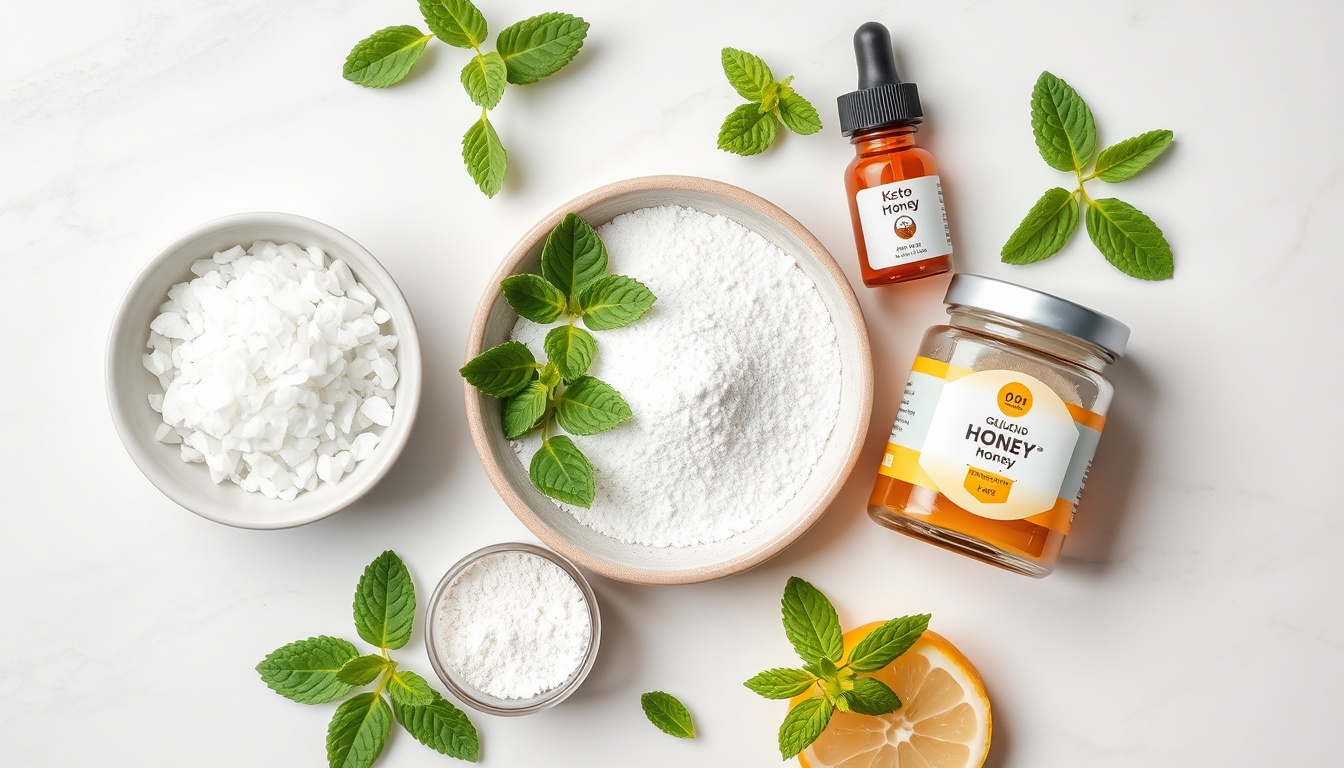
The good news for keto dieters who miss honey's sweetness is that several excellent alternatives exist. Stevia is a natural, zero-calorie sweetener derived from the leaves of the Stevia rebaudiana plant. It has zero carbs and zero glycemic impact, making it one of the most keto-friendly options available. Liquid stevia drops work particularly well as a honey substitute in tea and beverages. Monk fruit sweetener (luo han guo) is another natural zero-calorie option that has been used in traditional Chinese medicine for centuries. It gets its sweetness from antioxidant compounds called mogrosides rather than sugars, so it has no impact on blood sugar or ketosis. Erythritol is a sugar alcohol that contains only 0.2 calories per gram (compared to sugar's 4 calories per gram) and has a glycemic index of zero. It does not raise blood sugar or insulin levels and is generally well-tolerated digestively. Allulose is a rare sugar that tastes and behaves like regular sugar but is not metabolized by the body — it passes through largely undigested, contributing minimal calories and no significant blood sugar impact. For those specifically seeking a honey-like experience, several brands now make "keto honey" products that combine sugar-free sweeteners with natural flavoring to approximate honey's taste and texture. ChocZero and Lakanto both offer popular options. You can also make a homemade keto honey substitute by warming allulose with a small amount of lemon juice and a pinch of turmeric for color — the result is surprisingly close to real honey in both flavor and viscosity.
Key Takeaways
- Stevia: natural, zero carbs, zero glycemic impact — liquid drops work well in beverages
- Monk fruit: zero-calorie, sweetened by antioxidant mogrosides, no effect on ketosis
- Erythritol: 0.2 cal/gram, GI of zero, generally well-tolerated digestively
- Allulose: tastes like sugar but passes through undigested with minimal caloric impact
- Commercial "keto honey" products from brands like ChocZero and Lakanto
- Homemade keto honey: warm allulose with lemon juice and a pinch of turmeric for color
Making an Informed Choice
Ultimately, whether to include honey on a ketogenic diet comes down to your specific goals, your version of keto, and how your body responds. If you are following a strict ketogenic diet for therapeutic purposes — such as epilepsy management, where the diet was originally developed, or for aggressive weight loss — honey should be completely avoided. The carbohydrate content is simply too high to justify, and the risk of disrupting ketosis outweighs any nutritional benefits honey provides. If you are following keto primarily for general health and moderate weight management, and you are using a more flexible approach, occasional small amounts of raw honey might be worth the carb investment for its unique health benefits: antimicrobial properties, prebiotic effects, antioxidants, and immune support that no artificial sweetener can replicate. In this case, some people make an occasional exception for raw Manuka honey when they're sick, treating it more like a remedy than a daily sweetener — though this is a matter of personal preference within your keto approach, not a clinically established treatment for sore throat or any illness. Remember that keto is a tool, not a religion. The best dietary approach is one you can maintain long-term while achieving your health goals. If completely eliminating honey makes your diet feel unsustainable, strategic small-quantity use may be a worthwhile compromise. But be honest with yourself about amounts — "just a little honey" has a way of becoming a tablespoon before you know it, and that tablespoon carries real metabolic consequences on a low-carb diet.
Key Takeaways
- Strict therapeutic keto (epilepsy, aggressive weight loss): avoid honey completely
- Flexible health-focused keto: occasional small amounts may be worth the carb cost
- Raw honey offers antimicrobial, prebiotic, and antioxidant benefits no sweetener can match
- Treat honey as a medicinal food, not a daily sweetener, when on keto
- Some people make an occasional exception for Manuka honey when sick, as personal preference rather than clinical necessity
- Be honest about portions — "a little honey" easily becomes a full tablespoon
Related Honey Nutrition Guides
Frequently Asked Questions
Is honey keto-friendly?
No, honey is not keto-friendly. One tablespoon contains approximately 17 grams of net carbs, which can represent up to 85% of a strict keto daily carb limit of 20 grams.
How many carbs are in a tablespoon of honey?
A tablespoon of honey contains about 17.3 grams of carbohydrates, virtually all from sugars (fructose and glucose), with zero fiber.
Which honey varieties should I choose if I must use honey on keto?
If strategically using honey on keto, prioritize raw manuka honey (UMF 15+) for maximum bioactive benefits, or acacia honey for its ultra-low glycemic index (32). Raw wildflower honey offers balanced complexity with moderate GI, while clover honey provides budget-friendly neutral sweetness for pre-workout TKD protocols.
What can I use instead of honey on keto?
Keto-friendly alternatives include stevia, monk fruit sweetener, erythritol, and allulose. Commercial keto honey products from brands like ChocZero and Lakanto also mimic honey's taste.
Will a teaspoon of honey kick me out of ketosis?
Possibly. A teaspoon of honey has about 6 grams of carbs. Whether this disrupts ketosis depends on your total daily carb intake, activity level, and individual metabolism.
Edited by Sam French · Raw Honey Guide Editorial Team
Source reviewed against primary literature and official guidance where available. Health content is educational, not medical advice, and does not replace a licensed clinician.
Get the Honey Buyer's Cheat Sheet (free PDF)
16 varieties on one page — color, flavor, best use and what a fair price looks like — from the 304 honeys we track.
Related Guides
Honey Nutrition Facts
USDA reference values and label-reading context.
Read GuideHoney vs Stevia
Calories vs health benefits.
Read GuideHoney and Diabetes
Carbohydrate and serving-label guidance.
Read GuideRelated Articles
Is Honey Keto? The Complete Guide to Honey on a Ketogenic Diet
Can you eat honey on keto? Understand honey's carb count, glycemic impact, and smarter alternatives for a ketogenic diet.
Read ArticleHoney and Cholesterol: Can It Help Lower Your Levels?
Can honey lower cholesterol? Clinical evidence on LDL, HDL, triglycerides, and practical tips for cardiovascular health.
Read ArticleExploring sweetener options?
Compare Honey vs Sugar