Honey and Whole30
Whole30 is one of the few popular diets that excludes honey entirely — and it is not because honey is unhealthy. Understanding why honey is off-limits and how to cook without it will help you get the most from the program and enjoy honey even more afterward.
Last updated: May 2026
No, honey is not allowed on Whole30. All added sweeteners are eliminated for 30 days to reset your relationship with sugar. After completing the program, honey can be reintroduced during the structured reintroduction phase to assess how it affects you personally.
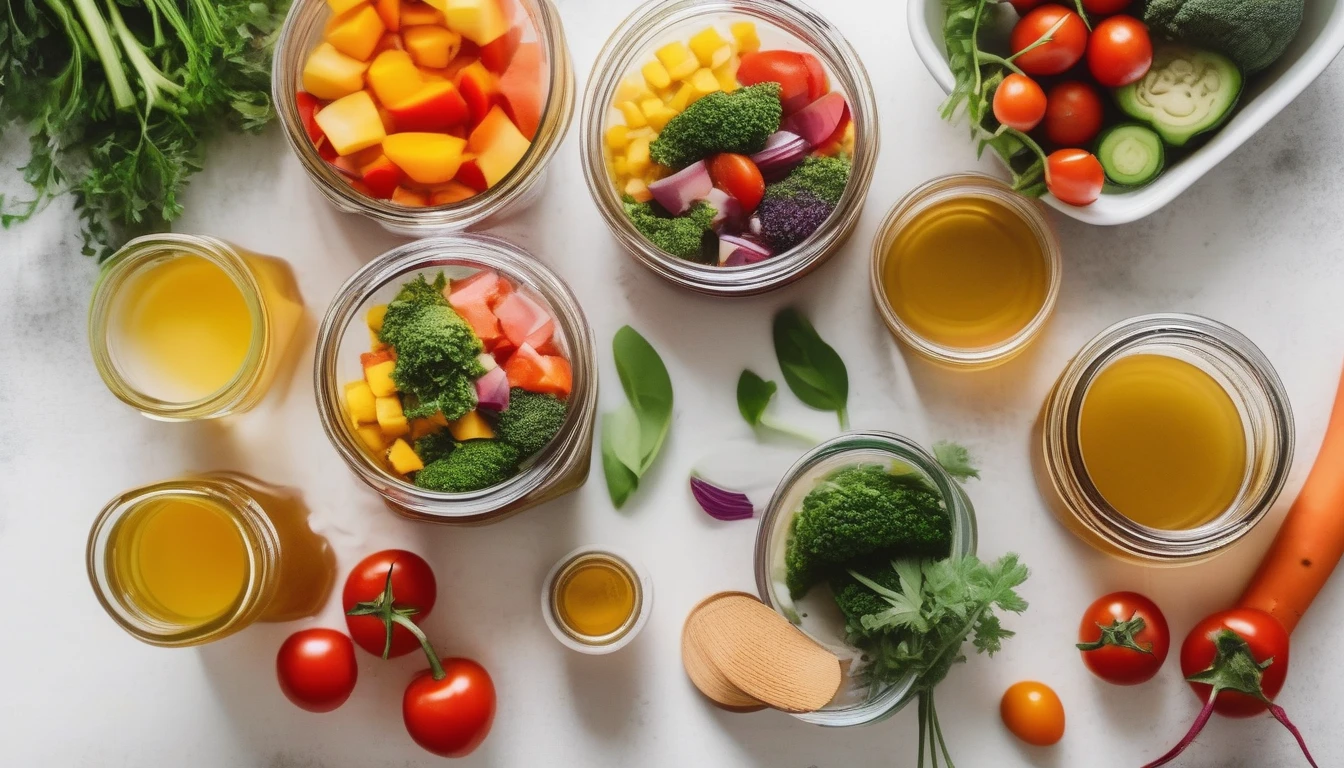
Whole30 Sweetener Rules
All caloric sweeteners excluded
Zero-calorie sweeteners also excluded
Natural sweetness from whole foods
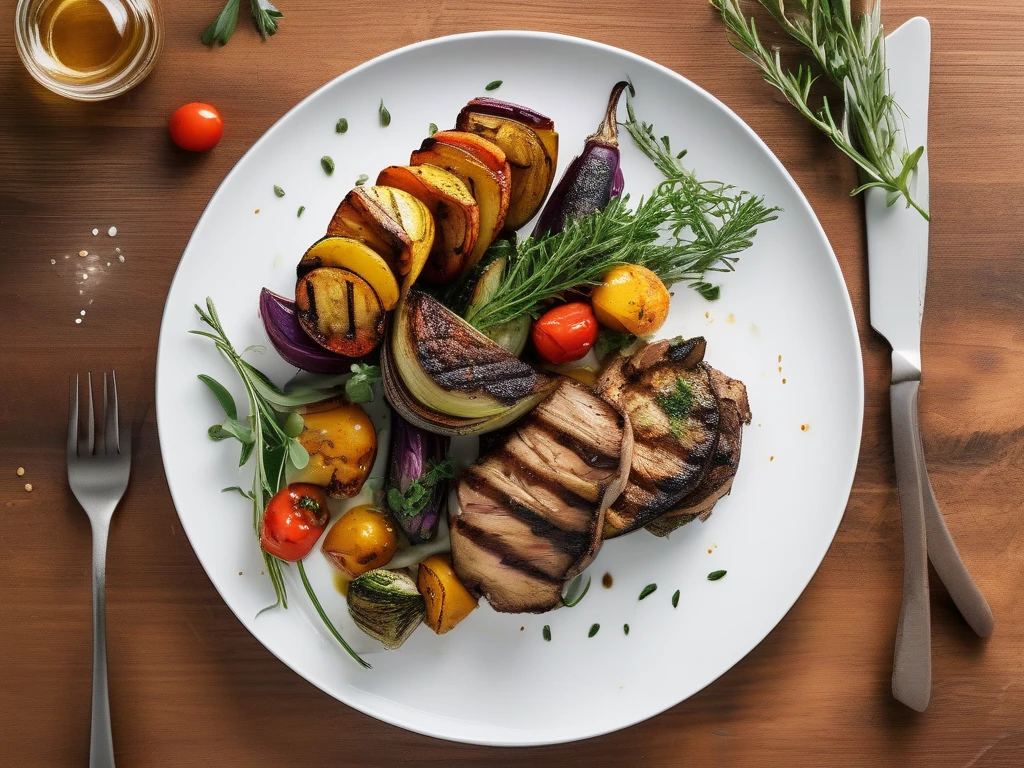
Is Honey Allowed on Whole30?
No — honey is explicitly not allowed on Whole30. This surprises many people, especially those coming from the paleo community where honey is enthusiastically embraced. Whole30 eliminates all added sweeteners without exception for the program's full 30-day duration. This includes honey, maple syrup, agave nectar, coconut sugar, stevia, monk fruit, xylitol, and every other form of added sweetener — both caloric and non-caloric, natural and artificial. The official Whole30 program rules are unambiguous on this point: "Do not consume added sugar of any kind, real or artificial. This includes honey, maple syrup, agave nectar, coconut sugar, date syrup, stevia, Splenda, Equal, NutraSweet, and xylitol." There are no exceptions, no "just a little bit," and no workarounds. Even using honey in cooking or baking — where you might not taste sweetness in the final product — is prohibited. The only sweetness allowed on Whole30 comes from whole fruit and fruit juice used in cooking (for example, apple juice in a marinade or dates in a compliant recipe), though even fruit juice as a beverage is discouraged. This strict approach is a deliberate design choice by Whole30 founders Melissa Urban and Dallas Hartwig, and understanding the reasoning behind it is essential for getting the most out of the program.
Key Takeaways
- Honey is explicitly NOT allowed on Whole30 — no exceptions during the 30 days
- All added sweeteners are eliminated: honey, maple syrup, stevia, monk fruit, artificial sweeteners
- Even honey used in cooking where you cannot taste sweetness is prohibited
- Only sweetness from whole fruit and fruit juice in cooking is permitted
- Fruit juice as a beverage is also discouraged despite being technically compliant
- This strict approach is a deliberate design choice, not an oversight
Why Is Honey Excluded from Whole30?
Whole30's exclusion of honey is not based on honey being unhealthy — it is based on the program's central mission of resetting your relationship with food and breaking the cycle of sugar dependency. Melissa Urban, Whole30's co-creator, has been clear that the program is not making a permanent nutritional judgment about honey. Instead, Whole30 is a 30-day experiment designed to identify how specific food groups affect your body, energy, cravings, and overall health. Sweeteners — including natural ones like honey — are eliminated because they perpetuate the cycle of craving sweetness. The program's philosophy holds that even using "healthier" sweeteners maintains the neurological and psychological patterns associated with sugar dependence. When you sweeten your food with honey, your brain's reward pathways respond to the sweetness in fundamentally the same way they respond to refined sugar. The dopamine release, the pleasure response, and the subsequent craving for more sweetness remain intact regardless of whether the sweet taste comes from honey, stevia, or table sugar. Whole30 aims to give your palate and brain a full 30-day reset from this cycle. By the end of the program, many participants report that their taste perception has genuinely shifted — foods that seemed bland before now taste rich and satisfying, fruit tastes almost overwhelmingly sweet, and the constant background craving for something sweet has significantly diminished or disappeared entirely. This reset allows you to then reintroduce honey (and other sweeteners) from a place of conscious choice rather than habitual craving. The program is not anti-honey; it is anti-sugar-dependency.
Key Takeaways
- Whole30 is not saying honey is unhealthy — it is resetting your relationship with sweetness
- Even natural sweeteners perpetuate neurological patterns of sugar dependence
- Honey triggers the same dopamine and reward pathways as refined sugar
- The 30-day elimination allows your palate to genuinely recalibrate
- Many participants report dramatically shifted taste perception after the program
- The goal is to reintroduce sweeteners from conscious choice, not habitual craving
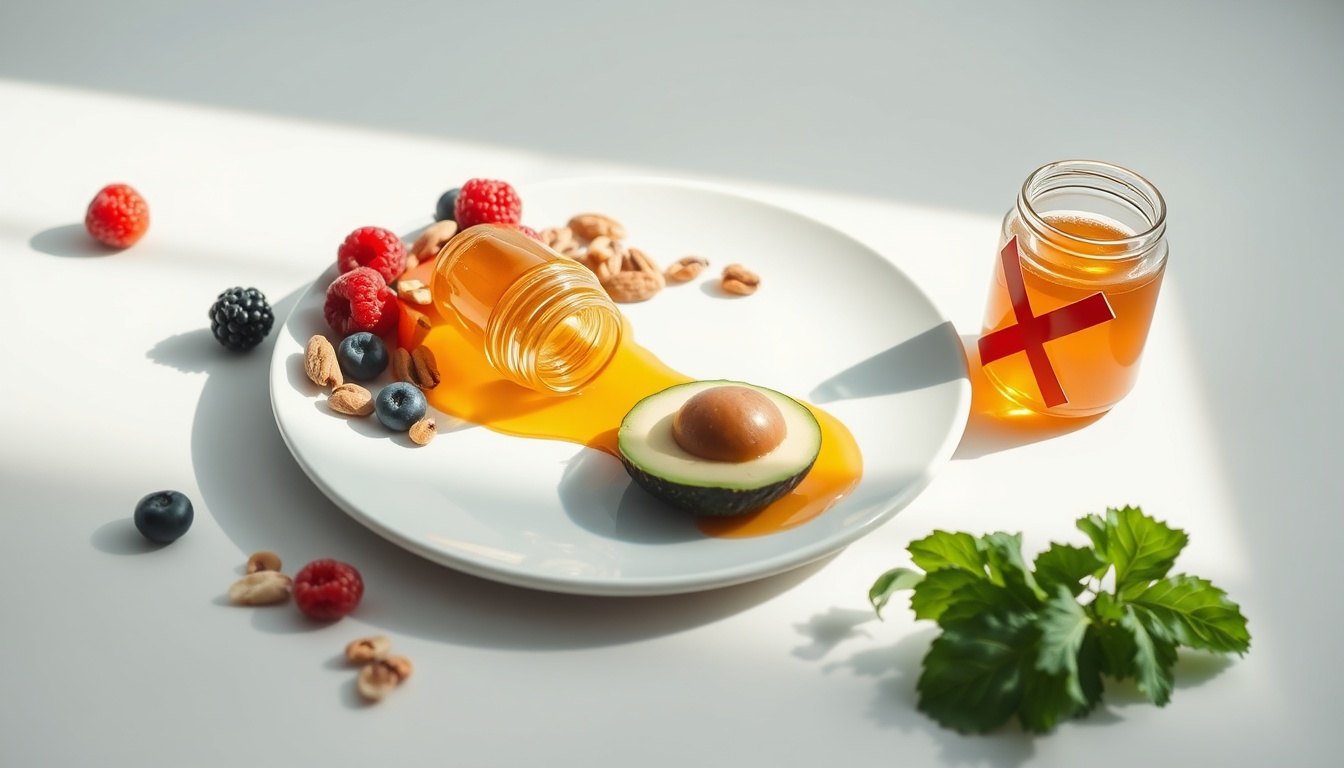
How to Reintroduce Honey After Whole30
The Whole30 reintroduction phase is where honey gets its chance to shine, and doing it methodically is key to learning from the program. The official reintroduction protocol recommends adding back eliminated food groups one at a time, with two to three days of Whole30-compliant eating between each reintroduction to clearly identify any reactions. When reintroducing honey and other natural sweeteners, choose a day to add honey back into your diet in moderate amounts — perhaps a tablespoon in your morning tea, and a drizzle on compliant foods throughout the day. Pay careful attention to how you feel physically, mentally, and emotionally over the next 24 to 48 hours. Key things to monitor include: energy levels (do you crash after consuming honey?), cravings (does having honey make you want more sweetness throughout the day?), digestive response (bloating, gas, or discomfort?), sleep quality (any disruption?), mood and mental clarity, and skin changes. Many Whole30 graduates report one of three common outcomes. Some find that honey has minimal impact and can be reintroduced comfortably as a moderate part of their diet. Others discover that honey triggers intense cravings for more sweetness, suggesting they are better off keeping sweeteners minimal. A third group finds they can enjoy honey occasionally but not daily without negative effects. All three outcomes are valuable information that helps you build a personalized, sustainable post-Whole30 approach. Melissa Urban recommends a slow-roll reintroduction for people who felt great during Whole30 and are not eager to change anything — simply continue eating Whole30-compliant and add back individual foods only when you specifically miss them or have a compelling reason to reintroduce them.
Key Takeaways
- Reintroduce honey separately from other food groups for clear results
- Allow 2-3 days of Whole30 eating between reintroductions to isolate reactions
- Monitor: energy, cravings, digestion, sleep, mood, and skin for 24-48 hours
- Common outcome 1: minimal impact — honey can be a moderate part of your diet
- Common outcome 2: triggers intense cravings — better to keep sweeteners minimal
- Common outcome 3: enjoyable occasionally but not daily without negative effects
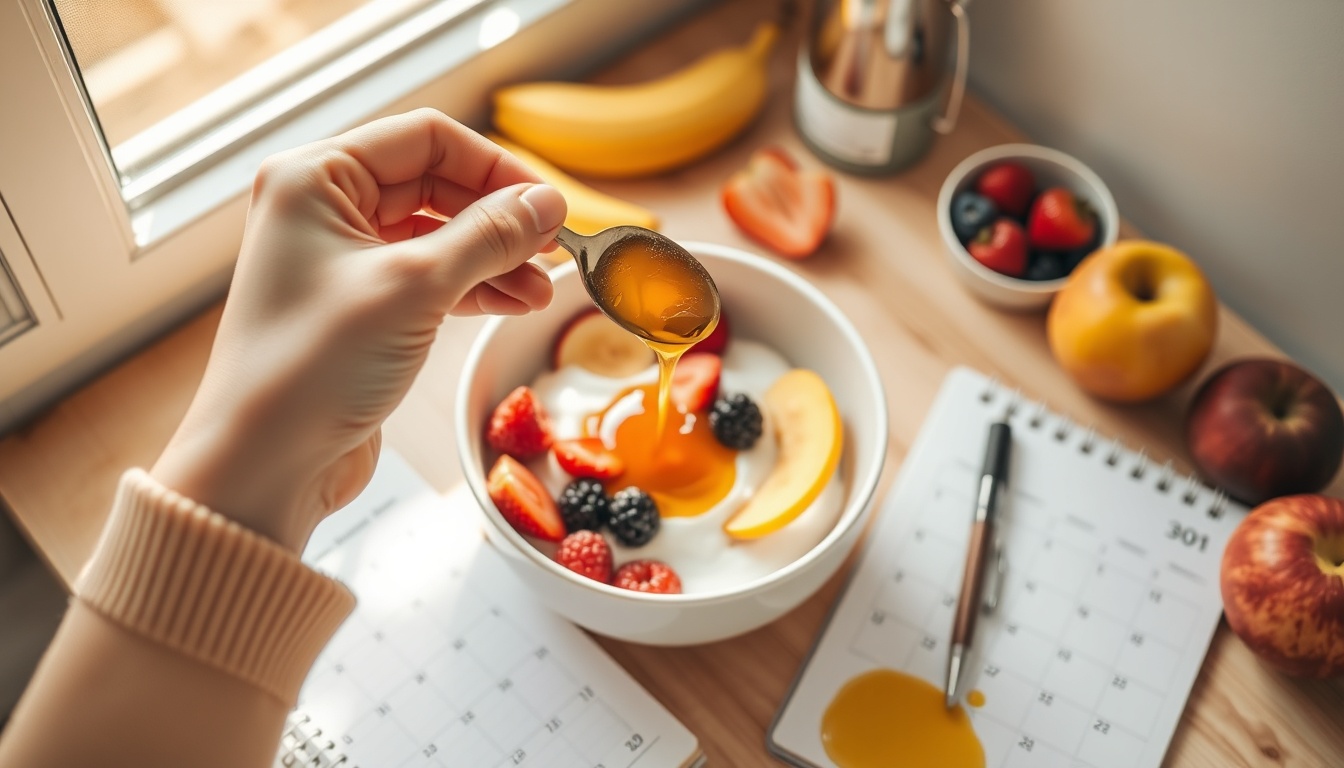
How to Cook Without Honey on Whole30
Cooking without honey (and all other sweeteners) for 30 days is easier than most people expect once you learn the strategies. The most important mindset shift is this: the goal is not to replicate sweetness with compliant substitutes, but to discover and enjoy flavors that are not dependent on sweetness. That said, there are legitimate cooking techniques that add natural complexity and depth. Caramelizing onions, roasting root vegetables (sweet potatoes, beets, carrots, butternut squash), and slow-cooking meats all develop natural sugars through the Maillard reaction without adding any sweetener. These techniques can add satisfying depth to dishes that might have previously relied on a honey glaze or sweetened sauce. For dressings and marinades where honey would normally balance acidity, use compliant alternatives: balsamic vinegar has natural sweetness, citrus juice and zest add brightness, and using a compliant fruit juice concentrate (like apple juice) is permitted in cooking. Coconut aminos, which is Whole30-compliant, adds a savory-sweet umami note that works brilliantly in Asian-inspired dishes and marinades. Fresh and dried fruits are Whole30-compliant in whole form and can add natural sweetness to savory dishes — dates blended into sauces, dried cranberries (check for no added sugar) in salads, or apple slices with pork. Spices like cinnamon, vanilla, nutmeg, cardamom, and allspice create the perception of sweetness without any actual sugar. A sprinkle of cinnamon on roasted sweet potatoes or a dash of vanilla in your coffee can satisfy a sweet craving remarkably well. Many Whole30 graduates discover that these natural flavoring techniques become permanent additions to their cooking repertoire, even after the program ends and honey is back on the table.
Key Takeaways
- The goal is not to replicate sweetness but to discover non-sweet flavor depth
- Caramelize onions, roast root vegetables, and slow-cook meats for natural sugars
- Balsamic vinegar, citrus, and coconut aminos add brightness without added sweetener
- Whole fruit and fruit juice in cooking are compliant (dates in sauces, apple slices with pork)
- Cinnamon, vanilla, nutmeg, and cardamom create the perception of sweetness without sugar
- Many graduates keep these techniques even after reintroducing honey post-program
Edited by Sam French · Raw Honey Guide Editorial Team
Source reviewed against primary literature and official guidance where available. Health content is educational, not medical advice, and does not replace a licensed clinician.
Get the Honey Buyer's Cheat Sheet (free PDF)
16 varieties on one page — color, flavor, best use and what a fair price looks like — from the 304 honeys we track.
Related Guides
Honey on Paleo
Why honey is paleo-approved.
Read GuideHoney vs Sugar
Compare calories, nutrients, and GI.
Read GuideCooking with Honey
Tips for baking, glazes, and pairings.
Read GuideRelated Articles
Raw Honey Benefits: 12 Science-Backed Reasons to Make the Switch
12 science-backed raw honey benefits: immune support, wound healing, gut health, better sleep, and more. Daily usage guide.
Read ArticleRaw Honey vs Regular Honey: What's Actually Different?
Raw vs regular honey: compare nutrition, enzymes, antioxidants, processing methods, and which one is better for your health.
Read ArticleFinished Whole30? Time to rediscover honey.
Browse Raw Honey Varieties