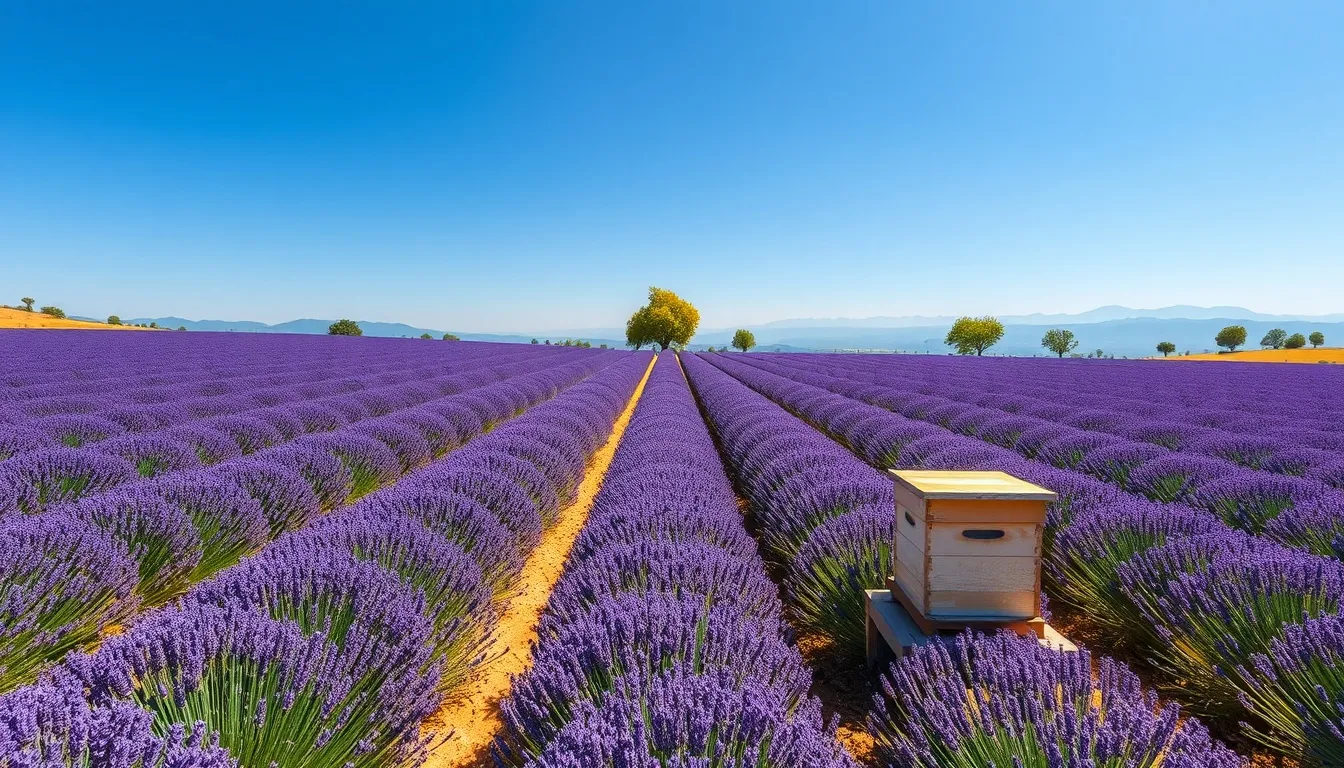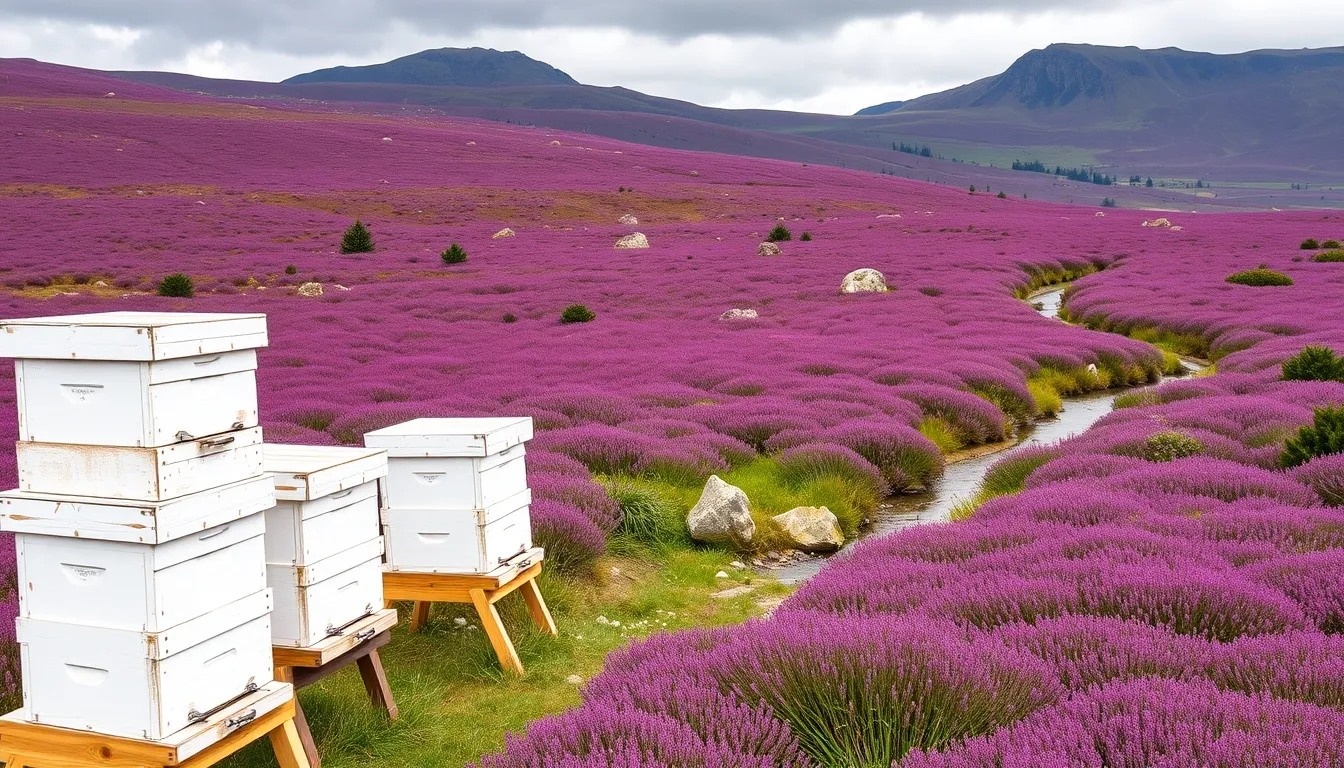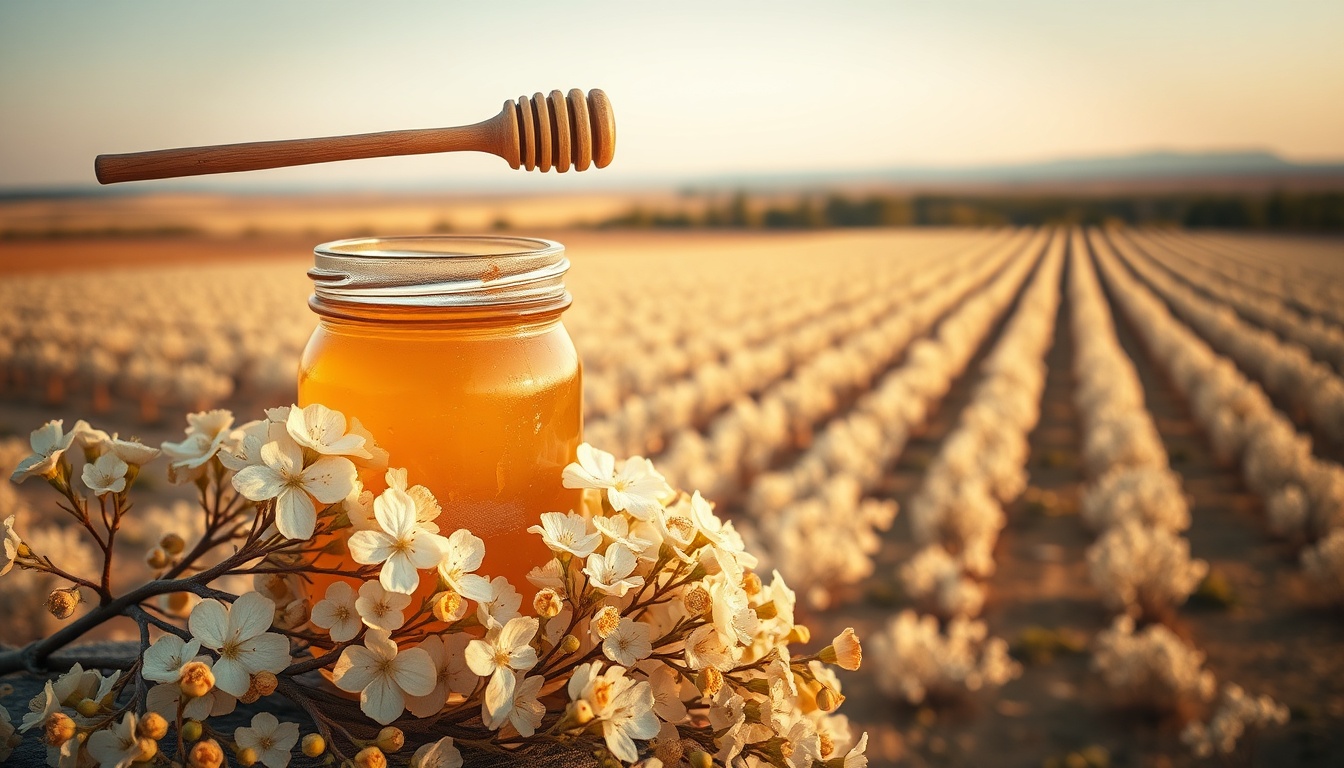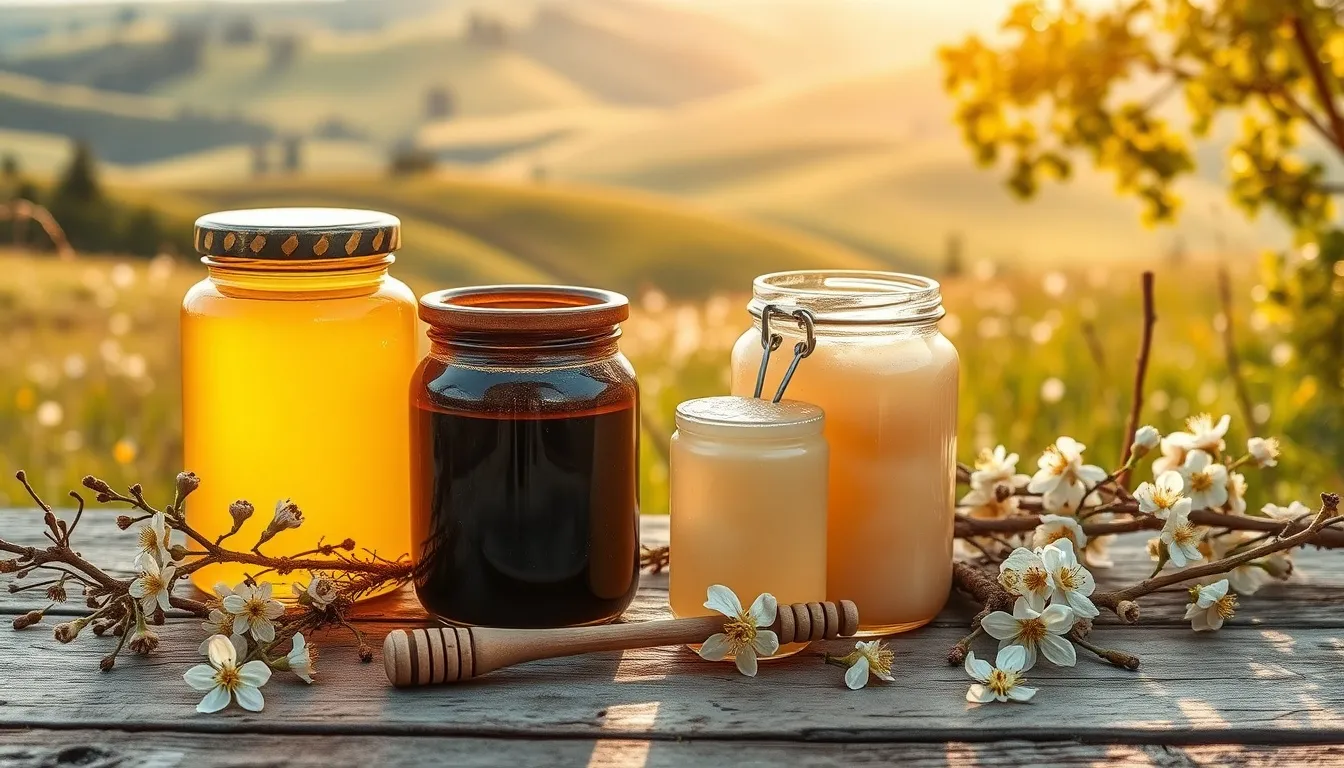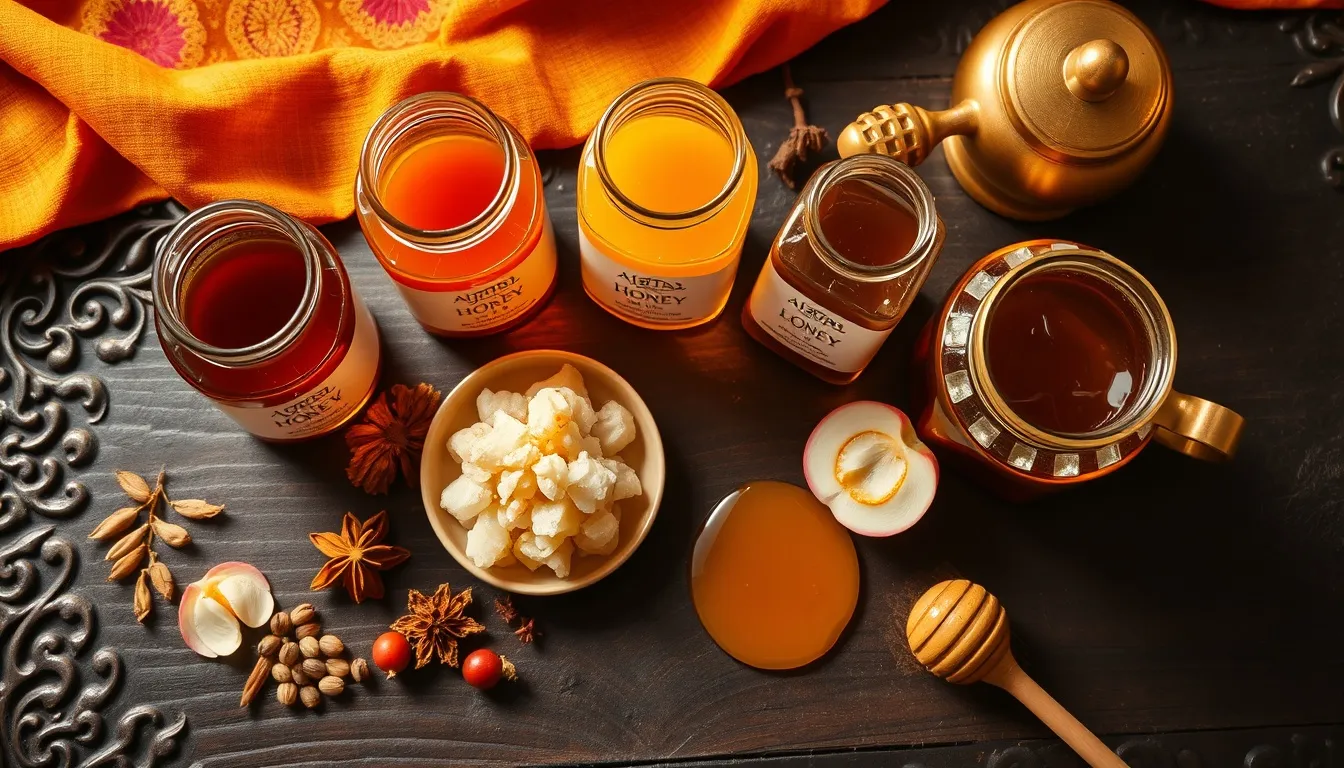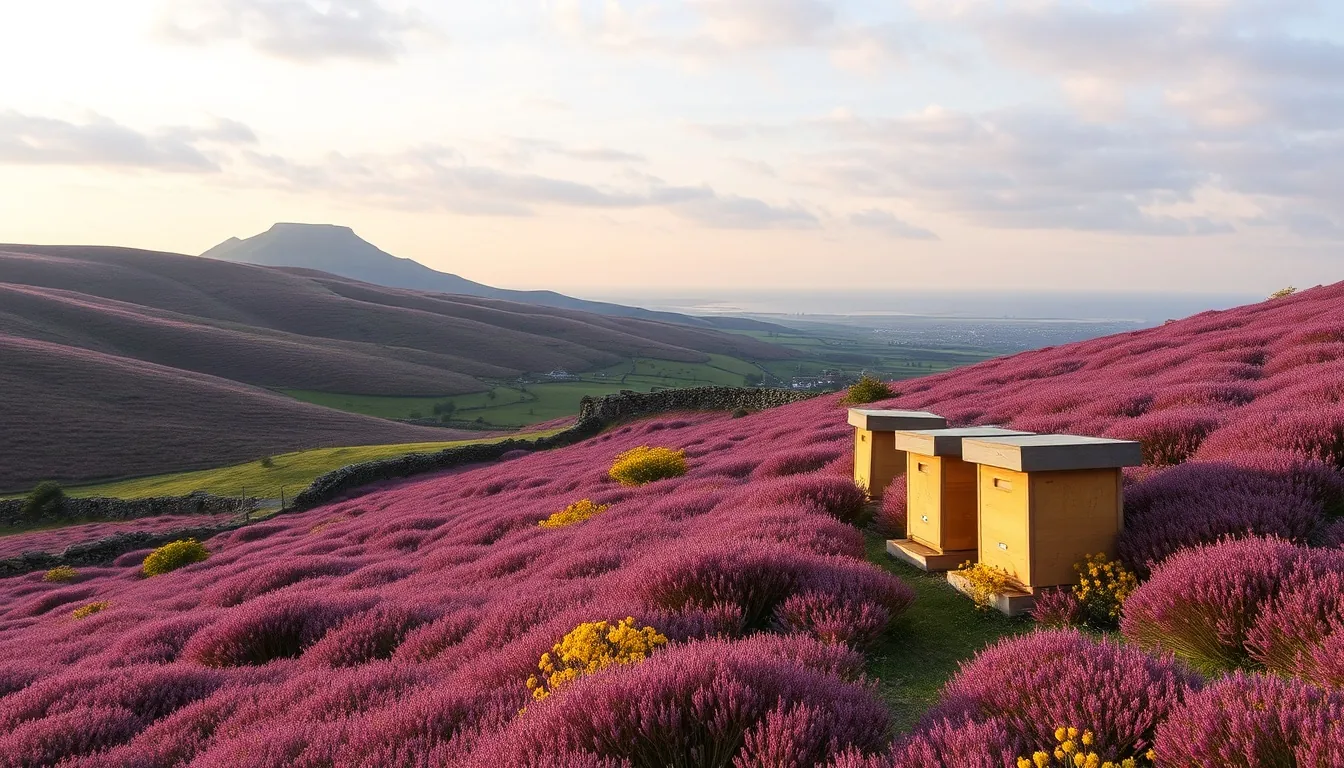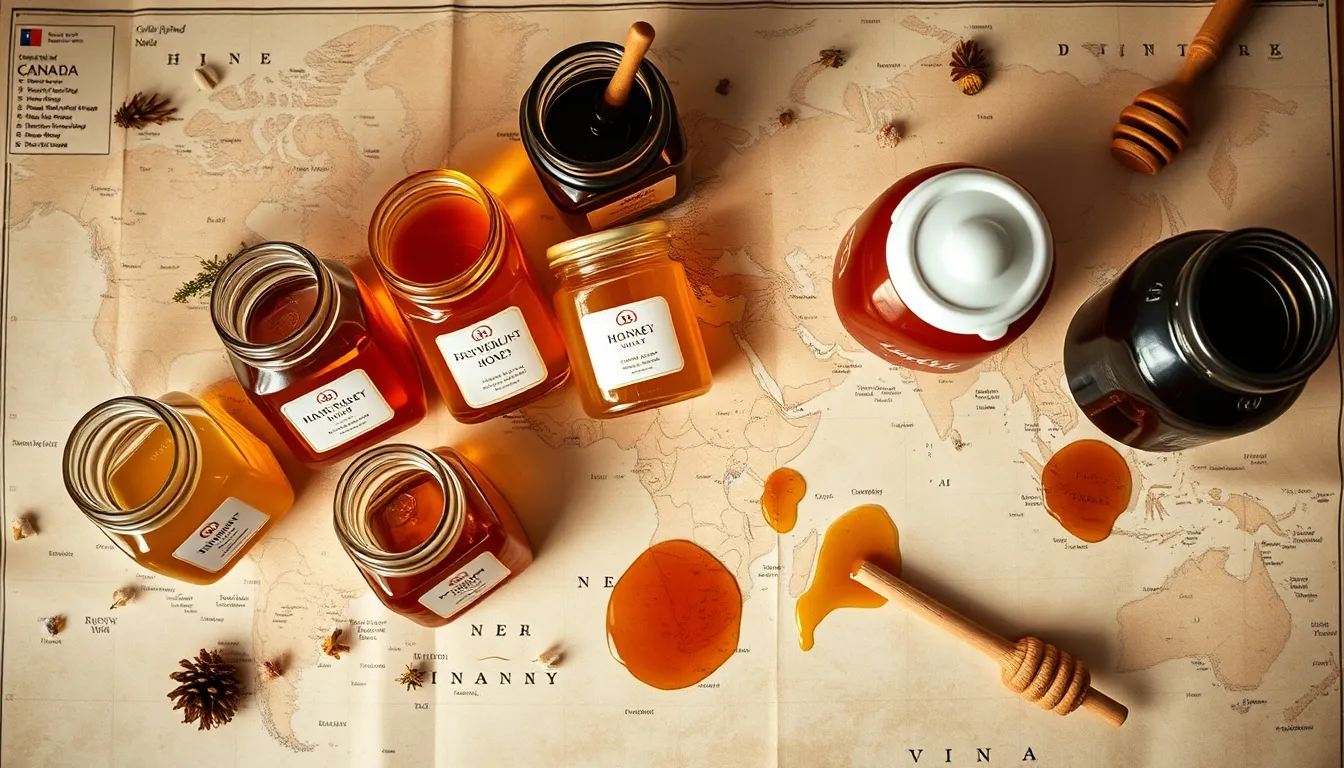
Golden and amber honey jars from different world regions arranged on dark wood, representing global honey diversity
141 Countries · 200+ Varieties Covered

Honey Around the World

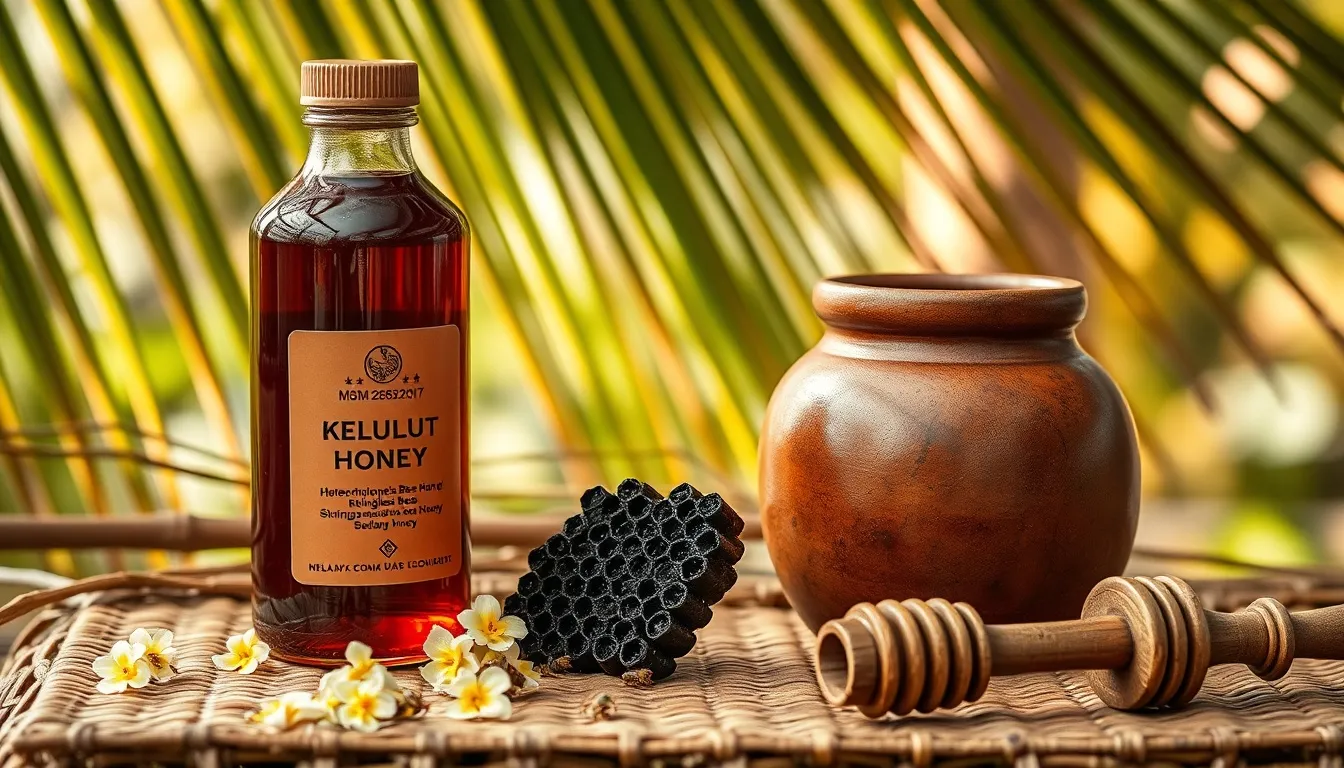
Every country has its own honey tradition shaped by unique flora, climate, and culture. Explore the rarest, most prized, and most scientifically studied varieties from 141 countries — from American tupelo (one of only a few honeys that never crystallizes) and Appalachian sourwood ("Queen of American Honeys") to Hungarian acacia, French miel de sapin AOP, Argentine Patagonian wildflower, Brazilian Jataí stingless bee honey, Mexican Maya Xunan Kab, Sri Lankan Ceylon cinnamon blossom, Iranian Zagros mountain savory, Nepalese grayanotoxin mad honey, Malaysian kelulut trehalulose, Indonesian Sumbawa JMHI forest honey, Senegalese peanut blossom and Saloum Delta mangrove honey, and Hawaiian lehua.

Western EuropeEastern EuropeMediterraneanMiddle EastAfricaSouth AsiaEast AsiaSoutheast AsiaPacificNorth AmericaSouth America
🌍141Countries
🍯200+Varieties Covered
🗺️11World Regions
🔬50+Research Citations

Why does geography matter for honey?

Honey is a direct expression of the plants in a region, the soil they grow in, the bees that visit them, and the climate that shapes it all. A buckwheat honey from Hokkaido tastes nothing like a buckwheat honey from Ontario — even though both come from the same flower. This concept — honey terroir — is what makes international honey exploration endlessly fascinating.

Click any country below to read our deep-dive guide: variety profiles, science, authentication, buying tips, and food pairings.
El Salvador honey varieties
🇸🇻North America

El Salvador

🌿Ajonjolí (Sesame Blossom) Honey & Santa Ana Coffee Highlands Honey

El Salvador exports sesame seeds internationally yet its ajonjolí (sesame blossom) honey has zero global brand identity — the Paracentral region (San Vicente, La Paz, Usulután) is Central America's most significant sesame zone with Jul–Oct bloom producing pale amber mild-warm honey nobody markets internationally. The Apaneca-Ilamatepec volcanic highlands produce Santa Ana Bourbon coffee with a CONACYT Denominación de Origen, yet no coffee blossom honey carries a Santa Ana geographic designation. Pipil people (Nahuat-speaking Nahua descendants) maintained Melipona beecheii 'kolosh' meliponicultura in clay-pot jobones hives in western departments until the 1932 La Matanza suppressed indigenous practices.

Key Varieties

Ajonjolí / sesame blossom honey (Sesamum indicum, Paracentral region, Jul–Oct, pale amber, mild-nutty-warm — not commercially branded internationally)Santa Ana coffee blossom honey (Coffea arabica Bourbon, Apaneca-Ilamatepec 1,200–1,850m, Mar–May, jasmine-floral — DO infrastructure exists, no honey GI registered)Jocote honey (Spondias purpurea / Spanish plum, Nov–Jan dry season, most recognized domestic floral designation)Apaneca-Ilamatepec highland wildflower (volcanic Andisol soil, 800–1,600m, amber-complex, mineral undertone — domestic premium)+1 more
CENTA / MAG (Codex STAN 12-1981) · DGSVA export phytosanitary · EU-CAAA (2013) · CNR GI Law (no honey GI registered)Read guide
Dominican Republic honey varieties
🇩🇴North America

Dominican Republic

🌺Barahona Coffee Blossom Honey & Sierra de Bahoruco Endemic Wildflower

The Dominican Republic and Haiti share Hispaniola — yet the DR has 40% forest cover to Haiti's less than 3%, creating one of the Caribbean's sharpest ecological contrasts and one of its least-understood honey landscapes. Barahona has a CODOCAFE geographic designation for specialty Arabica coffee (900–1,400 m, Jan–Mar bloom) with zero internationally marketed coffee blossom honey equivalent. The Sierra de Bahoruco hosts 166 orchid species (60% endemic to Hispaniola) in a UNESCO biosphere reserve above the coffee zone. Taino people maintained Melipona beecheii meliponicultura before Spanish colonization introduced Apis mellifera to the Americas in the 1520s — one of the earliest such introductions anywhere in the New World.

Key Varieties

Barahona coffee blossom honey (Coffea arabica, Sierra de Bahoruco foothills 900–1,400m, Jan–Mar, pale jasmine-floral — CODOCAFE DO exists, zero honey GI)Sierra de Bahoruco endemic wildflower (166 orchid spp., 60% endemic Hispaniolan flora, UNESCO Jaragua-Bahoruco-Enriquillo biosphere, 300–2,000m)Cordillera Central highland wildflower (Pinus occidentalis endemic pine zone, Constanza / Jarabacoa / Valle Nuevo, Apr–Sep)Noroeste orange blossom / miel de azahar (citrus, Monte Cristi / Valverde, Feb–Apr, light amber floral-citrus)+1 more
DIGENOR (CODEX STAN 12-1981) · SENASA export phytosanitary · EU Organic (Biolatina / Control Union / ECOCERT, select producers) · USDA NOP (select producers)Read guide
Haiti honey varieties
🇭🇹North America

Haiti

🌿Massif de la Hotte Cloud Forest Wildflower & Ti Gèp Stingless Bee Honey

Haiti and the Dominican Republic share Hispaniola — yet Haiti has less than 3% forest cover to the DR's 40%, one of the sharpest political-ecology contrasts visible from orbit. The Massif de la Hotte (Pic Macaya, 2,347 m) holds the Caribbean's highest plant endemism rate (>50% for some plant families) and Haiti's last significant cloud forest fragment. Kenscoff highlands above Port-au-Prince grow heirloom Typica Arabica (Haitian Bleu) — the same 18th-century lineage as Jamaica Blue Mountain — yet no 'Kenscoff coffee blossom honey' exists internationally. Haiti also supplies approximately 60–70% of the world's vetiver oil for the perfume industry, but vetiver is a wind-pollinated grass: the dominant cash crop produces zero honey. Ti Gèp (Melipona beecheii) stingless bee traditions survive in rural communities near Pic Macaya.

Key Varieties

Massif de la Hotte cloud forest wildflower (Pic Macaya 2,347 m, >50% plant endemism, endemic magnolia / podocarpus / bromeliads — Caribbean's rarest honey flora)Kenscoff coffee blossom honey (Coffea arabica Typica / Haitian Bleu, 1,200–1,800 m, Jan–Mar bloom — zero international varietal identity)Massif du Nord multifloral (Dondon / La Victoire coffee-mango agroforestry zone, 600–1,200 m, medium amber)Logwood honey (Haematoxylum campechianum, lowland hedgerows and secondary growth, Nov–Mar bloom, pale amber, colonial dye-trade heritage plant)+1 more
MARNDR (Ministère de l'Agriculture, des Ressources Naturelles et du Développement Rural) · Codex Alimentarius reference · USAID WINNER program beekeeping support · NGO-linked organic certification pathways (Caritas Haiti, Lutheran World Relief)Read guide
Puerto Rico honey varieties
🇵🇷North America

Puerto Rico

El Yunque Rainforest Wildflower & Yauco Coffee Highland Honey

Puerto Rico is the only place in the Americas where tropical honey production falls under full USDA federal oversight — the same standard as US mainland honey. The island's defining paradox: El Yunque National Forest is the only tropical rainforest in the US National Forest system (11,327 ha, Sierra de Luquillo, tabonuco / Dacryodes excelsa / Cecropia schreberiana flora), yet no 'El Yunque' varietal honey has ever been commercially marketed. Yauco and Adjuntas in the Cordillera Central highland have fueled a specialty coffee renaissance — yet no Yauco coffee blossom honey exists internationally. Hurricane Maria (2017) destroyed ~70–80% of hives; recovery is ongoing.

Key Varieties

El Yunque rainforest wildflower (Sierra de Luquillo, tabonuco / Dacryodes excelsa, Cecropia schreberiana, Prestoea palm, ausubo — only tropical rainforest in US National Forest system)Yauco / Adjuntas coffee highland honey (Cordillera Central, Coffea arabica 600–1,200 m, Feb–Apr bloom, same farms as Puerto Rico specialty coffee renaissance — zero international varietal)Flamboyán wildflower (Delonix regia, coastal lowlands, Apr–May bloom, bright floral)Coastal multifloral (mangrove-adjacent forage, south and west coast municipalities)+1 more
USDA grade standards (federal oversight as US territory) · APHIS Africanized bee management · Puerto Rico Department of Agriculture (PRDA) · APIPR (Asociación de Apicultores de Puerto Rico)Read guide
Trinidad & Tobago honey varieties
🇹🇹Caribbean

Trinidad & Tobago

🍫Immortelle Shade-Tree Estate Honey & Melipona favosa Pot-Honey

Trinidad & Tobago is the only Caribbean nation sitting on South America's continental shelf — separated from Venezuela's Orinoco Delta ~10,000–12,000 years ago. That geological accident explains why T&T is the only Caribbean island with Melipona favosa stingless bees (the only Melipona on any Caribbean island), whose South American lineage was stranded by post-glacial sea-level rise. T&T is also the ancestral homeland of Trinitario cocoa (the variety underpinning 60–70% of world fine-flavour chocolate, originating ca. 1727), yet has no internationally-recognized cocoa blossom honey. Instead, immortelle trees (Erythrina poeppigiana) planted to shade those cocoa estates bloom vivid orange each February, producing T&T's signature honey.

Key Varieties

Immortelle estate honey (Erythrina poeppigiana shade trees on Trinitario cocoa estates, Feb–Mar bloom, amber, caramel-cocoa estate character — most commercially significant T&T variety)Cocoa estate multifloral (immortelle + citrus + banana + heliconia blend; no true cocoa blossom monofloral — Theobroma cacao pollinated by Forcipomyia midges, not bees)Melipona favosa pot-honey (only Melipona on any Caribbean island; acidic pH 3.3–3.9, moisture 25–35%, 10–20L/colony/year; traditional medicine use, "bee in the tree" honey)Northern Range montane wildflower (Cerro del Aripo 940 m, Arima and Maraval valleys, fuller body and brighter acidity than lowland estate honey)+1 more
TTBS (T&T Bureau of Standards) honey quality standards (Codex-aligned) · CARDI (Caribbean Agricultural Research and Development Institute) regional technical guidance · No international organic certification equivalentRead guide
Barbados honey varieties
🇧🇧Caribbean

Barbados

🍒Barbados Cherry Blossom Honey & Post-Sugar Wildflower

Barbados is the only Eastern Caribbean island not part of the volcanic Lesser Antilles arc — a flat coral limestone platform (max 340 m) with no natural rivers. Three hundred and fifty years of near-total sugar cane monoculture followed by diversification since the 1970s created an unexpected post-sugar honey landscape. The defining gap: Barbados supplies pharmaceutical-grade acerola extract from Barbados Cherry (Malpighia emarginata — highest vitamin C of any commercially significant fruit, 1,000–4,700 mg/100g) yet the honey from those flowers has never been commercially characterized or sold internationally. No stingless bee tradition documented — unlike Jamaica, Trinidad, and the Dominican Republic, Barbados has no established Meliponini population.

Key Varieties

Barbados Cherry wildflower (Malpighia emarginata multi-season bloom; honey character uncharacterized commercially — a genuine honey gap on the island)Flamboyant honey (Delonix regia, May–Aug, primary summer nectar source; amber, mild floral character)Scotland District wildflower (northern parishes St. Andrew/St. Joseph, geological uplift terrain, more botanically complex than southern limestone plateau)Caribbean mahogany blossom (Swietenia mahagoni, spring, clean understated character)+1 more
BNSI (Barbados National Standards Institution) Codex-aligned honey standards · Barbados Beekeepers' Association (BBA) producer network · No international GI or organic certification for honeyRead guide
Uruguay honey varieties
🇺🇾South America

Uruguay

🍋Eucalyptus Citriodora Lemon Honey

Uruguay's honey industry was accidentally created by Scandinavian paper companies — Ley Forestal 1987 subsidised 750,000+ hectares of eucalyptus plantation for UPM (Finland) and Montes del Plata (Sweden/Chile). Corymbia citriodora (lemon-scented gum) honey is distinctive for its citronellal-driven lemon-citrus aroma, entirely absent from other eucalyptus species. Uruguay holds continuous EU export authorisation since the mid-1990s and produces ~8,000–10,000 tonnes/year from 650,000–700,000 colonies — one of the highest per-capita honey outputs on Earth.

Key Varieties

Eucalyptus citriodora honey (Corymbia citriodora, lemon-scented gum, Dec–Feb, pale gold, citronellal lemon-citrus aroma, fine-grained cream crystallisation, Tacuarembó/Rivera/Paysandú departments)Eucalyptus grandis honey (E. grandis pulpwood plantations, Dec–Feb, medium amber, caramel-toffee with eucalyptol note, dominant bulk export type)Tala honey (Celtis tala endemic coastal Pampas shrub, Sep–Oct, nearly colourless, delicate floral, Rocha/Maldonado/Canelones coastal departments — absent from international trade)Quebracho blanco honey (Aspidosperma quebracho-blanco, Aug–Sep, pale, faintly almond-vanillic, Salto/Paysandú river border zone)+2 more
MGAP (Ministerio de Ganadería, Agricultura y Pesca) · EU positive-list authorisation (continuous since mid-1990s) · IMO Control organic certification · Argencert organic · CALY cooperative quality standardRead guide
Côte d'Ivoire honey varieties
🇨🇮Africa

Côte d'Ivoire

🍫Cocoa Blossom Honey

Côte d'Ivoire produces nearly half the world's cocoa (Theobroma cacao, ~45% of global supply) — yet cocoa blossom honey from those farms is virtually unknown internationally. Not chocolatey: the aromatic compounds develop only during bean fermentation and roasting, not in the flower nectar. Light amber, mild, slightly fruity. The country is also the world's leading cashew exporter; Anacardium occidentale blossom honey (pale golden, sweet-astringent, dry-season Jan–Mar harvest) covers the northern savanna. The Taï National Park buffer zone in the southwest — one of West Africa's most biodiverse remaining Guinean forest ecosystems — produces small-batch multi-flora wildflower honey. Côte d'Ivoire has lost ~80% of primary forest since 1960 to cocoa expansion. Apis mellifera adansonii throughout; UEMOA regional standard applies.

Key Varieties

Cocoa blossom honey (Theobroma cacao, forest zone, Oct–Jan peak, light amber, mild-fruity — not chocolatey)Cashew blossom honey (Anacardium occidentale, northern savanna, Jan–Mar dry-season, pale golden, sweet-astringent)Guinean forest wildflower honey (Taï National Park buffer zone, southwest, dark amber, complex — West Africa's most biodiverse forest)Savanna wildflower honey (central/north, Anogeissus, Combretum, Vitex species, medium amber)+1 more
UEMOA regional honey standard · MIRAH (Ministère des Ressources Animales et Halieutiques) · LANADA laboratory testing · Ecocert-organic (Taï cooperatives, trace volume)Read guide
Estonia honey varieties
🇪🇪Eastern Europe

Estonia

🌲Metsamesi (Boreal-Hemiboreal Spruce & Pine Honeydew)

Estonia is the most heavily forested of the three Baltic states (~51% forest cover) and produces a structurally bipartite honey crop dominated by metsamesi (forest honey) — Norway spruce (Picea abies) and Scots pine (Pinus sylvestris) honeydew from Cinara aphid excretions on the country's continuous boreal-hemiboreal mixed forest belt. Eesti Mesinike Liit (EML, founded 1908 in Tartu) is the oldest continuously functioning beekeeping body in the Baltic region, predating the Latvian (1922) and Lithuanian (1926) equivalents by 14–18 years. Metsamesi accounts for 40–60% of total Estonian honey production by mass in a typical year and commands a 30–60% domestic premium over linden or multifloral honey.

Key Varieties

Metsamesi / forest honey (Picea abies + Pinus sylvestris honeydew, Ida-Viru / Lääne-Viru / Jõgeva / Tartu / Põlva / Võru continental east-and-south, dark amber to almost black, viscous, mineral-and-malt complex, mid-Jul through early Sep — the country's signature crop, ~40–60% of annual production)Pärnamesi / linden honey (Tilia cordata, Lake Peipus + Lake Võrtsjärv riparian + urban-edge plantings + North Estonian glint limestone-cliff lime woodlands, Tartumaa / Saaremaa regional naming convention, pale gold to greenish-pale, mentholated, mid-Jun through mid-Jul — the country's signature blossom monofloral)Estonian rapeseed honey (Brassica napus, Lääne + Pärnu County commercial-arable, late-May through mid-Jun, pale, fast-crystallising fine crystals — principal early-summer commercial crop)Estonian white-clover multifloral (Trifolium repens, agricultural pasture + Soviet-era kolkhoz field margins, late-Jun through Jul, pale, mild — year-round mainstay)+1 more
EU Honey Directive 2001/110/EC via Põllumajandusministri määrus 2014/16 · Toiduseadus 1999 · Põllumajandus- ja Toiduamet (PTA) enforcement · No PDO/PGI for any Estonian honey varietyRead guide
Latvia honey varieties
🇱🇻Eastern Europe

Latvia

🌲Meža Medus (Pine-Dominant Boreal Honeydew)

Latvia is the largest of the three Baltic states by land area (64,589 km²) and the central member of the Baltic Forest Honeydew sub-cluster — opened by Estonia and closing with Lithuania. Forest covers ~52% of Latvia (essentially tied with Estonia's ~51% as the highest of the three Baltic states), but the Latvian forest belt is structurally Scots pine (Pinus sylvestris) dominant rather than Norway spruce (Picea abies) dominant: pine ~36% vs spruce ~24%, the inverse of Estonia's spruce-leaning composition. The Latvian meža medus crop is therefore pine-honeydew-dominated where Estonian metsamesi is spruce-honeydew-dominated. Latvia also produces a structurally meaningful commercial buckwheat (Fagopyrum esculentum) crop on the Zemgale and Latgale arable plains that Estonia largely lacks. Latvijas Biškopības Biedrība (LBB, founded 1922 in independent Latvia, headquartered in Jelgava) is the middle member on the Baltic-association longest-continuity axis. Production: ~3,500–5,000 registered beekeepers, ~70,000–90,000 colonies, 1,200–2,000 t/year — roughly 1.5–2× the Estonian production by mass.

Key Varieties

Meža medus / forest honey (Pinus sylvestris-dominant + Picea abies honeydew, Vidzeme + Latgale + inland Kurzeme continental forest belt, dark amber to almost black, viscous, mineral-and-malt complex, mid-Jul through early Sep — the country's signature crop, ~30–50% of annual production)Griķu medus / buckwheat honey (Fagopyrum esculentum, Zemgale + Latgale commercial-arable plains, late Jul through Aug, dark amber, malty-molasses-pungent, high iron and polyphenol content, fast-crystallising — principal blossom-monofloral export crop)Liepu medus / linden honey (Tilia cordata, lake-riparian + urban-edge plantings + Vidzeme upland natural lime woodlands + Gauja River valley, mid-Jun through mid-Jul, pale gold to greenish-pale, mentholated — the country's signature blossom-honey monofloral)Latvian rapeseed honey (Brassica napus, Zemgale + Kurzeme commercial-arable, late-May through mid-Jun, pale, fast-crystallising fine crystals — principal early-summer commercial crop, larger share than the equivalent Estonian rapeseed component)+2 more
EU Honey Directive 2001/110/EC via Ministru kabineta noteikumi Nr. 558 (14 October 2003) · Pārtikas aprites uzraudzības likums · Pārtikas un veterinārais dienests (PVD) enforcement · BIOR Institute reference laboratory · No PDO/PGI for any Latvian honey varietyRead guide
Lithuania honey varieties
🇱🇹Eastern Europe

Lithuania

🌲Miškinis Medus (Dzūkija Pine Forest Honeydew)

Lithuania is the largest of the three Baltic states by population (~2.86 million) and the closing member of the Baltic Forest Honeydew sub-cluster — opened by Estonia 2026-04-29 and extended by Latvia 2026-04-29. Forest covers ~33% of Lithuania (the lowest of the three Baltic states; Estonia ~51%, Latvia ~52%) and the Lithuanian forest belt is structurally Scots pine (Pinus sylvestris) dominant — pine ~35%, birch ~22%, spruce ~21% — placing Lithuania at the pine-leaning end of the cluster's spruce-pine compositional axis alongside Latvia. The pine-dominant share concentrates in the Dzūkija region (southern Lithuania, the Dainava Forest and Dzūkija National Park) where Pinus sylvestris reaches ~70–80% of local forest cover — the highest single-species pine concentration in the Baltic Forest Honeydew sub-cluster. Lietuvos bitininkų sąjunga (LBS, founded 1926 in independent Lithuania, headquartered in Kaunas) is the closing member on the Baltic-association longest-continuity axis. Production: ~3,500–5,500 registered beekeepers, ~100,000–140,000 colonies, 1,500–2,500 t/year — the largest Baltic production by mass and ~1.2–1.5× the Latvian production.

Key Varieties

Miškinis medus / forest honey (Pinus sylvestris-dominant Dzūkija pine-forest belt, Dainava Forest + Dzūkija National Park + Aukštadvaris Regional Park + Aukštaitija mixed-forest mosaic, dark amber to almost black, viscous, mineral-and-malt complex, mid-Jul through early Sep — the country's signature crop, ~20–35% of annual production by mass)Liepų medus / linden honey (Tilia cordata, Aukštaitija lakeland-riparian + urban-edge plantings + natural lime woodlands, mid-Jun through mid-Jul, pale gold to greenish-pale, mentholated — the country's signature blossom-honey monofloral)Grikių medus / buckwheat honey (Fagopyrum esculentum, Suvalkija + Aukštaitija commercial-arable plains, late Jul through Aug, dark amber, malty-molasses-pungent, high iron content, fast-crystallising — principal blossom-monofloral export crop, structurally similar to Polish and Latvian buckwheat)Lithuanian rapeseed honey (Brassica napus, Suvalkija + Aukštaitija commercial-arable, late-May through mid-Jun, pale, fast-crystallising fine crystals — principal early-summer commercial crop, the largest single arable-honey component of the Lithuanian production base)+2 more
EU Honey Directive 2001/110/EC via Žemės ūkio ministro 2003-08-12 įsakymas Nr. 3D-333 · Maisto įstatymas (Food Law) · Valstybinė maisto ir veterinarijos tarnyba (VMVT) enforcement · Nacionalinis maisto ir veterinarijos rizikos vertinimo institutas (NMVRVI) reference laboratory · No PDO/PGI for any Lithuanian honey varietyRead guide
Malawi honey varieties
🇲🇼Africa

Malawi

🏔️Miombo Wildflower Honey / Nyika Plateau Afromontane

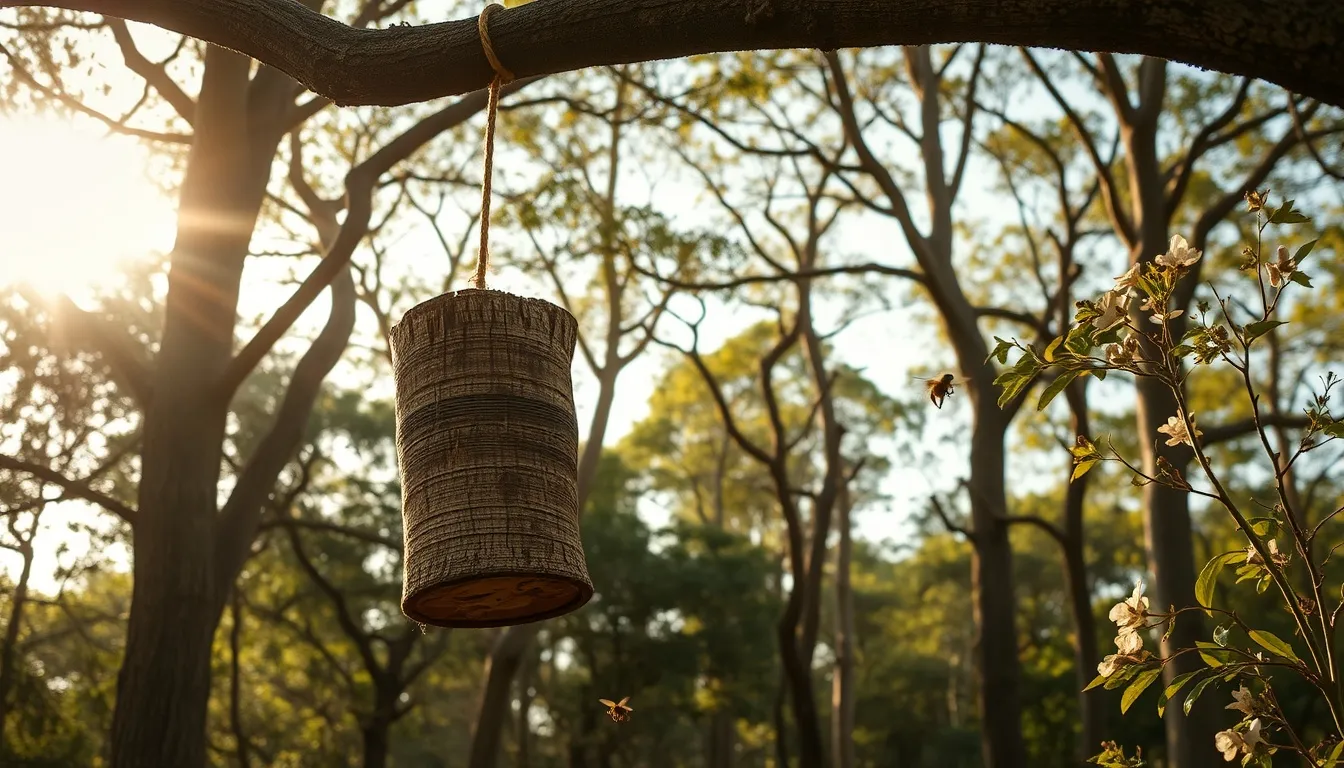
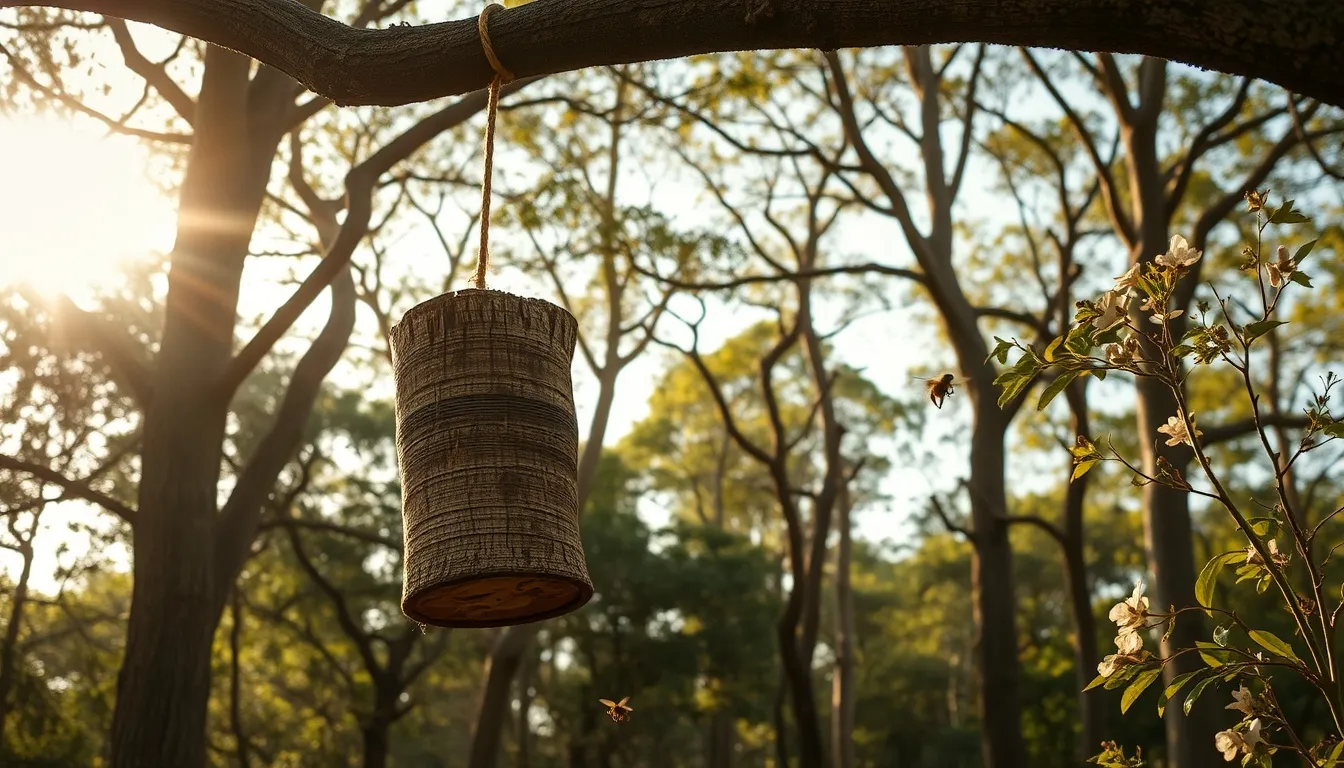
Malawi is among Africa's top tea exporters yet produces virtually no commercial tea blossom honey — Camellia sinensis nectar is dilute and the resulting honey has an astringent finish. The Nyika Plateau (2,200–2,606m, Central Africa's widest afromontane highland) hosts Protea and Erica heath honey flora with possible Apis mellifera monticola-type highland populations at the southernmost documented range in eastern Africa. Chitipa District's bark-hive tradition completes the 3,500+ km pre-colonial beekeeping continuum: Mozambique (golo) → Zimbabwe (chirongo) → Zambia (imbushi) → Malawi (Chitipa) → Tanzania.

Key Varieties

Miombo wildflower honey (Brachystegia spiciformis + B. boehmii + Julbernardia globiflora, October–November rains-onset flow, medium amber, woody-floral, dominant commercial type across Northern and Central regions)Nyika Plateau afromontane honey (Protea wentzeliana + Erica arborea heath, 2,200–2,606m altitude, pale amber, aromatic, low moisture — very small volumes, no named commercial varietal)Shire Highlands wildflower (Thyolo/Mulanje districts, 900–1,600m, Acacia-Combretum ecotones on escarpment edges, medium amber, mild)Liwonde buffer-zone wildflower (NABU Boma Bees cooperative, Faidherbia albida dry-season component, fair-trade channels Germany/UK)+1 more
NABU Boma Bees cooperative · Malawi Bureau of Standards MS 267 · EU-approved exporter · Malawi Beekeepers' Association · Codex Alimentarius standardRead guide
Rwanda honey varieties
🇷🇼Africa

Rwanda

🌿Nyungwe Forest Wildflower Honey

Rwanda is Africa's most densely populated country and one of its top specialty coffee origins — award-winning Bourbon Arabica at 1,400–2,000m in Western Province — yet produces zero commercially marketed coffee blossom honey. The 'Land of a Thousand Hills' rebuilt its agricultural sector after 1994, with honey explicitly included in Vision 2020/2050 export targets. Nyungwe Forest National Park (970 km², one of Africa's oldest montane rainforests) produces a buffer-zone conservation honey from Hagenia abyssinica, Hypericum revolutum, and Philippia heath flora at 1,800–2,500m — the most botanically distinctive Rwandan honey type, available only at Nyungwe lodges in small volumes.

Key Varieties

Eucalyptus wildflower honey (Eucalyptus camaldulensis/grandis, year-round bloom, dominant commercial type, pale–medium amber, camphor-medicinal character, produced across Congo-Nile Divide 1,800–2,400m)Nyungwe Forest buffer-zone montane wildflower (Hagenia abyssinica, Hypericum revolutum, Philippia heath, 1,800–2,500m, aromatic-complex, conservation-linked, very small volumes at eco-lodge retail)Coffee blossom wildflower (Coffea arabica February–March, Western Province/Nyamasheke, pale amber, theoretically distinctive but never commercially separated from general wildflower blend)Volcanic highland wildflower (Musanze/Kinigi buffer zone, Volcanoes National Park, 2,000–3,000m montane, Virunga provenance, extremely small volumes)+1 more
Rwanda Bureau of Standards RS 209:2012 · NAEB (National Agricultural Export Development Board) export certification · Rwanda Beekeepers' Cooperative Union (RBCU) · Codex Alimentarius standardRead guide
Sudan honey varieties
🇸🇩Africa

Sudan

🌳Sidr Honey (Ziziphus spina-christi)

Sudan and Yemen share the same sidr tree (Ziziphus spina-christi) and the same bee subspecies (Apis mellifera jemenitica) — yet Yemeni sidr commands $100–300+/kg in global markets while Sudanese sidr is absent from Western shelves. The reason is the 'sidr shadow': 23 years of US sanctions (1997–2020) barred Sudanese honey from Western markets during the exact period Yemen built its global sidr brand. Sudan also produces Nile Valley acacia (sant/haraz), heglig honey (Balanites aegyptiaca lalob, December–February dry-season bloom, bitter-savory, medicinally valued since the Ebers Papyrus c. 1550 BCE), and Gezira cotton blossom honey. Sudan's clay pot (zir) beekeeping tradition is one of the longest documented technology continuities in any food system — virtually identical to the hive reliefs at the Abu Ghurab sun temple (c. 2400 BCE).

Key Varieties

Sidr honey (Ziziphus spina-christi, nabaq, September–November post-Nile-flood bloom, dark amber-reddish, caramel-floral, slow-crystallising, botanically identical to Yemeni sidr but absent from Western specialty markets)Acacia honey (Vachellia nilotica sant/haraz and Vachellia seyal talh, March–June dry-season, pale golden, mild, high-fructose, slow-crystallising, Sudan's primary export volume)Heglig honey (Balanites aegyptiaca lalob, December–February dry-season Kordofan/Blue Nile, amber-dark, bitter-savory, medicinally valued, no international market presence)Gezira cotton blossom honey (Gossypium hirsutum, June–September, world's largest gravity-fed irrigation scheme, pale yellow, very mild, high-volume)+1 more
Sudan Standards and Metrology Organization (SSMO) SSMO 252:2005 · Codex Alimentarius standard · Gulf export bilateral agreements (Saudi Arabia, UAE, Oman)Read guide
Somalia honey varieties
🇸🇴Africa

Somalia

🌿Boswellia Frankincense-Zone Highland Wildflower

Queen Hatshepsut's 1470 BCE expedition to Punt — broadly identified by scholars as the Horn of Africa — brought back frankincense, myrrh, and honey: one of the oldest documented long-distance honey trades in human history. Somalia is home to Boswellia frereana (Maydi frankincense), an endemic species that grows nowhere else on Earth, and to nomadic camel-borne pastoral beekeeping that follows the acacia flowering sequence across hundreds of kilometres of semi-arid savanna — a beekeeping system with no parallel anywhere in the world. Arare honey (Salvadora persica, the toothbrush tree) is white, granular, and mildly pungent from glucosinolate chemistry; it does not appear in any international market. Whether frankincense terpenoids (α-pinene, limonene, incensole acetate) influence honey from Boswellia flower nectaries is a genuine open scientific question: no published study has performed mass spectrometry analysis of Somali frankincense-zone honey.

Key Varieties

Frankincense-zone highland wildflower (Boswellia sacra + Boswellia frereana, March–May bloom in Golis/Cal Madow ranges and Puntland Bari highlands, pale-medium amber, resinous-aromatic character attested by traditional producers, terpenoid chemistry scientifically uncharacterised)Acacia honey (Vachellia bussei/tortilis/senegal, pale golden, mild, high-fructose, migratory camel-borne pastoral harvest following Deyr → Jilaal → Gu flowering sequence across central plateau)Arare honey (Salvadora persica toothbrush tree, December–March dry-season, white/cream, granular-crystallising, mildly pungent glucosinolate character, valued in traditional Somali medicine, not exported internationally)Southern river zone wildflower (Jubba/Shabelle river valleys, riparian Vachellia + doum palm + Ziziphus mauritiana + agricultural blossom, fixed-hive near settlements)+1 more
Somaliland Bureau of Standards (Xafiiska Heerarka Somaliland) basic food quality standards · FAO/IFAD cooperative development programme quality protocols · No internationally accredited honey authentication laboratory · No GI or PDO designationRead guide
Niger honey varieties
🇳🇪Africa

Niger

🌳Faidherbia albida (Gawo) Dry-Season Wildflower

Faidherbia albida — the 'backwards tree' (Hausa: gawo) — is the structural anchor of Sahelian beekeeping. Uniquely among African trees, it leafs out in the dry season and drops its leaves at the onset of rains, providing critical nectar November–February when everything else is dormant. Niger's FMNR (Farmer-Managed Natural Regeneration) revolution, pioneered in Maradi region in 1983 by agronomist Tony Rinaudo, regenerated approximately 200 million trees across 5 million hectares of Niger's agricultural zone — one of the world's most significant environmental recovery stories, and the world's largest undocumented expansion of apiculture potential. Niger also produces magarya honey (Ziziphus mauritiana, the jujube), shea blossom honey (Vitellaria paradoxa), and Aïr Mountain wildflower from the 2,022m Agadez massif — none of which appear in any international honey market.

Key Varieties

Gawo honey (Faidherbia albida / ana tree, dry-season November–February bloom, pale golden, mild floral, critical anti-dearth anchor, produced across Maradi/Zinder/Tahoua FMNR-regreened agricultural zone)Magarya honey (Ziziphus mauritiana / jujube / Indian plum, October–January, amber, caramel-floral, rapid-crystallising glucose-dominant — Niger's most prestigious traditional variety, comparable in cultural status to sidr in Yemen/Sudan)Shea blossom honey (Vitellaria paradoxa / karité, March–May, pale yellow, waxy-mild, Dosso and southern Tillabéri shea parkland agroforestry zone)Locust bean honey (Parkia biglobosa / dawadawa, February–March, dark amber, rich-earthy character)+2 more
RECA (Réseau des Chambres d'Agriculture du Niger) agricultural chamber support · Association des Apiculteurs du Niger (APANI) cooperative development · No GI or PDO designation · No internationally accredited honey authentication laboratory · No published pollen reference databaseRead guide
Eritrea honey varieties
🇪🇷Africa

Eritrea

🌿Highland Sidr (Ziziphus spina-christi) & Juniperus Cloud Forest

Eritrea's 30-year liberation war (1961–1991) and subsequent international isolation have created an inadvertent conservation outcome: the country's Apis mellifera jemenitica population — the same bee that produces Yemen's $300/kg sidr honey — has been genetically isolated from imported queen genetics for six decades. The same Ziziphus spina-christi sidr trees, Juniperus procera cloud forest, and Olea europaea highland olive stands that define premium honey in the Arabian Peninsula exist on Eritrea's Tigrinya plateau (2,000–2,500 m). Zero of Eritrea's honey reaches international markets. The Italian colonial period (1890–1941) introduced Langstroth-style hives; the liberation war severed that modernisation arc and preserved traditional bark-cylinder hive beekeeping. Eritrea may hold the most genetically intact A.m. jemenitica population in the subspecies' entire range.

Key Varieties

Highland sidr honey (Ziziphus spina-christi / zel, November–January dry-season bloom, amber to dark amber, caramel-floral, high-fructose slow-crystallising — same botanical source as Yemeni royal sidr, zero international market presence)Juniperus procera cloud forest wildflower (highland Juniperus / chedro forest margins, dark amber, strongly aromatic — potentially the most chemically distinctive honey type in the Horn of Africa, no published melissopalynological analysis)Highland Olea europaea wildflower (wild olive / chet, Debub and Maekel highland zones, spring bloom, pale amber, mild)Acacia seyal honey (Gash-Barka lowland riverine forest, Tigre-speaking communities, pale golden, mild, slow-crystallising)+2 more
No national honey quality standard published · No internationally accredited testing laboratory · No GI or PDO designation · No published pollen reference database · Ministry of Agriculture National Beekeeping Programme (limited institutional capacity post-1998) · Italian colonial Langstroth introduction severed by liberation warRead guide
Myanmar honey varieties
🇲🇲Southeast Asia

Myanmar

🐝Wild Apis dorsata Rock Honey & Teak Forest Wildflower

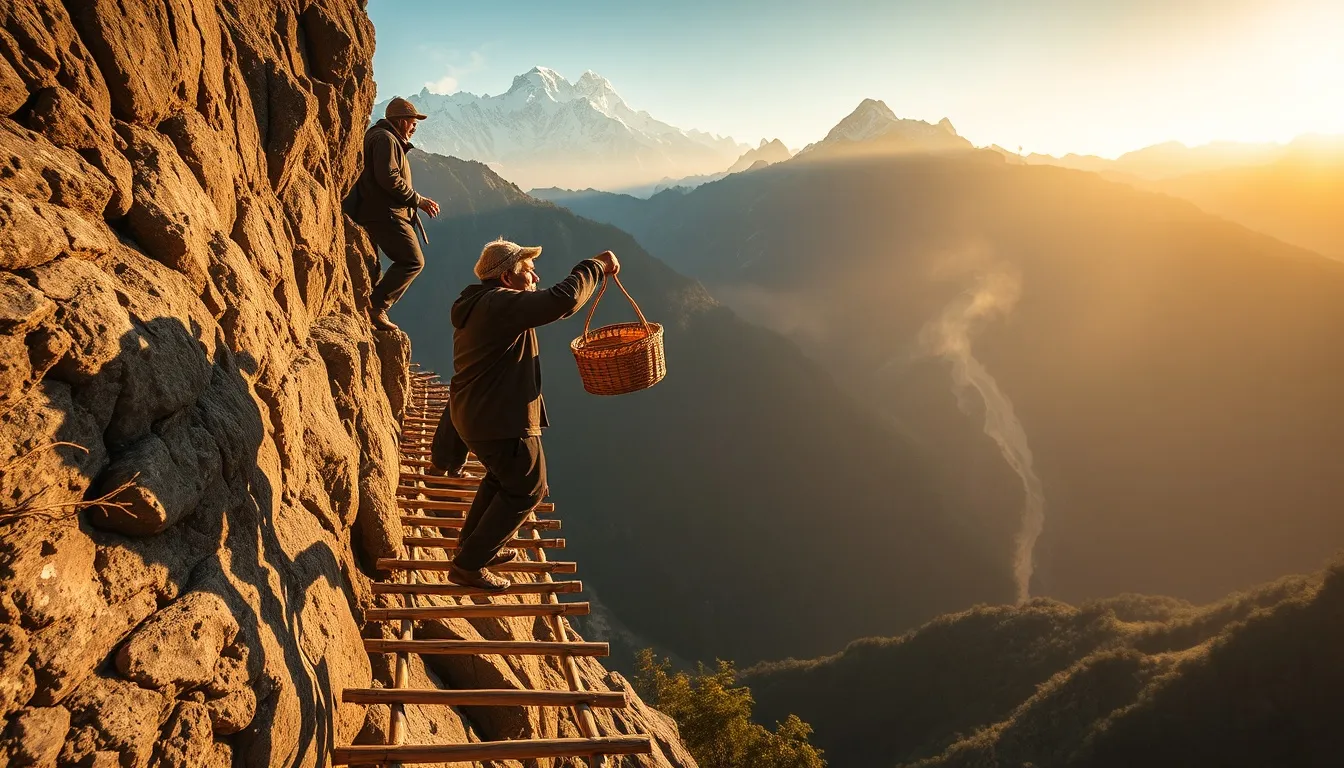
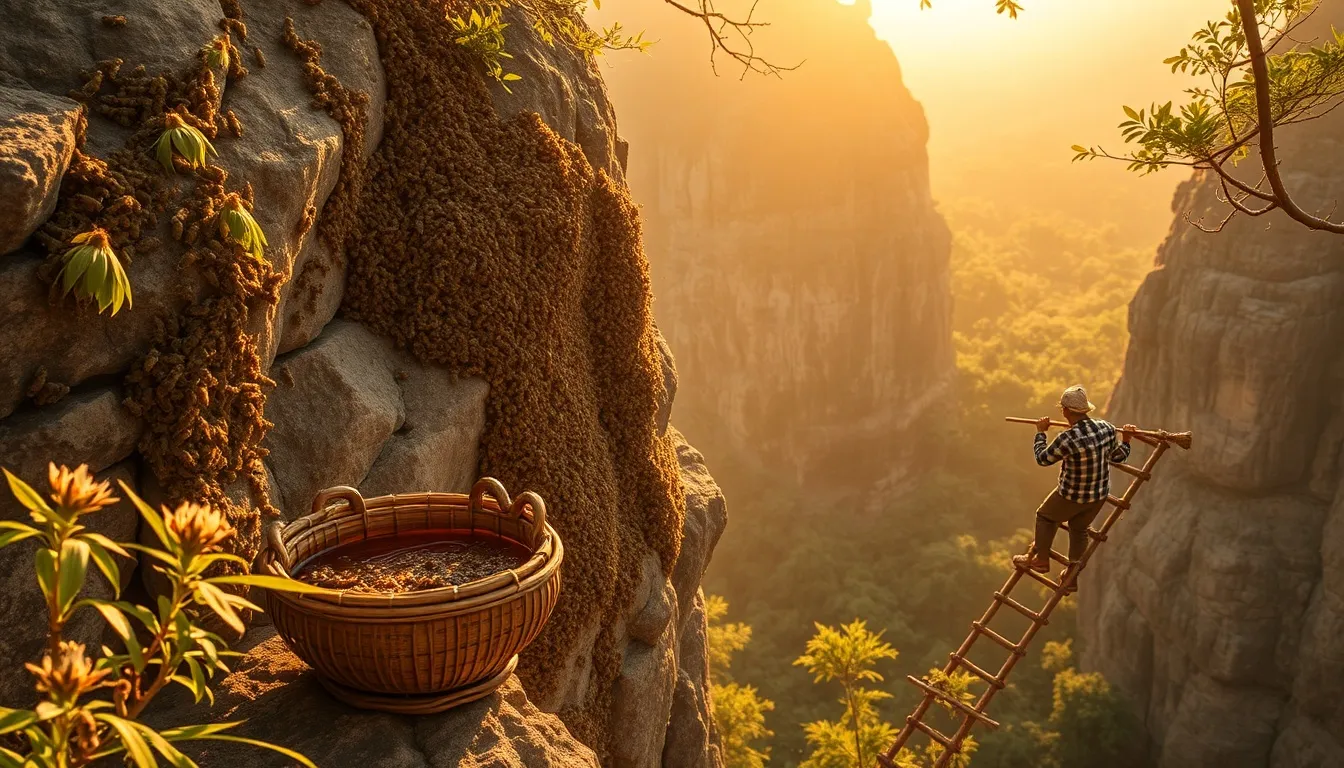
Myanmar is one of the world's few countries where four honeybee species coexist in active beekeeping traditions: giant rock bee Apis dorsata (wild cliff colonies on Kayah State limestone cliffs, harvested on bamboo ladders), tiny dwarf bee Apis florea (garden and orchard keeping), Asian honeybee Apis cerana (traditional log-hive villages), and introduced Western bee Apis mellifera (modern apiaries). Wild Apis dorsata rock honey — dark amber to near-black, intensely aromatic — is harvested from cliff-face colonies by Kayah honey hunters. Myanmar is a top-5 global sesame producer; sesame monofloral honey (Magway dry zone) has zero published melissopalynological characterization. Post-2021 civil war: KNU/KNPP/KIO ethnic-minority territories maintain beekeeping; honey reaches export markets via Mae Sot (Thailand) and Kachin–Yunnan Ruili border crossings.

Key Varieties

Wild Apis dorsata rock honey (Kayah State limestone cliff-face colonies, dark amber to near-black, intense aromatic resinous character — harvested by Kayah honey hunters on bamboo ladders, zero international market)Teak forest wildflower honey (Sagaing / Mandalay Tectona grandis zone, world's largest remaining natural teak stands, pale amber, mild woody-floral, April–June bloom)Sesame monofloral honey (Magway dry zone, Sesamum indicum, pale golden, nutty-herbal, October–February dry-season bloom — Myanmar is a top-5 global sesame producer, no published honey characterisation)Apis cerana log-hive wildflower honey (Chin and Kachin highland villages, 1,500–2,800 m, dark amber, complex mountain wildflower character)+1 more
No national honey quality standard published · No internationally accredited testing laboratory · No GI or PDO designation · No published pollen reference database for Myanmar flora · Myanmar Standards and Quality Council (MSQC) capacity limited by post-2021 sanctions · Export reaches Thailand via Mae Sot border tradeRead guide
Cambodia honey varieties
🇰🇭Southeast Asia

Cambodia

🌿Cardamom Mountains Wild Forest Honey & Tonle Sap Flood-Plain Wildflower

Cambodia's honey tradition is the most historically documented and most completely interrupted in Southeast Asia: Zhou Daguan (1296–97) recorded honey markets at Angkor; Angkor Wat bas-reliefs depict bee colonies; the Khmer Rouge's Year Zero (1975–79) erased the oral transmission chains carrying traditional Apis cerana craft knowledge, causing the most complete agricultural knowledge discontinuity in the 117-country corpus. Wild Apis dorsata forest honey from the Cardamom Mountains (mainland SE Asia's largest contiguous lowland forest) is certified by Wildlife Alliance as conservation finance — the only honey in this guide where purchase directly funds deforestation prevention. Tonle Sap floating-village raft apiaries exploit a flood-pulse floral calendar unique globally.

Key Varieties

Wild Apis dorsata Cardamom Mountains forest honey (Koh Kong/Kampot, cliff-face and Dipterocarp tree colonies, dark amber to near-black, resinous, Wildlife Alliance C3 certified, conservation-finance model)Tonle Sap flood-plain Apis cerana wildflower honey (Kampong Phluk/Prek Toal floating-village raft apiaries, lotus + riparian floral calendar, pale amber, flood-pulse ecology unique globally)Apis cerana village log-hive polyfloral (all provinces, traditional hollow-log and clay-pot hives, medium amber, pre-Year-Zero practice partially reconstructed)Apis mellifera commercial polyfloral (introduced post-1990s via FAO/NGO programs, Battambang/Siem Reap/Phnom Penh peri-urban, light amber, dominates supermarket channel)+1 more
No national honey quality standard · No internationally accredited testing laboratory · No GI or PDO designation · No published pollen reference database for Cambodian flora · ASEAN harmonized honey standard (2019) provides framework but unenforced domestically · Wildlife Alliance C3 forest honey is the sole certified productRead guide
Laos honey varieties
🇱🇦Southeast Asia

Laos

Bolaven Plateau Coffee-Flower Honey & Wild Apis dorsata Cliff Honey

Laos is the most heavily bombed country per capita in history — 580,000+ US bombing missions (1964–73) left ~30% of the country contaminated with unexploded ordnance (UXO), inadvertently preserving large tracts of wildflower habitat where agricultural conversion is dangerous. This creates a botanical reserve structurally parallel to the Eritrea isolation case: large-scale wildflower preservation as an unintended consequence of a non-conservation force. Five bee species exploit these accidental reserves. The Bolaven Plateau at 1,000–1,350m produces Southeast Asia's most distinctive coffee-flower honey from arabica blossoms; wild Apis dorsata cliff colonies along the Mekong yield dark, resinous honey harvested by traditional night hunters.

Key Varieties

Wild Apis dorsata cliff honey (Mekong Valley and Nam Ou River karst cliffs, Luang Prabang and Phongsali provinces, dark amber to near-black, resinous-complex, twice-annual night harvest)Bolaven Plateau arabica coffee-flower honey (Champasak/Salavan/Sekong, 1,000–1,350m, February–March bloom peak, pale amber, floral-blossom with mild acidity, LAOCERT certified organic)Apis cerana bamboo-hive upland polyfloral (Phongsali, Houaphan provinces, Khmu/Hmong beekeepers, medium amber, unfiltered complex)Trigona stingless bee pot-honey (Buddhist temple gardens, sour high-moisture 20–26%, T. collina and related species, medicinal use)+1 more
LAOCERT organic certification · ASEAN harmonized honey standard (2019, unenforced domestically) · No GI or PDO designation · Fair-trade export networks to EU and JapanRead guide
Zambia honey varieties
🇿🇲Africa

Zambia

🌳Miombo Woodland Bark-Hive Honey & COMACO Luangwa Valley Certified Organic

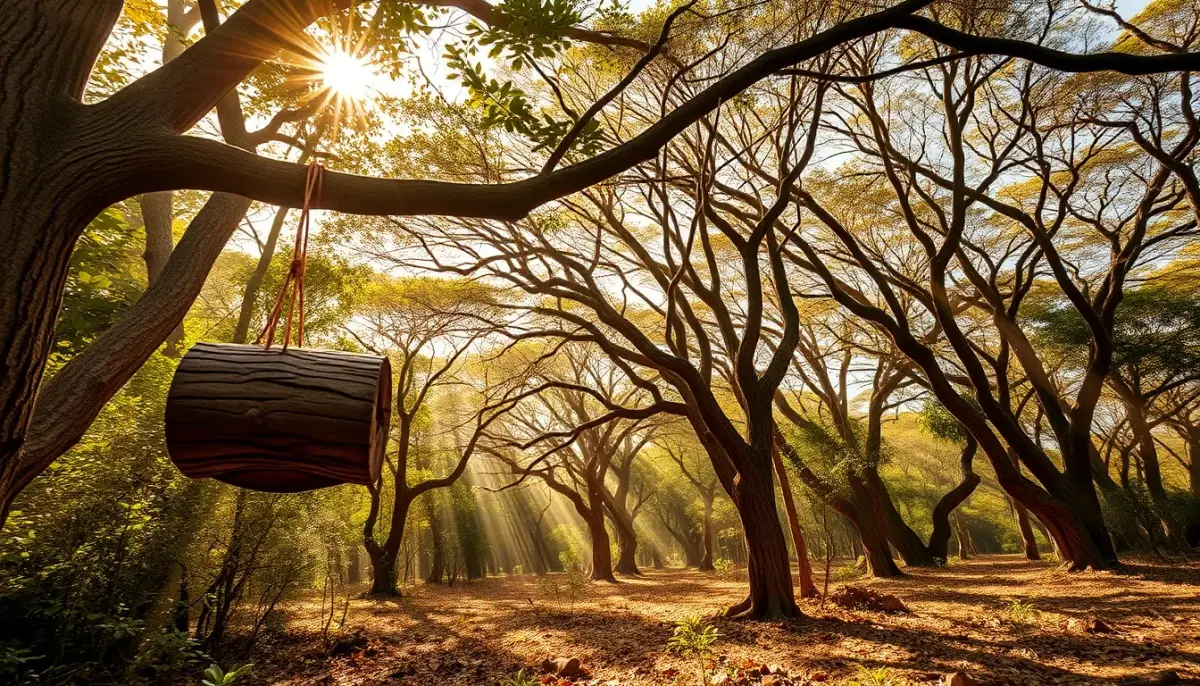
Zambia holds the single largest national share of intact Miombo woodland (Brachystegia-Julbernardia dry-deciduous forest, ~250,000 km²) and has the most developed bark-hive beekeeping tradition within it: cylindrical bark cylinders hung 5–15 m in forest canopies, documented by David Livingstone in 1853–56 and by F.C. Selous in the 1880s — a continuous pre-colonial tradition uninterrupted by colonialism. COMACO (Community Markets for Conservation) in the Luangwa Valley transformed former poachers into EU-certified-organic beekeepers, creating the second documented case in the 118-country corpus (after Cambodia's Wildlife Alliance Cardamom honey) where certified honey purchase directly funds measurable wildlife conservation outcomes (Lewis et al. 2011, PLOS ONE). Six thousand to 10,000 tonnes produced annually; zero honey varieties carry a GI or PDO designation; Apis mellifera scutellata — the ancestor of the Africanized honeybee — is the dominant subspecies.

Key Varieties

Miombo woodland polyfloral bark-hive honey (Northern/Luapula/Copperbelt/Central provinces, Brachystegia-Julbernardia dominant, Apis mellifera scutellata, traditional cylindrical bark hives hung in forest canopy at 5–15 m, medium amber, floral-woody, minimal processing)Luangwa Valley COMACO certified-organic Acacia-Combretum honey (Eastern Province, South Luangwa National Park buffer zone, top-bar hives, lighter amber, delicate floral, EU organic certified, conservation-linked)Barotse Floodplain Combretum-Acacia wildflower (Western Province, Lozi bark-hive beekeepers, flood-pulse floral calendar, pale to medium amber, Kuomboka ceremony economy, not commercially branded)Nyika Plateau montane grassland honey (Eastern Highlands, Apis mellifera monticola, 1,800–2,600 m, Protea-Alchemilla-Helichrysum flora, darker amber, subsistence production only)+1 more
No national honey quality standard · No nationally accredited testing laboratory · No GI or PDO for any variety · EU certified-organic (Soil Association UK) for COMACO It's Wild! Luangwa Valley honey · Export testing conducted in South Africa (SANAS-accredited labs) · EU Regulation 2018/848 organic certification applicable to COMACO programRead guide
South Sudan honey varieties
🇸🇸Africa

South Sudan

🌊Sudd Wetland Nile Lotus Polyfloral & Nuer Log-Hive Acacia Honey

South Sudan is the world's youngest nation (independence July 9, 2011), yet its honey traditions predate colonial borders by thousands of years. During the 2013–2018 civil war, honey production was formally classified as a 'conflict-sensitive livelihood' by FAO, NRC, and ACTED — FAO distributed 14,000+ hives to ex-combatants as peace-building interventions, and honey crossed active government/opposition conflict lines because both sides needed it. The Sudd — Africa's largest freshwater wetland, expanding to 130,000 km² at flood peak — produces Nile lotus (Nymphaea lotus) polyfloral honey with a distinctive aquatic-floral character found in no other country in this guide. The Imatong Mountains (3,187m Kinyeti) support Apis mellifera monticola highland honey from Afromontane forest comparable to Ethiopian Kaffa. Zero of this production reaches international shelves.

Key Varieties

Nuer log-hive Acacia-Combretum polyfloral (Upper Nile, Jonglei, Unity states, Borassus palm trunk hives in Acacia trees, Apis mellifera jemenitica, dark amber, March–May dry-season harvest)Sudd wetland Nile lotus polyfloral (White Nile floodplain, Nymphaea lotus and N. nouchali pollen documented, aquatic-floral character, uncharacterized varietal, Shilluk/Nuer/Dinka hive-migration harvest)Dinka bark-hive Acacia senegal–Balanites wildflower (Bahr el Ghazal savanna, pale to medium amber, heglig/desert-date medicinal notes, women-managed bai village hives)Imatong Mountains A.m. monticola highland honey (Eastern Equatoria, 1,600–3,187m, Podocarpus-Hagenia-Hypericum Afromontane forest, dark amber, EBCU top-bar hive program, subsistence only)+1 more
No national honey quality standard · South Sudan National Bureau of Standards (SSNBS) established 2011, no honey standard published · No GI or PDO designation · Export testing conducted in Nairobi/Kampala accredited labs · East African Community Customs Union framework applies to formal cross-border tradeRead guide
Bhutan honey varieties
🇧🇹South Asia

Bhutan

🌸Bumthang Buckwheat Honey & Rhododendron Wildflower

Bhutan is the only country on Earth where organic agriculture is a declared national policy — not a premium certification tier, but a constitutional mandate rooted in the Gross National Happiness (GNH) framework. The National Organic Programme (2007) prohibits synthetic pesticides nationwide, making every hive in Bhutan organic by regulatory baseline without individual certification cost. Bumthang district at 2,600m produces dark, robust buckwheat honey (Fagopyrum esculentum) from autumn crops — among the highest-altitude commercial buckwheat honey production in the world. Bhutan has 46+ endemic Rhododendron species and 71% forest cover constitutionally mandated to remain above 60%, creating the most comprehensively protected honey foraging landscape in South Asia. Apis cerana log-hive, Apis dorsata cliff-face, and Apis laboriosa high-altitude wild harvest all contribute. Zero production reaches international shelves with a Bhutan origin label.

Key Varieties

Bumthang buckwheat honey (Fagopyrum esculentum monofloral, 2,600m, dark amber, malty-molasses, Aug–Oct, Apis cerana Alnus nepalensis log hives, principal commercial variety)Rhododendron wildflower polyfloral (1,500–3,200m, 46+ endemic Rhododendron species bloom cascade Feb–Jun by elevation, pale to amber, floral-herbal, NOT psychoactive — contrast Nepal mad honey)High-altitude Himalayan wildflower (Bumthang/Haa, 2,400–2,800m, multifloral, low moisture 15.5–17.5%, spring and autumn harvest)Apis dorsata subtropical cliff honey (Tsirang/Dagana/Sarpang, 200–800m Duar foothills, dark, high moisture 18–21%, complex wild-flora profile including Shorea robusta/Bombax ceiba)+2 more
National Organic Programme (2007) — synthetic pesticide prohibition nationwide · BAFRA honey standard (2019): HMF ≤40 mg/kg, moisture ≤20% · No GI/PDO registered (Bumthang buckwheat GI candidacy under BAFRA review) · Organic chain-of-custody documentation required for international organic labeling · Primary export: India (unlabeled bulk/semi-bulk)Read guide
Syria honey varieties
🇸🇾Middle East

Syria

🌿Za'atar Mountain Honey & Levantine Wildflower

Syria's honey history spans Ugarit commerce from 3,400 BCE to medieval Aleppo Silk Road souk guilds — the Souq al-'Asel (honey market) in Aleppo's covered bazaar traded za'atar mountain honey alongside the city's famous soap and pepper on routes from China to Venice. The native Apis mellifera syriaca (described by Lepeletier, 1836) is one of the most genetically studied honeybee subspecies, with longer tongue length (6.3–6.6mm) adapted to tubular Levantine flowers. The Jebel Ansariyya coastal mountains and Qalamoun highlands produce wild za'atar honey from Origanum syriacum — the species named for Syria. The civil war since 2011 reduced managed colonies by an estimated 80% in conflict zones. Idlib province, the longest-sustained active front, maintains documented beekeeping through bombardment; honey functions as a cross-line commodity. Colony counts have recovered to ~35–45% nationally as of 2023 (FAO Syria program). No Syrian honey brand operates at international retail level.

Key Varieties

Za'atar mountain honey (Origanum syriacum monofloral, Jebel Ansariyya 400–1,200m + Qalamoun 1,200–2,400m, light-to-amber, herbal-camphor carvacrol/thymol profile, Jun–Sep flow, A. m. syriaca)Jebel al-A'la / Idlib highlands wildflower (Byzantine Dead Cities plateau 600–900m, Pistacia/Quercus/fruit-orchard multifloral, summer harvest, conflict-zone production through active war)Syrian steppe (badia) spring honey (Astragalus spp., Thymbra spicata za'tar barri, Echium italicum, Ziziphus lotus, brief Feb–Apr desert-bloom pulse, migratory beekeeping tradition)Euphrates valley cotton honey (Gossypium hirsutum monofloral, Raqqa/Deir ez-Zor irrigation zone, light color, mild, slow-crystallizing, pre-war commercial volume — now severely disrupted)+2 more
No national honey GI or certification program operational · Codex Alimentarius compliance (HMF ≤40 mg/kg, moisture ≤20%) · FAO Syria beekeeping program (hive distribution + quality support, 2015–present) · Export primarily through Turkish intermediary channels (Gaziantep/Hatay) — Syrian origin typically unlabeled · Pre-war Gulf export: za'atar honey $15–35/kg wholesale (2008–2010)Read guide
Mongolia honey varieties
🇲🇳East Asia

Mongolia

🌾Phacelia Steppe Honey & Khangai Mountain Wildflower

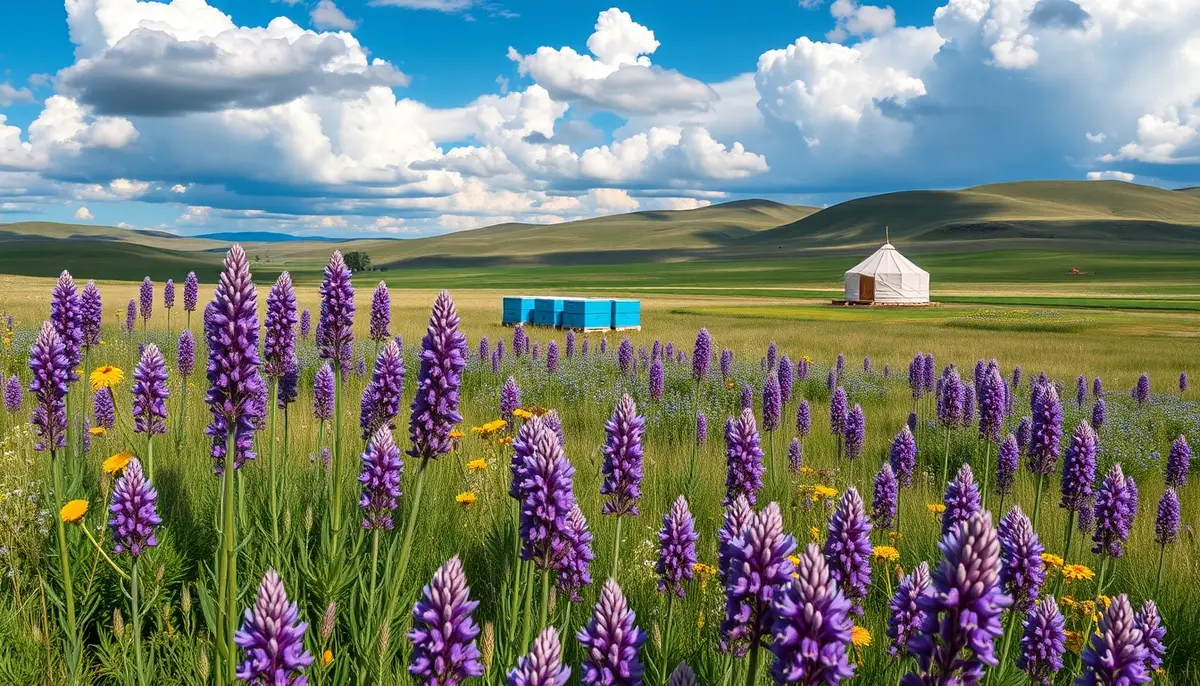
Mongolia operates at the absolute thermal frontier of Apis mellifera beekeeping: -40°C winters force all colonies indoors from October to March, and the nectar season compresses into 8–10 weeks (late June–August). All Mongolian honey bees are Apis mellifera carnica hybrids introduced during Soviet collectivization in the 1960s — no native Apis species exists on the Central Asian steppe. Mongolia's dominant monofloral honey plant is Phacelia tanacetifolia, a California-native cover crop introduced as a Soviet soil-improver: it produces a pale-cream, rapidly-crystallizing honey from a plant with zero pre-Soviet history on the steppe. Colony counts grew from ~120,000 (2010) to ~400,000 (2022) under a government Beekeeping Development Fund. Exports flow to Russia and China under buyer labels; no Mongolian honey brand operates at international retail level.

Key Varieties

Phacelia honey (Phacelia tanacetifolia monofloral, introduced California-native cover crop, Selenge/Bulgan/Orkhon provinces, pale cream to light amber, mild floral-sweet, rapid crystallization to fine-grained cream, Jun–Aug flow)Northern taiga wildflower (Khangai/Khentii forest belt, linden + phacelia + buckwheat + meadowsweet multifloral, darker amber, complex floral-herbaceous, Aug harvest)Buckwheat honey (Fagopyrum esculentum, Selenge River valley cultivation, dark amber, robust malty-molasses profile, high polyphenol)Alpine meadow honey (Khuvsgul/Khangai highlands 1,800–2,400m, Geranium/Gentiana/Pedicularis/Allium mountain forbs, aromatic-herbal, high diastase activity, limited volume)+1 more
No national honey GI or certification program · Mongolian Food Safety Law (2012): HMF ≤40 mg/kg, moisture ≤20% · Some batches certified organic via Russian (Orgstandardy) or Chinese (OFDC) certifiers · Government Beekeeping Development Fund (2016): subsidised equipment, hive loans, training · Export: Russia (30–35%, bulk buyer-label, Siberian border trade) and China (50–55%, Inner Mongolia border trade) · Japan premium channel growing (small-batch, specialty importers) · No verified Mongolian-branded honey at international retail (2026)Read guide
Israel honey varieties
🇮🇱Middle East

Israel

🕎Negev Sidr & Carob Blossom Honey

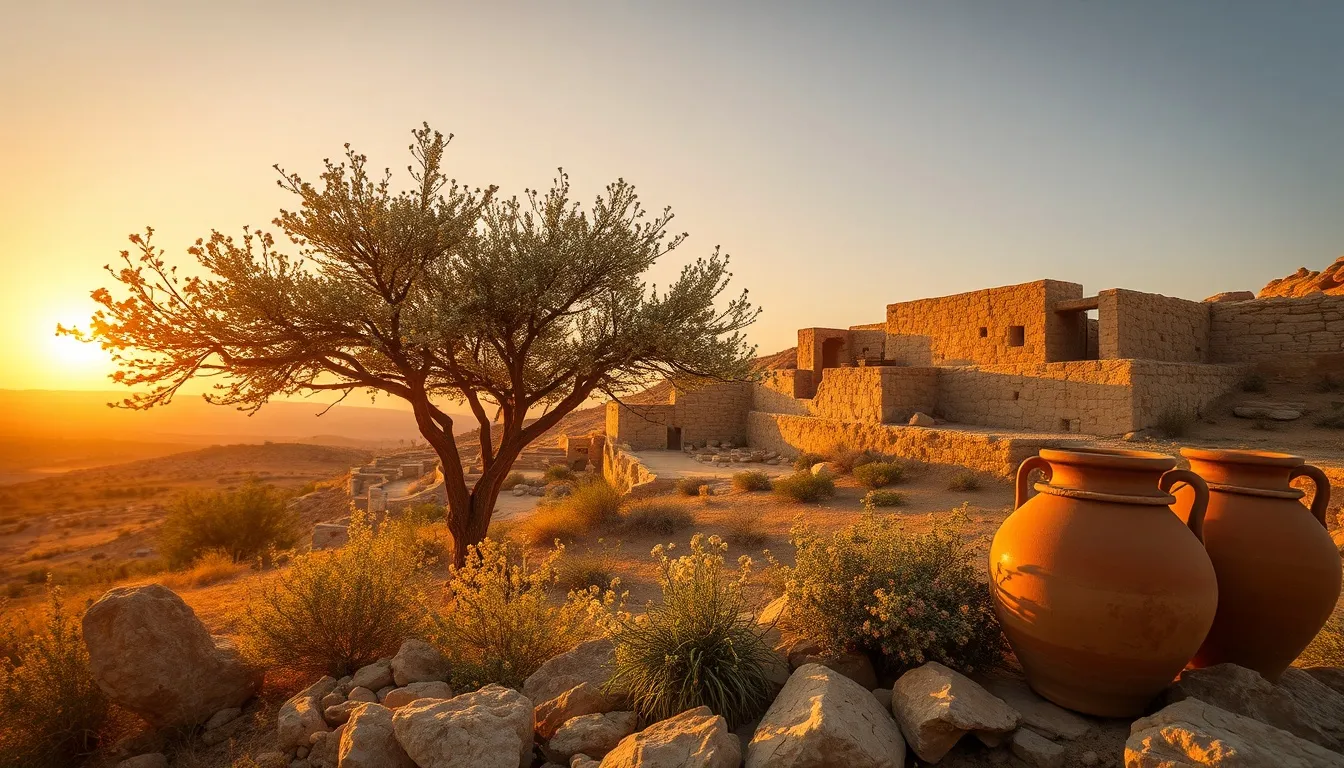
Israel is the original 'land of milk and honey' — yet the biblical dvash almost certainly referred to date syrup (silan), not bee honey. However, Israel hosts the world's oldest documented large-scale apiary: Tel Rehov (~900 BCE, 30+ intact clay cylindrical hives, Beth Shean Valley), where pollen analysis of ancient honey residue identified Origanum syriacum za'atar and Thymus. The native Apis mellifera syriaca (O-lineage, tongue length 6.3–6.6 mm — adapted to tubular Levantine flowers) is one of the most studied honeybee subspecies. Negev Sidr honey from Ziziphus spina-christi is analytically comparable to Yemeni Sidr at a fraction of its price. Carob blossom honey — dark amber to near-black, ORAC comparable to buckwheat — is the most overlooked Israeli specialty. The Volcani Center (Rehovot) conducts world-class honey science. No internationally recognised Israeli honey brand exists despite operating in the world's most honey-storied cultural landscape.

Key Varieties

Negev Sidr honey (Ziziphus spina-christi monofloral, northern Negev and Judean foothills, Oct–Nov flow, amber to dark amber, caramel-herbal-sweet, slow-crystallizing high-fructose profile, analytically comparable to Yemeni Sidr at 20–40% of the price)Carob blossom honey (Ceratonia siliqua, Aug–Oct bloom, dark amber to near-black, ORAC comparable to buckwheat/chestnut, slow crystallization, rich-complex character — the most underexploited Israeli specialty)Za'atar / highland wildflower (Origanum syriacum dominant, Galilee + Golan + Judean Hills + Jerusalem corridor, Apr–Jul, medium amber, herbal-resinous carvacrol/thymol aromatic, comparable to Greek Hymettus thyme honey)Eucalyptus honey (Eucalyptus camaldulensis, planted across coastal plain + Galilee for land reclamation, winter–spring bloom, medium amber, eucalyptol medicinal-herbal character, commercial volume backbone)+2 more
Israel Standards Institute SI 158 (follows Codex Alimentarius/EU Honey Directive: HMF ≤40 mg/kg, moisture ≤20%) · Kosher certification (OU, Badatz, and other Israeli kashrut authorities — important for US/UK/European Jewish community distribution) · No PDO/PGI geographic indication programs for honey varieties as of 2026 — Negev Sidr, carob blossom, and Galilee za'atar are market descriptions, not legally-protected designations · Volcani Center (Agricultural Research Organization) provides quality testing and analytical reference · EU third-country export approved — Israeli honey can enter EU retail channels under standard import arrangements · Primary domestic market: ~5,000 t/year production, ~6,000 beekeepers; export volume modestRead guide
Bahrain honey varieties
🇧🇭Middle East

Bahrain

🏝️Island Sidr & Date Palm Blossom Honey

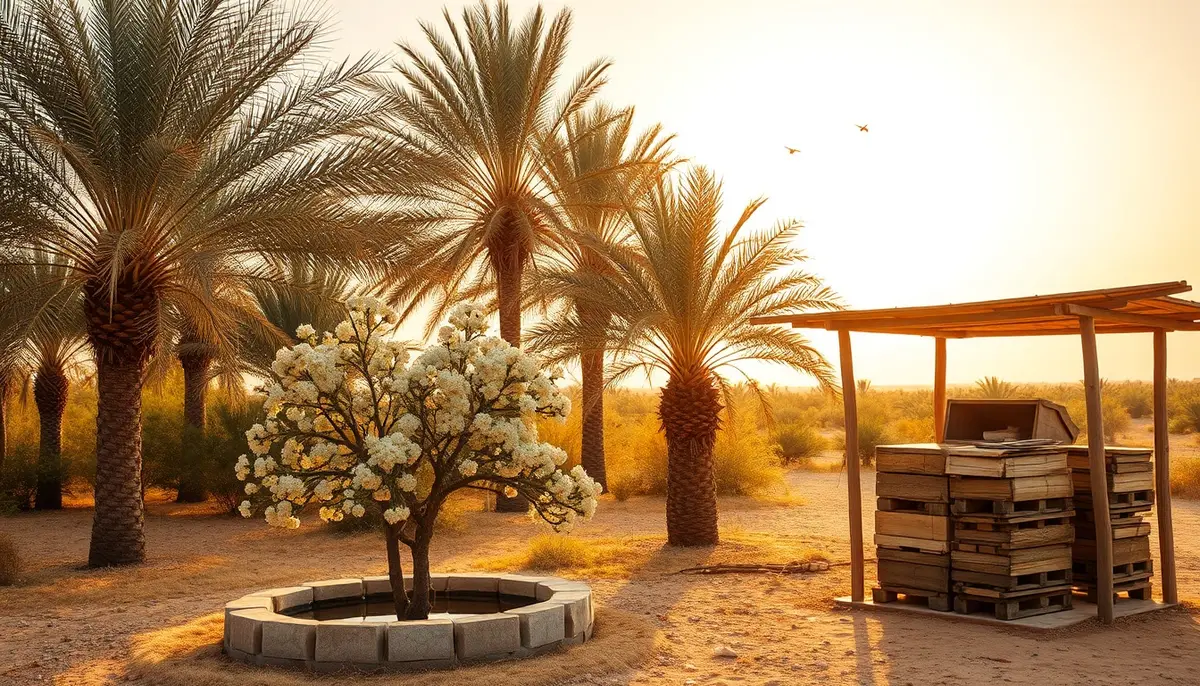
Bahrain (780 km²) is the Gulf's smallest honey-producing nation and home to island Sidr honey from Ziziphus spina-christi — the same tree as legendary Yemeni Sidr, botanically identical, yet almost unknown outside the GCC. The ancient Sumerian poem 'Enki and Ninhursag' (~2000 BCE) describes Dilmun — widely identified as Bahrain via its freshwater artesian springs and Qalat al-Bahrain UNESCO archaeology — as the world's first paradise garden, a bee-forage landscape defined by water in a desert world. Native bee: Apis mellifera jemenitica — the smallest Apis mellifera subspecies (worker ~68–80 mg), adapted to 45°C+ Gulf summer heat via bearding and absconding behaviours. Mangrove honey from Avicennia marina in Tubli Bay Ramsar Wetland is a critically rare Gulf variety; no internationally recognised Bahraini honey brand exists despite Bahrain operating one of the world's most sophisticated premium honey import markets.

Key Varieties

Island Sidr honey (Ziziphus spina-christi, Al-Areen Wildlife Park + northern agricultural margins, Oct–Nov bloom, amber, caramel-herbal, slow-crystallising high-fructose profile — analytically comparable to Yemeni Sidr at 10–25% of its international price)Date palm blossom honey (Phoenix dactylifera, Budaiya + Saar agricultural belt, Feb–Apr, light golden, mild-floral, dominant spring flow)Mangrove honey (Avicennia marina, Tubli Bay Ramsar Wetland, Aug–Oct, salty-mineral character, critical summer-dearth nectar bridge, very small artisanal volume)Ghaf blossom (Prosopis cineraria, southern Bahrain desert, Mar–May, light amber, mild aromatic)+1 more
Bahrain Standards and Metrology Directorate (BSMD) follows Gulf Standardization Organization (GSO) honey standards (GSO 1228) — HMF ≤40 mg/kg, moisture ≤20%, diastase ≥8 DN · No domestic honey authentication laboratory infrastructure comparable to Saudi SASO or UAE ESMA for systematic market testing · Bahrain Beekeeper Society (est. early 2000s) provides producer certification and traceability for domestic artisanal honey · No PDO/PGI or geographic indication for any Bahraini honey variety as of 2026 · Halal-certified domestic production standard for GCC market · King Fahd Causeway honey commerce: some Bahraini-labelled honey may draw on Saudi mainland forage (pollen analysis needed to distinguish island vs mainland origin)Read guide
Kuwait honey varieties
🇰🇼Middle East

Kuwait

🌼Arfaj Desert Wildflower & Rimth Honey

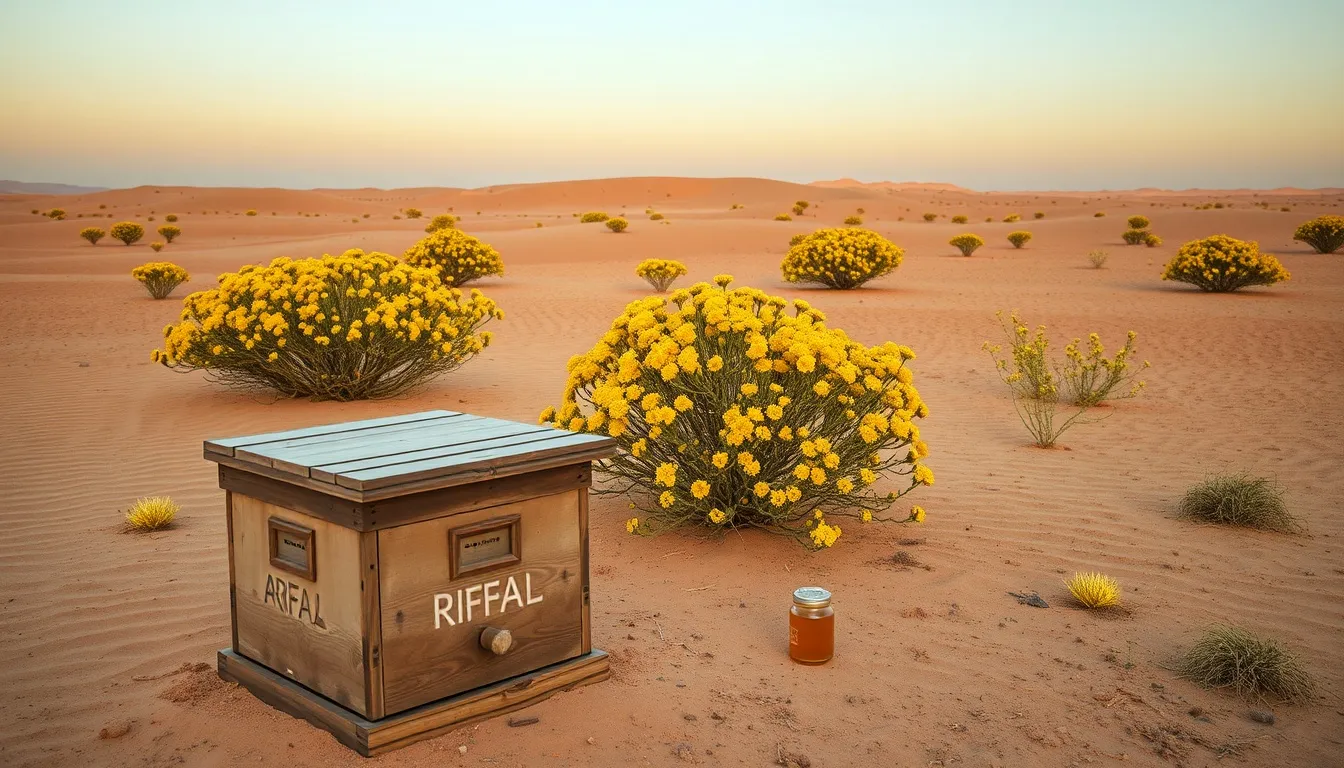
Kuwait is the most extreme GCC honey paradox: one of the world's largest per-capita honey consumers (3,000–5,000 tonnes/year for 4.5 million people) with domestic production of fewer than 10 tonnes per year — a 99.8%+ import dependency. Its national plant, the arfaj (Rhanterium epapposum — عرفج), transforms Kuwait's interior desert into vivid yellow wildflower fields each March–April, yet no internationally marketed Kuwaiti arfaj honey brand exists. The 1990–91 Iraqi invasion and the oil-well fires (739 simultaneous fires, Jan–Nov 1991 — the largest intentional environmental disaster in history) disrupted Kuwait's small beekeeping community and broke the knowledge-transfer chain for A. m. jemenitica desert management. Diwaniyya culture — Kuwait's unique weekly social-gathering institution — makes premium honey the prestige non-alcoholic gift (alcohol is prohibited in Kuwait), driving outsized demand for Yemeni Sidr, Saudi Asir, and Omani honey.

Key Varieties

Arfaj wildflower (Rhanterium epapposum, Jahra governorate + Wadi Al-Batin margins, Mar–Apr, pale amber, Asteraceae polyfloral — Kuwait national plant bloom, rainfall-dependent)Rimth honey (Haloxylon salicornicum / white saxaul, Dec–Apr, pale golden, mildly saline-mineral character from salt-tolerant desert shrub physiology — winter-spring primary flow)Samr blossom (Acacia tortilis, desert wadis and sabkha margins, Mar–May, light amber, delicate vegetal-floral, spring complement to arfaj)Wadi Al-Batin Sidr (Ziziphus spina-christi, northwestern Kuwait valley-bottom sites, Oct–Nov, amber, caramel-herbal — same species as Yemeni and Saudi Sidr, tiny artisanal volume)+1 more
Gulf Standardization Organization (GSO) 1228 honey standard (HMF ≤40 mg/kg, moisture ≤20%, diastase ≥8 DN) — same as all GCC countries · Kuwait Municipality / Public Authority for Consumer Protection (PACP) market enforcement without domestic NMR or isotopic testing laboratory · No PDO/PGI or geographic indication for any Kuwaiti honey variety · Kuwait Beekeeping Society (KBS, جمعية تربية النحل الكويتية) provides member registration and annual honey festival · Halal-certified domestic production · No internationally marketed Kuwaiti honey brand (2026)Read guide
United Arab Emirates honey varieties
🇦🇪Middle East

United Arab Emirates

🍯Hajar Mountain Sidr & Apis florea Dwarf Bee Honey

The UAE enforces the Gulf's most rigorous honey import standard (ESMA GSO 817:2010) while producing less than 1.5% of its own honey consumption — the ESMA Paradox: world's strictest honey quality enforcer, most import-dependent premium market. Dubai's Deira Spice Souk runs the world's most geographically concentrated premium honey retail: Yemeni Sidr (AED 800–3,500/kg), NZ Manuka, Saudi Asir highland, and Pakistani Sidr compete side by side. Native varieties: Hajar Mountain Sidr from Fujairah and Ras Al Khaimah (Ziziphus spina-christi, Oct–Nov, analytically comparable to Yemeni/Saudi Sidr); khalas date blossom from Al Ain's UNESCO oasis (Feb–Mar); Apis florea dwarf bee honey (world's smallest honeybee, 7–8 mm workers, 100–300g per colony — one of the rarest artisanal products in global trade). No internationally marketed UAE mountain or florea honey brand exists in 2026.

Key Varieties

Hajar Mountain Sidr (Ziziphus spina-christi, Fujairah + Ras Al Khaimah wadis, Oct–Nov, amber, caramel-herbal — analytically comparable to Yemeni/Saudi Sidr at a fraction of the price)Khalas date blossom (Phoenix dactylifera, Al Ain UNESCO oasis, Feb–Mar, pale amber, light caramel-floral — from UAE's most prized date variety)Apis florea dwarf bee honey (world's smallest honeybee, Fujairah + coastal mangrove zones, 100–300g per colony, aromatic-complex — essentially unavailable at retail globally)Mountain wildflower (Lavandula subnuda + Acacia ehrenbergiana + Euphorbia + wadi flora, Hajar highlands 600m+, spring, pale to medium amber)+1 more
Emirates Authority for Standardization and Metrology (ESMA) standard UAE.S GSO 817:2010 — HMF ≤40 mg/kg, moisture ≤20%, diastase ≥8 DN (with low-diastase exemption for acacia/orange blossom/tupelo) · Active market surveillance: NMR spectroscopy-based origin verification + δ¹³C C4 sugar isotope analysis at ESMA Abu Dhabi reference laboratory · Gulf Standardization Organization (GSO) common market: Saudi/Omani/Bahraini/Kuwaiti/Qatari honey enters UAE tariff-free under GCC harmonised standards pathway · Dubai Agriculture and Food Safety Authority (DAFSA) joint market surveillance · Halal certification requirement for all honey sold at UAE retail · No PDO/PGI or geographic indication for any UAE honey varietyRead guide
Qatar honey varieties
🇶🇦Middle East

Qatar

🌵Alhagi Desert Honey & Souq Waqif Premium Imports

Qatar completes the GCC hexagon as the world's most research-active honey market with near-zero domestic production. Qatar University and Hamad Medical City publish comparative Sidr and Manuka antibacterial studies — including MRSA inhibition trials, MGO pathway analysis, and GCC-market polyphenol profiling — while producing fewer than 50 tonnes of honey per year against estimated consumption of 3,000–5,000 tonnes. Native bee: Apis mellifera jemenitica. Key native nectar plant: Alhagi maurorum (camel thorn, shok al-jamal) — blooms July–September at ambient temperatures of 45–50°C in Qatar's hyperarid interior, the thermal limit of Gulf beekeeping. Doha's Souq Waqif honey district trades Yemeni Sidr (QAR 200–1,200/kg), Saudi Asir highland, Omani Dhofar, and domestic Qatari multifloral honey. The 2017–21 blockade by Saudi Arabia, UAE, Bahrain, and Egypt permanently restructured Qatar's honey supply chains — Turkish and Pakistani Sidr now hold permanent shelf presence in Souq Waqif alongside the post-reconciliation Saudi product. GSO 817:2010 (QSMO). No internationally marketed Qatari honey brand exists in 2026.

Key Varieties

Spring multifloral (Prosopis cineraria ghaf + Acacia tortilis samr + Ziziphus spina-christi sidr, north Qatar coastal and wadi zones, Feb–Apr, pale to medium amber, mild-sweet)Alhagi maurorum camel thorn (shok al-jamal, interior Qatar, Jul–Sep at 45–50°C ambient, amber, caramel-aromatic — produced by the most thermally stressed jemenitica colonies in the GCC)Mangrove coastal wildflower (Avicennia marina + coastal Prosopis, Al Khor/Al Thakhira mangrove zone, mineral-saline edge, spring)Imported Yemeni Sidr (Wadi Dawan/Hadramawt, Souq Waqif, QAR 200–1,200/kg, most-counterfeited premium honey in global trade)+1 more
Qatar Standards and Metrology Organisation (QSMO) adopted GSO 817:2010: HMF ≤ 40 mg/kg, moisture ≤ 20%, diastase ≥ 8 DN (low-diastase exemption for acacia/orange blossom/tupelo), sucrose ≤ 5% · Conformity via certificate documentation (no systematic NMR market surveillance at QSMO as of 2026) · Qatar University honey research: comparative Sidr/Manuka antibacterial studies 2018–2022 · Hamad Medical City wound care protocols reference Manuka UMF 10+ · QAFSA beekeeping training program (QNV 2030 food security) · No PDO/GI for any Qatari honey variety · 2017–21 blockade permanently diversified import supply chains (Oman, Turkey, Pakistan now permanent alongside Saudi)Read guide
Tajikistan honey varieties
🇹🇯Eastern Europe

Tajikistan

⛰️Pamir Mountain Wildflower & Hedysarum Sainfoin Honey

Tajikistan is 93% mountain — the most topographically vertical honey-producing country in Central Asia. Beekeepers operate productive apiaries at 2,000–3,500 metres in Gorno-Badakhshan Autonomous Oblast (GBAO) Pamir valleys, where the season compresses to 8–10 weeks and wildflower diversity rivals the Alps. The Tajik Civil War (1992–97) destroyed Soviet collective apiaries in the lowlands but mountain beekeeping in GBAO survived, supported by the Aga Khan Development Network (AKDN) since 1993. Hedysarum (sainfoin) mountain honey from the Hissar-Alay ranges is the premium domestic monofloral; Pamiri wildflower from GBAO commands a 30–50% domestic premium. Tajikistan is a CIS observer, not full EAEU member: HMF limit 80 mg/kg nationally, no EU third-country export approval (contrast with Kyrgyzstan). No internationally recognised Tajik honey brand exists.

Key Varieties

Pamiri alpine wildflower (GBAO / Gorno-Badakhshan, 2,000–3,400m, Ferula + Dracocephalum + Allium + Astragalus, dark amber, intensely aromatic, 8–10 week season, Jun–Aug)Hedysarum sainfoin (Hissar-Alay mountain belt, 1,200–2,500m, light amber, delicate-sweet, slow-crystallising, Jun flow — Central Asia premium steppe monofloral)Fergana spring blossom (Sughd region, apricot + mulberry + pomegranate + cherry succession, pale golden, aromatic, Apr–May)Phacelia (Hissar valley and Fergana extension, Soviet-introduced cover crop, almost water-white, mild, fast-crystallising, Jul–Aug)+1 more
CIS observer state (not full EAEU member) · National Tajik standard: HMF ≤80 mg/kg, moisture ≤21% · No EU third-country export approval (unlike Kyrgyzstan) · AKDN/MSDSP beekeeping support programs in GBAO since late 1990s · Primary export markets: Russia (Tajik diaspora + CIS bilateral), Kazakhstan, China (Xinjiang belt-and-road) · No verified Tajik honey brand at international retail (2026)Read guide
Angola honey varieties
🇦🇴Africa

Angola

🌳Miombo Bark-Hive Honey & Cuando Cubango Frontier Honey

Angola sustained traditional bark-hive beekeeping through Africa's longest modern civil war (1975–2002, 27 years). Cuando Cubango Province — land-mined and inaccessible during the conflict — emerged post-war as one of southern Africa's most ecologically intact honey zones: Miombo woodland free from agricultural encroachment for a generation. Post-war NGO programs (ADRA, FAO, World Vision) distributed 60,000+ hives from 2003 onward. Apis mellifera scutellata — the East African lowland bee whose 1956 Brazilian introduction created the Africanized honeybee — is the dominant subspecies. Angola produces no internationally marketed honey brand despite housing some of the continent's most botanically distinct wildflower honey.

Key Varieties

Bié Plateau Miombo polyfloral (Brachystegia boehmii/spiciformis mass bloom, Oct–Dec, medium to dark amber, floral-woody with Combretum molle resinous notes, traditional bark-hive and modern top-bar, Apis mellifera scutellata)Cuando Cubango frontier honey (Burkea africana + Colophospermum mopane on Kalahari sands + Brachystegia, most intact flora in Angola, informal trader network supply to Luanda, artisanal only)Kavango/Cuando margins Acacia-Combretum (border zone with Namibia and Botswana, flood-pulse riverine honey, pale crystallising type, post-flood recession flow)Cabinda enclave rainforest honey (Dacryodes edulis + Irvingia gabonensis + Caesalpiniaceae, equatorial character, darker/higher moisture, Guineo-Congolian forest zone, uncharacterized in published literature)+1 more
INADEC (Instituto Nacional de Defesa do Consumidor) · IANORQ national standard (Codex Alimentarius CXS 12-1981, HMF ≤80 mg/kg tropical limit) · AAPMEL (Associação Angolana dos Produtores de Mel) — Luanda-based national producers association · No EU third-country listing (no residue monitoring program as of 2026) · No GI or PDO designation for any varietyRead guide
Namibia honey varieties
🇳🇦Africa

Namibia

🌵Kavango-Caprivi Mopane-Acacia Honey

Namibia is 90% desert — the Namib and Kalahari Basin — yet produces commercial honey entirely from its northeastern 10%: Kavango East, Kavango West, and the Zambezi Region (formerly Caprivi Strip), where 500–700 mm annual rainfall supports the mopane-Acacia woodland that is Namibia's honey botanical zone. Namibia is one of the few southern African countries with in-country honey laboratory certification (NSI Windhoek) and implemented a national Varroa destructor surveillance program following the mite's arrival around 2019. The Caprivi corridor's post-flood recession honey — from Acacia erioloba (camel thorn) after Chobe and Kwando floodplain inundation — is the most prized Namibian type: pale, slowly crystallizing, with a characteristic mopane-propolis resinous undertone.

Key Varieties

Kavango wildflower polyfloral (Kavango East/West, Rundu area, Brachystegia-Baikiaea woodland on Kalahari sands, medium amber, floral-woody, Miombo-character honey, peak Oct–Dec)Caprivi-Zambezi Acacia erioloba monofloral (Chobe/Kwando riverine zone, camel thorn winter bloom, pale crystallising, delicate-floral, Aug–Oct peak flow)Caprivi post-flood recession honey (Kwando/Chobe floodplain margins, Acacia + Combretum imberbe post-inundation bloom, Apr–Jun, pale to medium amber, most prized Namibian type)Mopane-associated wildflower (Colophospermum mopane propolis undertone in all Caprivi types — resinous-balsamic character that distinguishes Namibian honey from botanically similar Zambian/Zimbabwean types)+1 more
NSI NIS 56:2002 (Namibia Standards Institution — Codex-aligned, HMF ≤40 mg/kg conservative temperate limit for EU-alignment) · NSI in-country honey lab certification (Windhoek — rare in southern Africa outside South Africa) · Namibia Honey Producers Association (NHPA) · SACU zero-tariff access to South Africa retail (NHPA export channel) · Live bee import ban (protects A.m. scutellata genetics) · National Varroa surveillance program (University of Namibia + NHPA, quarterly monitoring)Read guide
Ireland honey varieties
🇮🇪Western Europe

Ireland

🌿Connemara Heather Honey & Burren Wildflower

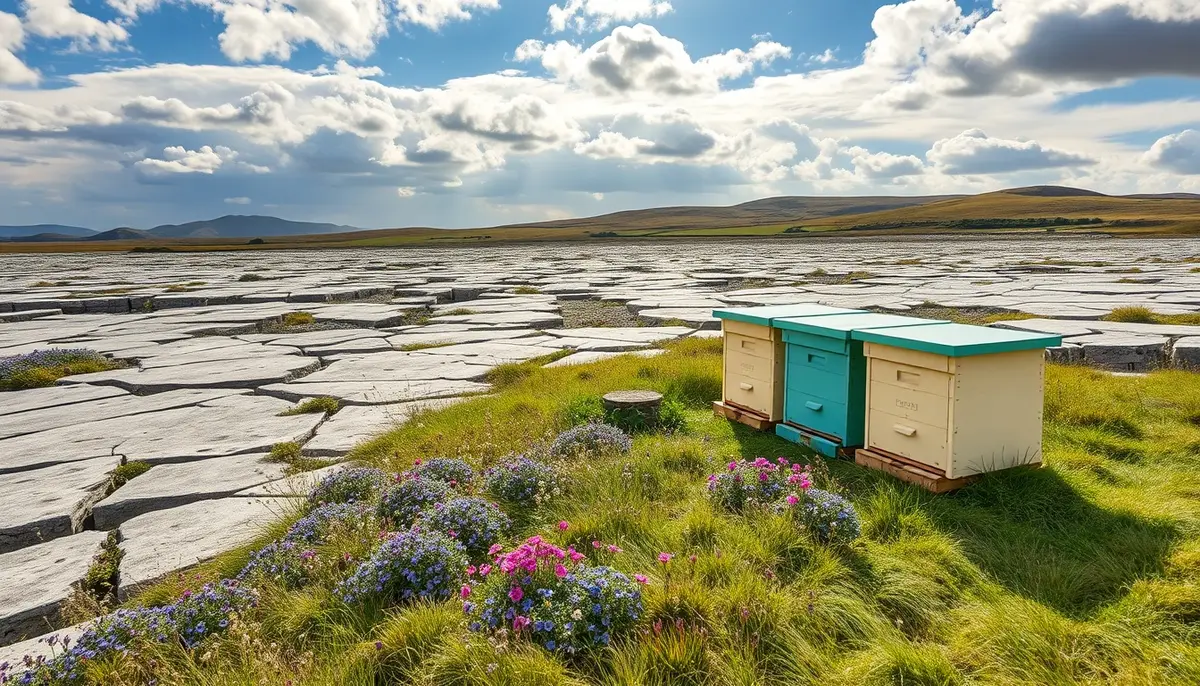
Ireland is one of the last refugia in the Western Palearctic for pure-strain Apis mellifera mellifera — the native Irish black bee (An Bheach Mór), protected under the All-Ireland Pollinator Plan and the Native Irish Honey Bee Society's island conservation network (Rathlin Island closed zone: 20+ years). The Bechbretha — a 7th-century Old Irish legal tract preserved at Trinity College Dublin — is the oldest bee law in European history, codifying swarm rights, trespass liability, and honey theft within the Brehon Law system. The Burren (250 km² County Clare limestone pavement) produces wildflower honey containing Spring Gentian, Mountain Avens, and orchid pollen found almost nowhere else in Europe. Ireland produces ~1,500–2,000 tonnes/year but consumes 6,000–8,000 tonnes — 70–80% import-dependent.

Key Varieties

Connemara heather honey (Calluna vulgaris, Aug–Sep, thixotropic gel, dark amber, herbal-green with moderate bitterness — structurally identical to German Heideblüte but absent from international retail)Burren wildflower honey (County Clare limestone pavement, Spring Gentian + Mountain Avens + orchid pollen, pale to medium amber, complex herbal-mineral character, artisanal only)Ivy honey (Hedera helix, Sep–Oct, white crystalline, rapid crystallisation from high glucose:fructose ~1.3:1, waxy-herbal flavour — can cause winter starvation if over-stored in hive)Donegal heather honey (Calluna vulgaris, north Atlantic bogland, comparable to Connemara type, slightly higher moisture at coastal sites)+2 more
EU Honey Directive 2001/110/EC via SI 791 of 2003 (Republic of Ireland) and DAERA Northern Ireland · DAFM National Residue Control Plan (antibiotics, neonicotinoids, coumaphos, heavy metals — annual EFSA submission) · Federation of Irish Beekeeping Associations (FIBKA): ~14,000 registered beekeepers, Preliminary/Senior/Master Beekeeper education framework · Native Irish Honey Bee Society (NIHBS): genetic monitoring programme, Rathlin Island closed conservation zone, Aran Islands proposed · No PDO/PGI for any Irish honey variety as of 2026 · Organic: IOAS, the Irish Organic Association, and the Organic Trust certify Irish organic honey (primarily small-scale artisanal producers)Read guide
Netherlands honey varieties
🇳🇱Western Europe

Netherlands

🌼Amsterdam Linden Honey & Veluwe Heather Honey

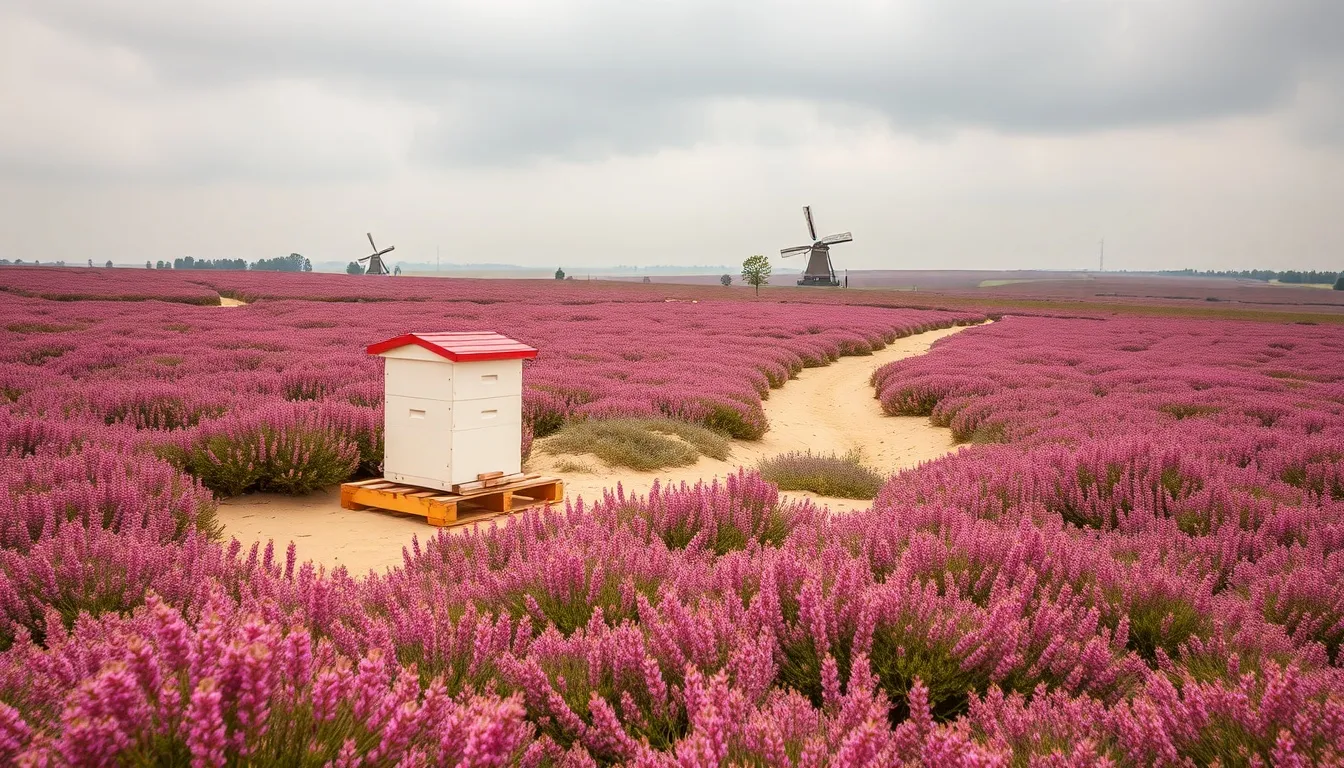
The Netherlands is the world's largest tulip exporter — yet tulips produce no honey (Tulipa spp. reward pollinators with pollen, not nectar; yield 0–1 mg/bloom). Dutch bees instead forage Tilia cordata linden trees lining Amsterdam's 17th-century canal ring (~400,000 urban linden trees citywide), Calluna vulgaris heather on the Veluwe (90,000 ha, NW Europe's largest inland heathland), and phacelia cover crops in Zeeland and Groningen polders. Wageningen's WFSR (formerly RIKILT) developed the δ¹³C IRMS isotope ratio and NMR metabolomics honey authentication methods now used EU-wide for adulteration detection — making the Netherlands simultaneously Europe's honey authentication science capital and its largest honey re-export hub (imports ~20,000–25,000 t/year through Rotterdam; domestic production only ~700–1,000 t/year).

Key Varieties

Lindehoning / Amsterdam linden honey (Tilia cordata, Jun–Jul, canal-ring urban trees, water-white to pale greenish-yellow, intensely floral-minty from linalool, monofloral ≥60–85% Tilia pollen in canal-ring apiaries — qualifies as monofloral by EU Codex)Heidehoning / Veluwe heather honey (Calluna vulgaris, Aug–Sep, 90,000 ha glacial heathland in Gelderland + Drenthe heath, thixotropic gel, dark amber, herbal-green moderate bitterness — structurally identical to German Heideblüte and Scottish heather honey)Phacelia honey (Phacelia tanacetifolia cover crops, May–Jun, Zeeland/Groningen/Flevoland polders, water-white to pale grey-blue, mild-clean sweetness, fine-grained crystallisation)Robinia honey (Robinia pseudoacacia black locust, late May–Jun, southern Veluwe fringe and Drenthe coversand, water-white, slow-crystallising, mild sweet — same profile as Italian/Hungarian acacia honey)+2 more
EU Honey Directive 2001/110/EC via Warenwetbesluit Honing (Honey Commodities Decree) · NVWA (Nederlandse Voedsel- en Warenautoriteit) enforcement: C4 sugar adulteration IRMS, NMR metabolomics fingerprinting, pollen species analysis · VBBN (Koninklijke Vereniging van Bijenhouders / Royal Dutch Beekeepers Association): ~10,000 members, voluntary Keurmerk (quality mark) for Dutch-origin honey · No Dutch PDO/PGI honey designation as of 2026 (Veluwe heidehoning is primary GI candidate) · WFSR/Wageningen maintains European Honey Reference Database (NMR spectral library for all EU honey types) · Dutch varroa treatment framework: oxalic acid (Api-Bioxal, Oxuvar) + synthetic acaricide strips as registered veterinary medicinesRead guide
Belgium honey varieties
🇧🇪Western Europe

Belgium

🌿Ardennes Wildflower & Hautes Fagnes Heather

Belgium is the EU's most urbanized country (97.7% urban population) yet sustains 14,000–16,000 registered beekeepers managing ~175,000–200,000 colonies. CARI (Centre Apicole de Recherche et d'Information) documents that Brussels and Ghent urban bees have lower Varroa destructor loads and fewer pesticide residues than rural colonies in the rapeseed-dominated Flemish plain — the urban-hive paradox. Three honey zones: Flemish plain rapeseed (colza / koolzaad, crystallizes in 5–14 days from high glucose:fructose ~42%:35%); Wallonian Ardennes wildflower and Castanea sativa chestnut (dark, tannic, 10,000 km² Devonian schist woodland); and Hautes Fagnes heather (Calluna vulgaris, Signal de Botrange 694m, Belgium's highest point, thixotropic gel, 4,700 ha Natura 2000 peat bog, NATO-restricted zone inadvertently preserving the heath). No Belgian honey PDO/PGI as of 2026 — despite 36+ registered Belgian GI food products. UGent Bee Team data supported the EU's 2018 outdoor neonicotinoid ban.

Key Varieties

Rapeseed honey / colza / koolzaad (Brassica napus, Apr–May, Flemish plain, water-white to pale gold, crystallizes in 5–14 days from high glucose content, mild fatty-sweet, creamed / crème de miel is the Belgian breakfast staple)Ardennes wildflower honey / miel sauvage des Ardennes (multifloral, Jun–Aug, Wallonian Devonian schist woodland, amber, complex herbal-mineral, bramble + white clover + tree honeydew contributions)Ardennes chestnut honey (Castanea sativa, Jun–Jul, Wallonian/Liège Ardennes, dark amber to dark brown, pronounced tannic bitterness from saponins, one of Belgium's most distinctive artisanal varieties)Hautes Fagnes heather honey (Calluna vulgaris, late Jul–mid-Aug, Signal de Botrange 694m, thixotropic gel structure — flows when stirred, re-sets at rest — dark amber, herbal-green, small-batch transhumance production)+3 more
EU Honey Directive 2001/110/EC via Belgian Royal Decree on honey (implemented by FAVV/AFSCA — Federaal Agentschap voor de Veiligheid van de Voedselketen / Agence fédérale pour la Sécurité de la Chaîne alimentaire) · FAVV conducts HMF, moisture, diastase, pesticide residue, and C4 sugar authenticity tests · SRABE/KOWB (Société Royale d'Apiculture de Belgique / Koninklijke Vlaamse Imkersbond): national beekeeping umbrella, education and disease surveillance · CARI (Centre Apicole de Recherche et d'Information, Louvain-la-Neuve): annual colony-loss surveys, sentinel apiaries, honey reference library · BeeLife European Beekeeping Coordination (Brussels NGO): advises EU pesticide regulation including neonicotinoid policy · No PDO/PGI for any Belgian honey variety as of 2026 · Varroa arrived Belgium 1987 (earlier than Ireland/Iceland, similar timeline to Netherlands)Read guide
Luxembourg honey varieties
🇱🇺Western Europe

Luxembourg

🌿Oesling Wildflower & Müllerthal Gorge Honey

Luxembourg is the EU's wealthiest nation per capita (GDP/capita consistently >€80,000) and produces an estimated 300–500 tonnes of honey per year — virtually all consumed domestically with near-zero exports. High per-capita income makes artisanal honey at €6–15/250g accessible to virtually every resident, making export-volume logic irrelevant: the Micro-Duchy Paradox. Two honey zones: the Oesling (northern third, Devonian schist/quartzite — Ardennes continuation, Calluna vulgaris heather, bramble, forest linden, complex amber wildflower) and the Gutland (southern two-thirds, Triassic sandstone/Jurassic limestone — linden/Tilia prestige variety with minty-menthol finish, white clover, wildflower meadow). Müllerthal ('Little Switzerland') gorge microclimate produces the most distinctive artisanal wildflower honey. Near Schengen village on the Moselle, bees forage across Luxembourg, German, and French territory freely — 'stateless honey' from the birthplace of the Schengen Agreement. ASTA (Association des Sociétés et Syndicats d'Apiculture) is the national beekeeping umbrella; ALVA enforces EU Directive 2001/110/EC. No PDO/PGI for any Luxembourg honey variety as of 2026.

Key Varieties

Oesling wildflower honey (Ardennes highlands, northern Luxembourg, acidic schist soils, complex amber — bramble + white clover + forest linden + forest honeydew, Jun–Aug)Oesling Calluna heather honey (Calluna vulgaris, northern highland heath patches, late Jul–Aug, thixotropic gel structure, herbal-amber, small-batch production in good heather years)Gutland linden honey / Lindenhunneg (Tilia platyphyllos/T. cordata, Jun–Jul, pale amber, floral-minty menthol finish, the prestige Gutland variety — Luxembourg City avenues + Moselle valley parkway trees)Gutland white clover honey (Trifolium repens, Jun–Aug, water-white to pale gold, mild-sweet, dominant volume variety in agricultural south)+3 more
EU Directive 2001/110/EC on honey via Règlement grand-ducal du 24 janvier 2007 sur les produits apicoles · ALVA (Administration luxembourgeoise vétérinaire et alimentaire): food safety enforcement — HMF, moisture, diastase, C4 sugar authenticity testing · ASTA (Association des Sociétés et Syndicats d'Apiculture du Grand-Duché de Luxembourg): national beekeeping umbrella — queen rearing, Varroa treatment protocols (Oxalic acid + Apivar), Concours de Miel national honey competition, COLOSS colony-loss survey participation · No PDO/PGI for any Luxembourg honey variety as of 2026 · 'Lëtzebuerger Hunneg' / 'Miel luxembourgeois' artisanal label used by local producers to distinguish from imports · Varroa arrived Luxembourg late 1980s–early 1990sRead guide
Liechtenstein honey varieties
🇱🇮Western Europe

Liechtenstein

🏔️Rätikon Bergblumenhonig & Waldhonig

Liechtenstein is the world's smallest German-speaking country (160 km², ~39,500 residents) and has no national honey standard of its own — yet its honey is governed by Europe's strictest practical regime via the 1924 Customs Treaty (Zollvertrag) with Switzerland. Liechtenstein producers are eligible for the Swiss Apisuisse 'Goldenes Siegel' premium label (≤17.5% moisture vs. ≤20% Codex/EU; ≤8 mg/kg HMF vs. ≤40 mg/kg EU; full apiary-level origin traceability) on the same terms as Swiss Verband Deutschschweizerischer und Rätoromanischer Bienenfreunde members. Two zones produce two terroirs: the Oberland (southern two-thirds, Rätikon alpine slopes — Bergblumenhonig with alpine clover/gentian/dandelion/Rhododendron ferrugineum, plus Waldhonig forest honeydew from Picea abies and Abies alba, chemically related to German Schwarzwälder Tannenhonig PGI) and the Unterland (northern third, Rhine valley — orchard blossom, white clover, linden). The Foehn wind raises Rhine-valley spring temperatures 10–15°C above seasonal norms within hours, advancing orchard bloom 7–14 days ahead of nearby Austrian Vorarlberg. The Liechtensteiner Imkerverband (LIV, founded 1922) has approximately 150 active members managing 1,500–2,000 colonies — a per-capita beekeeping density comparable to Slovenia and Switzerland. Three-country Rätikon Waldhonig forage zone: bees forage across Liechtenstein, Vorarlberg, and the Swiss Sarganserland, producing botanically continuous honeydew honey that is jurisdictionally Liechtenstein's only by hive location. As a non-EU EFTA/EEA state, Liechtenstein cannot register PDO/PGI; 'Liechtensteiner Bergblumenhonig' and 'Liechtensteiner Waldhonig' function as descriptive trade designations enforced by truthful-origin labelling rules.

Key Varieties

Liechtensteiner Bergblumenhonig (Oberland alpine wildflower honey, Rätikon high pastures above 1,200 m — alpine clover/gentian/dandelion/Apiaceae, Jun–Aug, complex amber-floral, the prestige Oberland variety)Liechtensteiner Waldhonig (Rätikon spruce-fir forest honeydew honey, Picea abies + Abies alba aphid secretions, melezitose 5–15% in Abies-dominant batches per Ruiz-Matute 2010, amber-to-dark, EU-honeydew conductivity threshold ≥0.8 mS/cm, chemically related to Schwarzwälder Tannenhonig PGI)Alpenrosenhonig / Alpine rose honey (Rhododendron ferrugineum, Triesenberg/Malbun/Steg high-pasture areas, late Jul–early Aug in good Rhododendron-bloom years, pale amber with subtle astringent finish — small-batch artisanal)Unterland orchard blossom honey (apple, cherry, plum, pear orchards in Eschen/Mauren/Bendern, late Apr–May, pale-golden, fragrant — Foehn-wind advanced bloom timing 7–14 days ahead of Vorarlberg)+3 more
No national Liechtenstein honey standard — adopted by reference via the 1924 Customs Treaty (Zollvertrag) with Switzerland · Swiss BLV/OSAV (Federal Food Safety and Veterinary Office) honey standards apply: stricter than EU Directive 2001/110/EC on moisture, HMF, and adulteration testing · Apisuisse Goldenes Siegel voluntary premium label (≤17.5% moisture, ≤8 mg/kg HMF, full apiary-level origin traceability, exclusively domestic-comb-extracted, ringtest participation) — available to Liechtensteiner Imkerverband (LIV) members on the same terms as Swiss VDRB members · Liechtensteiner Imkerverband (LIV, founded 1922) — national beekeeping umbrella with ~150 active members; member of the Apisuisse-VDRB network; COLOSS European colony-loss survey participation · No PDO/PGI for any Liechtenstein honey variety as of 2026 (Liechtenstein cannot register under EU Regulation 1151/2012 as a non-EU EFTA/EEA state, and the Swiss AOP/IGP system does not extend to Liechtenstein) · Tier- und Lebensmittelinspektorat (Office of Food Safety and Veterinary Affairs) coordinates with Swiss BLV/OSAV on cross-border testing · Predominantly A. m. carnica and A. m. ligustica with active Buckfast subgroupRead guide
Andorra honey varieties
🇦🇩Western Europe

Andorra

🏔️Pyrenean Mel de Mil Flors & Mel de Bosc

Andorra is a 468 km² Catalan-speaking microstate in the high Pyrenees with ~80,000 residents distributed across seven parròquies between France and Spain. Since the 1278 Pareatges treaty it has operated as a co-princedom — its two heads of state are the President of the French Republic and the Catholic Bishop of Urgell (Catalonia, Spain). The 1990 EU Customs Union Agreement covers industrial goods only and explicitly excludes agricultural products including honey, so Andorra has no national honey-composition standard, no PDO or PGI designation, and is governed by general consumer-protection law (Llei 13/2013) plus voluntary reference to Spanish (Real Decreto 1049/2003) or French (Décret 2003-587) standards. Production is overwhelmingly artisanal: an estimated 30–60 active beekeepers manage 300–600 colonies producing 3–6 tonnes/year. Two Pyrenean styles dominate — mel de mil flors (multifloral mountain wildflower from 1,200–2,000 m apiaries) and mel de bosc (Pinus sylvestris/uncinata and Abies alba forest honeydew from the Madriu-Perafita-Claror UNESCO World Heritage cultural landscape that covers 9% of the country). The three-country Catalan forage zone (Andorra–France/Ariège/Cerdagne–Spain/Alt Urgell/Cerdanya) means mel de bosc is botanically continuous with French miel de sapin des Pyrénées IGP and Catalan mel de bosc del Pirineu — the difference is the hive's political boundary, not the forest. Andorran-produced honey is consumed almost entirely domestically through parish farmers' markets and direct-from-apiary sales at €11–18 per 500g, and is rare in the country's tax-advantaged duty-free supermarkets which carry primarily large-volume Spanish, Argentinian, and Eastern European imported honey.

Key Varieties

Mel de mil flors (Pyrenean multifloral mountain wildflower, June–August, 1,200–2,000 m apiaries — white clover, wild thyme, Lotus corniculatus, dandelion, Asteraceae meadow species; the volume variety)Mel de bosc (forest honeydew honey from Pinus sylvestris, Pinus uncinata, and Abies alba aphid secretions, melezitose 1–4% Pinus-dominant / 5–15% Abies-dominant per Ruiz-Matute 2010, EU-honeydew conductivity ≥0.8 mS/cm; chemically related to French miel de sapin des Pyrénées IGP and Catalan mel de bosc del Pirineu — the prestige Madriu-Perafita-Claror variety)Mel de rosa dels alps / Alpine rose honey (Rhododendron ferrugineum, late June–early August in good Rhododendron-bloom years, Comapedrosa and Sorteny high-pasture areas, pale amber with subtle astringent finish — small-batch artisanal)Mel de bruc (heather honey, Calluna vulgaris and Erica species, late summer 1,500+ m south-facing slopes, dark-amber, intense aromatic — modest volumes typically blended into mil flors)+2 more
No national Andorran honey standard — Honey is excluded from the 1990 EU Customs Union Agreement (industrial goods only), so EU Directive 2001/110/EC does not apply by harmonisation · Honey labeling governed by Llei 13/2013 sobre comerç (general consumer-protection / truthful-origin requirements) plus voluntary reference to Spanish Real Decreto 1049/2003 or French Décret 2003-587 standards · Associació d'Apicultors d'Andorra (national beekeeper association, ~30–60 active members, ~300–600 colonies) · Departament d'Agricultura within the Ministry of the Environment, Agriculture and Sustainability provides modest extension support, Varroa monitoring guidance aligned with Spanish/French regional protocols, and small queen-rearing subsidies in upper Valira parishes · No PDO/PGI for any Andorran honey variety as of 2026 (cannot register under EU Regulation 1151/2012 as a non-EU state, no parallel domestic geographical-designation system) · Apis mellifera iberiensis predominant with hybridisation from A. m. mellifera (border-permeable forage continuity with French Pyrenean and Catalan apiaries)Read guide
San Marino honey varieties
🇸🇲Western Europe

San Marino

🌰Apennine Miele di Castagno & Miele di Acacia

San Marino is a 61 km² Apennine enclave inside Italy (~33,000 residents, nine castelli) — the world's oldest surviving republic, founded by tradition in 301 CE — with no domestic honey-composition standard of its own. The 1862 Treaty of Friendship and Good Neighbourhood with Italy created a customs union that has remained in force ever since, and the 1991 Cooperation and Customs Union Agreement extended this with the European Economic Community for industrial products and aligned veterinary and food-safety rules. Sammarinese honey is therefore subject de facto to Italian implementing decree DM 25/07/2003 and EU Directive 2001/110/EC — composition limits on moisture (≤20%), HMF (≤40 mg/kg), diastase activity, electrical conductivity, and sugar profile. Production is small-scale artisanal: an estimated 20–40 active beekeepers manage 200–400 colonies producing 2–5 tonnes/year. Three Apennine styles dominate — miele di castagno (Castanea sativa, the signature dark-amber-bitter variety), miele di acacia (Robinia pseudoacacia, the slowest-crystallising common monofloral with F:G 1.55–1.65), and millefiori (sub-Apennine multifloral). The three-province forage zone (Rimini–Pesaro-Urbino–Forlì-Cesena) means Sammarinese chestnut and acacia are botanically continuous with surrounding Romagna and Marche product. Beekeepers operate as members of the Federazione Apicoltori Italiani (FAI) regional sections. The bee subspecies is predominantly Apis mellifera ligustica.

Key Varieties

Miele di castagno (sweet chestnut honey, Castanea sativa, late June–early July, dark amber, intensely aromatic, bitter-and-tannic, electrical conductivity >1.0 mS/cm, F:G ratio >1.4, pollen 70–95% Castanea — the signature variety; botanically continuous with surrounding Romagna and Marche Apennine chestnut belt)Miele di acacia (Robinia pseudoacacia, mid-May, 10–14 day bloom, water-clear to pale-straw, F:G ratio 1.55–1.65 — the slowest-crystallising common European monofloral; the spring volume variety)Millefiori del Titano (multifloral wildflower honey, May–August, sub-Apennine — Trifolium repens, Lotus corniculatus, Taraxacum, Asteraceae meadow species, occasional Robinia traces; amber, complex-floral; the late-spring-to-summer fall-back variety)Miele di girasole (sunflower honey, Helianthus annuus, July, from cultivated fields in the Conca and Marecchia valleys below the Sammarinese border, mid-amber, fast-crystallising — typically blended into millefiori rather than sold monofloral)+1 more
No national Sammarinese honey standard — Honey is governed de facto by Italian DM 25/07/2003 and EU Directive 2001/110/EC via the 1862 Italian customs union and 1991 EEC Cooperation and Customs Union Agreement (composition limits: moisture ≤20%, HMF ≤40 mg/kg, diastase activity, electrical conductivity, sugar profile) · Honey labeling supervised by Ufficio Igiene e Sanità Pubblica within Istituto per la Sicurezza Sociale (ISS) · Analytical testing on fee-for-service basis at Italian regional laboratories: CRA-API (Consiglio per la Ricerca in Agricoltura, Bee and Bee Products Research Unit) Bologna, IZS (Istituto Zooprofilattico Sperimentale) Umbria-Marche Perugia, ASL Romagna Rimini · Federazione Apicoltori Italiani (FAI) Emilia-Romagna and Marche regional sections welcome Sammarinese members on the same terms as Italian beekeepers · No PDO/PGI for any Sammarinese honey variety as of 2026 (cannot register under EU Regulation 1151/2012 as a non-EU state, no parallel domestic geographical-designation system) · Apis mellifera ligustica predominantRead guide
Monaco honey varieties
🇲🇨Western Europe

Monaco

🌿Riviera Garrigue & Provence-Adopted Standards

Monaco is a 2.08 km² urban microstate on the French Mediterranean Riviera (population ~38,400) — the world's second-smallest sovereign state by area after Vatican City and the most densely populated state on Earth at roughly 18,500 people per km². Under the 1861 Franco-Monégasque Treaty and the 1963 Franco-Monégasque Customs Convention (Convention Douanière du 18 mai 1963), Monaco is part of the French customs territory: French and EU customs, excise, and sanitary regulations apply on the Monégasque side of the border on the same terms as on the French side, with no internal customs barrier. Monégasque honey is therefore subject de facto to EU Council Directive 2001/110/EC (as amended by 2014/63/EU) via French transposition (Décret n° 2003-587 du 30 juin 2003 relatif aux miels) — composition limits on moisture (≤20%), HMF (≤40 mg/kg), diastase activity, electrical conductivity, and sugar profile. The DGCCRF and DDPP des Alpes-Maritimes have de facto jurisdiction over food-fraud and labelling enforcement; analytical testing is run on a fee-for-service basis at the Laboratoire Départemental Vétérinaire et Alimentaire des Alpes-Maritimes (LDA06) in Nice or at INRAE PACA in Avignon. Domestic production is structurally minimal — only ~20% of Monaco's 2.08 km² is green or open space (Jardin Exotique, Jardin Saint-Martin, Jardin Japonais, Roseraie Princesse Grace, Fontvieille Parc Paysager, scattered medians); estimates of resident beekeepers are in the single digits to low tens, total colonies likely under 50, and aggregate annual production likely under 1 tonne. What flows through Monégasque retail is primarily Provence-Alpes-Côte d'Azur garrigue honey (Miel de Provence IGP, registered 1999), miel de lavande/lavandin IGP, miel de romarin, and Italian Ligurian millefiori. The Jardin Exotique de Monaco runs periodic pollinator-education programs and the Prince Albert II of Monaco Foundation (founded 2006) funds Mediterranean pollinator-conservation research. Apis mellifera ligustica predominates with residual A. m. mellifera genetics. This is the urban-microstate extension of the Adopted-by-Reference frame that already includes Liechtenstein (Swiss Apisuisse via the 1924 Customs Treaty), Andorra (Spanish/EU framework), and San Marino (Italian DM 25/07/2003 via the 1862 and 1991 agreements).

Key Varieties

Miel de garrigue (Mediterranean garrigue blend, Apr–Jul, rosemary–thyme–lavender–cistus mix from Alpes-Maritimes and Var apiaries supplying Monégasque retail, mid-amber, intensely aromatic — the headline regional variety)Miel de Provence IGP (registered 1999, lavandin de Provence IGP and miel de lavande de Provence IGP sub-designations, Jun–Jul, pale to mid-amber, floral-aromatic — the protected-designation Provence honey carried by Monégasque épiceries)Miel de romarin (Rosmarinus officinalis, Mar–Apr, very pale, mild-floral, fast-crystallising — the early-spring Riviera variety from Alpes-Maritimes producers, also part of the IGP framework)Miel de châtaignier (Castanea sativa, Jun–Jul, dark amber, bitter-aromatic — from inland Var elevations 600–900m, carried by Monégasque high-end retail as a Provençale specialty)+2 more
No domestic Monégasque honey-composition standard — Honey is governed de facto by EU Directive 2001/110/EC and French Décret 2003-587 via the 1861 Franco-Monégasque Treaty and the 1963 Franco-Monégasque Customs Convention (composition limits: moisture ≤20%, HMF ≤40 mg/kg, diastase activity, electrical conductivity ≤0.8 mS/cm for blossom and ≥0.8 mS/cm for honeydew, sugar profile) · Food-fraud and labelling enforcement by DGCCRF (Direction Générale de la Concurrence, de la Consommation et de la Répression des Fraudes) and DDPP des Alpes-Maritimes · Analytical testing on fee-for-service basis at Laboratoire Départemental Vétérinaire et Alimentaire des Alpes-Maritimes (LDA06) in Nice and INRAE PACA in Avignon · Resident beekeepers welcomed in the Syndicat Apicole des Alpes-Maritimes (SAAM) on the same terms as French residents · Direction Régionale de l'Alimentation, de l'Agriculture et de la Forêt (DRAAF) PACA registration applies · No PDO/PGI for any Monégasque honey variety as of 2026 (cannot register under EU Regulation 1151/2012 as a non-EU state) · Adjacent Miel de Provence IGP (registered 1999) covers garrigue/lavande/lavandin from surrounding Alpes-Maritimes · Apis mellifera ligustica predominant with residual A. m. mellifera geneticsRead guide
Vatican City honey varieties
🇻🇦Western Europe

Vatican City

Castel Gandolfo Lazian Millefiori & Lateran-Treaty Adopted Standards

Vatican City is the smallest sovereign state on Earth by both area (0.49 km², a 44-hectare enclave inside the Italian capital) and population (~825 as of 2026), and home to the world's smallest national apicultural footprint. The 1929 Lateran Treaty (Patti Lateranensi) signed between Cardinal Pietro Gasparri for the Holy See and Italian PM Benito Mussolini for the Kingdom of Italy created Vatican City State and granted extraterritorial status (Articles 13–16) to a set of papal properties outside the city walls — the most apiculturally important of which is the Pontifical Villas at Castel Gandolfo, 55 hectares in the Alban Hills 25 km south-east of Rome. The Pontifical Farm there (renamed Borgo Laudato Si' in 2023) is the location of the Vatican's only working apiary — established under Pope Benedict XVI (2005–2013) and expanded under Pope Francis (2013–2025) following his 2015 encyclical Laudato Si' on Care for Our Common Home, which named pollinator conservation explicitly in paragraph 34. Active hive count is in the low double digits (typically 15–30 colonies) producing an estimated 200–600 kg of honey per year, the entirety of which is consumed in the apostolic household, gifted to visiting heads of state, or distributed through the Elemosineria Apostolica (the Pope's personal almsgiving). A second smaller surface inside the Vatican walls — one or two demonstration hives in the Vatican Gardens (~23 ha) on the western slope above Vatican Radio — is for biodiversity-monitoring and educational purposes, not commercially productive. Vatican City has no domestic honey-composition standard, no national food-quality testing laboratory, no producer federation, no PDO or PGI designation, and no published apicultural register: Italian DM 25 luglio 2003 + EU Council Directive 2001/110/EC apply de facto via the Lateran Treaty's jurisdictional-cooperation framework and the 2009 EU-Vatican Monetary Agreement (Council Decision 2009/895/EC). The Castel Gandolfo Pontifical Villas occupy the western rim of the Lake Albano caldera at ~425m elevation in the Colli Albani / Castelli Romani volcanic complex; the forage zone is structurally Mediterranean Sclerophyll on volcanic-tephra soils — Lazian millefiori with Castelli-Romani volcanic-soil mineral signature. Apis mellifera ligustica predominates. This is the enclosed-garden extension of the Adopted-by-Reference frame that already includes Andorra, Liechtenstein, San Marino, and Monaco — the cluster's first explicit-policy-frame case (Laudato Si' / Borgo Laudato Si').

Key Varieties

Castel Gandolfo Lazian millefiori (Pontifical Farm apiary, May–Aug, mid-amber, complex multifloral with holm-oak / olive / chestnut / garrigue-herb signature, 200–600 kg/year, non-commercial — apostolic household + diplomatic gifts + Elemosineria Apostolica only)Castelli Romani DOC-area honey (Frascati / Marino / Velletri / Genazzano apiaries on the same volcanic-soil massif, May–Aug, mid-amber, the closest reliably commercial Lazian-millefiori substitute)Miele di castagno dei Castelli Romani (Castanea sativa, Faete + Iano sub-zones at 550–800m, Jun–Jul, dark amber, bitter-aromatic — the chestnut variant from the higher Alban-Hills elevations)Miele di olivo / acacia / robinia from surrounding Lazio (May–Jun, pale, mild — the lighter monoflorals carried in Roman delicatessens and the Vatican Pharmacy)+2 more
No domestic Vatican honey-composition standard — Honey is governed de facto by EU Council Directive 2001/110/EC (as amended by 2014/63/EU) and Italian DM 25 luglio 2003 'Disposizioni nazionali in materia di produzione e commercializzazione del miele' via the 1929 Lateran Treaty's jurisdictional-cooperation framework and the 2009 EU-Vatican Monetary Agreement (Council Decision 2009/895/EC) (composition limits: moisture ≤20%, HMF ≤40 mg/kg, diastase activity, electrical conductivity ≤0.8 mS/cm for blossom and ≥0.8 mS/cm for honeydew, sugar profile) · No national food-quality testing laboratory — analytical testing on fee-for-service basis at CRA-API Bologna (now CREA — Consiglio per la ricerca in agricoltura e l'analisi dell'economia agraria) and at IZS Lazio e Toscana (the regional Istituto Zooprofilattico Sperimentale serving Lazio) · No producer federation — Pontifical Farm beekeeper effectively part of the Italian Federazione Apicoltori Italiani Lazio section infrastructure for queen genetics, disease surveillance, and Anagrafe Apistica Nazionale registration · No PDO/PGI for any Vatican honey variety (cannot register under EU Regulation 1151/2012 as a non-EU state and no parallel domestic geographical-designation system exists) · 2023 Borgo Laudato Si' renaming of Castel Gandolfo Pontifical Farm is the formal apicultural-policy frame · Pope Francis's 2015 encyclical Laudato Si' on Care for Our Common Home, paragraph 34, the explicit pollinator-conservation reference inside Catholic moral teaching · Apis mellifera ligustica predominatesRead guide
Jersey honey varieties
🇯🇪Western Europe

Jersey

🌿Hedge-Bank Bramble Multifloral & Crown-Dependency Order-in-Council Standards

Jersey (Bailiwick of Jersey, Bailliage de Jersey) is the largest of the Channel Islands at 118.2 km² and the most populous of the three British Crown Dependencies (BCDs) at approximately 103,267 residents (2021 census), the other two being the Bailiwick of Guernsey (62 km², ~63,000 residents) and the Isle of Man (572 km², ~84,000 residents). Jersey is a self-governing jurisdiction under the Crown that is neither part of the United Kingdom nor of the European Union: foreign affairs and defence are exercised by the UK Government and primary legislation receives Royal Assent through the Privy Council via Orders in Council. The relationship traces to 1066 — the Channel Islands remained Norman-held when continental Normandy was lost to France in 1204 under King John, since when they have been governed as separate jurisdictions tied to the Crown rather than to the Kingdom of England (later the UK). Jersey adopts UK food-composition law by Order in Council rather than by treaty or customs union: the relevant instrument is the UK Honey (England) Regulations 2015 (S.I. 2015/1348) — which transposed EU Council Directive 2001/110/EC (as amended by 2014/63/EU) into UK domestic law — extended to Jersey through a Jersey-specific implementation order under the States of Jersey's Food Safety (Jersey) Law 1966 and Food and Environment Protection (Jersey) Law 1998. Composition limits in force on Jersey are therefore the same as in England: moisture ≤20%, HMF ≤40 mg/kg, diastase activity (Schade) ≥8 units (or ≥3 for naturally low-diastase varieties), electrical conductivity ≤0.8 mS/cm for blossom honey and ≥0.8 mS/cm for honeydew, plus the Annex II sugar profile. Pre-Brexit Jersey was inside the EU customs territory under Protocol 3 of the UK's 1972 Treaty of Accession; from 1 January 2021 Jersey trades with the EU as a third country under the UK-EU Trade and Cooperation Agreement. Production is hobbyist-scale: 200–500 colonies and 5–15 t/year, sold almost entirely direct-from-beekeeper at the St Aubin's Sunday market, the Royal Square farmers' market in St Helier, the Genuine Jersey markets, and the Jersey SPCA honey shop. The Jersey Beekeepers' Association (JBKA, est. 1947) is the island's sole apicultural body. The Jersey Black Bee (Apis mellifera mellifera, the European Dark Bee — the original native subspecies across Britain, Ireland, north-west France, and the Channel Islands) was historically present and was for several decades treated as one of the few European populations retaining substantial mellifera genetic integrity, until Varroa destructor was first detected on Jersey in 1998 and replacement queens were imported predominantly from UK Buckfast, Carniolan, and Italian (ligustica) breeders. Contemporary Jersey colonies are predominantly hybrid stock — meaningfully different from the Isle of Man, which retained a more substantial mellifera population through the Varroa transition. The forage profile is a coastal-heath / hedge-bank multifloral driven by the deep earthen banques (1.5–3 m hedge-banks topped with bramble, hawthorn, blackthorn, gorse, willow, and ivy) characteristic of the Channel Islands and adjacent Brittany, with bramble dominance in the June–July main extraction window plus a separate paler ivy late-autumn crop that crystallises rapidly because of ivy's high glucose-to-fructose ratio. Jersey opens a new sub-cluster within the Adopted-by-Reference taxonomic frame: the British Crown Dependencies (BCDs) sub-cluster, structurally distinct from the European-microstate cluster's treaty-and-customs-union mechanism.

Key Varieties

Jersey hedge-bank multifloral (Rubus fruticosus bramble + Crataegus monogyna hawthorn + Prunus spinosa blackthorn + Ulex europaeus gorse + Salix willow + clover, Jun–Jul main extraction window, mid-amber, fragrant — the headline Jersey variety, ~70–80% of annual production)Jersey ivy honey (Hedera helix, Sep–Nov late-autumn crop on the maritime-mild Channel Islands climate that runs later and longer than English-mainland ivy, pale-amber, fast-crystallising because of high glucose:fructose ratio — small-batch, distinctive Jersey signature)Jersey spring blossom (Mar–May, dandelion + blackthorn + hawthorn + the small commercial-arable oilseed rape acreage, pale-gold to mid-amber — minor volume, often blended into the main multifloral)Jersey Royal potato-area mixed forage (the south-facing côtils of St Brelade, St Aubin, and St Clement on which Solanum tuberosum 'Jersey Royal' is grown — small-field arable / pasture / hedge-bank mosaic, May–Jul, mid-amber, hedge-bank-dominant)+1 more
No domestic Jersey honey-composition standard — Honey is governed de facto by the UK Honey (England) Regulations 2015 (Statutory Instrument 2015/1348, transposing EU Council Directive 2001/110/EC as amended by 2014/63/EU) extended to Jersey by Order in Council under the States of Jersey's Food Safety (Jersey) Law 1966 and Food and Environment Protection (Jersey) Law 1998 (composition limits: moisture ≤20%, HMF ≤40 mg/kg, diastase activity (Schade) ≥8 units or ≥3 for naturally low-diastase varieties, electrical conductivity ≤0.8 mS/cm for blossom honey and ≥0.8 mS/cm for honeydew, plus the Annex II sugar profile) · Enforcement: States of Jersey Department of the Environment, Environmental Health & Trading Standards (La Charrière, St Helier) · Analytical testing on fee-for-service basis at UK reference laboratories — Fera Science Limited at Sand Hutton, York, or the Government Chemist function at LGC Group, Teddington · Jersey Beekeepers' Association (JBKA, est. 1947) — the island's sole apicultural body, queen-rearing project at Trinity, member of the Native Honey Bee Society of the British Isles (NIHBS / SICAMM) framework · No PDO/PGI/UK-GI for any Jersey honey variety (UK GI register administered by Defra; Jersey Royal potato, Jersey Cream, and Jersey Black Butter are protected; Jersey honey is not) · Apis mellifera mellifera (Jersey Black Bee) historically dominant, now predominantly Buckfast and Carniolan hybrid stock following 1998 Varroa arrival · Post-Brexit: Protocol 3 of the UK's 1972 Treaty of Accession ceased to apply 31 December 2020; from 1 January 2021 Jersey trades with the EU under the UK-EU Trade and Cooperation Agreement (TCA) · 200–500 active colonies, 5–15 t/year production, 95%+ consumed on-islandRead guide
Guernsey honey varieties
🇬🇬Western Europe

Guernsey

🌿Douit & Hedge-Bank Bramble Multifloral & Bailiwick Order-in-Council Standards

The Bailiwick of Guernsey (Bailliage de Guernesey) is the second-largest of the three British Crown Dependencies (BCDs) by population (~63,000 residents) and the structurally most complex by internal jurisdictional architecture. Unlike Jersey's single self-governing jurisdiction, the Bailiwick comprises three legally distinct sub-jurisdictions sharing a Lieutenant Governor: Guernsey itself plus Alderney (Aurigny, 7.9 km², ~2,000 residents), Sark (Sercq, 5.5 km², ~500 residents), and Herm (1.97 km²). Like Jersey, the Bailiwick adopts UK food-composition law by Order in Council — the UK Honey (England) Regulations 2015 (S.I. 2015/1348, transposing EU Directive 2001/110/EC) extended through the States of Deliberation's Food Standards (Guernsey) Ordinance 2008. Sark's Chief Pleas (the world's smallest functioning parliament with 28 elected Conseillers since the 2008 Reform Law modernised what had been Europe's last feudal legislature) and the States of Alderney adopt the same framework by reciprocal-recognition provisions originating in the Reciprocal Enforcement of Judgements (Sark) Law 1948. Composition limits: moisture ≤20%, HMF ≤40 mg/kg, diastase activity (Schade) ≥8 (or ≥3 for naturally low-diastase varieties), electrical conductivity ≤0.8 mS/cm for blossom honey and ≥0.8 mS/cm for honeydew. Pre-Brexit the Bailiwick was inside the EU customs territory under Protocol 3 of the UK's 1972 Treaty of Accession; from 1 January 2021 the Bailiwick trades with the EU under the UK-EU Trade and Cooperation Agreement. The Guernsey Beekeepers' Association (GBKA, est. 1928) is the longest-established BCD apicultural body, predating the JBKA (1947) by 19 years and the Manx Beekeepers Association (1940s) by approximately two decades. Active membership 80–150 with 250–500 colonies producing 6–18 t/year across the Bailiwick. The forage profile is a hedge-bank-and-douit multifloral driven by the steep-sided water-lane / earthen-channel network (douits, from the Old Norman doï meaning conduit) cross-cutting the small-field arable interior, with bramble (Rubus fruticosus) dominance in the June–July main extraction window plus a separate paler ivy (Hedera helix) late-autumn crop that crystallises rapidly. Sark-origin honey from herb-rich gardens carries a more aromatic profile in years when the herb component is strongest. Apis mellifera mellifera (the European Dark Bee) retention is intermediate — more than Jersey's near-loss, less than the Isle of Man's preservation — at an estimated 15–35% mellifera-introgression range based on limited GBKA / NIHBS / SICAMM-aligned breeding-record data. Varroa destructor was first detected on Guernsey in 1992, six years before Jersey, with the same hybridisation-with-imports response pattern. Guernsey is the second member of the BCD sub-cluster within the Adopted-by-Reference taxonomic frame, opened by Jersey 2026-04-30 and to be closed by the Isle of Man.

Key Varieties

Bailiwick hedge-bank-and-douit multifloral (Rubus fruticosus bramble + Crataegus monogyna hawthorn + Prunus spinosa blackthorn + Ulex europaeus gorse + Salix willow + clover, Jun–Jul main extraction window, mid-amber, fragrant — the headline Guernsey variety, ~70–80% of annual production)Bailiwick ivy honey (Hedera helix, Sep–Nov-and-occasionally-December late-autumn crop on the maritime-mild Channel Islands climate that runs marginally later than Jersey ivy, pale-amber, fast-crystallising because of high glucose:fructose ratio — small-batch, distinctive Channel Islands signature)Sark herb-and-shrub multifloral (rosemary + lavender + thyme garden contribution + cliff-edge gorse and bramble on the near-traffic-free island, May–Jul, mid-amber, more aromatic than mainland-Guernsey honey when herb component is strongest)Bailiwick spring blossom (Mar–May, dandelion + blackthorn + hawthorn + the small commercial-arable oilseed rape acreage, pale-gold to mid-amber — minor volume, often blended into the main multifloral)+1 more
No domestic Bailiwick honey-composition standard — Honey is governed de facto by the UK Honey (England) Regulations 2015 (Statutory Instrument 2015/1348, transposing EU Council Directive 2001/110/EC as amended by 2014/63/EU) extended to the Bailiwick through the States of Deliberation's Food Standards (Guernsey) Ordinance 2008 with Sark Chief Pleas and States of Alderney reciprocal-recognition (composition limits: moisture ≤20%, HMF ≤40 mg/kg, diastase activity (Schade) ≥8 units or ≥3 for naturally low-diastase varieties, electrical conductivity ≤0.8 mS/cm for blossom honey and ≥0.8 mS/cm for honeydew, plus the Annex II sugar profile) · Enforcement: Guernsey Health & Social Care Department, Environmental Health and Trading Standards · Analytical testing on fee-for-service basis at UK reference laboratories — Fera Science Limited at Sand Hutton, York, or the Government Chemist function at LGC Group, Teddington · Guernsey Beekeepers' Association (GBKA, est. 1928) — the longest-established BCD apicultural body, Bailiwick-wide umbrella covering Guernsey + Alderney + Sark + Herm, queen-rearing programme, BBKA-aligned Basic and Advanced Beekeeping syllabus · No PDO/PGI/UK-GI for any Bailiwick of Guernsey honey variety · Apis mellifera mellifera (intermediate retention 15–35% mellifera-introgression — between Jersey's near-loss and the Isle of Man's preservation) · Varroa destructor first detected on Guernsey 1992 (six years before Jersey) · Post-Brexit: Protocol 3 of the UK's 1972 Treaty of Accession ceased to apply 31 December 2020; from 1 January 2021 the Bailiwick trades with the EU under the UK-EU Trade and Cooperation Agreement (TCA) · 250–500 active colonies, 6–18 t/year production, 95%+ consumed in-Bailiwick · Internal jurisdictional architecture: States of Deliberation (Guernsey + Herm), States of Alderney (Aurigny), Chief Pleas of Sark (Sercq, 28 elected Conseillers since 2008 Reform Law replacing Europe's last feudal legislature)Read guide
Isle of Man honey varieties
🇮🇲Western Europe

Isle of Man

🌿Manx Hills Calluna Heather Honey & Tynwald-Adopted Order-in-Council Standards

The Isle of Man (Ellan Vannin) is the largest of the three British Crown Dependencies (BCDs) at 572 km² and approximately 84,000 residents (2021 census), sitting in the Irish Sea at roughly equal distance from England, Scotland, Wales, Ireland, and the Northern-Irish coast. Like Jersey and Guernsey, the Isle of Man is a self-governing jurisdiction under the Crown that is neither part of the United Kingdom nor of the European Union; primary legislation receives Royal Assent through the Privy Council via Orders in Council. The Isle of Man is governed by Tynwald (Manx: Tinvaal, from Old Norse Þingvöllr meaning assembly-field), the world's oldest continuously functioning parliament, traditionally dated to AD 979 — over a thousand years of unbroken legislative continuity. Tynwald is bicameral: the directly elected House of Keys (24 Members) and the indirectly chosen Legislative Council. Both chambers sit jointly each 5 July as Tynwald Day on Tynwald Hill at St John's, where the Lieutenant Governor and the Bishop sit on the terraced mound and laws passed during the previous session are formally promulgated in both Manx and English. The single-legislature Tynwald architecture closes the BCD sub-cluster's legislative-architecture triangulation: Bailiwick-pluralist Guernsey + single-modern Jersey + single-millennium Isle of Man = three structurally distinct Crown-Dependency parliamentary architectures under one shared Order-in-Council adoption ceiling. The principal enabling Act for honey law is the Food Act 1996 (an Act of Tynwald, c.10), under which DEFA extends UK food-composition Statutory Instruments to the Isle of Man by reference. Composition limits are identical to those in England (UK Honey (England) Regulations 2015, S.I. 2015/1348, transposing EU Directive 2001/110/EC): moisture ≤20%, HMF ≤40 mg/kg, diastase activity (Schade) ≥8 units, electrical conductivity ≤0.8 mS/cm for blossom honey and ≥0.8 mS/cm for honeydew. The Manx Beekeepers Association (MBKA, founded 1947) is the latest-founded BCD apicultural body. Its affiliated Manx Bee Improvement Group (MBIG) operates the BCD's most active SICAMM-aligned native-bee conservation programme, with the Calf of Man (Yn Cholloo, 2.6 km², a Manx Wildlife Trust nature reserve ~1 km off the southern tip) identified as a structurally favourable site for a future SICAMM-aligned mellifera-only mating station, comparable to the Læsø programme in Denmark. The Manx Apis mellifera mellifera retention is approximately 50–80% mellifera-mitotype prevalence — the BCD sub-cluster apex (vs Jersey near-loss after 1998 Varroa arrival, Guernsey 15–35% intermediate after 1992 Varroa arrival). Forage profile is the BCD sub-cluster's most strongly bipartite: the Manx Hills upland (Snaefell 621 m, with North Barrule, South Barrule, Cronk ny Arrey Laa) supports Calluna vulgaris ling heather and Erica cinerea bell heather above ~250 m, producing the BCD's signature dark-amber high-thixotropy heather honey; the lowland coastal-plain mosaic supports a hedge-bank-and-gorse-and-bramble multifloral structurally similar to the Channel Islands. The Isle of Man is also distinctively in customs union with the United Kingdom under the 1979 Customs and Excise Agreement and the Isle of Man Customs and Excise Acts 1986, separating it from Jersey and Guernsey. Production: 250–500 colonies, 5–18 t/year. The Isle of Man closes the BCD sub-cluster opened by Jersey 2026-04-30 and extended by Guernsey 2026-04-29, opening synthesis-page eligibility for /learn/british-crown-dependencies-honey-cluster.

Key Varieties

Manx Hills heather honey (Calluna vulgaris ling heather + Erica cinerea bell heather, mid-Aug to mid-Sep main flow on the upland Manx Hills above ~250 m, dark amber, high-thixotropy gel-textured pseudoplastic non-Newtonian rheology requiring press-extraction or perforated-comb-loosening rather than centrifugal extraction, bittersweet-resinous flavour with a lighter floral top-note from bilberry/Vaccinium myrtillus and hawkweed/Hieracium agg. admixture — the BCD sub-cluster signature high-value variety)Manx lowland hedge-bank multifloral (Rubus fruticosus bramble + Crataegus monogyna hawthorn + Prunus spinosa blackthorn + Ulex europaeus gorse + Salix willow + clover, May–Jul main extraction, mid-amber, fragrant — the year-round mainstay, ~50–60% of annual production)Manx ivy honey (Hedera helix, Sep–Nov late-autumn crop on the maritime-mild Irish-Sea climate, pale-amber, fast-crystallising — small-batch)Manx spring blossom (Mar–May, dandelion + blackthorn + hawthorn + small commercial-arable acreage, pale-gold to mid-amber — minor volume)+1 more
No domestic Manx honey-composition standard — Honey is governed de facto by the UK Honey (England) Regulations 2015 (Statutory Instrument 2015/1348, transposing EU Council Directive 2001/110/EC as amended by 2014/63/EU) extended to the Isle of Man through the Food (Application of Legislation) Order made under section 47 of the Food Act 1996 (an Act of Tynwald, c.10) (composition limits: moisture ≤20%, HMF ≤40 mg/kg, diastase activity (Schade) ≥8 units or ≥3 for naturally low-diastase varieties, electrical conductivity ≤0.8 mS/cm for blossom honey and ≥0.8 mS/cm for honeydew, plus the Annex II sugar profile) · Enforcement: DEFA Environmental Health at Thie Slieau Whallian, St John's · Analytical testing on fee-for-service basis at UK reference laboratories — Fera Science Limited at Sand Hutton, York, or the Government Chemist function at LGC Group, Teddington · Manx Beekeepers Association (MBKA, est. 1947) — federated network across the four traditional sheadings (Glenfaba, Michael, Garff, Ayre), 60–120 active members · Manx Bee Improvement Group (MBIG) — established early 2010s, NIHBS- and SICAMM-aligned native-bee conservation programme, queen-rearing initiative, member-apiary morphometric and mitochondrial-DNA assessment, Calf of Man (Yn Cholloo) mating-station candidate-site assessment programme · No PDO/PGI/UK-GI for any Isle of Man honey variety · Apis mellifera mellifera (apex retention ~50–80% mellifera-mitotype prevalence — the highest in the BCD sub-cluster, supported by the structurally later ~2002–2003 Manx Varroa arrival giving the MBKA a longer pre-arrival preparation window) · Bee Diseases and Pests Control (Isle of Man) Order 2004 covers EFB / AFB / SHB notifiable disease regime; Manx Bee Inspector function operated through DEFA · Post-Brexit: Protocol 3 of the UK's 1972 Treaty of Accession ceased to apply 31 December 2020; from 1 January 2021 the Isle of Man trades with the EU under the UK-EU Trade and Cooperation Agreement (TCA) · Isle of Man Customs and Excise Acts 1986 + 1979 Customs and Excise Agreement = de facto customs union with the UK (distinguishing the Isle of Man from Jersey and Guernsey, which are NOT in customs union with the UK) · 250–500 active colonies, 5–18 t/year production, 95%+ consumed in-island · Tynwald (Manx: Tinvaal) = world's oldest continuously functioning parliament, traditionally AD 979Read guide
Malta honey varieties
🇲🇹Mediterranean

Malta

🌿Thymbra capitata Thyme Honey & Maltese Carob

Malta is one of the very last places on Earth where Apis mellifera ruttneri — the endemic Maltese honey bee, formally described by Sheppard, Arias, Grech & Meixner (Apidologie 1997) — survives in measurable genetic purity. The 316 km² archipelago (Malta, Gozo, Comino) is the smallest EU member state by area; 250–350 registered beekeepers produce an estimated 50–80 tonnes per year, with 95%+ consumed domestically. Maltese summer thyme honey from Thymbra capitata has a higher carvacrol:thymol ratio than Greek Hymettus or Sicilian thyme honey, producing a savory-resinous profile with a distinctive saline edge attributed to the islands' coastal-everywhere geography (no point in Malta is more than 8 km from the sea). The ruttneri Subspecies Refugium is threatened by hybridisation with imported A. m. ligustica and A. m. carnica queens; the Malta Beekeepers Association (MBA, est. 1947) and University of Malta operate small ruttneri-only conservation apiaries. Punic and Roman terracotta beehive fragments and Cicero's Verrine Orations (70 BCE) confirm Malta's Mediterranean honey reputation by the Roman period — the longest documented continuous regional beekeeping tradition in Europe along with Egypt's Nile Valley. No PDO/PGI for any Malta honey variety as of 2026.

Key Varieties

Maltese summer thyme honey / għasel tas-sajf (Thymbra capitata, Jun–Jul, medium to deep amber, savory-resinous, higher carvacrol:thymol than Greek/Sicilian thyme honey, distinctive saline edge — the signature Maltese variety)Maltese spring multifloral / għasel tar-rebbiegħa (Mar–May, citrus blossom + sulla/Hedysarum coronarium + broad bean + almond + mustard, pale-amber to medium-gold, intensely fragrant — volume variety, 40–60% of annual production)Maltese carob honey / għasel tal-ħarrub (Ceratonia siliqua, Sep–Oct, dark amber, smoky-malty, low fructose:glucose ratio fast-crystalliser — small-batch, 5–10 t/year)Maltese eucalyptus honey (Eucalyptus camaldulensis river red gum + E. gomphocephala tuart, Aug–Sep, mid-amber, medicinal-camphoraceous, from British colonial-era windbreaks 1814–1964)+1 more
EU Directive 2001/110/EC on honey via the Maltese Food Safety Act · MCCAA (Malta Competition and Consumer Affairs Authority) Food Safety Commission: HMF, moisture, diastase, C4 sugar authenticity testing — same standards as other EU members · MBA (Malta Beekeepers Association, est. 1947): national umbrella for ~250–350 registered beekeepers, queen rearing programs prioritising A. m. ruttneri purity in cooperation with University of Malta Institute of Earth Systems · No PDO/PGI for any Maltese honey variety as of 2026 despite credible distinctiveness · Apis mellifera ruttneri: endemic Maltese honey bee subspecies (Sheppard, Arias, Grech & Meixner 1997, Apidologie), threatened by hybridisation with imported A. m. ligustica/carnica queens · Punic-period and Roman terracotta beehive fragment archaeology dates Maltese commercial beekeeping to at least the 5th century BCERead guide

Sortable Country Comparison

Tap any column header to sort. Filter by region to narrow the list.

  • Afghanistan

    Nuristan Mountain Wildflower Honey

    Very Hard
    Peak bloom
    Jul–Aug (Nuristan alpine) · Oct–Nov (Sidr)
    Typical price
    $20–50+/kg (mountain) · $5–12/kg (cotton)
    Flavor

    Mineral-resinous (Nuristan) · Caramel-floral (Sidr) · Anise-citrus (coriander)

    Read Afghanistan guide
  • Albania

    Accursed Mountains Alpine Wildflower Honey

    Very Hard
    Peak bloom
    Apr–May (coastal) · Jun–Aug (highland)
    Typical price
    $10–35/kg
    Flavor

    Aromatic herbal (Vjosa) · Complex alpine (mountains) · Delicate sage (Riviera)

    Read Albania guide
  • Algeria

    Kabylie Thyme Honey

    Hard
    Peak bloom
    May–Jul (thyme) · Oct–Dec (Jujube/sedra)
    Typical price
    $10–35/500g (diaspora market)
    Flavor

    Carvacrol-thyme (Kabylie) · Resinous-balsamic (cedar honeydew) · Fig-date (Jujube)

    Read Algeria guide
  • Andorra

    Pyrenean Mel de Mil Flors & Mel de Bosc

    Easy
    Peak bloom
    Apr–May (Sant Julià orchard) · Jun–Jul (mil flors mid-elevation) · Jul–Aug (rhododendron/mel de bosc/mel de bruc high-elevation)
    Typical price
    €11–18/500g (mel de mil flors / mel de bruc parish farmers' markets) · €15–22/500g (mel de bosc / Madriu-Perafita-Claror artisanal)
    Flavor

    Complex floral-herbal (mil flors) · resinous-mineral dark (mel de bosc) · dark astringent (bruc) · bittersweet dark (castanyer)

    Read Andorra guide
  • Angola

    Miombo Bark-Hive Honey & Cuando Cubango Frontier Honey

    Very Hard
    Peak bloom
    Oct–Dec (Miombo mass bloom) · Apr–Jun (Combretum/Acacia dry-season pulse)
    Typical price
    $3–6/kg (provincial market) · $12–25/kg (Luanda premium origin-labeled)
    Flavor

    Floral-woody (Bié Miombo bark-hive) · resinous-dark (Cuando Cubango frontier)

    Read Angola guide
  • Argentina

    Patagonian Wildflower Honey

    Easy
    Peak bloom
    Oct–Dec (Patagonia Nov–Jan)
    Typical price
    $8–40/kg
    Flavor

    Mild, sweet; resinous (algarrobo)

    Read Argentina guide
  • Armenia

    Ararat Valley Apricot Blossom Honey

    Moderate
    Peak bloom
    Apr (apricot) · Jun–Jul (linden) · Jul–Aug (alpine)
    Typical price
    $12–45/kg
    Flavor

    Mild stone-fruit (apricot) · Mineral-herbal (wildflower) · Menthol (linden)

    Read Armenia guide
  • Australia

    Tasmanian Leatherwood

    Easy
    Peak bloom
    Jan–Mar
    Typical price
    $25–60/kg
    Flavor

    Pungent, spicy, floral

    Read Australia guide
  • Austria

    Lärchenhonig (Alpine Larch Honeydew)

    Moderate
    Peak bloom
    May–Jul (Akazienhonig/Lindenblüte) / Jul–Sep (Alpine meadow)
    Typical price
    $15–55/kg
    Flavor

    Resinous-malty (Lärchenhonig) · herbal-floral (Alpine meadow)

    Read Austria guide
  • Azerbaijan

    Sainfoin Honey / Şahdil Balı

    Moderate
    Peak bloom
    Jun–Aug (sainfoin/wildflower)
    Typical price
    $12–35/kg
    Flavor

    Floral-sweet (sainfoin) · Resinous-herbal (Hyrcanian) · Mild cotton

    Read Azerbaijan guide
  • Bahrain

    Island Sidr & Date Palm Blossom Honey

    Hard
    Peak bloom
    Feb–Apr (date palm) · Mar–May (ghaf) · Aug–Oct (mangrove) · Oct–Nov (Sidr)
    Typical price
    Domestic: $8–18/kg (date blossom/wildflower) · $40–80/kg (island Sidr) · No international premium brand
    Flavor

    Caramel-herbal (Sidr) · mild-floral (date blossom) · salty-mineral (mangrove)

    Read Bahrain guide
  • Bangladesh

    Sundarbans Mangrove Honey

    Hard
    Peak bloom
    Feb–Apr (Sundarbans dorsata) · Dec–Jan (mustard blossom)
    Typical price
    $8–40/kg (Sundarbans premium)
    Flavor

    Mangrove-floral (Sundarbans) · Mild-sweet (mustard) · Herbal-spice (nigella)

    Read Bangladesh guide
  • Barbados

    Barbados Cherry Blossom Honey & Post-Sugar Wildflower

    Easy
    Peak bloom
    Year-round (tropical) · Flamboyant May–Aug peak
    Typical price
    $10–25/jar (local)
    Flavor

    Mild wildflower · Floral summer · Light-medium

    Read Barbados guide
  • Belgium

    Ardennes Wildflower & Hautes Fagnes Heather

    Easy
    Peak bloom
    Apr–May (rapeseed) · Jun–Jul (Ardennes wildflower/chestnut) · Jul–Aug (Fagnes heather)
    Typical price
    €4–8/250g (rapeseed/wildflower artisanal) · €10–22/250g (Fagnes heather/Ardennes chestnut)
    Flavor

    Mild-fatty crystallized (rapeseed) · complex amber-herbal (Ardennes wildflower) · thixotropic gel herbal (heather)

    Read Belgium guide
  • Bhutan

    Bumthang Buckwheat Honey & Rhododendron Wildflower

    Hard
    Peak bloom
    Aug–Oct (buckwheat Bumthang) · Apr–May (rhododendron highland)
    Typical price
    $3–14/kg (farmgate–Thimphu retail) · premium potential $25–55/kg if internationally branded
    Flavor

    Dark-robust (buckwheat) · floral-herbal (rhododendron wildflower) · clean-alpine (high-altitude wildflower)

    Read Bhutan guide
  • Bolivia

    Altiplano Quinoa Wildflower

    Hard
    Peak bloom
    Nov–Mar (wet season)
    Typical price
    $7–20/kg
    Flavor

    Herbal-medicinal (Altiplano) · Fruity-floral (Yungas)

    Read Bolivia guide
  • Herzegovina Sage Honey / Žalfijin Med

    Very Hard
    Peak bloom
    Apr–May (sage/acacia) · Jun–Jul (linden) · Jul–Aug (alpine)
    Typical price
    $8–30/kg
    Flavor

    Herbal-savory sage (Herzegovina) · Complex alpine wildflower (Dinaric)

    Read Bosnia-Herzegovina guide
  • Brazil

    Jataí Stingless Bee Honey

    Moderate
    Peak bloom
    Apr–Jul (bracatinga) · Aug–Nov (cashew)
    Typical price
    $5–80/kg
    Flavor

    Sweet-tart (Melipona) · Aromatic (bracatinga)

    Read Brazil guide
  • Bulgaria

    Strandzha Oak Honeydew / Мед от Странджанска Манова Гора

    Moderate
    Peak bloom
    May–Jun (rose/acacia) · Jun–Jul (linden) · Jul–Aug (highland)
    Typical price
    $4–20/kg (acacia/wildflower) · $40–80/kg (rose)
    Flavor

    Resinous-mineral (Strandzha) · Delicate rose (Kazanlak) · Herbal wildflower (Rhodopes)

    Read Bulgaria guide
  • Burkina Faso

    Shea Blossom Honey

    Hard
    Peak bloom
    Feb–Apr (karité/shea) · Jan–Feb (néré) · Jan–Mar (Acacia/Sahel)
    Typical price
    $4–8/kg (domestic) · $18–35/kg (cooperative export)
    Flavor

    Nutty-mild (shea) · Smoky-earthy (néré) · Pale-mild (Acacia)

    Read Burkina Faso guide
  • Cambodia

    Cardamom Mountains Wild Forest Honey & Tonle Sap Flood-Plain Wildflower

    Very Hard
    Peak bloom
    Oct–Jan (lotus, flood-recession florals) · Feb–May (dry-season Dipterocarp)
    Typical price
    $4–10/kg (domestic) · $15–30/kg (certified forest)
    Flavor

    Resinous-dark (wild forest) · lotus-floral (Tonle Sap) · sour-medicinal (Trigona)

    Read Cambodia guide
  • Cameroon

    Coffee Blossom Honey

    Moderate
    Peak bloom
    Oct–Dec & Mar–May (coffee) · Oct–Jan (cocoa)
    Typical price
    $8–25/500g (cooperative)
    Flavor

    Pale floral (coffee) · Light amber mild (cocoa) · Complex multiflora (plateau)

    Read Cameroon guide
  • Canada

    BC Fireweed Honey

    Easy
    Peak bloom
    Jul–Aug
    Typical price
    $20–50/kg
    Flavor

    Buttery caramel, mild

    Read Canada guide
  • Chile

    Ulmo Honey (Valdivian Rainforest)

    Moderate
    Peak bloom
    Jan–Feb (ulmo) · Nov–Dec (quisco)
    Typical price
    $8–30/kg
    Flavor

    Mild floral (ulmo) · Herbal-sweet (quisco)

    Read Chile guide
  • China

    Changbai Linden Honey (长白山椴树蜜)

    Very Hard
    Peak bloom
    Jun–Jul
    Typical price
    $15–120/kg
    Flavor

    Minty linden, bold chestnut, floral jujube

    Read China guide
  • Colombia

    Coffee Blossom Honey (Eje Cafetero)

    Moderate
    Peak bloom
    Mar–May (coffee) · Sep–Nov (traviesa)
    Typical price
    $8–28/kg
    Flavor

    Jasmine-citrus (coffee) · Herbal-rich (cloud forest)

    Read Colombia guide
  • Costa Rica

    Tarrazú Coffee Blossom Honey & Jicote Stingless Bee Honey

    Easy
    Peak bloom
    Feb–Mar (coffee) · Dec–Apr (Guanacaste dry season)
    Typical price
    $15–50/kg
    Flavor

    Mild floral (coffee blossom) · Tart-fruity (jicote) · Amber wildflower (Guanacaste)

    Read Costa Rica guide
  • Cocoa Blossom Honey

    Hard
    Peak bloom
    Oct–Jan (cocoa/forest) · Jan–Mar (cashew/savanna)
    Typical price
    $4–9/kg (domestic) · $20–40/kg (Ecocert export, very limited)
    Flavor

    Mild-fruity (cocoa) · Sweet-astringent (cashew) · Complex-dark (forest)

    Read Côte d'Ivoire guide
  • Croatia

    Dalmatian Sage Honey / Kadulja Med

    Very Hard
    Peak bloom
    Apr–May (sage/acacia) · Jun–Jul (linden) · Jul–Aug (Velebit alpine)
    Typical price
    $12–45/kg
    Flavor

    Intense camphoraceous sage (Dalmatia) · Complex wildflower (Velebit/Lika)

    Read Croatia guide
  • Cuba

    Marabú Honey / Miel de Marabú

    Easy
    Peak bloom
    May–Jun (marabú) · year-round (polyflora)
    Typical price
    $8–18/kg
    Flavor

    Pale-mild marabú · Tropical wildflower · Dark mangrove

    Read Cuba guide
  • Cyprus

    Thyme Honey / Θυμαρίσιο Μέλι

    Moderate
    Peak bloom
    Jun–Jul (thyme) · Oct–Nov (carob)
    Typical price
    $20–60/kg
    Flavor

    Aromatic thyme · Pine-resinous · Bittersweet carob

    Read Cyprus guide
  • Smrková Medovica (Spruce Honeydew)

    Easy
    Peak bloom
    Apr–May (rapeseed); late Jun–Jul (linden); Aug–Sep (honeydew)
    Typical price
    €8–15/500g (lipový); €10–18/500g (medovica)
    Flavor

    Herbal-minty (lipový) · Dark malty-resinous mineral (medovica) · Water-white mild-floral (akátový) · White cream waxy (řepkový) · Assertive pungent (pohankový)

    Read Czech Republic guide
  • Denmark

    Lynghonung (Heather Honey)

    Moderate
    Peak bloom
    Aug–Sep (heather) · May–Jun (rapeseed) · Jun–Jul (linden)
    Typical price
    €8–22/kg
    Flavor

    Thixotropic heather spice · Creamy rapeseed · Mentholated linden

    Read Denmark guide
  • Barahona Coffee Blossom Honey & Sierra de Bahoruco Endemic Wildflower

    Very Hard
    Peak bloom
    Jan–Mar (coffee) · Feb–Apr (citrus) · Apr–Sep (highland wildflower)
    Typical price
    $4–10/kg
    Flavor

    Floral-citrus (Noroeste) · Complex endemic wildflower (Bahoruco) · Fruity (longan)

    Read Dominican Republic guide
  • DR Congo

    Ituri Forest Wildflower Honey

    Very Hard
    Peak bloom
    Year-round (equatorial) · Aug–Oct (Kivu coffee)
    Typical price
    $8–20/kg (informal domestic)
    Flavor

    Dark-complex forest (Ituri) · Light-floral coffee blossom (Kivu) · Woody-savanna (Katanga)

    Read DR Congo guide
  • Ecuador

    Chuquiragua Páramo Wildflower

    Moderate
    Peak bloom
    Oct–Mar (páramo wet season)
    Typical price
    $6–20/kg
    Flavor

    Herbal-resinous (chuquiragua) · Sour-complex (Amazon)

    Read Ecuador guide
  • Egypt

    Sinai Sidr (Ziziphus spina-christi)

    Hard
    Peak bloom
    Nov–Mar (clover) / Oct–Nov (sidr)
    Typical price
    $8–120/kg
    Flavor

    Sidr: butterscotch, dried fruit · Clover: mild, clean

    Read Egypt guide
  • El Salvador

    Ajonjolí (Sesame Blossom) Honey & Santa Ana Coffee Highlands Honey

    Very Hard
    Peak bloom
    Nov–Jan (jocote) · Mar–May (coffee) · Jul–Oct (sesame)
    Typical price
    $3–8/kg
    Flavor

    Mild-nutty-warm (sesame blossom) · Jasmine-floral (coffee) · Light-citrus (jocote)

    Read El Salvador guide
  • Eritrea

    Highland Sidr (Ziziphus spina-christi) & Juniperus Cloud Forest

    Very Hard
    Peak bloom
    Nov–Jan (sidr) · Jun–Sep (highland wildflower) · Oct–Feb (lowland acacia)
    Typical price
    $3–8/kg (domestic)
    Flavor

    Caramel-floral (sidr) · aromatic (Juniperus zone) · bitter-savory (heglig)

    Read Eritrea guide
  • Estonia

    Metsamesi (Boreal-Hemiboreal Spruce & Pine Honeydew)

    Moderate
    Peak bloom
    Late Apr–early May (willow lake-riparian) · mid-May (dandelion) · late May–mid Jun (rapeseed + hawthorn + bird-cherry) · mid-Jun–mid-Jul (linden — signature blossom monofloral) · late Jun–Jul (white clover) · mid Jul–early Sep (boreal-hemiboreal spruce & pine honeydew — signature crop)
    Typical price
    €8–14/500g jar (EML member direct-from-beekeeper at Eesti Mee Konkurss / Tartu / Põltsamaa autumn fairs, Tallinn Vana Turg + Balti Jaama Turg Saturday markets, Saaremaa summer farmers' markets) · €14–22/500g (metsamesi when available from late-Jul / Aug / Sep extraction — 30–60% premium) · €10–16/500g (Rimi-K / Selver / Talu Toidab specialty stocks)
    Flavor

    Dark mineral-and-malt complex Picea abies + Pinus sylvestris honeydew metsamesi (signature) · pale-gold mentholated Tilia cordata pärnamesi · creamy fast-crystallising rapeseed · mild white-clover multifloral

    Read Estonia guide
  • Ethiopia

    Kaffa Coffee Forest Honey

    Hard
    Peak bloom
    Oct–Dec
    Typical price
    $25–80/kg
    Flavor

    Coffee blossom, jasmine, citrus

    Read Ethiopia guide
  • Finland

    Lakkahunaja (Cloudberry Honey)

    Moderate
    Peak bloom
    Jun–Jul (midnight sun Lapland) · Jul (linden south)
    Typical price
    $12–70/kg
    Flavor

    Fruity-tart cloudberry · Boreal forest mineral · Mild clover

    Read Finland guide
  • France

    Miel de Sapin des Vosges AOP

    Moderate
    Peak bloom
    Jun–Aug (lavender Jul–Aug)
    Typical price
    $15–80/kg
    Flavor

    Delicate (lavender) · Resinous-dark (sapin) · Bitter (Corsican arbutus)

    Read France guide
  • Georgia

    Caucasus Linden Honey / ლიპოვი თაფლი

    Easy
    Peak bloom
    Jun–Jul (linden) · Jul–Aug (wildflower)
    Typical price
    $10–35/kg
    Flavor

    Linden-minty · Dark chestnut · Alpine wildflower

    Read Georgia guide
  • Germany

    Schwarzwälder Tannenhonig PGI

    Easy
    Peak bloom
    Apr–Sep (linden Jun–Jul; heather Aug–Sep)
    Typical price
    $15–45/kg
    Flavor

    Resinous-dark (Waldhonig) · Bittersweet-herbal (heather) · Cooling-aromatic (linden)

    Read Germany guide
  • Ghana

    Cocoa Blossom Honey

    Hard
    Peak bloom
    Sep–Jan (cocoa) · Feb–Apr (shea savanna)
    Typical price
    $5–10/kg (domestic) · $15–30/kg (fair-trade export)
    Flavor

    Earthy-floral (cocoa) · Nutty-mild (shea) · Dark-complex (forest)

    Read Ghana guide
  • Greece

    Greek Thyme Honey

    Moderate
    Peak bloom
    Jul–Aug
    Typical price
    $25–60/kg
    Flavor

    Aromatic, herbal, floral

    Read Greece guide
  • Guatemala

    Alta Verapaz Cardamom-Blossom Cloud Forest Honey

    Easy
    Peak bloom
    Jan–Mar (cardamom) · Mar–Apr (coffee)
    Typical price
    $12–40/kg
    Flavor

    Light aromatic (cardamom blossom) · Mild floral (coffee) · Tart-fruity (Xunan Kab)

    Read Guatemala guide
  • Guernsey

    Douit & Hedge-Bank Bramble Multifloral & Bailiwick Order-in-Council Standards

    Moderate
    Peak bloom
    Feb–Mar (gorse + willow, marginally earlier than Jersey on the slightly more western maritime exposure) · Mar (blackthorn + dandelion) · Apr–May (hawthorn) · May–Jul (bramble — the dominant nectar source) · Jun–Jul (white clover + lime/linden in St Peter Port and surrounding parishes) · Sep–Nov-and-occasionally-December (late ivy crop, runs later than Jersey ivy in mild years)
    Typical price
    £6–10/340g jar (GBKA member direct-from-beekeeper at the Castel Saturday market, the Saumarez Park show-ground annual show, and the Sark Saturday market) · £8–14/340g (independent delicatessens — Le Friquet Garden Centre, Guernsey Dairy Shop) · £10–18/250g (Sark herb-rich small-batch honey when stocked) · No commercial-grocery-scale Bailiwick honey brand exists
    Flavor

    Mid-amber fragrant douit-and-hedge-bank multifloral with bramble dominance (main Jun–Jul extraction) · pale fast-crystallising late-autumn ivy crop running later than Jersey · aromatic Sark herb-rich small-batch (rosemary + lavender + thyme garden contribution)

    Read Guernsey guide
  • Haiti

    Massif de la Hotte Cloud Forest Wildflower & Ti Gèp Stingless Bee Honey

    Easy
    Peak bloom
    Jan–Mar (coffee / logwood) · Year-round (cloud forest fragments)
    Typical price
    $5–15/kg
    Flavor

    Mild tropical wildflower · Logwood-floral · Ti Gèp acidic-sweet

    Read Haiti guide
  • Honduras

    Marcala Coffee Blossom Honey & La Mosquitia Stingless Bee Honey

    Easy
    Peak bloom
    Jan–Mar (coffee blossom) · Dec–Apr (Pacific dry forest)
    Typical price
    $8–30/kg
    Flavor

    Mild floral (Marcala coffee blossom) · Tart-resinous (La Mosquitia stingless bee) · Floral-woody (cloud forest wildflower)

    Read Honduras guide
  • Hungary

    Acacia Honey (Robinia)

    Easy
    Peak bloom
    Apr–Jun (acacia Apr–May; linden Jul; sunflower Aug)
    Typical price
    €9–18/500g (specialty acacia)
    Flavor

    Water-white mild-floral (acacia) · Mentholaceous-herbal (linden) · Bitter-tannic (chestnut)

    Read Hungary guide
  • Iceland

    Blóðberg Arctic Thyme Polyflora

    Very Hard
    Peak bloom
    Jun–Aug (10–12 week midnight sun season)
    Typical price
    ISK premium (not exported)
    Flavor

    Herbal-medicinal blóðberg · Clean fireweed · Rare angelica citrus

    Read Iceland guide
  • India

    Himalayan Cliff Honey

    Very Hard
    Peak bloom
    Apr–May
    Typical price
    $40–200/kg
    Flavor

    Spring: delicate · Fall: bitter

    Read India guide
  • Indonesia

    Madu Sumbawa Forest Honey (JMHI)

    Hard
    Peak bloom
    Sep–Nov
    Typical price
    $25–65/kg
    Flavor

    Tamarind-savanna depth, resinous sialang

    Read Indonesia guide
  • Iran

    Bakhtiari Savory Honey (Satureja bachtiarica)

    Hard
    Peak bloom
    Jul–Aug (mountain) / Aug–Nov (bidmeshk)
    Typical price
    $30–80/kg (bidmeshk) / $25–60/kg (savory)
    Flavor

    Savory: sharp-herbal-warm · Bidmeshk: butterscotch, dried date

    Read Iran guide
  • Ireland

    Connemara Heather Honey & Burren Wildflower

    Easy
    Peak bloom
    Aug–Sep (heather) · Jun–Jul (clover) · Sep–Oct (ivy)
    Typical price
    €6–18/250g (heather/Burren artisanal) · €4–8/500g (supermarket wildflower blended)
    Flavor

    Herbal-green thixotropic (heather) · complex herbal-mineral (Burren wildflower) · waxy-white (ivy)

    Read Ireland guide
  • Isle of Man

    Manx Hills Calluna Heather Honey & Tynwald-Adopted Order-in-Council Standards

    Moderate
    Peak bloom
    Late Feb–Mar (gorse + willow lowland) · Mar (dandelion) · Apr–May (blackthorn + hawthorn) · May–Jul (bramble lowland — the dominant nectar source) · Jun–Jul (white clover + lime/linden in Douglas, Ramsey, Peel, Castletown) · late Jul–mid Aug (Erica cinerea bell heather upland) · mid Aug–mid Sep (Calluna vulgaris ling heather Manx Hills upland — signature high-value crop) · Sep–Nov (late ivy crop)
    Typical price
    £6–10/340g jar (MBKA member direct-from-beekeeper at Tynwald Mills market St John's, Douglas farmers' market, Castletown Christmas fair, Tynwald Day fair 5 July) · £10–18/340g (Manx Heather honey when available from late-Aug / early-Sep extraction) · £8–14/340g (independent food retailers — Robinsons of Douglas, Shoprite Manx Provender range when stocked) · No commercial-grocery-scale Isle of Man honey brand exists
    Flavor

    Dark-amber bittersweet-resinous high-thixotropy pseudoplastic Calluna heather honey with bilberry/hawkweed top-note (Manx Hills upland Aug–Sep signature) · mid-amber fragrant lowland hedge-bank multifloral with bramble dominance (May–Jul) · pale fast-crystallising late-autumn ivy crop

    Read Isle of Man guide
  • Israel

    Negev Sidr & Carob Blossom Honey

    Moderate
    Peak bloom
    Mar–Apr (citrus/spring wildflower) · Apr–Jul (za'atar highland) · Aug–Oct (carob) · Oct–Nov (Sidr)
    Typical price
    Domestic: $8–20/kg (wildflower/eucalyptus) · $25–60/kg (Negev Sidr) · No international premium brand
    Flavor

    Dark-rich (carob/Sidr) · herbal-resinous (za'atar) · medicinal-herbal (eucalyptus)

    Read Israel guide
  • Italy

    Italian Acacia Honey

    Easy
    Peak bloom
    May–Jun
    Typical price
    $20–45/kg
    Flavor

    Delicate, vanilla, floral

    Read Italy guide
  • Jamaica

    Blue Mountains Coffee Blossom Honey & Allspice Blossom Honey

    Hard
    Peak bloom
    Feb–Apr (coffee blossom) · Jun–Jul (allspice blossom) · Year-round (wildflower)
    Typical price
    $10–45/kg
    Flavor

    Delicate jasmine-citrus (coffee blossom) · Mild floral-warm (allspice) · Complex tropical (Blue Mountains)

    Read Jamaica guide
  • Japan

    Nihon Mitsubachi (Japanese Honeybee)

    Hard
    Peak bloom
    Apr–Oct
    Typical price
    $100–1500/kg
    Flavor

    Complex, mild, deeply fragrant

    Read Japan guide
  • Jersey

    Hedge-Bank Bramble Multifloral & Crown-Dependency Order-in-Council Standards

    Moderate
    Peak bloom
    Feb–Mar (gorse + willow) · Mar (blackthorn + dandelion) · Apr–May (hawthorn + the minor oilseed-rape acreage) · May–Jul (bramble — the dominant nectar source) · Jun–Jul (white clover + lime/linden urban-edge) · Sep–Nov (late ivy crop, runs later and longer than English-mainland ivy because of the maritime mildness)
    Typical price
    £6–10/340g jar (JBKA member direct-from-beekeeper at St Aubin's Sunday market and the Royal Square farmers' market) · £8–14/340g (Jersey SPCA honey shop and Genuine Jersey markets) · £10–18/250g (specialty deli at Lulu's Pantry and Classic Herd Farm Shop, when stocked) · No commercial-grocery-scale Jersey honey brand exists
    Flavor

    Mid-amber fragrant hedge-bank multifloral with bramble and blackberry-flower note (main Jun–Jul extraction) · pale fast-crystallising late-autumn ivy crop · maritime-mild floral spring multifloral (minor volume)

    Read Jersey guide
  • Jordan

    Sidr Honey / Wild Zaatar Thyme

    Moderate
    Peak bloom
    Oct–Nov (Sidr) · Jun–Sep (zaatar)
    Typical price
    $30–100 / kg (Sidr)
    Flavor

    Sidr: caramel-fruity · Zaatar: herbal-aromatic

    Read Jordan guide
  • Kazakhstan

    Altai Mountain Wildflower Honey

    Hard
    Peak bloom
    Jun–Aug (Altai); May (apple blossom)
    Typical price
    $8–25/kg (steppe); $25–60/kg (Altai)
    Flavor

    Mineral Altai mountain · Wild apple floral · Steppe sainfoin sweet

    Read Kazakhstan guide
  • Kenya

    Mt. Kenya Highland Wildflower

    Moderate
    Peak bloom
    Mar–May (long rains) / Oct–Dec (short rains)
    Typical price
    $18–80/kg
    Flavor

    Floral-herbal · medium-dark · earthy-forest

    Read Kenya guide
  • Kosovo

    Rugova Canyon Wildflower Honey

    Very Hard
    Peak bloom
    May (lowland) · Jul–Aug (alpine)
    Typical price
    $8–20/kg
    Flavor

    Complex alpine wildflower (Rugova) · Delicate acacia (Dukagjini)

    Read Kosovo guide
  • Kuwait

    Arfaj Desert Wildflower & Rimth Honey

    Hard
    Peak bloom
    Dec–Apr (rimth) · Mar–Apr (arfaj) · Mar–May (samr) · Oct–Nov (Wadi Al-Batin Sidr)
    Typical price
    Domestic artisanal: $15–30/kg (wildflower/arfaj) · $50–90/kg (Wadi Al-Batin Sidr) · Import market: $80–400+/kg (Yemeni Sidr premium)
    Flavor

    Pale-saline rimth · yellow-floral arfaj · caramel-herbal Wadi Al-Batin Sidr

    Read Kuwait guide
  • Kyrgyzstan

    Tian Shan Mountain Wildflower

    Hard
    Peak bloom
    May–Jun (valley sainfoin); Jul–Aug (jailoo alpine)
    Typical price
    $7–20/kg (valley); $25–60/kg (alpine jailoo)
    Flavor

    Mineral-resinous jailoo alpine · Delicate sainfoin · Fruity Arslanbob spring

    Read Kyrgyzstan guide
  • Laos

    Bolaven Plateau Coffee-Flower Honey & Wild Apis dorsata Cliff Honey

    Hard
    Peak bloom
    Feb–Mar (coffee blossom, Bolaven) · Aug–Sep (wet-season polyfloral)
    Typical price
    $4–10/kg (domestic) · $8–18/kg (certified export)
    Flavor

    Resinous-complex (cliff A. dorsata) · floral-blossom mild-acidity (coffee-flower) · sour-medicinal (Trigona)

    Read Laos guide
  • Latvia

    Meža Medus (Pine-Dominant Boreal Honeydew)

    Moderate
    Peak bloom
    Late Apr–early May (willow lake-riparian) · mid-May (dandelion) · late May–mid Jun (rapeseed + hawthorn + bird-cherry) · mid-Jun–mid-Jul (linden — signature blossom monofloral) · late Jun–Jul (white clover) · mid Jul–early Sep (pine-dominant boreal honeydew — signature crop) · late Jul–Aug (buckwheat — principal blossom-monofloral export)
    Typical price
    €8–14/500g jar (LBB member direct-from-beekeeper at Latvijas Medus Konkurss / Jelgava + Rīga Centrāltirgus + Liepāja Pētertirgus + seasonal regional markets) · €13–20/500g (meža medus when available — 25–50% premium) · €10–16/500g (Rimi / Maxima / Mego / Stockmann specialty stocks)
    Flavor

    Dark mineral-and-malt pine-dominant Pinus sylvestris honeydew meža medus (signature) · malty-molasses griķu medus buckwheat · pale-gold mentholated Tilia cordata liepu medus · creamy fast-crystallising rapeseed

    Read Latvia guide
  • Lebanon

    Wild Za'atar Thyme / Cedar Honeydew

    Moderate
    Peak bloom
    Jun–Aug (za'atar) · Aug–Oct (cedar honeydew)
    Typical price
    $20–45 / 500g
    Flavor

    Cedar: resinous-piney · Za'atar: herbal-camphor

    Read Lebanon guide
  • Rätikon Bergblumenhonig & Waldhonig

    Easy
    Peak bloom
    Apr–May (Foehn-advanced orchard) · Jun–Jul (linden/clover/Bergblumenhonig) · Jul–Aug (Waldhonig/Alpenrose)
    Typical price
    CHF 14–20/500g (Unterland wildflower/clover) · CHF 22–32/500g (Bergblumenhonig/Waldhonig/Alpenrose Oberland artisanal)
    Flavor

    Complex floral-herbal (Bergblumenhonig) · resinous-mineral dark (Waldhonig) · floral-minty (linden) · pale fragrant (orchard)

    Read Liechtenstein guide
  • Lithuania

    Miškinis Medus (Dzūkija Pine Forest Honeydew)

    Moderate
    Peak bloom
    Late Apr–early May (willow Nemunas/Neris-riparian) · mid-May (dandelion) · late May–mid Jun (rapeseed Suvalkija arable — principal commercial crop) · mid-Jun–mid-Jul (linden Aukštaitija — signature blossom monofloral) · late Jun–Jul (white clover) · mid Jul–early Sep (Dzūkija pine-dominant honeydew — signature crop) · late Jul–Aug (buckwheat Suvalkija/Aukštaitija — principal export)
    Typical price
    €7–13/500g jar (LBS member direct-from-beekeeper at Lietuvos medaus konkursas / Kaunas Tado Ivanausko grounds + Vilnius Hales turgus + Klaipėda Senasis turgus + seasonal regional markets) · €11–18/500g (miškinis medus when available — 20–45% premium) · €9–15/500g (Maxima / IKI / Rimi specialty stocks)
    Flavor

    Dark mineral-and-malt pine-dominant Pinus sylvestris Dzūkija honeydew miškinis medus (signature) · malty-molasses grikių medus buckwheat · pale-gold mentholated Tilia cordata liepų medus · creamy fast-crystallising rapeseed

    Read Lithuania guide
  • Luxembourg

    Oesling Wildflower & Müllerthal Gorge Honey

    Easy
    Peak bloom
    Apr–Jun (spring blossom/clover) · Jun–Jul (linden) · Jul–Aug (Oesling heather)
    Typical price
    €6–12/250g (Gutland wildflower/clover) · €10–18/250g (Müllerthal gorge/Oesling artisanal)
    Flavor

    Floral-minty (linden) · complex amber herbal (Oesling wildflower) · resinous wildflower (Müllerthal)

    Read Luxembourg guide
  • Madagascar

    Litchi Blossom Honey

    Hard
    Peak bloom
    Nov–Dec (litchi coast) · Year-round (highland eucalyptus)
    Typical price
    $12–30/kg (Fairtrade export)
    Flavor

    Delicate-floral (litchi coast) · Medicinal-camphor (highland eucalyptus)

    Read Madagascar guide
  • Malawi

    Miombo Wildflower Honey / Nyika Plateau Afromontane

    Hard
    Peak bloom
    Oct–Nov (miombo) · Aug–Sep (macadamia) · Sep–Oct (Nyika Protea)
    Typical price
    £8–14/250g (NABU fair-trade UK/Germany)
    Flavor

    Woody-floral (miombo) · Pale aromatic (Nyika afromontane) · Mild (Shire Highlands)

    Read Malawi guide
  • Malaysia

    Kelulut Stingless Bee Honey

    Moderate
    Peak bloom
    Year-round
    Typical price
    $30–150/kg
    Flavor

    Tart citrus (kelulut), smoky-resinous (tualang)

    Read Malaysia guide
  • Mali

    Dogon Cliff Wildflower Honey

    Hard
    Peak bloom
    Feb–Apr (shea)
    Typical price
    $8–20/500g (cooperative)
    Flavor

    Mild nutty-floral (shea) · Dark earthy-sweet (néré) · Complex multi-flora (cliff)

    Read Mali guide
  • Malta

    Thymbra capitata Thyme Honey & Maltese Carob

    Easy
    Peak bloom
    Mar–May (spring multifloral) · Jun–Jul (Thymbra thyme) · Sep–Oct (carob)
    Typical price
    €10–18/250g (artisanal multifloral and thyme, direct-from-producer)
    Flavor

    Savory-resinous saline (Thymbra thyme) · fragrant citrus-sulla (spring multifloral) · smoky-malty (carob)

    Read Malta guide
  • Mexico

    Xunan Kab Maya Stingless Bee Honey

    Hard
    Peak bloom
    Mar–May (spring) · Oct–Dec (tahonea)
    Typical price
    $8–120/kg
    Flavor

    Tart-fruity (Melipona) · Floral-mild (Yucatan Apis)

    Read Mexico guide
  • Monaco

    Riviera Garrigue & Provence-Adopted Standards

    Easy
    Peak bloom
    Feb–Apr (rosemary + almond) · Mar–Apr (citrus blossom) · Apr–May (cistus) · May–Jul (lavandin + thyme + lavender) · Jun–Jul (chestnut + sunflower inland Var) · Oct–Nov (Arbutus unedo)
    Typical price
    €8–14/500g (mass-retail Provence honey at Carrefour Monaco / Casino) · €12–20/500g (specialty épicerie Miel de Provence IGP) · €15–28/500g (artisanal garrigue / lavande IGP from named PACA apiaries)
    Flavor

    Aromatic floral-herbal (garrigue) · floral-mild (lavande/lavandin) · pale floral (romarin/citrus) · complex multifloral (millefiori ligure)

    Read Monaco guide
  • Mongolia

    Phacelia Steppe Honey & Khangai Mountain Wildflower

    Very Hard
    Peak bloom
    Late Jun–Aug (8–10 week window)
    Typical price
    Domestic: $3–8/kg · Export bulk: $5–12/kg · No international retail brand
    Flavor

    Mild-floral (phacelia) · robust-malty (buckwheat) · aromatic-herbal (steppe wildflower)

    Read Mongolia guide
  • Montenegro

    Lovćen Massif Alpine Wildflower Honey

    Very Hard
    Peak bloom
    Apr–May (coastal) · Jul–Aug (alpine)
    Typical price
    $12–40/kg
    Flavor

    Aromatic sage-herbal (Kotor) · Complex alpine (Lovćen/Durmitor)

    Read Montenegro guide
  • Morocco

    Euphorbia Honey (Asel n Tafza)

    Hard
    Peak bloom
    Mar–Apr
    Typical price
    $30–100/kg
    Flavor

    Water-white, clean, waxy

    Read Morocco guide
  • Mozambique

    Miombo Wildflower Honey

    Hard
    Peak bloom
    Jan–Mar (miombo) · Jun–Aug (cashew, Nampula)
    Typical price
    $8–18/kg (cooperative export)
    Flavor

    Woody-resinous (miombo) · Pale fruity-sweet (cashew zones)

    Read Mozambique guide
  • Myanmar

    Wild Apis dorsata Rock Honey & Teak Forest Wildflower

    Very Hard
    Peak bloom
    Oct–Feb (sesame, wild A. dorsata) · Apr–Jun (teak forest)
    Typical price
    $3–8/kg (domestic/border trade)
    Flavor

    Resinous-dark (wild cliff) · mild-woody (teak) · nutty-herbal (sesame)

    Read Myanmar guide
  • Namibia

    Kavango-Caprivi Mopane-Acacia Honey

    Moderate
    Peak bloom
    Aug–Oct (Acacia erioloba Caprivi) · Oct–Dec (Kavango woodland) · Apr–Jun (post-flood recession)
    Typical price
    NAD 80–350/kg domestic (~$4–19 USD) · South Africa specialty market 40–120 t/year
    Flavor

    Pale-crystallising (Acacia erioloba Caprivi) · resinous-balsamic mopane undertone · woody-floral (Kavango woodland)

    Read Namibia guide
  • Nepal

    Himalayan Mad Honey (Pagal Mauri)

    Very Hard
    Peak bloom
    Mar–May (mad) / Oct–Nov (fall)
    Typical price
    $50–300/kg
    Flavor

    Spring: bitter-resinous · Fall: floral-alpine

    Read Nepal guide
  • Netherlands

    Amsterdam Linden Honey & Veluwe Heather Honey

    Hard
    Peak bloom
    Jun–Jul (linden) · Aug–Sep (heather) · May–Jun (phacelia)
    Typical price
    €7–15/250g (artisanal heidehoning/lindehoning) · €3–5/250g (wildflower blended)
    Flavor

    Intensely floral-minty linalool (linden) · thixotropic herbal (heather) · mild-clean (phacelia/clover)

    Read Netherlands guide
  • New Zealand

    Mānuka Honey

    Moderate
    Peak bloom
    Dec–Feb
    Typical price
    $50–500/kg
    Flavor

    Earthy, medicinal, bold

    Read New Zealand guide
  • Nicaragua

    Bosawás Rainforest Honey & Coffee Highlands Honey

    Very Hard
    Peak bloom
    Feb–Apr (coffee blossom) · Jun–Sep (tobacco blossom) · Year-round (rainforest)
    Typical price
    $3–12/kg
    Flavor

    Jasmine-floral (coffee blossom) · Complex tropical polyfloral (Bosawás) · Mild wildflower (Pacific)

    Read Nicaragua guide
  • Niger

    Faidherbia albida (Gawo) Dry-Season Wildflower

    Hard
    Peak bloom
    Nov–Feb (gawo) · Oct–Jan (magarya) · Mar–May (shea)
    Typical price
    $2–6/kg (domestic/regional)
    Flavor

    Mild floral (gawo) · caramel (magarya) · aromatic (Aïr)

    Read Niger guide
  • Nigeria

    Shea Blossom Honey

    Hard
    Peak bloom
    Feb–Apr (shea/savanna) / Jun–Oct (forest)
    Typical price
    $10–25/kg (export certified)
    Flavor

    Mild-nutty (shea) · Fermented-sour (Eki) · Dark-complex (forest)

    Read Nigeria guide
  • Tikveš Acacia Honey

    Very Hard
    Peak bloom
    Apr–May (acacia) · Jun–Aug (highland)
    Typical price
    $8–25/kg
    Flavor

    Delicate water-white (acacia) · Herbal-complex (highland wildflower)

    Read North Macedonia guide
  • Norway

    Lynghonning (Heather Honey)

    Moderate
    Peak bloom
    Aug–Sep (heather coast) · Jun (cloudberry north) · Jul (linden south)
    Typical price
    $12–55/kg
    Flavor

    Thixotropic heather spice · Cloudberry fruity-tart · Raspberry delicate

    Read Norway guide
  • Oman

    Hajar Mountain Sidr Honey

    Very Hard
    Peak bloom
    Oct–Nov (Sidr)
    Typical price
    $300–1,050+/kg
    Flavor

    Date, stone fruit, faint resin

    Read Oman guide
  • Pakistan

    KPK Sidr Honey

    Hard
    Peak bloom
    Oct–Nov (KPK Sidr) · Apr–Aug (Karakoram polyfloral)
    Typical price
    $40–100/kg (KPK Sidr) · $8–20/kg (cotton/mustard)
    Flavor

    Caramel-floral (Sidr) · Fruity-delicate (Hunza) · Thymol-herbal (ajwain)

    Read Pakistan guide
  • Panama

    Boquete Coffee Blossom Honey & Darién Stingless Bee Honey

    Hard
    Peak bloom
    Jan–Mar (coffee blossom) · Year-round (stingless bee)
    Typical price
    $8–30/kg
    Flavor

    Mild floral (Boquete coffee blossom) · Tart-resinous (Darién stingless bee) · Complex floral (El Valle caldera)

    Read Panama guide
  • Paraguay

    Gran Chaco Quebracho Wildflower

    Moderate
    Peak bloom
    Sep–Oct (yerba mate) · Nov–Dec (quebracho)
    Typical price
    $7–18/kg
    Flavor

    Herbal-mild (yerba mate) · Resinous-earthy (quebracho)

    Read Paraguay guide
  • Peru

    Andean Puna Wildflower

    Moderate
    Peak bloom
    Nov–Apr (highland wet season)
    Typical price
    $8–22/kg
    Flavor

    Herbal-resinous (highland) · Sour-complex (Amazon)

    Read Peru guide
  • Philippines

    Lukot Stingless Bee Honey

    Hard
    Peak bloom
    Mar–May · Sep–Nov (cacao blossom) · Aug–Oct (Luzon highlands)
    Typical price
    $7–20/100ml (lukot) · $10–20/500ml (cerana)
    Flavor

    Tangy-sour-sweet (lukot) · Dark-mineral (dorsata) · Light-floral (cerana)

    Read Philippines guide
  • Poland

    Lipiec (Linden) Honey

    Easy
    Peak bloom
    Apr–May (rapeseed); Jul (linden); Aug (heather)
    Typical price
    €9–16/500g (specialty lipiec)
    Flavor

    Floral-herbal minty (lipiec) · White waxy cream (rzepakowy) · Dark pungent malty (gryczany) · Bitter floral gel (wrzosowy) · Resinous balsamic (spadziowy)

    Read Poland guide
  • Portugal

    Medronheiro Strawberry Tree Honey

    Moderate
    Peak bloom
    Apr–May (cistus) · Aug–Oct (urze) · Nov–Dec (medronheiro)
    Typical price
    $15–60/kg (DOP varieties)
    Flavor

    Bitter-balsamic (medronheiro) · Resinous-white (cistus) · Thixotropic-herbal (urze)

    Read Portugal guide
  • Portugal

    Serra da Estrela Heather / Carob Blossom

    Moderate
    Peak bloom
    Apr–Oct (heather); Oct–Dec (carob/medronho)
    Typical price
    $15–65/kg
    Flavor

    Heathery-bitter · Molasses-fig (carob) · Medicinal (eucalyptus)

    Read Portugal guide
  • Puerto Rico

    El Yunque Rainforest Wildflower & Yauco Coffee Highland Honey

    Easy
    Peak bloom
    Feb–Apr (coffee / flamboyán) · Year-round (rainforest)
    Typical price
    $12–28/jar (local)
    Flavor

    Tropical wildflower · Coffee blossom floral · Mild-medium

    Read Puerto Rico guide
  • Qatar

    Alhagi Desert Honey & Souq Waqif Premium Imports

    Hard
    Peak bloom
    Feb–Apr (spring multifloral) · Jul–Sep (camel thorn)
    Typical price
    Domestic: QAR 100–250/kg · Imported Sidr: QAR 200–1,200/kg
    Flavor

    Mild-sweet ghaf-acacia spring · caramel-aromatic camel thorn · mineral mangrove

    Read Qatar guide
  • Romania

    Salcâm (Acacia) Honey

    Easy
    Peak bloom
    May–Jun (salcâm); Jul (tei); Aug (sunflower)
    Typical price
    €8–16/500g (specialty salcâm)
    Flavor

    Water-white mild-floral (salcâm) · Mentholaceous-herbal (tei) · Complex terroir (polifloră) · Resinous-malty (miere de brad)

    Read Romania guide
  • Russia

    Bashkir Honey / Башкирский мёд

    Moderate
    Peak bloom
    Jun–Jul (linden) · Jul–Aug (buckwheat/wildflower)
    Typical price
    $5–80/kg
    Flavor

    Floral linden · Dark buckwheat · Altai alpine wildflower · Taiga polyfloral

    Read Russia guide
  • Rwanda

    Nyungwe Forest Wildflower Honey

    Moderate
    Peak bloom
    Feb–Mar (coffee blossom) · Year-round (eucalyptus)
    Typical price
    $15–35/kg (cooperative export)
    Flavor

    Camphor-medicinal (eucalyptus) · Complex-aromatic (Nyungwe montane)

    Read Rwanda guide
  • San Marino

    Apennine Miele di Castagno & Miele di Acacia

    Easy
    Peak bloom
    Apr–May (orchard/meadow lowland) · May (Robinia acacia) · Jun–Jul (millefiori + chestnut) · Jul (girasole/sunflower in surrounding valleys)
    Typical price
    €10–16/500g (millefiori / acacia parish farmers' markets) · €14–20/500g (miele di castagno del Titano artisanal)
    Flavor

    Bittersweet aromatic dark (castagno) · water-clear floral-mild (acacia) · complex floral-herbal (millefiori) · pale-mild (orchard)

    Read San Marino guide
  • Saudi Arabia

    Sidr Honey (عسل السدر)

    Very Hard
    Peak bloom
    Oct–Dec (Sidr) · Mar–May (Talh/Samar)
    Typical price
    $130–800+/kg (Sidr/Talh) · $13–40/kg (Nejd wildflower)
    Flavor

    Caramel-phenolic (Sidr) · Buttery-herbal (Talh) · Mild-sweet (Samar)

    Read Saudi Arabia guide
  • Senegal

    Peanut Blossom Honey

    Hard
    Peak bloom
    Jun–Jul (groundnut) · Feb–Apr (acacia savanna)
    Typical price
    $8–25/kg (domestic informal)
    Flavor

    Mild-floral (peanut) · Mineral-complex (mangrove) · Clean-pale (acacia)

    Read Senegal guide
  • Serbia

    Šumadija Wildflower / Šumadijsko Livadski Med

    Moderate
    Peak bloom
    Apr–May (acacia) · Jun–Jul (linden) · Jul–Aug (Tara alpine)
    Typical price
    $8–25/kg
    Flavor

    Complex oak-meadow wildflower (Šumadija) · Mild acacia (Morava)

    Read Serbia guide
  • Slovakia

    Slovenská Medovica (Spruce Honeydew)

    Easy
    Peak bloom
    Apr–May (rapeseed); mid-May (acacia); Jul (linden); Aug–Sep (honeydew)
    Typical price
    €9–18/500g (medovica); €7–15/500g (agátový)
    Flavor

    Dark malty-resinous mineral (medovica) · Water-white mild-floral (agátový) · Herbal-minty (lipový) · Complex subalpine (tatranský) · White cream waxy (repkový)

    Read Slovakia guide
  • Slovenia

    Linden / Lipov Med

    Easy
    Peak bloom
    Jun–Jul (linden) · Apr–May (acacia)
    Typical price
    $12–40/kg
    Flavor

    Linden-minty · Fir-resinous · Karst-herbal

    Read Slovenia guide
  • Somalia

    Boswellia Frankincense-Zone Highland Wildflower

    Very Hard
    Peak bloom
    Mar–May (Boswellia highland) · Dec–Mar (arare) · Apr–Jun (Gu rains acacia)
    Typical price
    $8–25/kg (Somaliland specialty) · $3–8/kg (commodity Gulf channel)
    Flavor

    Resinous-aromatic highland · white pungent arare · mild acacia

    Read Somalia guide
  • South Africa

    Cape Fynbos Honey

    Hard
    Peak bloom
    Aug–Nov (fynbos spring) · Dec–Feb (Protea summer)
    Typical price
    $10–35/kg (fynbos varieties)
    Flavor

    Herbal-floral (fynbos) · Mild-resinous (Leucospermum) · Herbal-minty (buchu)

    Read South Africa guide
  • South Korea

    Robinia Acacia Honey (아카시아꿀)

    Moderate
    Peak bloom
    May–Jun
    Typical price
    $20–150/kg
    Flavor

    Delicate vanilla (acacia), bitter (chestnut)

    Read South Korea guide
  • South Sudan

    Sudd Wetland Nile Lotus Polyfloral & Nuer Log-Hive Acacia Honey

    Very Hard
    Peak bloom
    Mar–May (Acacia/Combretum dry season) · Aug–Sep (Sudd flood-margin lotus)
    Typical price
    $5–12/kg (Juba market) · $8–15/kg (Kampala bush honey export)
    Flavor

    Dark-resinous (Nuer Acacia log-hive) · aquatic-floral (Sudd lotus polyfloral) · herbal-medicinal (Imatong highland)

    Read South Sudan guide
  • Spain

    La Alcarria Rosemary Honey

    Easy
    Peak bloom
    Apr–May
    Typical price
    $15–35/kg
    Flavor

    Herbal, clean, lightly waxy

    Read Spain guide
  • Sri Lanka

    Ceylon Cinnamon Blossom Honey (Cinnamomum verum)

    Hard
    Peak bloom
    Jan–Mar / Jul–Aug (cinnamon); year-round (rubber)
    Typical price
    $25–60/kg (cinnamon) / $60–150/kg (Trigona)
    Flavor

    Cinnamon blossom: warm-spiced floral · Dorsata wild: resinous-complex

    Read Sri Lanka guide
  • Sudan

    Sidr Honey (Ziziphus spina-christi)

    Very Hard
    Peak bloom
    Sep–Nov (sidr) · Mar–Jun (acacia)
    Typical price
    $5–15/kg wholesale (sidr) · $3–8/kg (acacia)
    Flavor

    Rich caramel-floral (sidr) · Bitter-savory medicinal (heglig)

    Read Sudan guide
  • Sweden

    Ljunghonung (Calluna Heather Honey)

    Easy
    Peak bloom
    Jul (linden/rapeseed) · Aug–Sep (heather)
    Typical price
    $12–35/kg
    Flavor

    Thixotropic heather · Boreal forest mineral · Minty linden

    Read Sweden guide
  • Switzerland

    Alpenblumenhonig

    Moderate
    Peak bloom
    Jun–Aug (alpine meadow) / Mar–May (Mittelland dandelion/linden)
    Typical price
    $30–70/kg
    Flavor

    Herbal-floral · Alpenwürze finish · mineral-resinous (Waldhonig)

    Read Switzerland guide
  • Syria

    Za'atar Mountain Honey & Levantine Wildflower

    Very Hard
    Peak bloom
    Jun–Sep (za'atar mountain) · Feb–Apr (steppe spring bloom)
    Typical price
    Domestic: $5–20/kg · International: no verified Syrian-branded retail
    Flavor

    Herbal-camphor (za'atar) · complex-wildflower (highland) · mild-floral (cotton/citrus)

    Read Syria guide
  • Taiwan

    Longan Honey (龍眼蜜)

    Moderate
    Peak bloom
    Jun–Aug
    Typical price
    $12–40/600g
    Flavor

    Malty caramel longan, delicate lychee, resinous wax tree

    Read Taiwan guide
  • Tajikistan

    Pamir Mountain Wildflower & Hedysarum Sainfoin Honey

    Very Hard
    Peak bloom
    Apr–May (Fergana blossom) · Jun (sainfoin) · Jun–Aug (Pamir wildflower)
    Typical price
    Domestic: $5–15/kg (Hissar-Alay); $10–25/kg (Pamiri premium) · No international retail brand
    Flavor

    Delicate-sweet sainfoin · intensely aromatic Pamir wildflower · pale apricot spring blossom

    Read Tajikistan guide
  • Tanzania

    Miombo Woodland Wildflower

    Hard
    Peak bloom
    Oct–Dec (short rains flow) / Mar–May (long rains flow)
    Typical price
    $12–35/kg
    Flavor

    Dark · resinous-earthy · mineral-forest

    Read Tanzania guide
  • Thailand

    Lamyai Longan Honey (น้ำผึ้งลำไย)

    Moderate
    Peak bloom
    Jul–Aug
    Typical price
    $12–50/kg
    Flavor

    Ripe-longan sweetness, tart chan rong

    Read Thailand guide
  • Immortelle Shade-Tree Estate Honey & Melipona favosa Pot-Honey

    Moderate
    Peak bloom
    Feb–Mar (immortelle) · Mar–May (cocoa estate multifloral)
    Typical price
    $12–30/jar (local)
    Flavor

    Cocoa estate caramel · Immortelle floral · Medium

    Read Trinidad & Tobago guide
  • Tunisia

    Jujubier Honey (Ziziphus lotus)

    Moderate
    Peak bloom
    May–Jul (thyme); Oct–Dec (jujubier)
    Typical price
    $15–90/kg
    Flavor

    Fig-date depth (jujubier) · Carvacrol-thyme · Jasmine (orange blossom)

    Read Tunisia guide
  • Turkey

    Anzer Honey

    Hard
    Peak bloom
    Jul–Aug
    Typical price
    $100–400/kg
    Flavor

    Complex, medicinal, floral

    Read Turkey guide
  • Uganda

    Coffee Blossom Honey

    Hard
    Peak bloom
    Mar–May (Arabica long rains bloom) / Aug–Oct (simsim second rains)
    Typical price
    $15–35/kg
    Flavor

    Pale · delicate-floral · coffee-aromatic

    Read Uganda guide
  • Ukraine

    Buckwheat Honey / Гречаний Мед

    Moderate
    Peak bloom
    May–Jun (acacia) · Jul–Aug (sunflower/buckwheat) · Jun–Jul (linden)
    Typical price
    $6–20/kg
    Flavor

    Buckwheat-malty · Mild acacia · Aromatic linden · Carpathian wildflower

    Read Ukraine guide
  • Hajar Mountain Sidr & Apis florea Dwarf Bee Honey

    Hard
    Peak bloom
    Feb–Mar (date blossom) · Oct–Nov (Sidr)
    Typical price
    $30–120/kg local mountain · $800–3,500/kg Yemeni Sidr import
    Flavor

    Caramel-floral Sidr · aromatic dwarf-bee · light caramel date blossom

    Read United Arab Emirates guide
  • Scottish Heather Honey

    Moderate
    Peak bloom
    May–Sep (OSR Apr–May; heather Aug–Sep; lime Jul)
    Typical price
    £10–20/227g (heather)
    Flavor

    Bittersweet-herbal (heather) · Water-white mild (borage) · Pale cream (OSR)

    Read United Kingdom guide
  • Tupelo Honey

    Moderate
    Peak bloom
    Apr–May (tupelo/OB) · Jul–Aug (sourwood/fireweed)
    Typical price
    $15–60/kg
    Flavor

    Mild-sweet (clover) to spicy-anise (sourwood) to vanilla-buttery (fireweed)

    Read United States guide
  • Uruguay

    Eucalyptus Citriodora Lemon Honey

    Moderate
    Peak bloom
    Dec–Feb (eucalyptus) · Sep–Oct (tala) · Aug–Sep (quebracho)
    Typical price
    $3–8/kg bulk; €8–15/250g specialty
    Flavor

    Lemon-citrus (citriodora) · Caramel-eucalyptol (grandis) · Pale floral (tala)

    Read Uruguay guide
  • Uzbekistan

    Fergana Valley Blossom Honey

    Hard
    Peak bloom
    Mar–May (valley blossom); Jun–Aug (cotton/coriander/mountain)
    Typical price
    $6–18/kg (valley); $20–45/kg (Nuratau/mountain)
    Flavor

    Delicate apricot-cherry blossom · Cotton mild white · Coriander aromatic herbal

    Read Uzbekistan guide
  • Vatican City

    Castel Gandolfo Lazian Millefiori & Lateran-Treaty Adopted Standards

    Hard
    Peak bloom
    Feb–Apr (rosemary + almond) · Mar–Apr (citrus + cistus warm pockets) · May–Jun (olive + holm oak) · May–Jul (lavender + thyme + Spanish broom) · Jun (linden urban edge) · Jun–Jul (chestnut Faete + Iano higher elevation) · May–Aug (Lazian millefiori window)
    Typical price
    Not commercially available — Pontifical Farm honey is non-commercial (apostolic household + diplomatic gifts + Elemosineria Apostolica) · €15–25/250g (Borgo Laudato Si' commemorative visitor-centre jars when available) · €8–18/500g (Castelli Romani-area Italian commercial substitutes from FAI Lazio member apiaries — the closest botanical match)
    Flavor

    Complex multifloral with Castelli-Romani volcanic-soil mineral signature (Lazian millefiori) · bitter-aromatic dark (castagno) · floral-mild (acacia / olivo) · pale-fragrant (citrus pockets)

    Read Vatican City guide
  • Venezuela

    Tepui Highland Wildflower

    Very Hard
    Peak bloom
    Nov–Mar (dry season)
    Typical price
    $15–80/kg
    Flavor

    Fruity-floral (moriche) · Resinous-complex (tepui-edge)

    Read Venezuela guide
  • Vietnam

    U Minh Cajuput Honey (mật ong tràm)

    Hard
    Peak bloom
    Dec–Feb
    Typical price
    $12–40/kg
    Flavor

    Eucalyptol cajuput, bold coffee-floral

    Read Vietnam guide
  • Yemen

    Wadi Doan Sidr Honey

    Very Hard
    Peak bloom
    Oct–Nov
    Typical price
    $250–500+/kg
    Flavor

    Deep caramel, date, resinous

    Read Yemen guide
  • Zambia

    Miombo Woodland Bark-Hive Honey & COMACO Luangwa Valley Certified Organic

    Hard
    Peak bloom
    Oct–Jan (Brachystegia/woodland understory, rainy season) · Jul–Aug (leaf-flush extra-floral nectaries)
    Typical price
    $3–7/kg (domestic) · $10–20/kg (COMACO certified organic export)
    Flavor

    Floral-woody (Miombo bark-hive) · delicate Acacia-floral (Luangwa organic)

    Read Zambia guide
  • Zimbabwe

    Msasa Miombo Wildflower Honey

    Hard
    Peak bloom
    Oct–Nov (msasa/miombo) · Jul–Aug (Zambezi teak, Hwange)
    Typical price
    $8–18/kg (cooperative export)
    Flavor

    Woody-complex (msasa miombo) · Pale-mild (Zambezi teak) · Resinous (mopane)

    Read Zimbabwe guide
Prices are typical retail ranges per kilogram for raw / minimally-processed jars in the US/EU market (2024–2026 surveys). Authentication difficulty combines regulatory coverage, documented adulteration rates, and availability of lab-verifiable signals (pollen analysis, MGO, DOP/GI). Flavor intensity on a 1–5 perceptual scale adapted from the International Honey Commission descriptor guide.

Frequently Asked Questions

Which country produces the best honey in the world?
There is no single "best" — it depends on your criteria. New Zealand mānuka is the most scientifically validated for antibacterial properties (MGO content). Malaysian kelulut stingless bee honey is the only known natural food source of trehalulose at dietary-relevant levels (Fletcher et al. 2020). Greece produces some of the world's most aromatic monofloral honeys (thyme, fir). Turkey's Anzer honey is among the most botanically complex. Ethiopian Kaffa forest honey has the greatest botanical diversity. Chinese Changbai linden and Xinjiang black-bee honeys anchor the premium tier of the world's largest-producing country. Each country's honeys excel in different dimensions.
What is the rarest honey in the world?
Candidates include: Yemeni Wadi Doan Sidr (the world's most expensive retail monofloral at $250–500+/kg, with a documented 70–80% adulteration rate on supermarket jars), Nepalese spring mad honey / Pagal Mauri (the world's only widely-documented natural psychoactive honey, harvested by Gurung cliff hunters above 2,500 m — $50–180 per 250 g for authenticated product), Tasmanian leatherwood (unique to a small Gondwana rainforest fragment), Nihon mitsubachi honey from Japanese honeybees (10–20 kg/colony/year, 10× scarcer than Western bees), Turkish Anzer honey (limited to 40 km² of Black Sea plateau), Moroccan euphorbia honey (the world's only Euphorbia monofloral), Vietnamese U Minh cajuput honey (from the UNESCO-recognised Melaleuca forests of Cà Mau), Indonesian Sumbawa wild forest honey (JMHI community-certified from Wallacean savanna-woodland), Korean toejong-ggul traditional native-bee comb honey (nearly lost in the 2009–10 sacbrood collapse), and Taiwanese wax-tree honey (野漆樹蜜) from Rhus succedanea — a dark, resinous forest monofloral with no international analog sold at specialty farmgate price.
Which country honey has the most health benefits?
Mānuka honey (New Zealand) has the strongest clinical evidence for wound care and antibacterial properties due to unique methylglyoxal content. Buckwheat honeys from Canada and Japan rank highest in antioxidants (ORAC values). Greek and Turkish thyme honeys have well-documented high polyphenol content. All raw, minimally processed honeys from any country retain beneficial enzymes, pollen, and antioxidants not found in pasteurized commercial honey.
How do I know if international honey is authentic?
Look for protected designation labels: PDO/DOP (EU), Geographic Indication (GI), UMF/MGO certification for mānuka. Pollen analysis (melissopalynology) is the gold standard — authentic monofloral honeys must show ≥45% pollen from the declared source. For country of origin, the EU requires honey label country names in order of content. Buying directly from country-specific importers, beekeeping associations, or specialist retailers reduces fraud risk.
Which international honey is best for cooking and baking?
For neutral sweetening: Portuguese orange blossom, Japanese acacia, or Spanish rosemary. For bold flavor glazes: Turkish pine honeydew, Canadian buckwheat, or Ethiopian coffee forest honey. For cheese boards and desserts: Italian chestnut, Greek thyme, or NZ kānuka. For tea: Japanese renge, Indian Kashmir wildflower, or Moroccan Atlas thyme. Match the honey's intensity to the dish — delicate honeys for light preparations, robust honeys for hearty pairings.
Where can I buy authentic international honey in the US?
Specialty food stores (Di Bruno Bros., Murray's Cheese, Whole Foods Market Reserve), online retailers (Mieli Thun, Manuka Health, True Honey), direct from country-specific importers, and Amazon Specialty Foods. For mānuka, buy from New Zealand-based producers with UMF certification. Greek and Turkish honeys are sold at specialty Mediterranean grocers. Ethiopian and Moroccan honeys are available through fair-trade importers. Always check for clear country of origin, harvest date, and floral source.
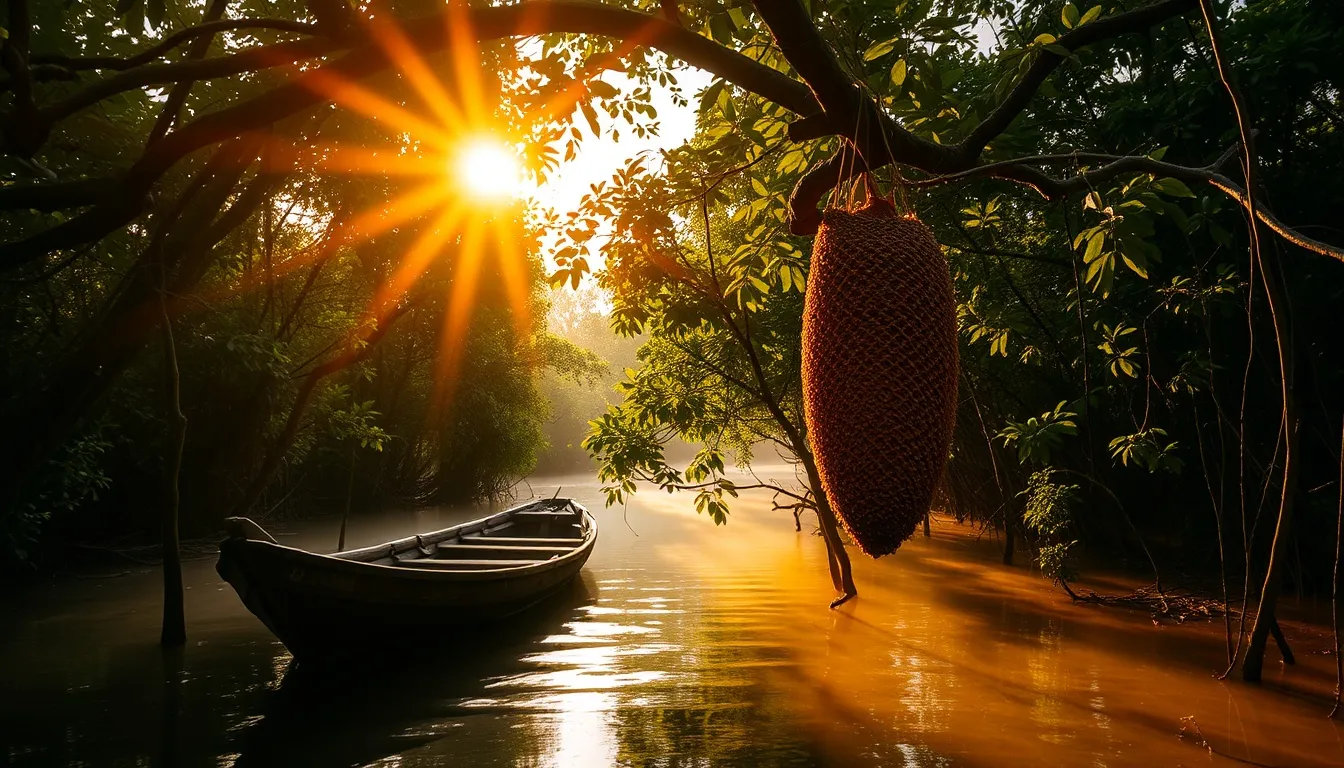
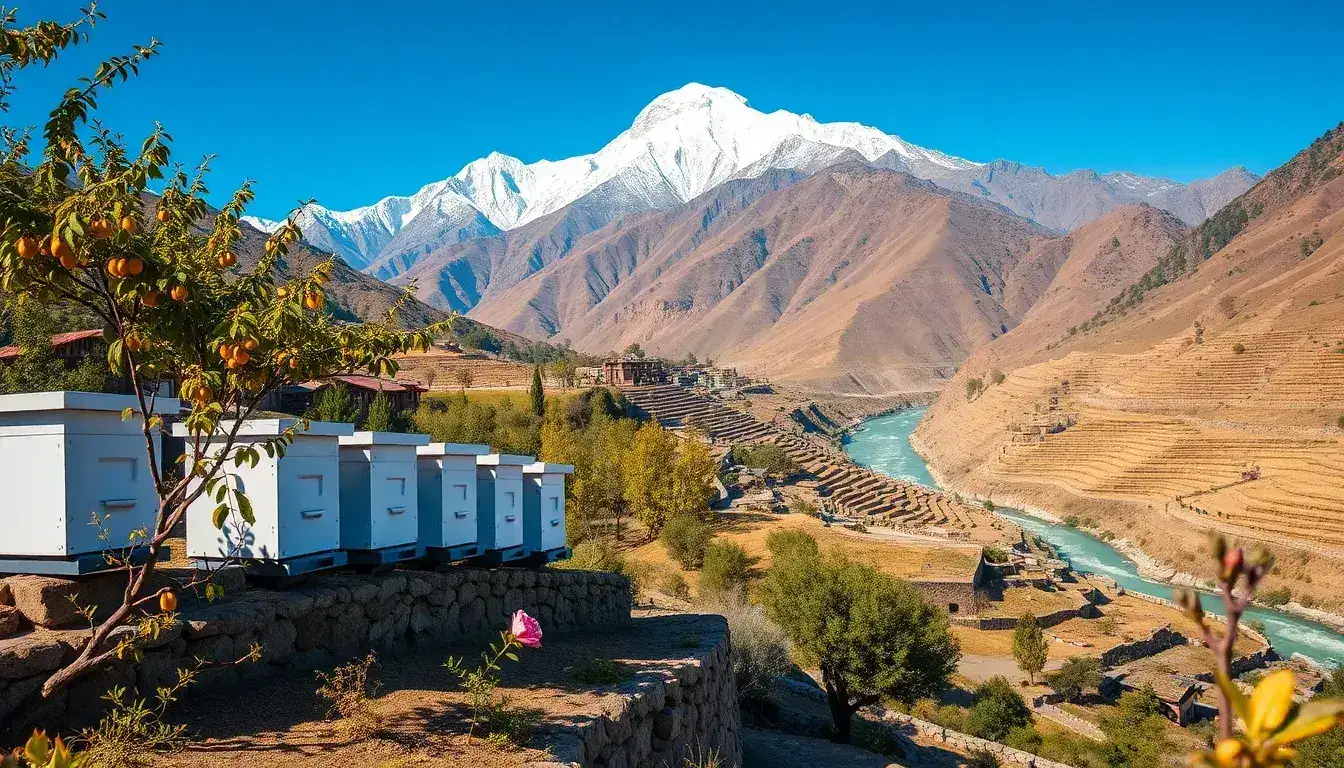
How should I use the sortable comparison table?
Tap any column header to sort — by peak bloom month (to plan a fresh-harvest purchase), by typical retail price (find the most affordable entry points), by authentication difficulty (start with Easy/Moderate if you're new to international honeys), or by flavor intensity (match to dishes). Use the region filter chips to narrow the list — "Western Europe" groups France, Germany, and the United Kingdom (France and Germany share the silver fir honeydew tradition — miel de sapin AOP and Schwarzwälder Tannenhonig PGI from the same Abies alba source on either side of the Rhine; the UK contributes Scottish heather honey with the same Calluna vulgaris thixotropic gel as Germany's Heideblüte), "Eastern Europe" groups Hungary, Romania, Poland, Czech Republic, Slovakia, Austria, Switzerland, and Slovenia — Hungary and Romania share the same 18th-century Robinia pseudoacacia introduction; Hungary's bloom cascades first (late April), Romania's follows 10–14 days later, southeast Poland's Podkarpacie region last — a 5–6 week cross-border acacia circuit; Poland also contributes its landmark lipiec linden honey (July = lipiec from lipa = linden tree in Polish — the only European calendar month named for a honey plant); Czech Republic is the cluster's crossroads — its Šumava/Krkonoše highlands produce smrková medovica (spruce honeydew chemically akin to German Tannenhonig) while south Moravian Robinia fields produce akátový med and its linden honey (lipový med, Tilia cordata) shares the same trans-anethole herbal-minty character as Polish lipiec; Slovakia extends both extremes — the High Tatras (Gerlachovský štít, 2,655m) produce Slovenská medovica more consistently than Czech highland strips, while the Danubian Lowland provides a reliable agátový med (acacia) zone comparable to northern Hungary; Austria adds Lärchenhonig (European larch honeydew, the rarest commercially available Alpine honeydew honey) and enforces the world's strictest legally-binding raw honey standard — ÖLMB HMF ≤15 mg/kg vs. the EU's 40 mg/kg; Slovenia completes the cluster with the world's most commercially significant bee export — Apis mellifera carnica (the Carniolan bee), present in over half of all globally managed colonies — combined with almost zero international honey brand recognition, Anton Janša (1734–1773) as Europe's first paid apiculture teacher, the unique AŽ horizontal hive used by 95% of Slovenian beekeepers, and Kraški med PDO from the ancient Karst limestone plateau, "Mediterranean" surfaces Greek, Italian, Spanish, Portuguese, and Albanian honeys side-by-side (Albania adds Apis mellifera macedonica — the Balkan bee subspecies preserved in genetic purity by 45 years of Communist isolation behind the Accursed Mountains — alongside Vjosa Wild River National Park aromatic wildflower honey and Albanian Riviera sage honey), "Middle East" groups Turkey, Yemen, Iran, Lebanon, and Jordan (Iran is the world's fifth-largest producer yet invisible in Western markets due to sanctions; Lebanon adds cedar of Lebanon honeydew honey from just four remaining ancient Cedrus libani forests — less than 3% of historical cedar extent — and wild za'atar thyme honey from the same Levantine mountain slopes traded by Phoenician merchants who gave the world its alphabet; Jordan adds Sidr honey from Ziziphus spina-christi — the lote tree of the Quran — harvested in an October–November autumn window from Ajloun's Mediterranean highland oak-pine forests, and wild zaatar honey from Origanum syriacum on the same Levantine plateau), "Southeast Asia" groups the five-country Meliponini/Apis dorsata cluster (Vietnam, Malaysia, Thailand, Indonesia, Philippines), "East Asia" groups Japan, South Korea, China, and Taiwan, "South Asia" groups India, Nepal (home of the world's only natural psychoactive honey), Sri Lanka (Ceylon cinnamon blossom honey — from Cinnamomum verum, the true cinnamon tree endemic to the island), and Bangladesh (Sundarbans mangrove honey — wild Apis dorsata harvest from the world's largest tidal mangrove forest, a UNESCO World Heritage Site in active Bengal tiger habitat, collected by licensed Mouali hunters; Nigella sativa / kalojeera honey from northern districts with religious premium from Islamic hadith endorsement), "Africa" groups Ethiopia, Morocco, Egypt, Kenya, Tanzania, Uganda, and Nigeria (Kenya pioneered the beehive fence — log hives on wire that deter crop-raiding elephants, a conservation technique deployed in 17 countries; Tanzania's Hadza people use calls to summon Greater Honeyguide birds to lead them to wild bee nests — one of the most documented inter-species foraging cooperations on Earth; Egypt has the world's oldest documented beekeeping culture at 2,450 BCE; Uganda is East Africa's coffee blossom honey frontier — Coffea arabica blossoms on Mt. Elgon last just 48–72 hours; Nigeria is Africa's most populous country with two honey types virtually unknown globally — shea blossom honey from Vitellaria paradoxa and Eki stingless bee honey from Meliponula bocandei; South Africa adds the Cape Floristic Region — a UNESCO World Heritage Site with 8,700+ plant species in 90,000 km² — where Leucospermum pincushion protea honey has documented non-peroxide antimicrobial activity in the same research category as manuka yet commands zero international premium; Niger adds the Sahel honey paradox: one of the world's driest inhabited regions is also a significant honey producer because Faidherbia albida (gawo, the 'backwards tree') leafs in the dry season and provides critical November–February nectar when all other vegetation is dormant — and Niger's FMNR reforestation has regenerated approximately 200 million trees across 5 million hectares, creating one of Africa's least-documented but most structurally significant honey landscapes), "North America" groups the United States, Canada, and Mexico — the US is the world's largest honey consumer and produces some of its most botanically distinctive single-source honeys: Florida panhandle tupelo honey (one of only a handful of honeys globally that never crystallizes, fructose/glucose ratio ≈1.53:1); Appalachian sourwood (described by the American Beekeeping Federation as the finest North American honey — spicy anise-vanilla from Oxydendrum arboreum); Hawaii's lehua honey (crystallizes to pure white paste within days from ʻōhiʻa lehua volcanic-slope trees); buckwheat (highest ORAC antioxidant values of any common US variety); Pacific Northwest fireweed (vanilla-buttery, also slow to crystallize); yet 70–80% of honey Americans consume is imported and often ultrafiltered (pollen removed to hide origin); Canada contributes BC fireweed (one of the highest F/G ratios in commercial production, stays liquid for years, spikes after forest fires); Mexico is home to Xunan Kab — the most historically documented pre-Columbian bee domestication, recorded in the Maya Madrid Codex, and "South America" covers Brazil and Argentina — Brazil is the world's Meliponini diversity capital with 300–400 stingless bee species and the Americas' first dedicated Meliponini honey standard (MAPA IN 11/2020); Argentina is the world's second-largest honey exporter yet 90–95% of its volume disappears into anonymous EU blends. Chile adds a third South American country: ulmo honey (Eucryphia cordifolia) from the Valdivian temperate rainforest — the same ancient Gondwanan genus as Tasmania's leatherwood — making Chilean honey the Southern Hemisphere's least-known bioactive variety; and quisco cactus honey (Echinopsis chiloensis) from the Elqui Valley. Colombia adds the fourth South American country: coffee blossom honey (miel de flor de café) from the Eje Cafetero and Huila/Nariño departments — the same cloud forests that produce the world's finest single-origin coffee — plus angelita stingless bee honey (Tetragonisca angustula) from pre-Columbian Zenú and Emberá meliponicultura traditions. Peru adds the fifth South American country: Andean puna wildflower honey at 3,800–4,200m altitude (among the Americas' highest commercial apiculture), Amazon Meliponini honey from 300+ stingless bee species with Awajún, Shipibo-Konibo, and Asháninka pre-Columbian meliponicultura, and cloud-forest coffee blossom honey from Chanchamayo and Cajamarca. Ecuador adds the sixth South American country: one of Earth's 17 megadiverse nations holding 4% of all species in 0.2% of the world's land area — chuquiragua páramo wildflower (Ecuador's national flower, blooms at 3,500–4,500m), Amazon Oriente Meliponini honey from Kichwa and Shuar meliponicultura traditions (100+ stingless bee species), and a certified-organic export sector. The Galápagos Islands produce virtually no commercial honey — introduced Apis mellifera are classified as invasive, and the native carpenter bee Xylocopa darwinii does not produce harvestable honey. Bolivia completes the cluster as the seventh South American country: the Altiplano plateau produces commercial honey at 3,800–4,200m — among the highest apiaries in the Western Hemisphere — in the same departments that supply 40–50% of the world's quinoa. Quinoa flower honey (miel de flor de quinua), Yungas cloud forest honey from the Caranavi specialty coffee belt, and Amazon Meliponini traditions (Beni Scaptotrigona lechiguana, Tetragonisca angustula angelita) from Moxeño, Sirionó, and Tsimane communities. Bolivia exports less than 500 MT/year — almost all production is consumed domestically, making it South America's best-kept honey secret. Georgia adds the 53rd country: the homeland of Apis mellifera caucasica (the Caucasian bee — longest tongue of any Apis mellifera subspecies at 6.6–7.2 mm, exported globally for red clover honey production for over a century), holder of honey burial vessels dated to 3,500–5,500 BCE (among the earliest in any human grave), and source of the rhododendron grayanotoxin honey that incapacitated Xenophon's entire army in 401 BCE — Georgian linden (lipovyi tapli), chestnut (tskatselis tapli, dark bitter-tannic), mountain wildflower (mravalto tapli, 1,200–2,200 m Caucasus alpine meadows), and acacia (itsnebiris tapli, pale, slow-crystallising) are the main varieties, with rare rhododendron honey consumed as a traditional highland tonic. Lebanon adds the 54th country: the Cedar of Lebanon (Cedrus libani) — the tree on the national flag — produces a honeydew honey from just four remaining ancient forests (Bsharri, Tannourine, Barouk, Shouf) covering less than 3% of historical cedar extent; wild za'atar (Origanum syriacum) mountain thyme honey grows on the same Levantine slopes traded by Phoenician merchants from Byblos, Tyre, and Sidon who gave the world its alphabet; Lebanon's mountain wildflower, carob blossom, and orange blossom varieties complete a remarkably diverse palette for a country smaller than Connecticut — yet the 2019 economic collapse and 2020 Beirut port explosion have reduced Lebanon's honey industry by an estimated 40–60%, making authentic labeled Lebanese cedar and za'atar honey among the rarest premium honeys to reach Western markets. Armenia adds the 55th country: Armenia gave the apricot its Latin species name — Prunus armeniaca (Armenian plum) — and the Ararat valley orchards (850–950m, visible from Yerevan 50 km from Mount Ararat) produce pale amber apricot blossom honey during a 10–14 day April window; the same limestone highland valleys of Vayots Dzor that hold the world's oldest confirmed winery (Areni-1 cave, ~6,100 BCE) produce mineral-herbal wildflower honey from 3,500+ endemic plant species including Thymus kotschyanus (Kotsch's thyme, a Caucasian endemic distinct from Greek or Turkish thyme species); Tavush linden, Syunik chestnut, and Lake Sevan basin alpine wildflower (collected at 1,900m+ elevation, July–August only) complete the portfolio — yet despite 18,000–22,000 registered beekeepers, no Armenian honey brand appears on Western shelves. Albania adds the 56th country: the Bjeshkët e Namuna ("Accursed Mountains") were sealed from the world for 45 years under Europe's most hermetically closed Communist regime (1946–1991) — and the native Apis mellifera macedonica (the Balkan honeybee subspecies, described by Friedrich Ruttner in 1988) that worked those alpine meadows never received the mass importation of Italian or Carniolan queen bees that diluted native subspecies genetics across Western Europe; the result is among the genetically purest A.m. macedonica populations remaining on the continent. In March 2023, Albania declared the Vjosa — Europe's last undammed large river, rising in the Greek Pindus and flowing 272 km to the Adriatic — the continent's first wild river national park; Permet and Gjirokastra district beekeepers collect aromatic sage-oregano-thyme wildflower honey from those undisturbed floodplain meadows. Albania also adds Albanian Riviera sage honey (balt sherebelë, pale golden, Himara/Borshi coastal zone), mountain chestnut (Elbasan/Berat 600–1,200 m), and alpine wildflower from the Accursed Mountains at 1,500–2,200 m. Iceland adds the 70th country: an EEA member (not EU) where commercial beekeeping is structurally impossible at scale — the season is barely 10–12 weeks, the population 380,000 — yet Iceland maintained one of the world's most significant Varroa-free bee populations for decades through island isolation, making it a reference case for global apiculture research. Its Arctic thyme (blóðberg, Thymus praecox) polyflora has a herbal-medicinal character unlike any Scandinavian equivalent; angelica (hvannur, Angelica archangelica) honey is among the world's rarest named varieties. Kazakhstan adds the 71st country: Central Asia's largest honey producer and one of the world's least-known premium sources, with Altai mountain polyflora from one of Earth's most botanically diverse high-altitude regions (1,000+ documented vascular plant species) and Malus sieversii wild apple forest above Almaty — the honey of the direct ancestor of all domestic apple trees. Jordan adds the 72nd country: five bioclimatic zones in a territory the size of Indiana, from Mediterranean Ajloun highland forests (Sidr honey, the lote tree of the Quran) to the Jordan Valley at -430m, the lowest commercial farmland on Earth. Uzbekistan adds the 73rd country: the Fergana Valley — enclosed by the Tian Shan and Pamir-Alay ranges, origin centre for apricot cultivation, source of rare cotton honey (paxta ari) from Gossypium fields, and home of Ibn Sina (Avicenna), whose Canon of Medicine is history's most influential honey pharmacopeia — combined with the isolated Nuratau Mountains (pistachio forests in a sea of Kyzylkum desert) and Chatkal mountain wildflower. Kyrgyzstan adds the 74th country: 94% mountainous terrain, the most topographically extreme honey-producing country in Central Asia — jailoo transhumance beekeeping at 2,500–3,000 metres in the Tian Shan system, Arslanbob walnut forest (one of the world's largest natural Juglans regia stands, growing in mosaic with wild apple and wild plum), Issyk-Kul alpine lake basin microclimate, Chui Valley sainfoin and phacelia, and a small but growing EU-certified organic alpine wildflower export sector. Bangladesh adds the 75th country: the Sundarbans — 6,017 km² of UNESCO World Heritage tidal mangrove forest, the world's largest mangrove ecosystem, home to Bengal tigers and licensed Mouali honey hunters who collect wild Apis dorsata (giant rock bee) honey under Bangladesh Forest Department permits during the February–April season; Nigella sativa kalojeera honey from the northern districts commands a religious premium from Islamic hadith endorsement; mustard blossom honey from the northwest is the commercial staple; Apis cerana deshi mou traditional log-hive keeping completes a South Asian honey palette unlike any other country in the cluster. Azerbaijan adds the 76th country: the native homeland of Apis mellifera caucasica — the Caucasian grey bee, with the longest tongue of any Apis mellifera subspecies (6.4–7.0 mm), exceptional gentleness, and high propolis production, exported globally during the Soviet period to beekeeping programmes on six continents; the Greater Caucasus foothills of the Sheki-Zagatala and Quba-Khachmaz districts produce sainfoin honey (şahdil balı, "heart of the king honey") and alpine wildflower honey from subalpine meadows at 1,500–2,200 m; the Talysh Mountains and Lankaran lowland shelter the Hyrcanian forest — a UNESCO World Heritage glacial refugium (inscribed 2019) containing Tertiary-period relict tree species (ironwood Parrotia persica, Caspian Hyrcanian linden Tilia begonifolia, Caucasian wingnut Pterocarya fraxinifolia) found nowhere else in the Caucasus, producing chestnut-linden wildflower honey of exceptional botanical distinctiveness; the Kura-Araks lowland provides cotton honey (pambiq balı) at scale; the Nakhchivan Autonomous Republic — a geopolitically isolated exclave surrounded by Armenia, Iran, and Turkey — maintains its own highland thyme and mountain wildflower tradition. Pakistan adds the 77th country: KPK (Khyber Pakhtunkhwa) Sidr honey from Ziziphus mauritiana — the same lote-tree genus as legendary Yemeni Sidr, with comparable pollen profile, moisture (16–18%), and caramel-floral flavour — yet commands 30–60% of Yemeni Sidr's price due entirely to branding and certification gaps; the Quranic lote tree (Sidrat al-Muntaha, Surah An-Najm 53:14) and Tibb al-Nabawi Prophetic medicine endorsement make Sidr honey a prestige gift at Eid and Ramadan and a Unani medical staple across South Asia and the Gulf; wild Apis dorsata cliff-face honey is harvested by KPK mountain honey hunters from seasonal colonies on Himalayan and Hindu Kush cliff overhangs; Hunza Valley polyfloral honey from Karakoram apricot-blossom and alpine meadows at 2,400–2,800 m is sold along the Karakoram Highway; ajwain (carom seed, Trachyspermum ammi) honey — pale amber, thymol-herbal, Unani digestive remedy — is a South Asian specialty found nowhere else in global honey markets; Punjab and Sindh produce cotton, acacia (phulai, Acacia modesta), and mustard blossom honey at agricultural scale. Afghanistan adds the 78th country: one of the few nations where two honeybee species run parallel traditional beekeeping systems — Apis cerana (Asian honeybee) in traditional Nuristani log hives at 2,500–4,000 m in the Hindu Kush, and Apis mellifera in modern Langstroth apiaries on the lowland plains; Nuristan province (forcibly converted from Kafiristan in 1895–96) produces dark amber mineral-resinous mountain wildflower honey from Astragalus, Berberis, Rhododendron afghanicum, and alpine Thymus linearis — among the rarest mountain honeys in the world given access difficulties and post-2021 export infrastructure collapse; Kunar and Nangarhar Sidr honey (Ziziphus mauritiana, Oct–Nov, Quranic lote-tree premium) reaches Pakistan via Torkham border trade at 40–70% below Yemeni Sidr prices; Kandahar pomegranate blossom honey (the world's finest pomegranate terroir) and coriander honey (Kunduz/Baghlan, June–July, anise-cumin-citrus) complete the portfolio; traditional Apis cerana log-hive beekeeping proved more resilient post-2021 than FAO/USAID-supported Langstroth apiaries that required imported Varroa treatments. Saudi Arabia adds the 79th country: Asir and Al-Baha highland Sidr from Ziziphus spina-christi (Oct–Dec, SAR 500–3,000+/kg, driven by Surah 16 An-Nahl 'The Bee' Quranic endorsement of honey as 'a healing for people'), Talh honey from Acacia gerrardii highland acacia (Mar–May, pale cream, buttery-crystallised, spicy-herbal, pricing rivalling Sidr), desert Samar honey (Acacia tortilis, Nejd plateau, mild-floral, commercial staple), and Osher honey (Calotropis procera, Tihama coastal plain, white, medicinal-floral) — Saudi Arabia imports 40–80× its domestic production (~500–700 MT/year), making it the world's most active premium honey import market; honey is the prestige gift in Gulf culture where alcohol gifting is prohibited, and authenticated Al-Baha highland honey is more expensive by weight than crude oil from the same economy. Algeria adds the 90th country: the Tassili n'Ajjer rock art (8,000–10,000 BCE, UNESCO World Heritage Site, eastern Sahara) shows prehistoric honey collection using smoke — among the world's oldest confirmed depictions of human honey culture, predating Egypt's documented beekeeping by over 5,000 years; today's Tell Atlas mountains produce Kabylie thyme honey from Apis mellifera intermissa (Africa's most defensive bee subspecies, Thymus ciliatus complex, May–Jul, pale amber, intense carvacrol-thyme flavor), Atlas cedar honeydew from Cedrus atlantica (Aurès/Bibans, 1,800–2,300m, dark amber, resinous-balsamic, extremely rare — intermittent production dependent on scale insect populations), Ziziphus lotus / Jujube honey (sedra, Oct–Dec, dark amber, fig-date character — the honey from the plant Homer called the 'lotus' in the Odyssey, Lotophagoi Book IX), Tell Atlas wildflower and Mitidja orange blossom (the commercial backbone), and western Algeria rosemary and euphorbia; Algeria produces ~50,000–60,000 tonnes/year (FAO) yet exports negligible volumes due to underdeveloped non-oil sector — a quality-without-market paradox that makes Kabylie thyme honey 30–50% cheaper than comparable Moroccan Atlas thyme honey in the rare cases it is compared. DR Congo adds the 91st country: the Congo Basin is 2.3 million km² of largely intact tropical rainforest — the world's second-largest, after the Amazon — with approximately 10,000 plant species providing one of Earth's most biodiverse honey-foraging environments; DRC produces ~22,000 tonnes of honey per year (FAOSTAT) yet exports essentially none; the Mbuti people of the Ituri Forest use a whistle-call technique to recruit Greater Honeyguide birds (Indicator indicator) to locate wild Apis mellifera adansonii colonies — one of Africa's oldest documented honeyguide-human cooperation traditions, recorded by anthropologist Colin Turnbull in The Forest People (1961); Kivu volcanic highland multifloral and Coffea arabica blossom honey (Apis mellifera monticola, 1,200–2,000m, on the slopes of Nyiragongo and Nyamulagira, the world's most continuously active volcanoes, within the Virunga National Park landscape) represents DRC's best-positioned variety for future certified export; Katanga Miombo woodland honey (Brachystegia-Julbernardia dominant, comparable to Tanzanian Tabora honey) and an estimated 20–30+ stingless bee species (Meliponula bocandei, Hypotrigona spp.) — among the highest Meliponini diversity in Central Africa — complete the portfolio. Jamaica adds the 96th country: Jamaica Blue Mountains coffee has a 70-year CIB protected designation ($40–100/lb retail) — the Caribbean's most recognized agricultural brand — and produces coffee blossom honey on the same 910–1,700m Coffea arabica farms during the February–April bloom window, yet no international brand exists in 2026; Jamaica also produces 60–70% of world allspice (Pimenta dioica), making St. Elizabeth and Manchester parishes the world's largest allspice-blossom honey zone — entirely unclaimed commercially; Blue Mountains-John Crow Mountains UNESCO World Heritage Site (inscribed 2015, 840+ endemic plant species) adds blue mahoe (Hibiscus elatus, national tree) and lignum vitae (Guaiacum officinale, national flower) honey from among the Caribbean's highest per-species botanical densities; logwood honey (Haematoxylum campechianum, pale amber, historically exported) is Jamaica's most-traded historical variety; Ital Rastafari natural-food philosophy treats raw honey as an ideal unprocessed vital food, aligned with the movement's Ethiopian spiritual center — itself one of the world's oldest honey-producing traditions. The 117-country dataset is the same one used in our country deep-dive guides linked from every row.
🌍

Ready to explore your world of honey?

Pick a country guide above to discover its signature varieties, authentication tips, and the science behind what makes each honey unique.

RHG

Edited by Sam French · Raw Honey Guide Editorial Team

Reviewed by certified beekeepers and apiculture specialists. Our editorial team consults with professional beekeepers, food scientists, and registered dietitians to ensure accuracy. Health claims are cited against peer-reviewed literature from Cochrane, JAFC, BMJ, and Nutrients.

Expert ReviewedFact CheckedEditorial Policy ↗