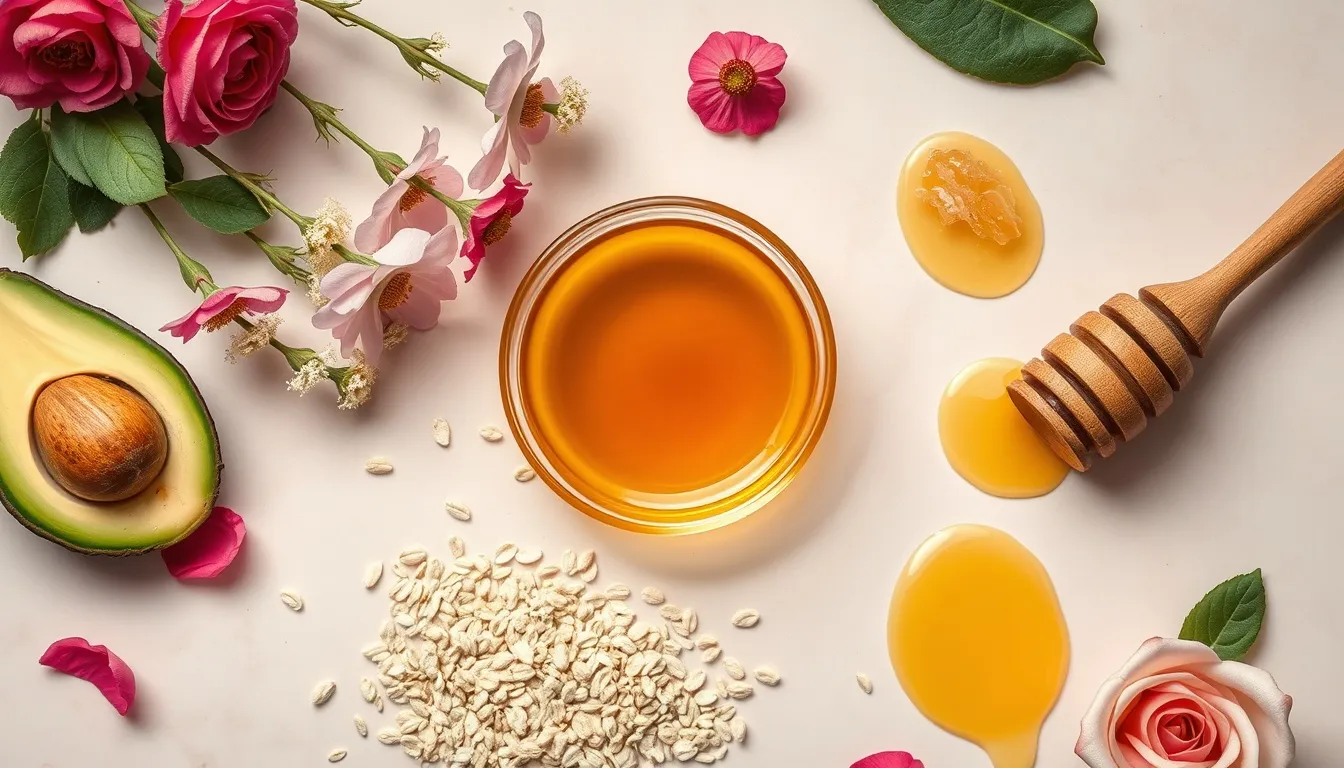
Best Honey for Acne

Which honey varieties fight acne most effectively? Antibacterial strength, anti-inflammatory properties, and practical treatment protocols backed by dermatology research.

Best Honey for Acne — honey varieties and usage

Quick Answer

Manuka honey (UMF 10-15+) is the most effective honey for acne — its MGO provides clinically validated antibacterial activity against C. acnes bacteria, comparable to 10% benzoyl peroxide in a 2016 RCT. Thyme honey offers an alternative pathway via biofilm-disrupting thymol and carvacrol compounds. Buckwheat reduces post-acne scarring and hyperpigmentation through its high antioxidant content (3-9x more than light honeys). Heather honey soothes persistent inflammation. Raw wildflower honey is the everyday budget option with broad-spectrum H2O2 antibacterial activity via glucose oxidase. Use any as a 15-20 minute face mask 2-3 times per week alongside your regular acne treatment.

What to Look For

Prioritize antibacterial potency—acne is driven by C. acnes bacterial overgrowth and inflammation. Manuka honey has the strongest evidence (methylglyoxal provides non-peroxide antibacterial activity). Thyme honey has thymol and carvacrol with biofilm-disrupting properties. Raw honey retains hydrogen peroxide-generating glucose oxidase enzyme. Avoid pasteurized, commercial honey—the processing destroys antibacterial enzymes.

Top Recommendations

#1

Manuka Honey (UMF 10-15+)

The strongest clinical evidence for acne. MGO provides antibacterial activity specifically against C. acnes (2014 IJD study). Disrupts bacterial biofilms that protect acne bacteria from treatment (2014 FEMS study). Anti-inflammatory polyphenols reduce redness and swelling around breakouts via NF-κB pathway.

$25-$60 per jar

UMF 10-15+ is the sweet spot for acne—clinically effective without the high cost of UMF 20+. New Zealand certified only. One jar lasts months when used for face masks.

#2

Thyme Honey

Thymol and carvacrol provide a different antibacterial pathway than manuka, making it a strong alternative. A 2015 J Wound Care study showed MRSA inhibition, and the biofilm-disrupting properties are especially relevant for persistent, treatment-resistant acne.

$12-$30 per jar

Greek thyme honey (look for PDO certification from Crete or Greek islands) has the highest thymol content. A more affordable manuka alternative for acne treatment.

#3

Buckwheat Honey

While not as antibacterial as manuka, buckwheat offers the highest antioxidant content (3-9x more than light honeys). This makes it especially effective for the inflammatory component of acne—reducing redness, post-inflammatory hyperpigmentation, and supporting scar healing.

$10-$22 per jar

US Northeast buckwheat is widely available. The dark color and strong flavor do not affect topical efficacy.

#4

Heather Honey

Exceptional antioxidant and anti-inflammatory properties (top tier among European honeys in clinical testing — ORAC 18,000–22,000 µmol TE/100g). Its unique thixotropic gel texture adheres well to skin as a mask. Contains high protein content for immune-modulating glycoproteins that support skin healing.

$14-$35 per jar

Scottish or Scandinavian ling heather honey is the most potent. Its gel-like texture makes it particularly easy to apply as a face mask.

#5

Raw Wildflower Honey

The most accessible everyday acne honey. Broad-spectrum H2O2 antibacterial activity from multi-floral glucose oxidase targets multiple skin-surface pathogens. A wide spectrum of polyphenols from diverse floral sources provides anti-inflammatory support. Best budget-friendly starting point for acne care — gentler than manuka for sensitive or reactive skin that does not tolerate stronger varieties.

$8-$16 per jar

Look for unfiltered, unpasteurized raw wildflower honey — the label must say "raw" to retain the enzyme and polyphenol profile needed for skin benefits. Pasteurized wildflower honey has limited antibacterial activity.

How to Use

Cleanse face thoroughly. Apply a thin, even layer of raw honey to acne-affected areas on damp skin. Leave on for 15-20 minutes. Rinse with lukewarm water and pat dry. Use 2-3 times per week. For spot treatment: dab a pea-sized amount of manuka honey directly on individual pimples before bed, cover with a small bandage. For cystic acne: mix 1 tablespoon manuka honey with 1/4 teaspoon turmeric powder for enhanced anti-inflammatory effect. For post-acne scars: apply buckwheat honey 3-4 times weekly for 4-8 weeks. Always use honey as a complement to your dermatologist-recommended treatment, not a replacement.

What to Avoid

Do not rely on honey as a standalone acne treatment for moderate-to-severe acne—it works best as a complement to proven treatments like benzoyl peroxide, retinoids, or prescription antibiotics. Avoid leaving honey masks on for more than 30 minutes (diminishing returns and stickiness). Do not mix honey with lemon juice for acne—lemon is too acidic for facial skin and can cause chemical burns. Skip honey if you have a bee product allergy. Do not apply honey to skin that has recently had chemical peels, microneedling, or laser treatments.

Frequently Asked Questions

Can manuka honey cure acne?
No, honey cannot "cure" acne. Acne is a complex condition involving hormones, bacteria, sebum, and genetics. However, manuka honey can be an effective complementary treatment. Clinical research shows it inhibits C. acnes bacteria, disrupts biofilms, and reduces inflammatory markers. Many people see improvement using honey masks alongside their regular treatment. For moderate-to-severe acne, see a dermatologist for a comprehensive treatment plan.
How long does it take for honey to help acne?
Most people notice some reduction in redness and inflammation within 1-2 weeks of consistent use (2-3 masks per week). Visible improvement in breakout frequency typically takes 4-6 weeks. Scar fading may take 2-3 months. These timelines are slower than prescription treatments—honey is a gentle, complementary approach, not a rapid fix. If you see no improvement after 6 weeks, consult a dermatologist.
Should I use raw honey or manuka honey for acne?
Manuka honey is more effective for acne due to its additional MGO antibacterial activity, which survives on skin even after the hydrogen peroxide pathway diminishes. Regular raw honey still has antibacterial properties via glucose oxidase, but it is less potent against acne-specific bacteria. If budget allows, use manuka (UMF 10-15+) for face masks. If not, raw buckwheat or thyme honey are good alternatives.
Is honey good for hormonal acne?
Honey can help manage the inflammatory component of hormonal acne — the redness, swelling, and post-breakout hyperpigmentation — but it does not address the underlying hormonal cause. Hormonal acne is driven by androgens increasing sebum production and triggering C. acnes proliferation. Manuka and buckwheat honey reduce the severity of individual breakouts through antibacterial and anti-inflammatory activity. For hormonal acne, pairing honey masks with hormonal treatments (oral contraceptives, spironolactone, or dietary changes to reduce IGF-1 levels) typically yields significantly better results. Use manuka UMF 10-15+ 2-3 times weekly alongside your dermatologist's treatment plan.
Can honey fade post-acne scars and dark marks?
Yes — buckwheat honey is the best choice for post-acne hyperpigmentation. It contains the highest antioxidant content of any common honey (3-9x higher than light honeys), including caffeic acid and chlorogenic acid that inhibit melanin production. Heather honey's exceptional ORAC value (18,000–22,000 µmol TE/100g) provides strong antioxidant protection for scar tissue recovery. Honey's gluconic acid provides gentle chemical exfoliation similar to low-strength AHAs, accelerating the removal of pigmented surface cells. With consistent application 3-4 times weekly, visible lightening of recent post-acne marks typically takes 4-8 weeks; deeper or older marks may take 8-12 weeks.
What concentration of manuka honey is best for acne?
UMF 10+ (MGO 263+) is the minimum clinically effective concentration — a 2016 Biomed Research International RCT used UMF 10 and found results comparable to 10% benzoyl peroxide for acne lesion reduction. UMF 15+ (MGO 514+) is recommended for persistent or moderate acne, providing a stronger antibacterial effect with broader biofilm disruption. UMF 20+ (MGO 829+) is the dermatologist-grade wound-care standard — more potent than needed for regular face masks but useful for overnight spot treatment on stubborn cysts. Anything below UMF 10 lacks the MGO concentration to reliably inhibit C. acnes on skin surface.