Best Honey for Dark Spots & Hyperpigmentation

Which honey varieties help fade dark spots and even skin tone? Evidence-based guide to natural skin brightening with honey, mechanisms of action, and DIY treatments.
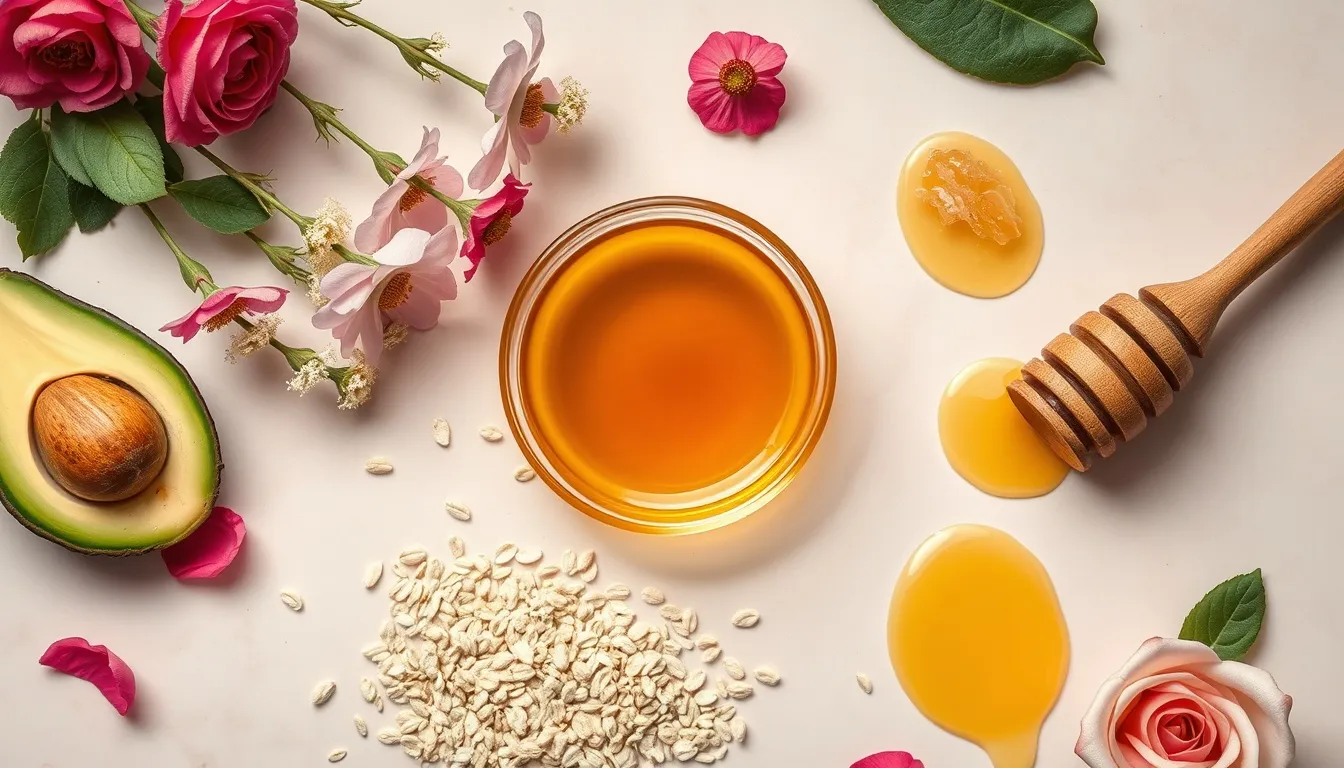
Best Honey for Dark Spots & Hyperpigmentation — honey varieties and usage

Quick Answer

Manuka honey is the most effective honey for dark spots due to its methylglyoxal content that promotes controlled cell turnover and its gluconic acid that provides gentle chemical exfoliation — removing the hyperpigmented surface cells to reveal brighter skin beneath. Buckwheat honey offers the strongest antioxidant protection against UV-induced melanin overproduction that causes dark spots in the first place.

What to Look For

Honey addresses dark spots through: (1) Gentle chemical exfoliation via gluconic acid and naturally occurring AHAs that accelerate removal of hyperpigmented cells, (2) Antioxidant protection against UV-driven melanin overproduction (the root cause of sun spots and melasma), (3) Anti-inflammatory reduction of post-inflammatory hyperpigmentation (PIH) from acne, injuries, or skin conditions, and (4) Moisturizing support that helps damaged skin heal evenly. Raw, unprocessed honey retains the full enzyme profile needed for these effects.

Top Recommendations

#1

Manuka Honey (UMF 10+)

Contains methylglyoxal that promotes healthy cell turnover, gluconic acid for gentle exfoliation, and anti-inflammatory compounds that reduce post-inflammatory hyperpigmentation. Its wound-healing properties help skin regenerate evenly without dark scarring.

$30-$65 per jar

UMF 10+ is ideal for skincare. Apply a thin layer as a face mask for 20-30 minutes, 2-3 times per week.

#2

Buckwheat Honey

Contains 3-9x more antioxidants than light honeys, providing the strongest protection against UV-induced melanin overproduction. Its quercetin content has been studied for tyrosinase inhibition — the enzyme that produces melanin. High gallic acid content provides additional skin-lightening effects.

$10-$22 per jar

Mix with lemon juice and yogurt for a potent dark spot treatment. The dark color washes off completely — do not worry about staining.

#3

Acacia Honey

The gentlest honey for sensitive skin prone to irritation-triggered hyperpigmentation. Its low pH (3.5-4.0) matches skin acidity, reducing irritation risk. Provides effective moisturization that supports even skin healing without the intensity of dark honeys that might irritate reactive skin.

$10-$24 per jar

Best for people with sensitive or rosacea-prone skin who find darker honeys too stimulating. Apply alone as a gentle overnight spot treatment.

#4

Wildflower Honey

Multi-floral polyphenol diversity provides a broad spectrum of skin-protective antioxidants. Affordable enough for regular face mask use (2-3x weekly consistency is key for results). Contains naturally occurring hydrogen peroxide that provides mild skin-clarifying effects.

$8-$18 per jar

Best value for regular face mask use. Raw, local wildflower honey from farmers markets has the most active enzymes.

#5

Linden Honey

Contains tiliroside (a kaempferol-3-O-glucorhamnoside) that demonstrates tyrosinase-inhibitory activity in research — targeting the same enzyme as commercial brightening ingredients like kojic acid and arbutin. Hesperidin adds UV-protective antioxidant activity against the melanin-triggering oxidative stress from sun exposure. Its gentle, extremely low-phenolic character makes linden honey the best option for sensitive or rosacea-prone skin that is prone to post-inflammatory hyperpigmentation (PIH) but may react to stronger honeys like buckwheat or manuka.

$12-$28 per jar

Romanian or Hungarian linden honey is the most commonly available. Pale golden color, mild floral scent. Good for overnight targeted spot treatments on reactive skin that cannot tolerate darker honeys.

How to Use

Targeted spot treatment: dab a small amount of manuka honey directly on dark spots before bed, cover with a small bandage, leave overnight. Face mask: apply a thin layer of raw honey to clean skin for 20-30 minutes, 2-3 times per week. Honey-lemon mask: 1 tablespoon honey + 1 teaspoon fresh lemon juice (vitamin C + honey AHAs for enhanced brightening), leave 15 minutes — patch test first as lemon can irritate. Honey-turmeric mask: 1 tablespoon honey + 1/2 teaspoon turmeric for anti-inflammatory brightening. Allow 4-8 weeks of consistent use to see visible improvement — dark spot fading is gradual.

What to Avoid

Do not expect honey to work as fast as prescription treatments (hydroquinone, tretinoin) or professional procedures (chemical peels, laser). Honey provides gentle, gradual improvement. Avoid applying honey to open wounds or broken skin on the face without clean hands and clean honey. Do not use honey face masks if you are allergic to bee products, pollen, or propolis. Avoid lemon juice combinations if you have sensitive or broken skin. Always wear SPF 30+ sunscreen during the day — without sun protection, no dark spot treatment will be effective.

Frequently Asked Questions

Can honey fade dark spots?
Honey can gradually fade dark spots through three mechanisms: (1) Gluconic acid (a natural AHA present in all raw honey, highest in manuka) gently exfoliates the hyperpigmented surface cells, accelerating their removal. (2) Quercetin (highest in buckwheat) inhibits tyrosinase — the enzyme that produces melanin — at the same target as commercial brightening actives like kojic acid. (3) Anti-inflammatory polyphenols reduce post-inflammatory hyperpigmentation (PIH) by calming the inflammation that triggers melanin overproduction after acne or skin injury. Consistent use (2-3 times weekly for 4-8 weeks) is needed for visible results.
How long does it take for honey to lighten dark spots?
With consistent 2-3x weekly application, most people notice gradual improvement in 4-8 weeks. New post-acne marks respond faster (3-6 weeks) than older sun spots (8-12+ weeks). Honey is slower than prescription treatments (hydroquinone, tretinoin, azelaic acid) but gentler and suitable for skin types that don't tolerate those actives. Daily SPF 30+ sunscreen is non-negotiable — without it, UV exposure re-darkens spots faster than any treatment (honey or prescription) can fade them.
Which is better for dark spots: manuka or regular honey?
Manuka honey is more effective for targeted spot treatment due to its methylglyoxal (promotes cell turnover), higher gluconic acid content (more potent AHA exfoliation), and stronger anti-inflammatory effects (reduces PIH). However, regular raw honey provides meaningful brightening benefits at a much lower cost. A practical protocol: manuka (UMF 10+) for overnight targeted spot treatment (small amounts), buckwheat or wildflower for full-face brightening masks (larger amounts needed), acacia or linden for sensitive skin that reacts to darker honeys.
Can honey help with acne scars and post-inflammatory hyperpigmentation?
Yes — post-inflammatory hyperpigmentation (PIH) is where honey works best. PIH occurs when skin inflammation from acne, insect bites, or injuries triggers excess melanin production. Honey addresses PIH through two routes: (1) Preventing the inflammation that causes PIH — manuka's MGO and buckwheat's quercetin inhibit NF-κB and reduce the inflammatory signal before it triggers melanogenesis. (2) Fading existing PIH — gluconic acid exfoliates pigmented cells; tyrosinase inhibition (buckwheat quercetin, linden tiliroside) slows new melanin production. Timeline: 4-8 weeks for recent PIH; 8-16 weeks for older marks. Always patch-test first.
Is honey effective for melasma?
Honey can provide modest complementary support for melasma but is not a first-line treatment. Melasma is driven by hormonal triggers (estrogen, progesterone) that stimulate melanocytes beyond what tyrosinase inhibitors can manage at topical concentrations. Honey's tyrosinase inhibition (buckwheat quercetin, linden tiliroside) and exfoliation (gluconic acid) can help maintain results between dermatological treatments but will not replace topical hydroquinone, azelaic acid, or tretinoin for active melasma. Essential: SPF 50+ every day (melasma is exquisitely UV-sensitive). Honey is most useful as a gentle adjunct treatment to reduce inflammation and support skin barrier health alongside medical management.
What is the best honey for dark spots on deeper skin tones?
People with Fitzpatrick skin types IV-VI are more prone to post-inflammatory hyperpigmentation (PIH) — any inflammation (acne, minor irritation) can leave persistent dark marks. The safest honey options for darker skin tones: (1) Acacia honey — gentlest, lowest irritation risk, no risk of paradoxical darkening from over-exfoliation. (2) Linden honey — tiliroside tyrosinase inhibition without the intense phenolic content that can irritate reactive skin. (3) Manuka UMF 5-10 — sufficient anti-inflammatory PIH prevention without the astringency of higher grades. Avoid: lemon juice combinations (phototoxic risk is higher in melanin-rich skin, can worsen PIH). Always apply SPF 30-50+ after any honey treatment — darker skin still needs sun protection for effective brightening.