Best Honey for Dry Skin & Moisturizing

Which honey varieties work best for dry, flaky, or dehydrated skin? Evidence-based guide to the best honeys for natural moisturizing and skin barrier repair.
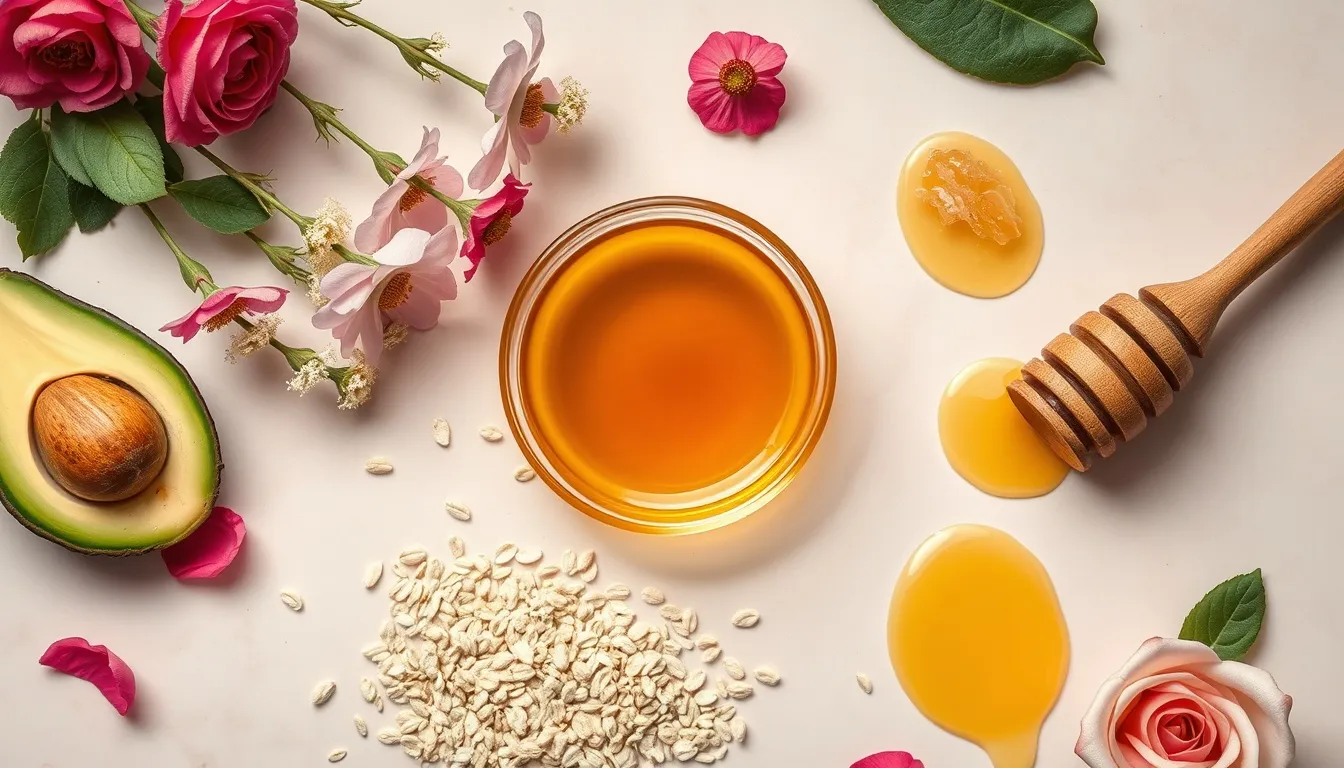
Best Honey for Dry Skin & Moisturizing — honey varieties and usage

Quick Answer

Raw manuka honey is the best choice for dry skin because it combines powerful humectant properties (drawing moisture from the air into your skin) with wound-healing compounds that repair the damaged skin barrier causing dryness. For sensitive dry skin, acacia honey provides gentle hydration without irritation. All raw honey contains natural sugars that act as osmotic moisturizers.

What to Look For

All raw honey is a natural humectant — it draws moisture from the air and locks it into your skin. The key differences between varieties for dry skin are: antibacterial strength (important if dry skin is cracked or prone to infection), anti-inflammatory potency (for irritated dry skin), and gentleness (for sensitive skin types). Raw, unprocessed honey retains the full enzyme and sugar profile that makes honey an effective moisturizer. Avoid pasteurized honey — heat processing reduces the osmotic moisturizing properties.

Top Recommendations

#1

Manuka Honey (UMF 5-10+)

The gold standard for dry skin. Methylglyoxal (MGO) provides antibacterial protection for cracked dry skin, while its humectant sugar profile draws moisture deep into the epidermis. Anti-inflammatory properties soothe the redness and irritation that often accompanies severe dryness.

$20-$40 per jar

UMF 5-10+ is sufficient for skincare — no need for expensive high-UMF grades. Look for raw, creamy manuka.

#2

Acacia Honey

The gentlest honey for sensitive dry skin. Its high fructose content makes it one of the most effective natural humectants. Low pollen content minimizes allergy risk. Light texture absorbs easily without feeling heavy or sticky on delicate facial skin.

$12-$28 per jar

Hungarian acacia honey has the lightest texture, making it ideal for facial masks on dry, sensitive skin.

#3

Wildflower Honey

An excellent everyday option for dry skin maintenance. Multi-floral polyphenol diversity provides broad-spectrum antioxidant protection. Good balance of glucose and fructose for effective humectant action. Widely available and affordable for regular use.

$8-$18 per jar

Choose raw, local wildflower honey for the broadest polyphenol profile. Creamed texture works well for masks.

#4

Orange Blossom Honey

Natural citrus compounds provide gentle exfoliation alongside moisturizing, helping remove dry, flaky skin while hydrating underneath. Pleasant aroma makes skincare routines enjoyable. Moderate antioxidant content supports skin repair.

$10-$24 per jar

Look for raw orange blossom from Florida or California for authentic citrus properties.

#5

Heather Honey

Thixotropic (gel-like) texture becomes fluid when applied but re-sets on the skin — it stays on the face without dripping, ideal for overnight masks. ORAC 18,000–22,000 µmol TE/100g (highest European honey) provides the strongest free-radical protection against oxidative damage to dry, stressed skin. Clinical evidence: a 2003 Complementary Therapies in Medicine study showed a honey-beeswax-olive oil blend reduced eczema severity by ~80%, making heather particularly valuable for the inflamed, itchy dry skin of eczema and atopic dermatitis.

$15-$35 per jar

Scottish or Portuguese heather honey is most potent. Its distinctive floral, slightly bitter, gel-like texture is unmistakable. Apply as a 15-20 minute face mask — the thixotropic texture means it will not run off your face the way other honeys do.

How to Use

For a hydrating face mask: apply a thin layer of raw honey to clean, damp skin (dampness helps the honey spread and activates its humectant properties). Leave for 15-20 minutes, then rinse with lukewarm water. For body moisturizing: mix 2 tablespoons honey with 1 tablespoon coconut oil or olive oil and apply to dry areas (elbows, knees, heels) for 20 minutes. For a honey bath: dissolve 1/4 cup honey in warm bathwater and soak for 15-20 minutes. For cracked lips: apply a tiny amount of raw honey as an overnight lip treatment.

What to Avoid

Do not use pasteurized or ultra-filtered honey for skincare — processing destroys the enzymes and reduces the osmotic moisturizing properties. Avoid applying honey to skin with a known bee or pollen allergy (patch-test first). Do not use very hot water when rinsing off honey masks — hot water strips natural oils and worsens dryness. Avoid leaving honey on skin in dusty or outdoor environments (the sugar can attract insects). Do not expect honey to replace medical treatment for conditions like ichthyosis or severe eczema.

Frequently Asked Questions

Why is honey good for dry skin?
Honey is a natural humectant — its high sugar content (primarily fructose and glucose) draws moisture from the air and locks it into the skin. Raw honey also contains glucose oxidase (produces small amounts of H₂O₂ for gentle antibacterial protection), amino acids, vitamins B and C, and trace minerals that nourish skin cells. This combination of moisturizing, protecting, and nourishing makes honey one of the most effective natural dry skin remedies, with the added advantage of being hypoallergenic for most skin types.
How does honey moisturize skin?
Honey moisturizes through humectancy — its high fructose and glucose content creates an osmotic gradient that draws water molecules from surrounding air and deeper skin layers to the surface. Unlike occlusives (oils, shea butter) that seal existing moisture in, honey actively attracts new moisture. For maximum effect, apply honey to slightly damp skin (dampness activates the humectant mechanism) and layer a light occlusive moisturizer on top within 2 minutes to lock in the attracted moisture. This "humectant + occlusive" layering technique produces superior results to honey alone.
How often should I use honey on dry skin?
For facial masks: 2-3 times per week for severely dry skin, once weekly for maintenance. For body applications (elbows, knees, heels): 1-2 times per week. For honey baths: once per week. Consistency over 4-6 weeks produces the best results for skin barrier repair and long-term hydration. Raw honey as a daily cleanser (massage ½ teaspoon on damp skin, let sit 1 minute, rinse) is safe for daily use on dry skin types and maintains natural oil balance better than soap-based cleansers.
Can honey help with eczema and dry skin conditions?
Heather and manuka honey have the strongest evidence for eczema (atopic dermatitis) and chronic dry skin conditions. A 2003 Complementary Therapies in Medicine RCT by Al-Waili showed a honey-beeswax-olive oil blend — including heather honey — reduced eczema severity scores by approximately 80% and itching by 70%. Manuka honey's anti-inflammatory MGO compounds reduce the NF-κB-driven inflammation at the root of eczema flares, and its wound-healing properties repair the compromised skin barrier. Heather's thixotropic (gel) texture stays on inflamed skin without running. For open, weeping eczema, use only medical-grade sterile honey and consult a dermatologist.
Is honey a good substitute for moisturizer?
Honey is an excellent humectant but should be used as a complement to moisturizer, not a complete replacement. Here's why: honey draws moisture to the skin surface but does not seal it in — in low-humidity environments (heated indoor air in winter, air-conditioned spaces), honey can actually draw moisture out of your skin if there's more humidity in the skin than in the air. To use honey as a moisturizer substitute, apply to damp skin and immediately layer a facial oil or moisturizer on top to trap the attracted moisture. This "sandwich" approach makes honey more effective than most commercial humectants at a fraction of the cost.
Can I mix honey with other ingredients for dry skin?
Yes — honey pairs beautifully with natural moisturizers. Best combinations for dry skin: honey + coconut oil (deep moisturizing for very dry or eczematous skin), honey + avocado (vitamins A and E for skin barrier lipids), honey + oatmeal (beta-glucan soothes and repairs irritated dry skin), honey + olive oil (squalene + vitamin E emollient repair), honey + aloe vera (cooling hydration for sunburned dry skin). Avoid mixing with lemon juice if your dry skin is cracked or irritated — the acidity stings on broken skin and can worsen sensitivity. Never mix with products containing strong acids (glycolic, salicylic) without patch-testing.