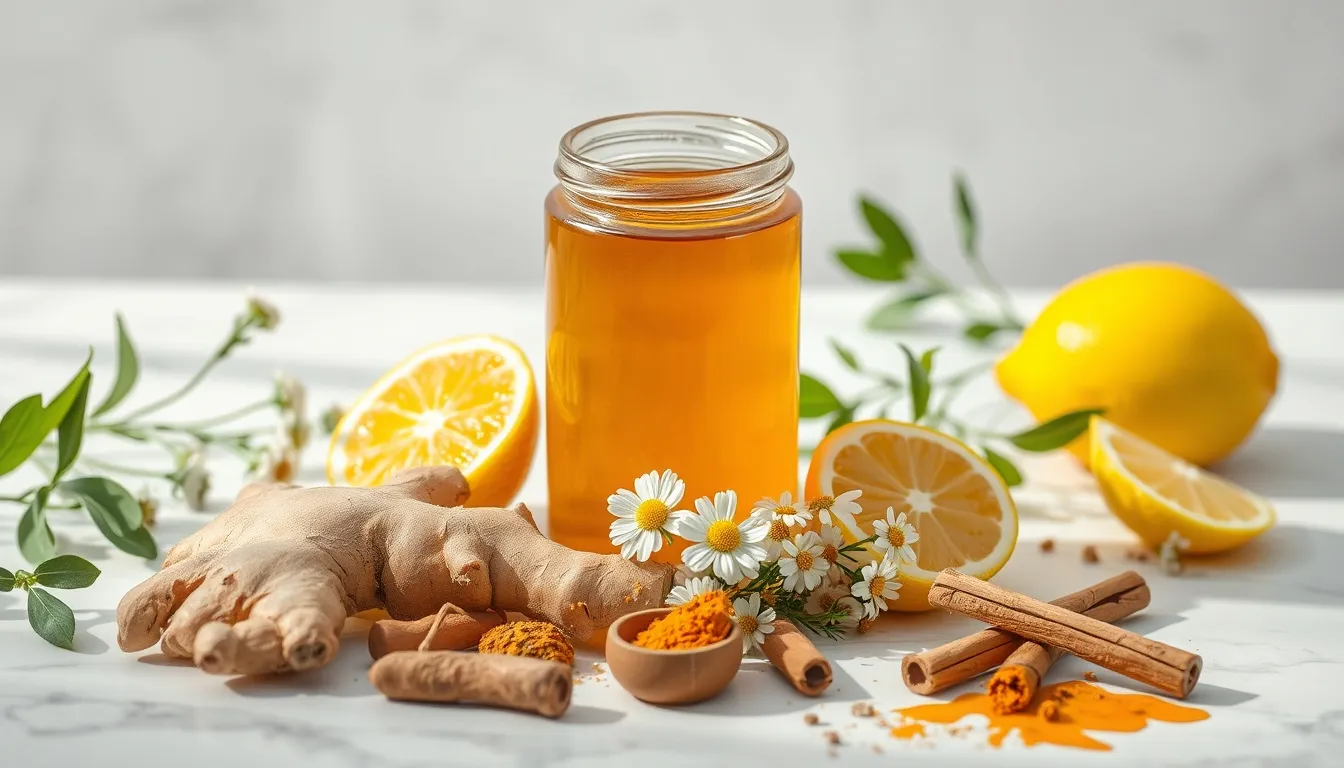
Best Honey for Joint Pain & Arthritis

Which honey varieties help with joint pain and arthritis? Evidence-based guide to anti-inflammatory honeys, mechanisms of action, and practical protocols.

Best Honey for Joint Pain & Arthritis — honey varieties and usage

Quick Answer

Manuka honey is the strongest choice for joint pain due to its potent NF-κB pathway inhibition, which directly reduces the inflammatory cascade driving both osteoarthritis and rheumatoid arthritis. Buckwheat honey provides the highest antioxidant protection against joint-damaging free radicals, while thyme honey contains compounds that inhibit COX-2 — the same enzyme targeted by ibuprofen and celecoxib.

What to Look For

Joint pain involves two key inflammatory processes: the NF-κB cascade (master switch for inflammatory cytokines) and COX-2 enzyme activity (produces prostaglandins that cause pain and swelling). Honey addresses both: its polyphenols (chrysin, pinocembrin, quercetin) suppress NF-κB, while specific floral compounds inhibit COX-2. Dark honeys have 3-9x more anti-inflammatory polyphenols. Choose raw honey for maximum enzyme and polyphenol retention.

Top Recommendations

#1

Manuka Honey (UMF 10+)

The strongest anti-inflammatory honey with clinically demonstrated NF-κB pathway suppression. Contains methylglyoxal plus unique leptosperin and DHA compounds that reduce inflammatory cytokines (TNF-α, IL-6, IL-1β) — the same cytokines elevated in osteoarthritis and rheumatoid arthritis synovial fluid.

$30-$65 per jar

UMF 10+ provides therapeutic-level anti-inflammatory activity. Take 1 tablespoon twice daily — morning and evening.

#2

Buckwheat Honey

Contains the highest levels of quercetin and rutin among honeys. Quercetin is a potent NF-κB inhibitor studied specifically for arthritis — a 2016 study in Pharmacognosy Reviews documented its anti-arthritic mechanisms. Rutin strengthens blood vessels around joints, reducing inflammatory edema.

$10-$22 per jar

More affordable than manuka for daily anti-inflammatory use. One tablespoon in golden milk (turmeric + black pepper) creates powerful anti-inflammatory synergy.

#3

Thyme Honey

Contains thymol and rosmarinic acid, which inhibit COX-2 enzyme activity — the same pathway targeted by prescription anti-inflammatories like celecoxib. Also contains carvacrol with demonstrated anti-inflammatory effects. Provides a complementary mechanism to the NF-κB inhibition of other honeys.

$12-$30 per jar

Greek thyme honey from Crete has the highest thymol concentration. Combine with manuka for dual-pathway anti-inflammatory coverage.

#4

Heather Honey

Exceptionally rich in phenolic acids with strong anti-inflammatory and antioxidant properties. Contains unique compounds that reduce oxidative stress in joint cartilage. Traditional European remedy for joint stiffness and rheumatic conditions.

$15-$35 per jar

Scottish heather honey has the strongest polyphenol profile. Take 1 tablespoon with anti-inflammatory teas like ginger or turmeric.

How to Use

Daily protocol: 1-2 tablespoons of dark honey per day, split between morning and evening doses. Golden milk: 1 tablespoon honey + turmeric (curcumin) + black pepper (piperine increases curcumin absorption 2000%) + warm milk — targets NF-κB, COX-2, and oxidative pathways simultaneously. Honey-ginger tea: 1 tablespoon honey + fresh ginger for dual anti-inflammatory action. Topical: warm manuka honey compress on inflamed joints may provide localized anti-inflammatory relief. Allow 4-8 weeks of consistent daily use for cumulative anti-inflammatory benefits.

What to Avoid

Do not replace prescribed arthritis medications (DMARDs, biologics, NSAIDs) with honey. Honey provides modest complementary anti-inflammatory support, not pharmaceutical-level joint disease modification. Avoid excessive honey consumption hoping for stronger effects — excess calories can contribute to weight gain, which worsens joint stress. Do not apply honey to open wounds near joints without medical guidance. Honey cannot reverse structural joint damage (cartilage loss, bone spurs).

Frequently Asked Questions

Can honey help with arthritis pain?
Honey contains polyphenols (chrysin, pinocembrin, quercetin, rutin) that inhibit NF-κB and COX-2 — two key inflammatory pathways driving arthritis pain and joint swelling. A 2022 Nutrition Reviews meta-analysis of 18 RCTs confirmed honey significantly reduces inflammatory markers including CRP, IL-6, and TNF-α. While direct arthritis clinical trials are limited, buckwheat quercetin has demonstrated anti-arthritic mechanisms in multiple models, and thyme thymol inhibits COX-2 like celecoxib. Dark raw honeys — buckwheat, manuka, and thyme — consumed consistently over 4–8 weeks show the best cumulative anti-inflammatory evidence.
Which honey is best for joint pain?
Manuka honey (UMF 10+) is the strongest anti-inflammatory overall — its NF-κB suppression reduces TNF-α, IL-6, and IL-1β cytokines elevated in arthritic synovial fluid. Buckwheat provides the highest quercetin and rutin density (ORAC 10,000–12,000 µmol TE/100g) with demonstrated COX-2 and NF-κB dual inhibition at lower cost. Thyme honey adds thymol and rosmarinic acid for direct COX-2 inhibition, the same enzyme targeted by celecoxib. Heather honey contributes additional phenolic acids (ORAC 18,000–22,000) for multi-pathway antioxidant joint protection. Best strategy: rotate buckwheat and thyme daily with manuka during flare periods.
Is honey and cinnamon good for joint pain?
Honey and cinnamon is a traditional joint pain remedy with plausible mechanisms. Ceylon cinnamon's cinnamaldehyde inhibits NF-κB and reduces TNF-α — the same pathway as honey's quercetin — creating additive anti-inflammatory potential. A small clinical study found cinnamon supplementation significantly reduced inflammatory markers in rheumatoid arthritis patients. Protocol: mix 1 teaspoon Ceylon cinnamon with 1 tablespoon buckwheat or manuka honey in warm water daily. Use Ceylon cinnamon specifically — cassia cinnamon contains high coumarin levels that can be hepatotoxic in large daily amounts.
How should I use honey for joint pain?
Daily internal use: 1–2 tablespoons of dark raw honey (buckwheat, manuka, or thyme), split morning and evening. Golden milk protocol: 1 tablespoon honey + ¼ teaspoon turmeric + pinch of black pepper (piperine increases curcumin absorption by 2000%) in warm milk — targets NF-κB, COX-2, and oxidative stress simultaneously. Honey-ginger tea: 1 tablespoon honey + fresh ginger (gingerols inhibit PGE2 synthesis) for dual anti-inflammatory action. Topical: warm manuka honey compress on inflamed knees, elbows, or fingers for 20–30 minutes may provide localized anti-inflammatory relief. Allow 4–8 weeks of consistent daily use for cumulative benefits.
How much honey per day for joint pain?
Clinical anti-inflammatory studies typically used 40–75g of honey daily (2–4 tablespoons). For practical joint support with manageable caloric impact, 1–2 tablespoons daily is a reasonable evidence-informed starting dose. Consistency over duration matters more than single-session dose: 4–8 weeks of daily intake is needed for polyphenol anti-inflammatory accumulation. Adding turmeric (curcumin + piperine), ginger (gingerols), or black pepper to each dose maximizes anti-inflammatory effects without increasing honey calories. Split the dose between morning (active anti-inflammatory coverage) and evening (overnight tissue recovery).
Can honey replace anti-inflammatory drugs for arthritis?
No. Honey provides modest complementary anti-inflammatory support — not pharmaceutical-level joint disease modification. NSAIDs (ibuprofen, naproxen, celecoxib) and DMARDs (methotrexate, hydroxychloroquine) for rheumatoid arthritis have far stronger efficacy evidence and direct cartilage-protective benefits. Do not reduce or stop arthritis medications in favor of honey without your rheumatologist's guidance. Honey is best used as a dietary complement — replacing refined sugar with dark honey to add anti-inflammatory polyphenols alongside, not instead of, prescribed arthritis treatment. Report any new joint symptoms or pain flares to your doctor promptly.