Best Honey for Period Cramps & Menstrual Pain
Which honey varieties help relieve menstrual cramps naturally? Evidence-based guide to the best honeys for dysmenorrhea and period pain relief.
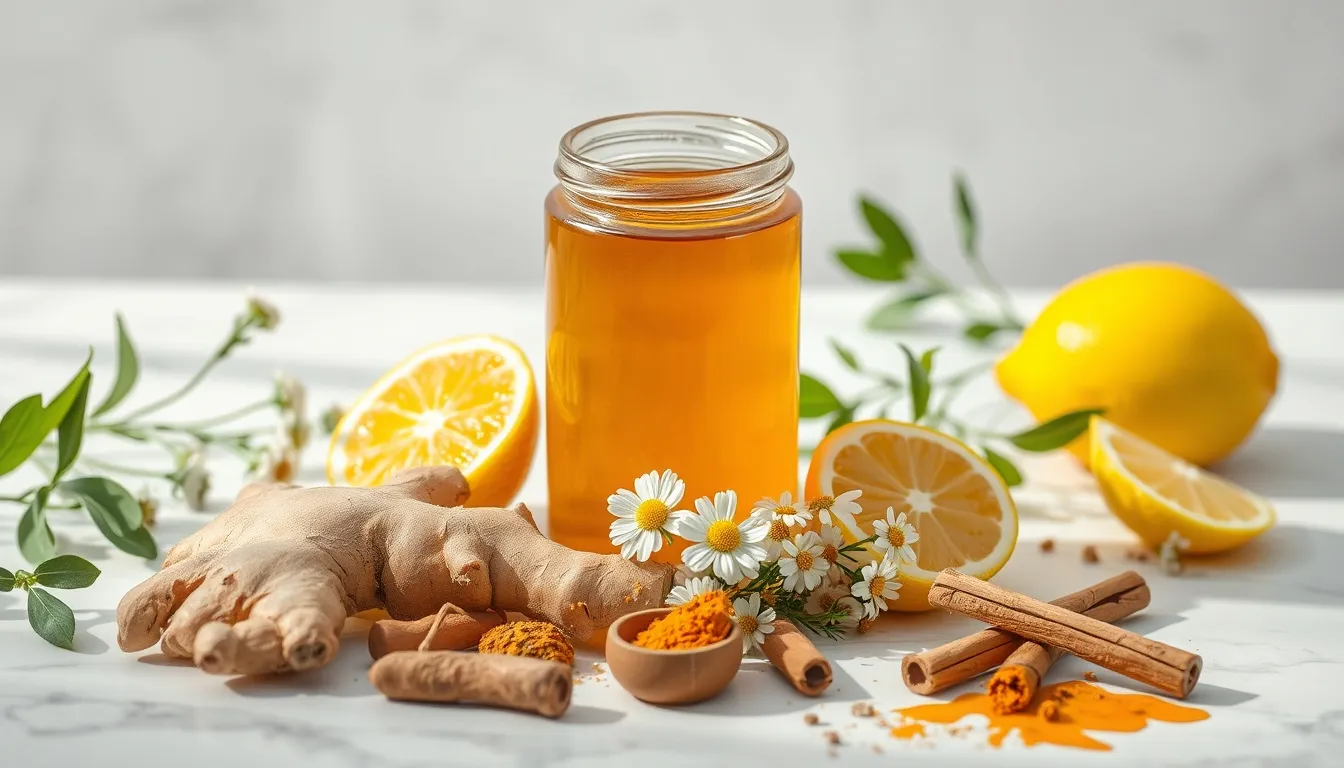
Quick Answer
Buckwheat honey is the best choice for period cramps because its high concentration of chrysin, pinocembrin, and quercetin flavonoids inhibit COX-2 (the same enzyme pathway targeted by ibuprofen) and suppress the prostaglandin cascade that causes uterine contractions. A 2017 Iranian RCT found honey significantly reduced menstrual pain scores. Dark honeys with the highest polyphenol content provide the strongest anti-inflammatory relief.
What to Look For
For menstrual cramps, prioritize honeys with the strongest anti-inflammatory properties — specifically those that inhibit COX-2 and NF-κB pathways responsible for prostaglandin production and uterine inflammation. Dark honeys (buckwheat, manuka, chestnut, heather) contain 3-9x more polyphenols than light honeys. Quercetin, a key flavonoid in honey, also acts as a smooth muscle relaxant. Raw honey retains maximum enzyme activity and polyphenol content.
Relevant Honey Varieties
Richest in chrysin and pinocembrin — flavonoids that directly inhibit COX-2 enzyme activity and suppress prostaglandin E2 production (the primary cause of menstrual cramping). Quercetin content provides additional smooth muscle relaxation. Highest overall antioxidant content reduces oxidative stress during menstruation.
View honey varietyPotent NF-κB pathway inhibition reduces the inflammatory cascade underlying severe dysmenorrhea. Unique MGO compound provides additional bioactivity beyond standard honeys. The 2022 Nutrition Reviews 18-trial review did not measure inflammation, so it does not confirm a systemic anti-inflammatory effect.
View honey varietyThymol and carvacrol compounds provide natural antispasmodic effects on smooth muscle tissue, complementing the COX-2 inhibition from polyphenols. Traditional Mediterranean remedy for menstrual discomfort backed by thyme's well-documented smooth muscle relaxant properties.
View honey varietyVery high in phenolic acids and tannins with strong anti-inflammatory properties. Its mineral content (iron, magnesium) is relevant during menstruation — magnesium is a natural muscle relaxant, and iron helps offset menstrual blood loss. Bold, slightly bitter flavor pairs well with warm drinks.
View honey varietyContains luteolin, one of the most potent natural COX-2 inhibitors among flavonoids — with IC50 values comparable to some pharmaceutical NSAIDs. Highest overall ORAC antioxidant capacity of any honey (18,000–22,000 µmol TE/100g), providing maximum oxidative stress protection during menstruation. Thixotropic gel texture increases GI residence time, allowing slower polyphenol absorption for extended anti-inflammatory coverage across the menstrual cycle.
View honey varietyGet the Honey Buyer's Cheat Sheet (free PDF)
16 varieties on one page — color, flavor, best use and what a fair price looks like — from the 304 honeys we track.
How to Use
Some people start taking dark honey a few days before their expected period, continuing through the first few days of menstruation when prostaglandin levels peak — often dissolved in warm ginger tea (ginger adds additional COX-2 inhibition and antiemetic effects) or warm milk, sometimes alongside a warm compress on the lower abdomen. There is no established protocol; adjust based on what feels helpful.
What to Avoid
Do not use honey as a replacement for medical treatment of severe dysmenorrhea (endometriosis, adenomyosis, fibroids) — see a gynecologist if cramps are debilitating or worsening. Avoid excessive consumption (excessive sugar from any source can increase inflammation). Do not use processed honey — ultra-filtration removes the polyphenols providing anti-inflammatory benefits. Avoid honey if you have fructose malabsorption, as digestive bloating can worsen menstrual discomfort.
Frequently Asked Questions
Does honey actually help with period cramps?
When should I start taking honey for period cramps?
Is honey better than ibuprofen for cramps?
How much honey should I take for period pain?
Can honey help with PMS symptoms beyond cramps?
Which honey works best for severe dysmenorrhea?
Edited by Sam French · Raw Honey Guide Editorial Team
Sam French is the founding editor of Raw Honey Guide. This is an editorial guide, not a medical review.
Last updated: