Best Honey for Skin Care

Which honey varieties work best for skincare? Recommendations for acne, dry skin, anti-aging, and eczema based on clinical research and dermatology evidence.
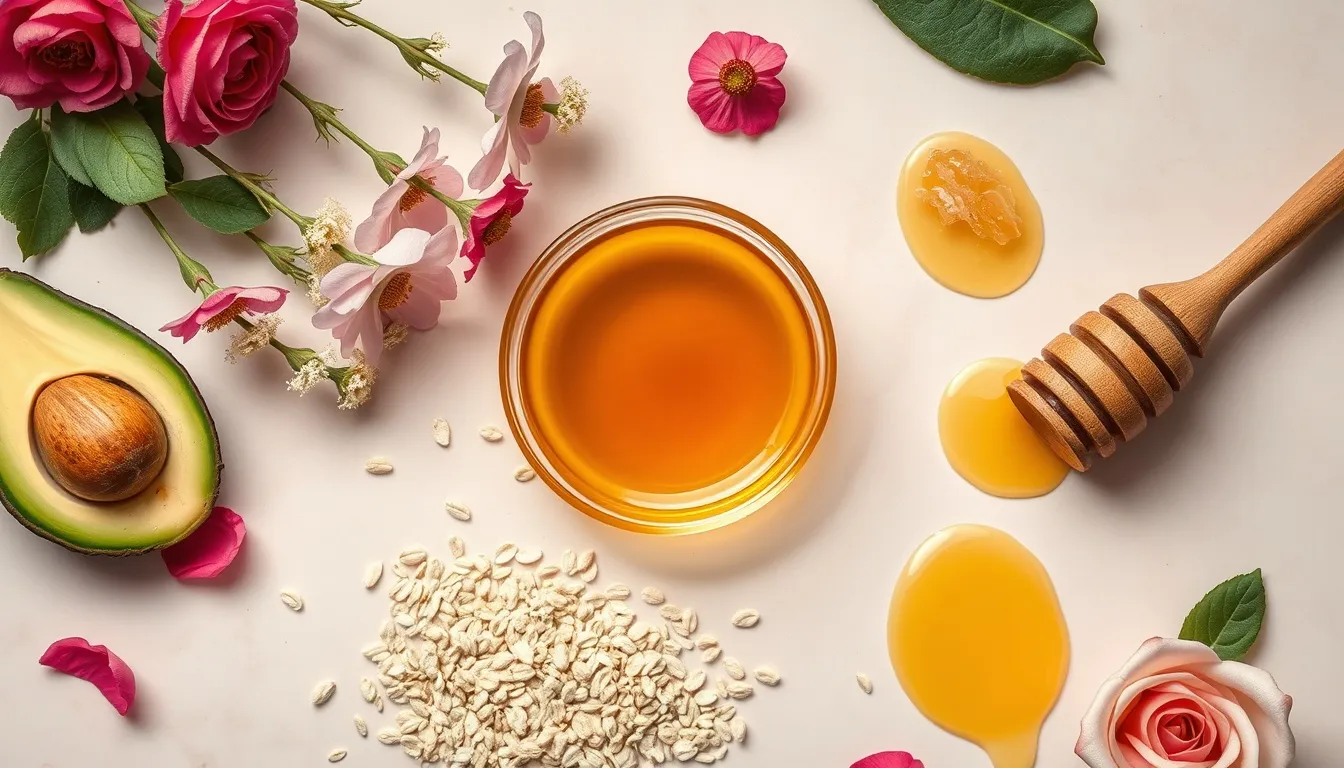
Best Honey for Skin Care — honey varieties and usage

Quick Answer

Manuka honey (UMF 10+) is the best all-around honey for skin care due to its superior antibacterial and anti-inflammatory properties backed by clinical studies. For sensitive skin, acacia honey provides gentle hydration without irritation. For anti-aging, buckwheat honey delivers the highest antioxidant protection. For eczema, medical-grade manuka or a honey-beeswax-olive oil blend (supported by clinical trial evidence) is most effective.

What to Look For

Choose raw, unprocessed honey to retain maximum enzymatic activity—pasteurized honey loses skin-beneficial enzymes like glucose oxidase. For acne-prone skin, prioritize honeys with strong antibacterial properties (manuka, thyme, buckwheat). For dry or aging skin, look for honeys with high humectant properties and antioxidant content. Manuka honey with UMF 10+ or MGO 263+ offers clinically validated potency. Always do a patch test before applying any honey to your face.

Top Recommendations

#1

Manuka Honey (UMF 10+)

The gold standard for skincare. Its methylglyoxal (MGO) provides non-peroxide antibacterial activity that survives on skin. Clinical studies show effectiveness against acne-causing C. acnes bacteria and wound-healing properties. The 2003 honey-beeswax-olive oil study showed 80% improvement in eczema patients.

$25-$60 per jar

UMF 10-15+ is ideal for skincare—higher grades are unnecessary and much more expensive. New Zealand certified UMF only. A little goes a long way for face masks.

#2

Buckwheat Honey

Contains 3-9x more antioxidants than light honeys, making it the best choice for anti-aging. Rich in quercetin and rutin, which protect against UV-induced oxidative damage and support collagen maintenance. Its dark color indicates the high polyphenol concentration.

$10-$22 per jar

US Northeast buckwheat honey is widely available. The strong flavor does not matter for topical use—focus on raw, unprocessed quality.

#3

Acacia Honey

The gentlest option for sensitive skin. Its low acidity and mild composition provide excellent hydration without the irritation risk of stronger honeys. Contains chrysin, studied for anti-inflammatory skin effects. Best for people who find manuka or buckwheat too intense for facial application.

$10-$25 per jar

Hungarian or Italian acacia works well. Its light color and liquid consistency make it easy to apply and rinse off.

#4

Linden Honey

Contains farnesol (anti-inflammatory) and tiliroside (NF-κB inhibitor), making it especially effective for calming irritated, inflamed, or reddened skin. A good middle ground between the potent manuka and the gentle acacia for reactive skin types.

$12-$28 per jar

European linden honey (Polish, German, or French) has the most pronounced calming properties from basswood tree nectar.

#5

Heather Honey

The highest ORAC among European honeys (18,000–22,000 µmol TE/100g — nearly twice buckwheat) plus natural thixotropic (gel-like) texture that adheres to dry, eczematous patches without running. A 2003 Complementary Therapies in Medicine study showed a honey-beeswax-olive oil blend reduced eczema severity by 80%. Heather honey's anti-inflammatory thymol compounds also help calm chronic dry-skin flares.

$14-$35 per jar

Scottish or Scandinavian ling heather (Calluna vulgaris) honey is the most potent; its thick gel texture makes it particularly suited for eczema patches. Look for raw, minimally processed variants from UK or Scandinavian beekeepers.

How to Use

For a basic face mask: apply a thin layer of raw honey to clean, damp skin. Leave on for 15-20 minutes, then rinse with lukewarm water. Use 2-3 times per week. For acne spot treatment: dab a small amount of manuka honey on blemishes before bed, cover with a small bandage, and wash off in the morning. For eczema: mix equal parts honey, beeswax, and olive oil (warm gently to combine), apply to affected areas twice daily. For anti-aging: mix 1 tablespoon buckwheat honey with 1 teaspoon rosehip oil, apply for 20 minutes. Always apply to damp skin for maximum humectant effect.

What to Avoid

Never apply raw honey to open wounds without medical guidance—use medical-grade honey instead. Do not leave honey on skin overnight unless doing a targeted spot treatment (it can attract ants and stain pillowcases). Avoid honey if you have a known bee product allergy. Do not use honey as a substitute for prescribed dermatological treatments (retinoids, antibiotics, steroids) for serious skin conditions. Skip comedogenic honey combinations (honey + coconut oil) on acne-prone skin. Do not apply honey near eyes—it can cause irritation.

Frequently Asked Questions

Does honey really work for acne?
Honey, especially manuka, shows promise for acne as a complementary treatment. A 2014 IJD study found manuka honey inhibited C. acnes bacteria, and a 2014 FEMS study showed it disrupted bacterial biofilms. Honey also reduces the inflammation (redness and swelling) around pimples via NF-κB pathway inhibition. However, direct clinical acne trials are limited—honey works best as an adjunct to proven acne treatments like benzoyl peroxide or retinoids, not as a standalone solution.
Which honey is best for anti-aging?
Buckwheat honey has the highest antioxidant content among common honeys (3-9x higher than light varieties), making it the best choice for anti-aging. Its quercetin and rutin protect against UV-induced collagen breakdown. A 2020 JDD study found topical honey improved skin elasticity by 12% after 8 weeks. For maximum anti-aging benefit, combine topical buckwheat honey masks with eating raw honey daily for systemic antioxidant support.
How often should I use a honey face mask?
For most skin types, 2-3 times per week is optimal. More frequent use is unnecessary and will not provide additional benefits. Apply for 15-20 minutes each time. If you have very dry or eczematous skin, you may benefit from daily application during flare-ups. If you notice any irritation, reduce frequency to once per week. Always apply to clean, slightly damp skin for the best humectant effect.
Can honey help with eczema?
Yes — clinical research supports honey for eczema management. A 2003 study in Complementary Therapies in Medicine found a honey-beeswax-olive oil blend reduced eczema severity scores by 80% compared to petroleum jelly. Manuka honey is the most studied due to its strong anti-inflammatory and antibacterial properties that address two eczema drivers: inflammation and secondary infection risk. Heather honey also shows promise due to exceptional ORAC values (18,000–22,000 µmol TE/100g) and natural thixotropic gel texture that adheres to affected patches without running. Apply 2–3 times weekly; consult a dermatologist for severe or widespread eczema.
Is honey safe for rosacea-prone skin?
Yes, with variety choice mattering. For rosacea, avoid high-thymol honeys (thyme, manuka at very high concentrations) that may cause flushing in very reactive skin. Acacia honey is the safest choice — its minimal flavor compounds and low acidity provide humectant hydration without triggering rosacea flares. Linden honey is the next-best option; its farnesol and tiliroside (NF-κB inhibitor) calm inflammatory redness. Apply for 10–15 minutes rather than the full 20 minutes and patch test on the inner wrist first. Avoid honey-lemon combinations, which can worsen redness on sensitized skin.
Does eating honey improve skin health?
Possibly — internal and topical honey use appear complementary. A 2020 Journal of Dermatological Science study found daily honey consumption improved skin elasticity by 12% over 8 weeks. Honey's polyphenols (caffeic acid, ferulic acid, quercetin) support collagen synthesis by reducing oxidative stress that breaks down collagen fibers. The most relevant mechanism is honey's antioxidant load: buckwheat honey and dark raw honeys deliver the most systemic antioxidant benefit. Limit intake to 1–2 tablespoons daily — the antioxidant benefit does not scale proportionally with dose, and excess adds unwanted sugar calories.