Best Honey for Stretch Marks & Skin Elasticity

Which honey varieties help reduce stretch marks? Evidence-based guide to the best honeys for skin elasticity, collagen support, and stretch mark fading.
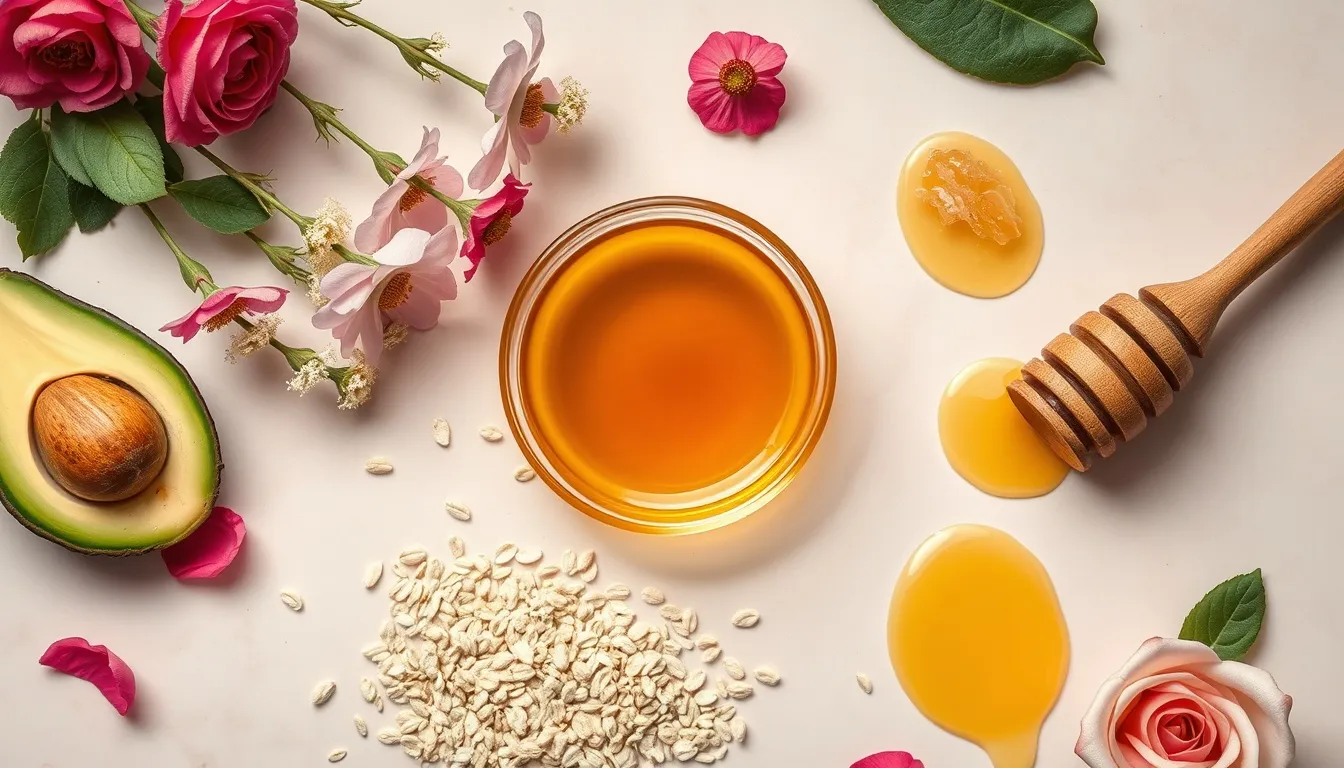
Best Honey for Stretch Marks & Skin Elasticity — honey varieties and usage

Quick Answer

Manuka honey is the best topical choice for stretch marks because the 2015 Cochrane review (3,011 participants) confirmed honey promotes tissue regeneration, collagen synthesis, and wound remodeling — the same processes needed to repair the dermal tearing that creates stretch marks. Buckwheat honey provides the highest antioxidant support for preventing further skin damage, while daily internal honey consumption supports the collagen-building trace minerals (zinc, copper) your skin needs.

What to Look For

Stretch marks are a form of scarring caused by rapid stretching that tears the dermis. For improvement, you need: collagen-stimulating compounds (honey promotes fibroblast activity and collagen synthesis), anti-inflammatory properties (to reduce the redness in newer stretch marks), antioxidant protection (to prevent further oxidative damage to stretched skin), and humectant moisturization (to improve skin elasticity and appearance). Results are gradual — consistency over months matters more than which specific variety you choose.

Top Recommendations

#1

Manuka Honey (UMF 10+)

Promotes fibroblast proliferation and collagen synthesis — the key tissue repair processes for stretch mark improvement. Anti-inflammatory MGO reduces redness in newer (striae rubra) stretch marks. The 2015 Cochrane wound healing review supports honey's tissue regeneration capacity. Thick texture provides effective topical coverage.

$25-$55 per jar

UMF 10+ is sufficient for skincare applications. Apply directly or mix with a carrier oil for easier spreading on larger areas.

#2

Buckwheat Honey

Highest antioxidant content (3-9x more polyphenols than light honeys) fights the oxidative stress that damages collagen and elastin fibers in stretched skin. Rich in zinc and copper — trace minerals essential for collagen cross-linking and skin repair. Dark color indicates maximum phenolic content.

$10-$22 per jar

Ideal for both topical application on stretch marks and daily internal consumption for skin-supporting minerals.

#3

Wildflower Honey

Multi-floral polyphenol diversity provides broad-spectrum antioxidant and anti-inflammatory protection. Natural humectant properties improve skin hydration and elasticity. Affordable enough for regular, generous application on larger affected areas (abdomen, thighs, hips).

$8-$18 per jar

Buy in larger quantities (2-3 lb) for body applications. Raw wildflower from local beekeepers has the richest polyphenol profile.

#4

Acacia Honey

Gentlest option for pregnancy stretch marks and sensitive skin. High fructose content makes it one of the most effective natural humectants for improving skin texture and elasticity. Low allergenicity is important during pregnancy when skin sensitivity is heightened.

$12-$28 per jar

Best for pregnant women developing stretch marks — gentle, effective, and safe for topical use during pregnancy.

#5

Heather Honey

Highest antioxidant density of any European honey (ORAC 18,000–22,000 µmol TE/100g) provides maximum oxidative stress protection for collagen and elastin fibers during repair. Thixotropic gel texture is uniquely suited for stretch mark treatment — it flows under massage pressure then returns to gel form, staying in contact with curved skin surfaces on the abdomen, thighs, and hips without dripping. Luteolin inhibits COX-2 at sub-micromolar IC50, reducing the prostaglandin-driven redness in newer (striae rubra) stretch marks. Al-Waili 2003 RCT demonstrated ~80% reduction in skin condition severity with consistent application.

$18-$45 per jar

Scottish or Scandinavian heather honey (Calluna vulgaris) has the highest ORAC and thixotropic properties. Apply with massage pressure — the gel liquefies under warmth and friction, coating every stretch mark surface, then re-gels in place.

How to Use

For topical treatment: mix 2 tablespoons honey with 1 tablespoon coconut oil or rosehip oil (which contains trans-retinoic acid for collagen stimulation). Apply to stretch marks and massage gently for 2-3 minutes, then leave for 20-30 minutes before rinsing. Do this 3-4 times per week. For prevention during pregnancy or weight changes: apply honey-oil mixture daily to areas prone to stretching (abdomen, breasts, thighs, hips). Internally: take 1 tablespoon dark honey daily for zinc, copper, and polyphenols that support collagen synthesis from the inside.

What to Avoid

Do not expect dramatic results quickly — stretch marks are dermal scars and improvement is gradual over months. Do not use honey on freshly torn or bleeding stretch marks (rare, but can occur in extreme cases). Avoid very hot baths or showers after application (heat strips moisture). Do not combine honey with retinoid creams without dermatologist guidance (potential for irritation). Be realistic: honey can improve the appearance of stretch marks (especially newer red/purple ones) but is unlikely to eliminate mature white/silver stretch marks completely.

Frequently Asked Questions

Can honey reduce stretch marks?
Honey can reduce the visibility of stretch marks over time, especially newer red/purple (striae rubra) marks that still have active blood flow and tissue remodeling capacity. The 2015 Cochrane systematic review (3,011 participants) confirmed honey promotes fibroblast proliferation, collagen synthesis, and wound remodeling — the same processes that repair the dermal tearing underlying stretch marks. Mature white/silver marks (striae alba) respond more slowly to any topical treatment, but consistent use over 3-6 months can improve texture and reduce visibility.
Which honey is best for stretch marks?
Manuka honey (UMF 10+) is the best topical choice — its MGO provides sustained anti-inflammatory activity and promotes collagen synthesis. Heather honey is the best companion topical: its thixotropic gel texture stays on curved skin surfaces (abdomen, thighs, hips) without dripping, and its ORAC 18,000–22,000 µmol TE/100g provides the highest antioxidant support for collagen and elastin repair. Mix 1 tablespoon of either with rosehip oil (trans-retinoic acid + vitamin C) and massage into stretch marks for 3-5 minutes, 3-4 times weekly.
How long does honey take to improve stretch marks?
Expect subtle improvement in skin texture within 2-4 weeks. Visible reduction in redness of newer stretch marks typically takes 6-8 weeks of consistent application (3-4 times weekly). Meaningful improvement in older stretch marks requires 3-6 months. Combining topical honey with daily internal consumption of dark honey (1 tablespoon buckwheat or wildflower daily for zinc, copper, and polyphenols) and vitamin C-rich foods accelerates collagen synthesis. Consistency over months matters more than which specific variety you choose.
Is honey safe for stretch marks during pregnancy?
Yes — topical honey application is safe during pregnancy for all trimesters. Acacia honey is the gentlest option for pregnant skin and is safe for large-area application on the growing abdomen, breasts, and thighs. Start applying in the second trimester when rapid stretching begins — daily massage helps maintain skin elasticity before marks form. Internal honey consumption (1-2 tablespoons daily) is also safe during pregnancy and provides the zinc, copper, and trace minerals that support collagen building. Unlike retinoid creams, honey carries no pregnancy restrictions.
How does honey for stretch marks compare to retinol or vitamin C serums?
Retinoids (retinol, tretinoin) provide the strongest collagen-turnover stimulation and are the most evidence-backed dermatological treatment for stretch marks — but are contraindicated during pregnancy. Vitamin C serums act as cofactors for collagen synthesis. Honey is complementary rather than competitive: it is safe during pregnancy (when retinoids cannot be used), reduces the inflammation in new stretch marks that retinoids can worsen, and improves skin hydration and elasticity. Layering protocol: apply honey-oil massage in the evening, allow to absorb for 20-30 minutes, then apply vitamin C serum; use retinol on alternate nights (not on top of honey, which can reduce retinol stability).
Can honey prevent stretch marks from forming?
Prevention is more effective than treatment. Daily honey massage on areas prone to rapid stretching (abdomen, breasts, thighs) helps maintain skin elasticity and reduces the likelihood of marks forming during pregnancy, weight gain, or muscle building. The protocol: mix 1 tablespoon acacia or heather honey with 1 tablespoon rosehip oil (trans-retinoic acid + vitamin C for collagen production). Apply to clean, slightly damp skin and massage for 3-5 minutes daily. Start in the second trimester of pregnancy. Internally, daily buckwheat or wildflower honey provides zinc and copper — essential minerals for the collagen cross-linking that maintains skin elasticity under rapid stretching.