What thyme honey tastes and looks like
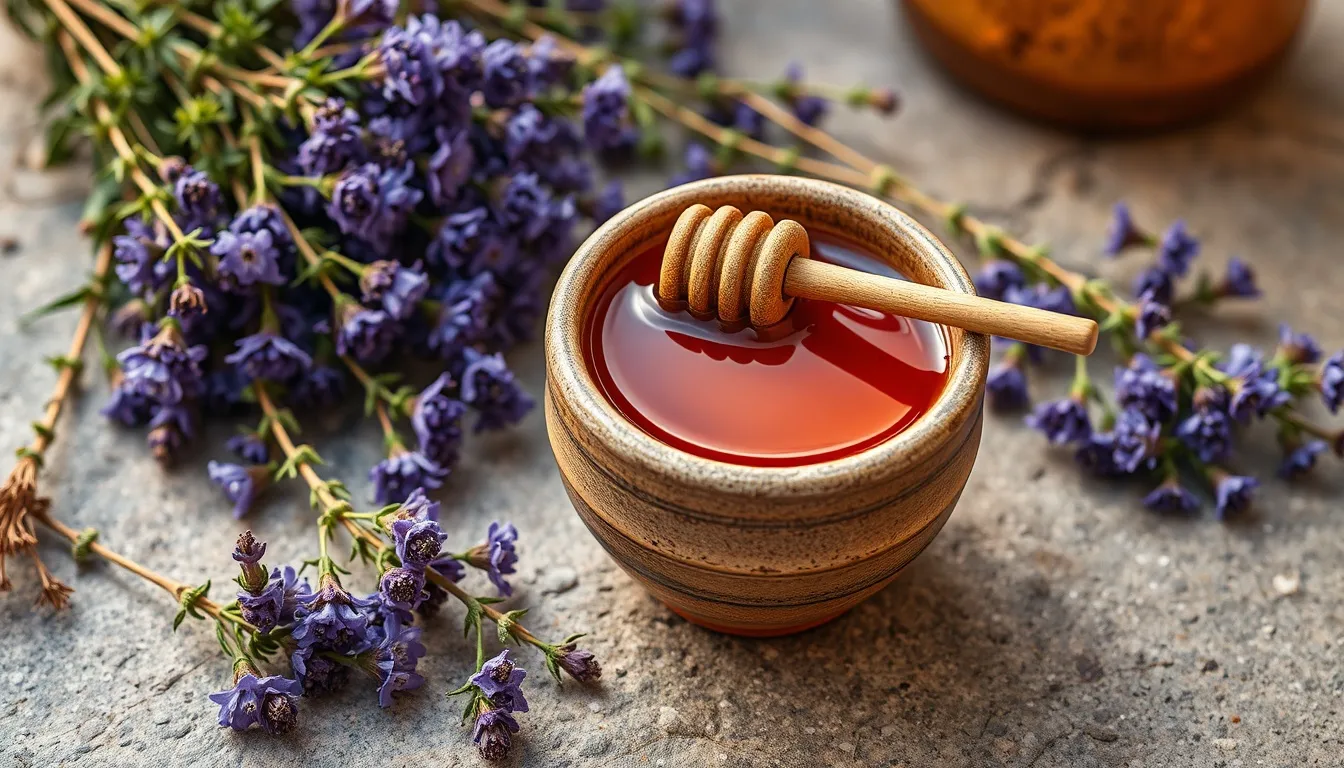
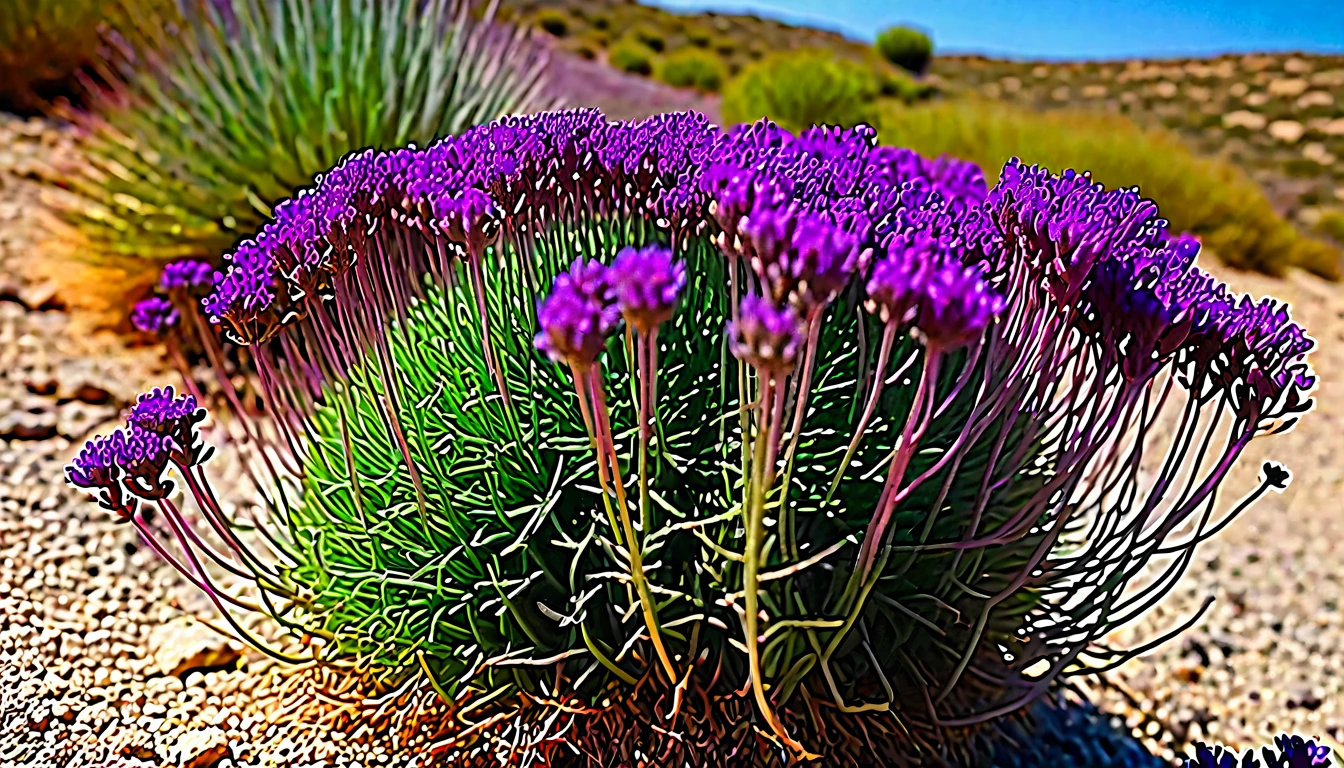
Thyme honey is a Mediterranean blossom honey from wild thyme — in Greece mainly *Thymus capitatus* (conehead thyme) on limestone garrigue. The jar is golden to medium amber, darker than clover or acacia and lighter than chestnut or buckwheat.
Open the lid and it should smell of thyme: warm, herbal, slightly peppery. Taste is assertive sweetness with a herbal backbone and a lingering dried-herb finish. If a “thyme honey” smells only of generic blossom, it is often a blend.
This catalog lists five thyme honeys: Greek thyme honey (Crete, Meligyris in the seed data), Alfa Cretan thyme honey, Spanish thyme honey, Tziverti thyme honey from the hills of Larnaca and Limassol in Cyprus, and Airborne thyme honey from Central Otago in New Zealand, where thyme grows wild on dry hills.
Colour and crystallisation
There is no Pfund field in the catalog, so thyme is not plotted as a single millimetre reading. Pale-to-medium amber Greek thyme sits in the USDA Extra Light Amber through Light Amber classes (35–85 mm Pfund) on the extracted-honey colour standard. The chart below shows that class range against mid-range markers for acacia, clover, linden and chestnut.
Thyme typically sets in months rather than days or years, often to a fine-grained spreadable paste. Set honey is still thyme honey. See why honey crystallises.
Get the Honey Buyer's Cheat Sheet (free PDF)
16 varieties on one page — color, flavor, best use and what a fair price looks like — from the 304 honeys we track.
Origin
The catalog rows come from Greece (two Cretan jars), Spain, Cyprus and New Zealand. Cretan and Hymettus thyme honeys are the historical Greek names. Turkey, southern Italy and North Africa also produce *Thymus* honeys, but they are not rows here.
The origin chooser groups the five rows by origin, with the catalog flavour tags and jar bands. Cyprus has no origin label of its own in the catalog, so its jar sits under Other.
Price
Jar prices across the five thyme rows run from $5.44 to $29.76 — jar bands, not per pound and not live quotes. Jar sizes differ by seller. The colour chart shows a class range, not a price, because the catalog has no Pfund field.
How to use it
Thyme honey belongs on Greek yogurt, feta, grilled lamb, oregano bread and strong herbal tea. The herbal finish is the point.
It will overpower a delicate white tea or a mild cake. Use acacia or orange blossom there.
How to spot a mislabelled jar
The herbal smell should be obvious. Water-white “thyme” or a jar with no thyme aroma is usually misnamed. Very dark jars may be pine honeydew sold under a blossom name — Greece’s volume honey is pine honeydew, not thyme.
Country of origin and a floral-source word on the label beat a decorative sprig of thyme on the lid.
Never give honey to a child younger than 12 months because of infant botulism risk (CDC).
Composition, as chemistry
Thyme plants make thymol and carvacrol as leaf and flower volatiles. Those same molecules can appear in thyme honey as aroma compounds. That is botanical chemistry, not a licensed medicine.
Thyme is a blossom honey under Council Directive 2001/110/EC. It does not get the chestnut / honeydew conductivity exception.