Fall Harvest Honey: Seasonal Varieties & Guide
Goldenrod, buckwheat, heather and forest honeydew: the honeys of the last flows of the year, what they taste like, what they cost in our catalog and what to cook with them this fall.
Last updated:
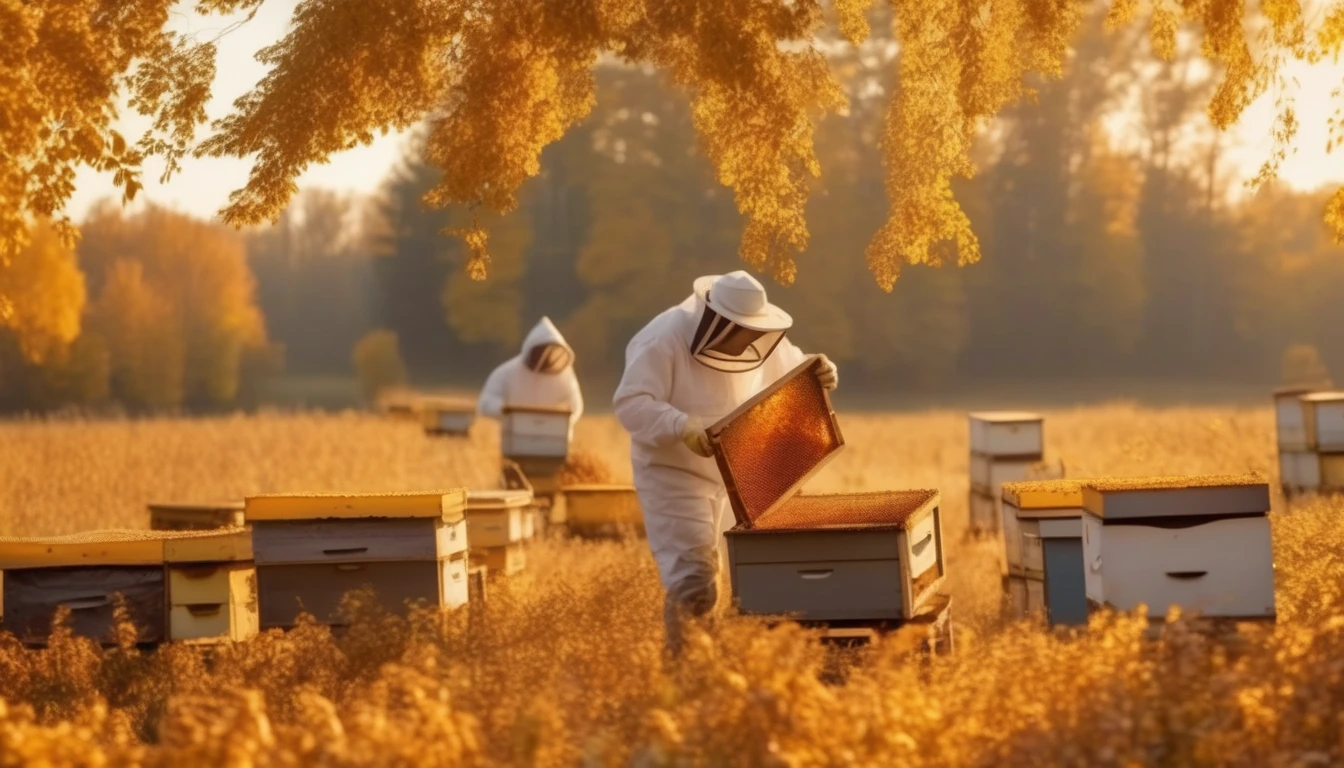
Fall honey comes from the last flows of the year: goldenrod blooms in late August and September, buckwheat and heather flower in late summer, and oak and fir forests give honeydew. It is darker and stronger than spring honey, and much of it crystallizes within weeks. Use buckwheat for gingerbread, goldenrod for apple desserts and cranberry blossom for Thanksgiving glazes.
Key Facts
The main fall flow in the Northeast
Named listings from our catalog
Buy baking honey in October
What Makes Fall Honey Different?
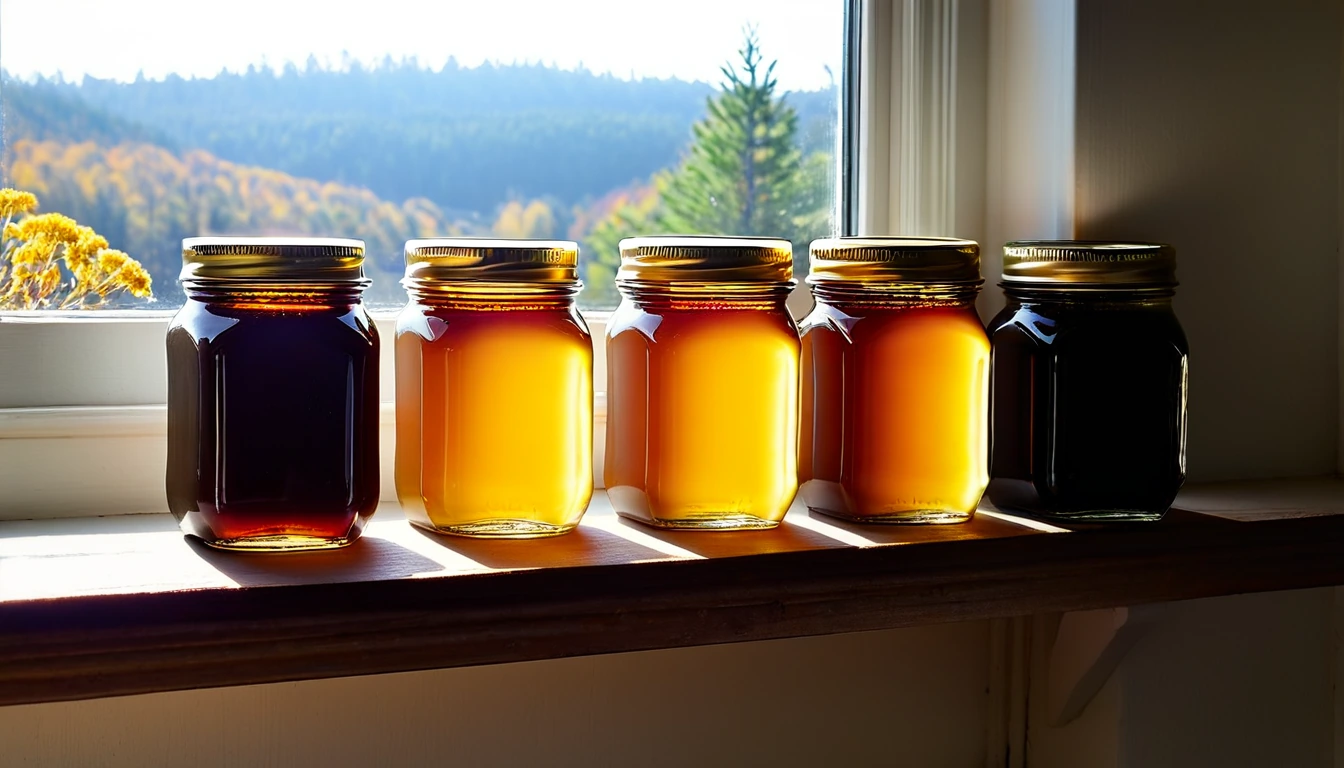
Fall honey is what bees make from the last flows of the year: goldenrod and aster in the Northeast and Midwest, buckwheat where farmers plant it, heather on European moors, and honeydew in oak and fir forests. It is usually darker and stronger than spring honey. The colour comes from the plant, not from age or heat: goldenrod runs gold-amber, buckwheat and forest honeydew run close to black. The honey color scale shows where each sits.
Many fall honeys crystallize fast. Goldenrod sets into a creamy spread within weeks, and the Hungarian sunflower honey in our catalog sets firm in one to two weeks. That is normal, not a fault. Stand the jar in warm water if you want it runny again, or leave it set and spread it.
Honeydew honey is the odd one out. Bees collect it from the sweet secretions sap-feeding insects leave on oak, fir and other forest leaves, not from flowers. It tastes mineral and malty, and it is less sweet than flower honey.
Which Flowers Make Fall Honey?
Goldenrod (Solidago) is the main fall flow across much of the eastern US. It blooms in late August and September along roadsides and field edges. Gil's Honey Bees goldenrod from New York's Finger Lakes is gold-amber with a sharp flavour; Gil's says its 2025 crop turned almost white once fully crystallized.
Aster blooms with and after goldenrod until the first frost. Our catalog has no single-flower aster honey yet; most of it ends up in mixed fall wildflower jars from local beekeepers.
Buckwheat is a planted crop that flowers from mid-summer into early fall. Its honey is the darkest common American honey: malty and close to molasses. Heather (Calluna vulgaris) flowers in late summer on the moors of Scotland, northern England and Germany's Lüneburg Heath; its honey sets like jelly and is often pressed out of the comb instead of spun.
Further afield, sidr honey from Pakistan comes from jujube trees that bloom in autumn, and avocado honey from Uruapan in Michoacán is a winter harvest.
Which fall honey for what you are cooking?
Pick the job. Each honey is a listing in our catalog, with its jar price and what the producer says to use it for.
Baking & gingerbread: 7 honeys
- Gil's Honey Bees Goldenrod Honey
Goldenrod blooms late August–September · $14 a jar
Gold-amber and sharp, and it sets fast into a creamy spread. For apple and pear desserts and sharp cheese.
Catalog flavour tags: Bold, Seasonal, Golden, Amber
- Gil's Honey Bees Buckwheat Honey
Buckwheat flow, late summer · $16–$40 a jar
Dark and molasses-like. The honey for gingerbread, rye bread and spice cookies.
Catalog flavour tags: Bold, Earthy, Malty, Dark
- Hungarian Forest Honeydew Honey (Erdei Méz)
Forest honeydew, not flower nectar · $6 a jar
Near black, mineral and malty, far less sweet than acacia. For rye and gingerbread doughs and pork marinades.
Catalog flavour tags: Dark, Forest, Malty, Strong
- Aragonese Pyrenees Oak Forest Honey (Miel de Bosque)
Oak honeydew, late summer and autumn · $4–$12 a jar
Close to black with a salty, mineral edge. With Manchego, in pork marinades, in dark bread.
Catalog flavour tags: Dark, Forest, Malty, Intense
- Hungarian Sunflower Honey (Napraforgóméz)
Sunflower flow, July–August · $5–$9 a jar
Bright gold and sets firm within one to two weeks. The producer bakes it into gingerbread (mézeskalács).
Catalog flavour tags: Golden, Aromatic, Crystalline, Sweet
- Hansen Honey Farm Cranberry Blossom Honey
Cranberry bloom in summer; a Thanksgiving honey · $3.50–$12 a jar
A medium honey from Wisconsin cranberry marshes. For turkey glaze, pork and cranberry sauce.
Catalog flavour tags: Medium, Fruity, Seasonal, American
- A de Abeja Uruapan Avocado Honey
Winter harvest in Michoacán · $11–$17 a jar
Molasses-dark and savoury, tasted as clove, cinnamon and star anise. For chai, gravy and chocolate desserts.
Catalog flavour tags: Mexican, Dark, Spicy, Molasses
Source: this site's honey catalog, read when the page is built. Dot = lowest and highest listed jar price.
When Is Fall Honey Harvested in 2026?
In the northern US, beekeepers pull the last honey boxes (supers) from late August into September, after the summer flow. Anything the bees make from goldenrod and aster after that is usually left in the hive as their winter food, so a jar of true fall honey is a smaller crop than summer honey. Further south the season runs later. Our honey harvest season guide has the region-by-region timing, and the fall beekeeping checklist covers what beekeepers do to the hives now.
The dates that matter for your kitchen in 2026: Halloween is Saturday, October 31, and Thanksgiving is Thursday, November 26. Buy fall honey in October if you want it for Thanksgiving baking; a fast-crystallizing jar bought in September will be set by then.
How Do You Cook With Fall Honey?
Dark fall honey tastes strong, so use it where you want to taste it. For baking, swap ¾ cup of honey for each cup of sugar, cut other liquid by about 3 tablespoons, add ¼ teaspoon of baking soda and bake 25°F cooler, because honey browns faster than sugar. The baking substitution calculator does the maths.
- Gingerbread, rye and spice cookies: buckwheat or forest honeydew. They stand up to ginger, clove and dark flour.
- Apple and pear desserts: goldenrod. Try it in honey apple crisp or baked apples.
- Glazes for turkey, ham and pork: cranberry blossom or buckwheat. The honey glaze recipe is three ingredients.
- Cheese boards: chestnut with aged pecorino, oak honeydew with Manchego, heather with strong cheddar.
- Every fall recipe on this site, sorted by occasion: fall honey recipes.
Where Do You Buy Fresh Fall Harvest Honey?
A local beekeeper is still the best source. At a farmers market in September and October, ask which flow the jar came from. A beekeeper who says "goldenrod" or "buckwheat" knows their hives; "fall wildflower" is fine too, it just means mixed. Our local honey finder lists producers by city.
If you want a named fall honey shipped, the chooser and price chart above list what our catalog carries. Jar sizes differ, so compare the price per ounce before you buy. For holiday gifts, the holiday honey gift guide has 2026 ship-by dates.
Fall Harvest Honey FAQ
Why is fall honey darker than spring honey?
Because of the plants it comes from. Late-season sources like buckwheat, goldenrod and forest honeydew make darker honey than spring sources like clover, acacia and orange blossom. Colour comes from the nectar or honeydew, not from age or heating.
When is fall honey harvested?
In the northern US, beekeepers take their last honey from late August into September. Goldenrod blooms in late August and September; much of what bees collect after the last harvest stays in the hive as winter food. Southern states harvest later.
Does fall honey crystallize faster?
Often, yes. Goldenrod sets into a creamy spread within weeks, and sunflower honey can set firm in one to two weeks. Crystallized honey has not gone off; stand the jar in warm water to melt it, or spread it as it is.
What does goldenrod honey taste like?
Gold-amber with a sharp, distinct flavour. It crystallizes quickly into a creamy set. Use it in apple and pear desserts, with sharp cheese, or in fall baking.
Which fall honey is best for baking?
Buckwheat or forest honeydew for gingerbread, rye bread and spice cookies; goldenrod for apple and pear desserts. Use ¾ cup of honey per cup of sugar, cut other liquid by about 3 tablespoons, add ¼ teaspoon of baking soda and bake 25°F cooler.
Edited by Sam French · Raw Honey Guide Editorial Team
Source reviewed against primary literature and official guidance where available. Health content is educational, not medical advice, and does not replace a licensed clinician.
Related Guides
Seasonal Honey Guide
How seasons affect honey production.
Read GuideFloral Sources Guide
Learn about honey varieties by floral origin.
Read GuideHow Bees Make Honey
The journey from flower to jar.
Read GuideRelated Articles
Fall Beekeeping Checklist 2026: Preparing Your Hives for Winter
Prepare your hives for winter with this fall beekeeping checklist. Varroa treatment, feeding, insulation, and more.
Read ArticleWhen Is Honey Harvest Season? A Complete Guide by Region
When is honey harvested? Harvest seasons by US region, how timing affects flavor and price, and the best time to buy.
Read ArticleHoneydew Honey Benefits: Why This Forest Honey Stands Apart
Honeydew honey is made from tree sap, not flowers. Exceptional minerals, antioxidants, and prebiotics. European favorite.
Read ArticleFind fresh fall harvest honey near you
Find Fall Harvest Honey Near You