Honey Floral Sources Guide
The floral source determines a honey's color, flavor, and characteristics. Discover the unique qualities of each variety.
Last updated:
Honey's flavor, color, and health properties are determined by the flowers bees visit. Clover honey is light and mild, buckwheat is dark and antioxidant-rich, manuka offers unique antibacterial compounds, and lavender has a distinctive floral aroma. Each floral source creates a completely different honey with unique characteristics, making floral origin the single most important factor in choosing a honey variety.
Clover Honey
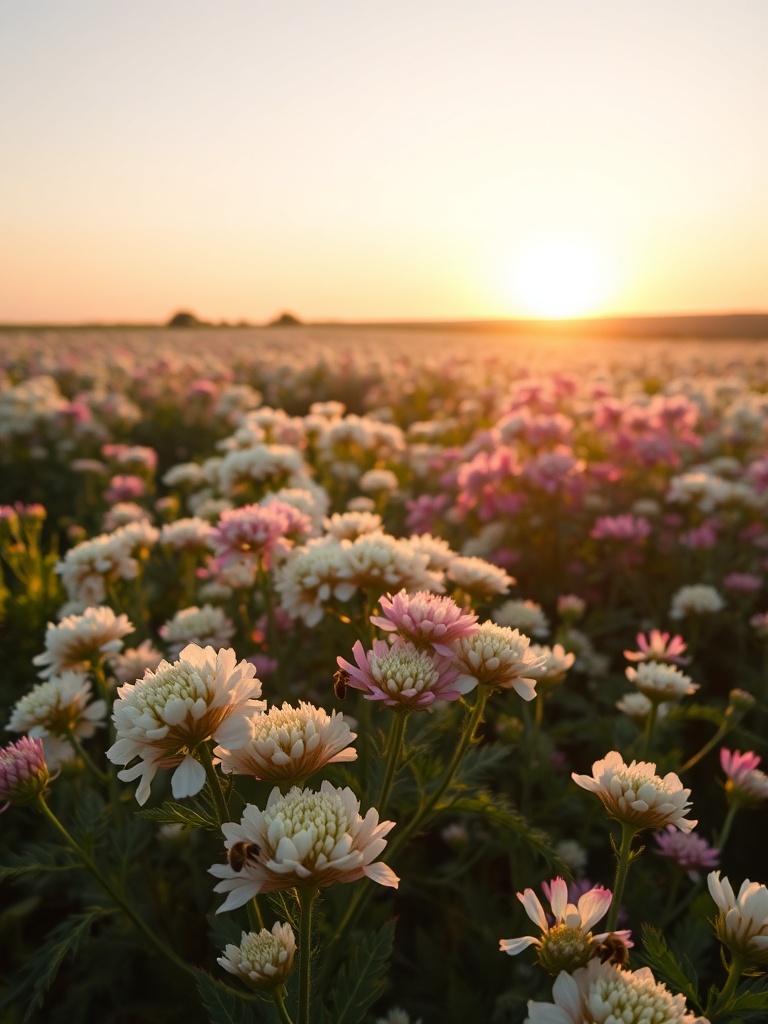
Browse CloverThe most common honey variety in North America. Clover honey is light, mild, and versatile with a subtle floral sweetness, making it the baseline for honey flavor comparisons.
Characteristics
- Light amber color
- Mild, sweet flavor
- Versatile for cooking
- Natural crystallization 2-6 months
Best For
Everyday use, tea, baking, children
Wildflower Honey
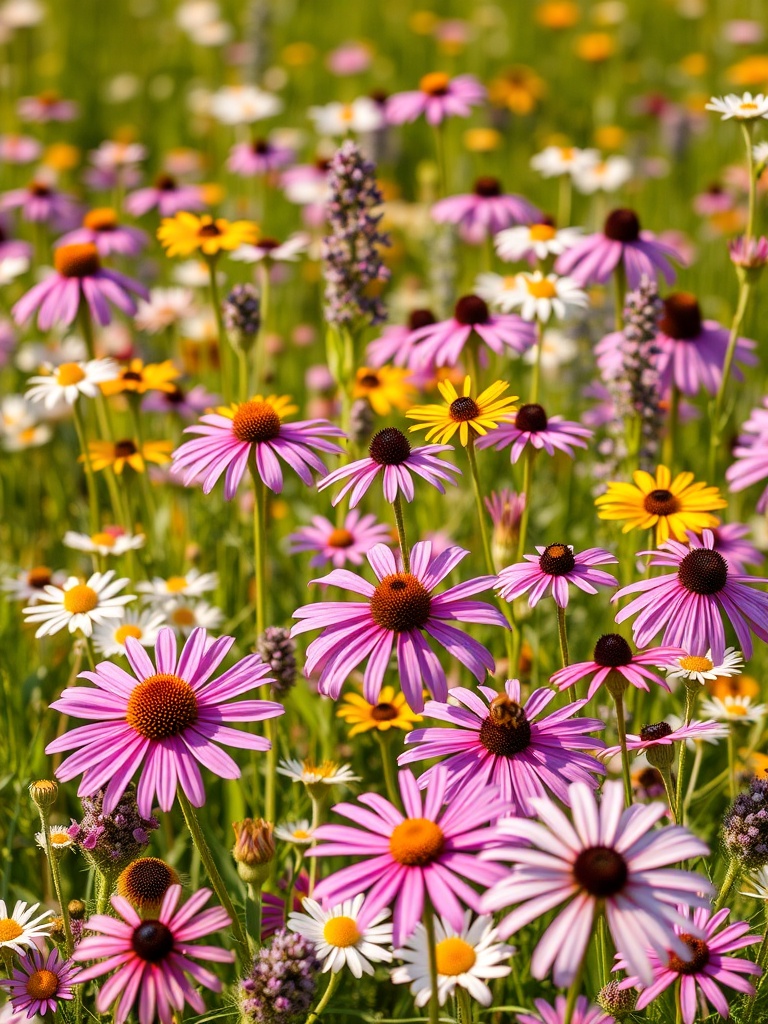
Browse WildflowerA blend of nectar from various wildflowers, varying by region and season. Each batch is unique with complex flavors more diverse than single-source varieties like clover honey.
Characteristics
- Varies by region
- Complex flavor profile
- Medium to dark amber
- Diverse botanical compounds
Best For
Those who enjoy variety and regional flavors, affordable complexity
Manuka Honey
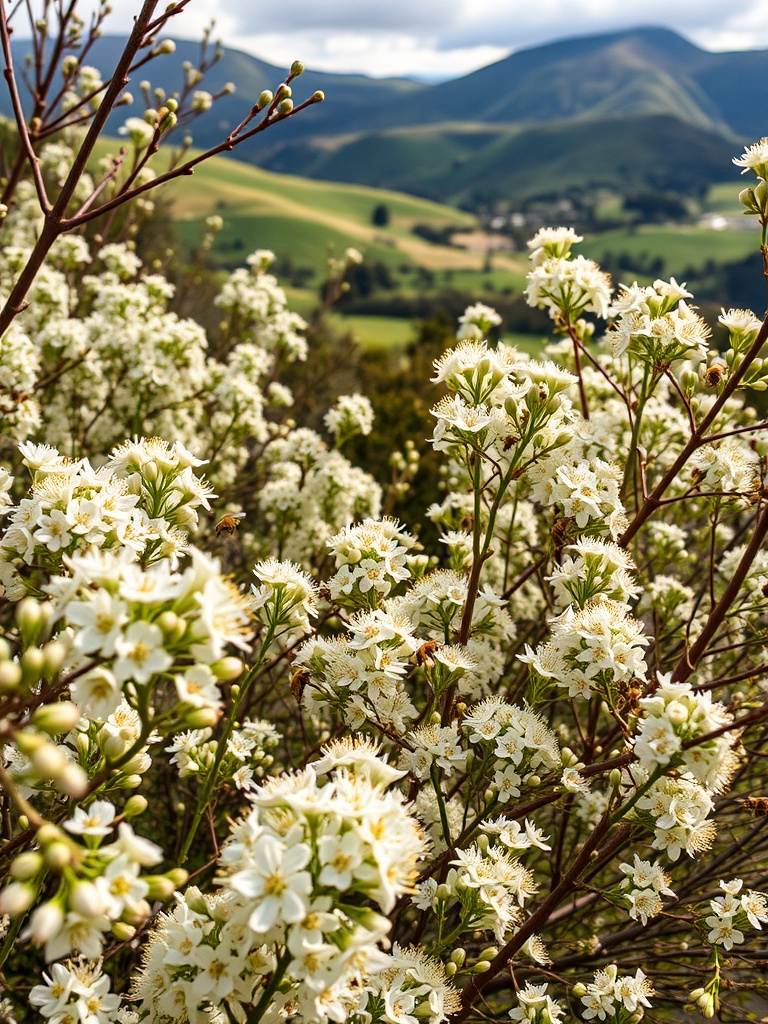
Browse ManukaPremium honey from New Zealand, prized for its unique antibacterial properties from methylglyoxal (MGO). UMF 10+ ratings offer therapeutic benefits not found in clover honey or other varieties.
Characteristics
- Dark amber
- Rich, earthy flavor
- Medicinal properties
- UMF/MGO ratings
Best For
Wellness, immune support, wound healing, therapeutic applications
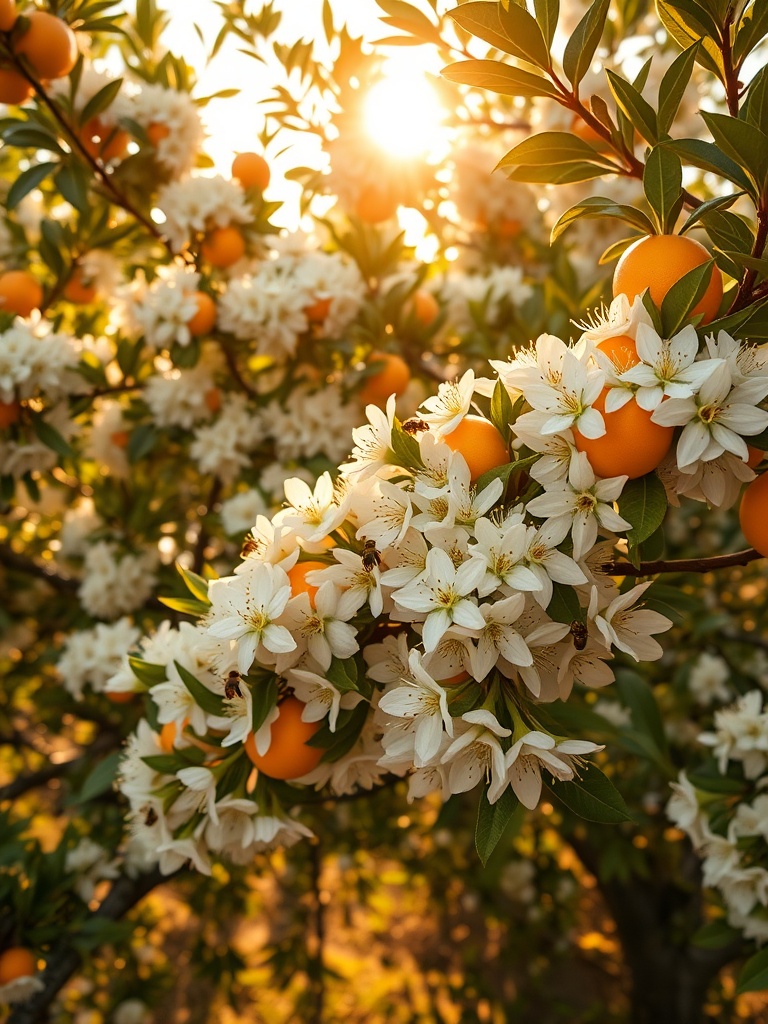
Orange Blossom Honey
Browse Orange BlossomHarvested from citrus groves, this honey has a delicate citrus aroma and light, fruity taste distinct from the neutral sweetness of clover honey.
Characteristics
- Light golden color
- Citrus aroma
- Sweet, fruity taste
- Floral complexity
Best For
Tea, desserts, marinades, citrus applications
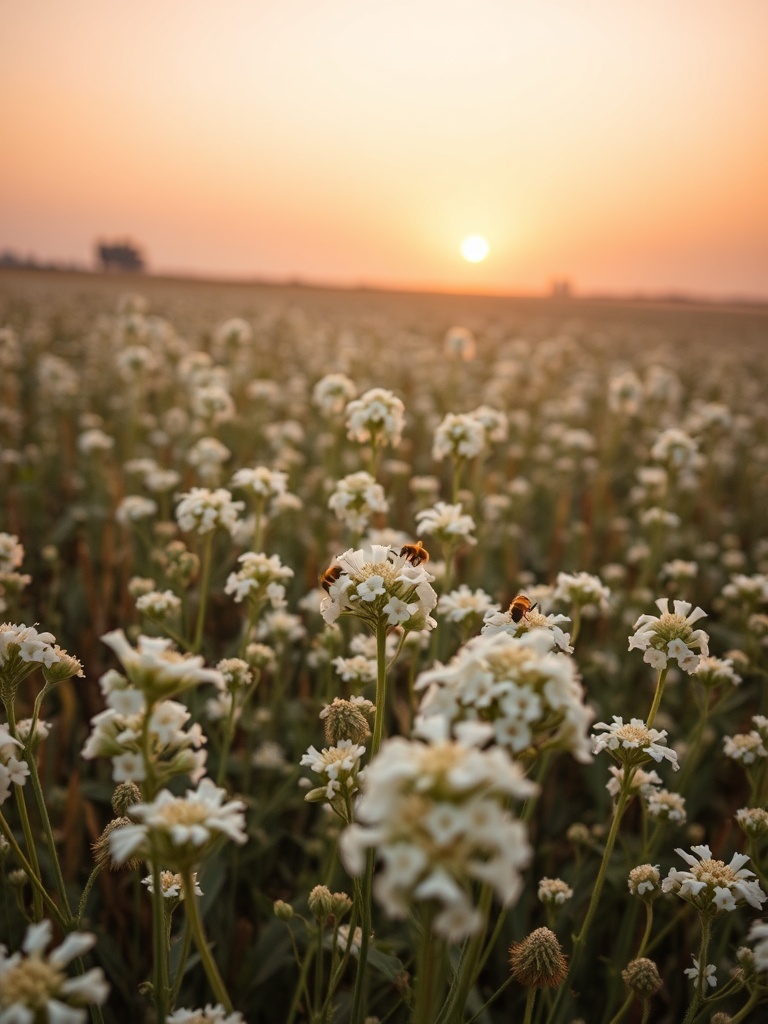
Buckwheat Honey
Browse BuckwheatOne of the darkest and most robust honeys. Rich in antioxidants with exceptional ORAC 16,000+ levels — up to 20× more than clover honey — and a distinctive molasses-like flavor.
Characteristics
- Dark brown color
- Strong, bold flavor
- Exceptional antioxidants ORAC 16,000+
- Molasses complexity
Best For
Baking, BBQ sauces, cheese pairings, maximum antioxidants
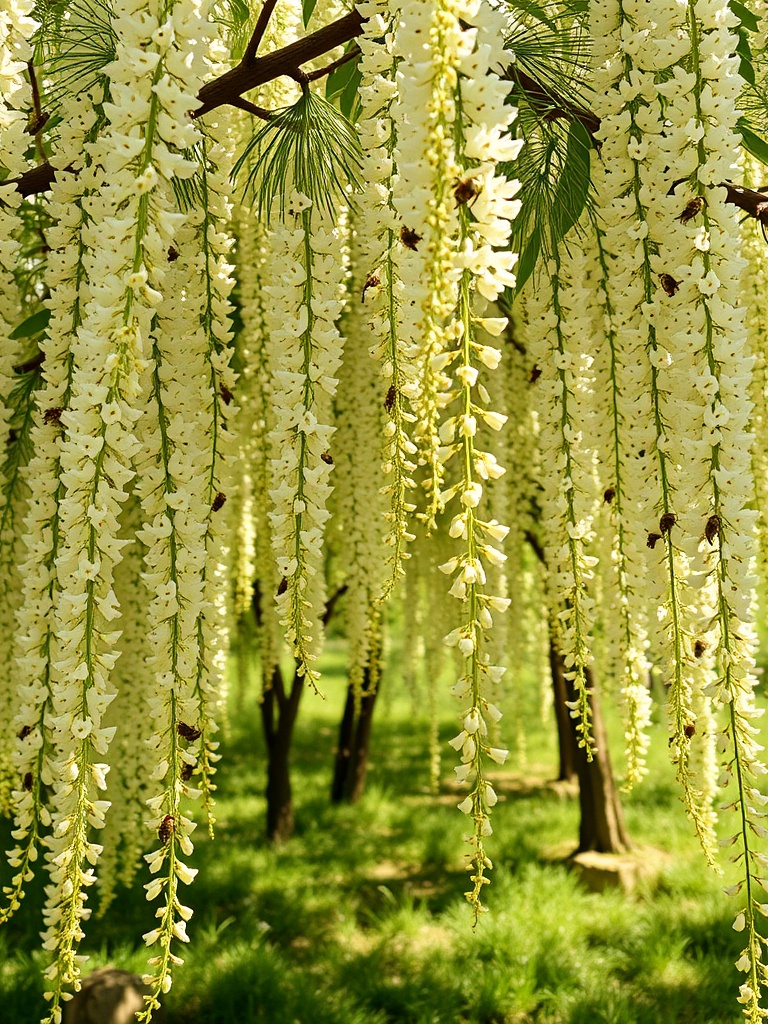
Acacia Honey
Browse AcaciaA premium light honey known for its slow crystallization and mild, delicate flavor. With a low glycemic index (~32) compared to clover honey (~69), it's ideal for diabetics.
Characteristics
- Very light color
- Mild, clean taste
- Stays liquid longer
- Low glycemic index ~32
Best For
Sweetening without overpowering, fine dining, diabetic-friendly
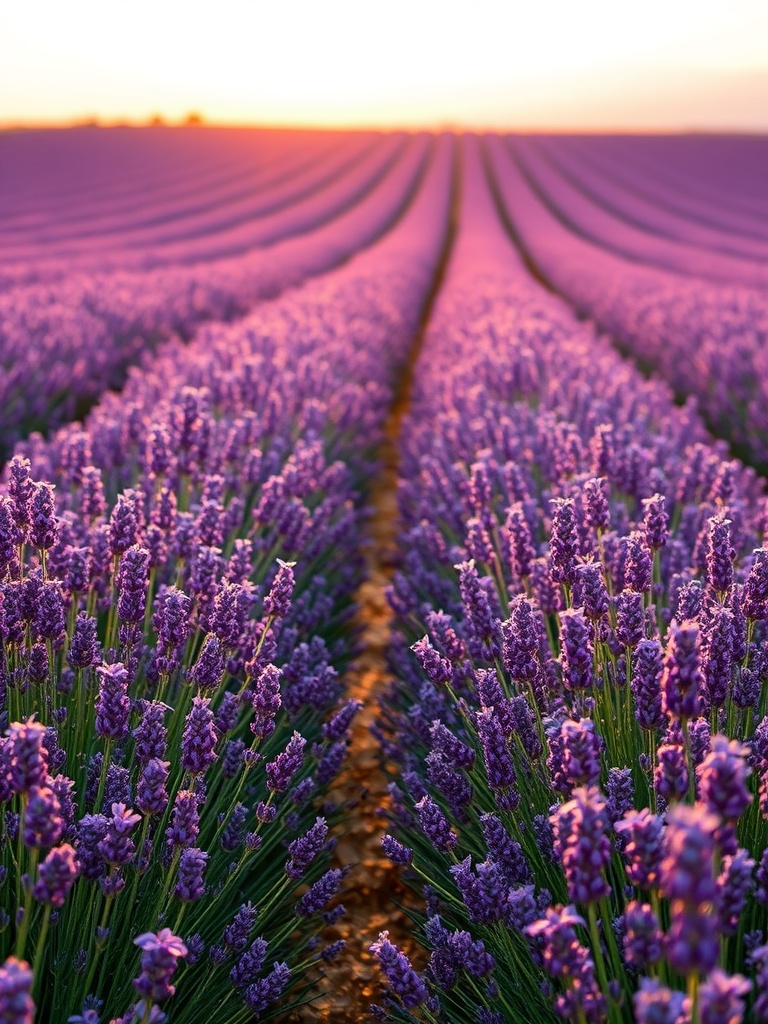
Lavender Honey
Browse LavenderHarvested from lavender fields, this honey has a distinctive floral aroma and calming properties far more complex than neutral clover honey.
Characteristics
- Medium amber
- Floral, herbal notes
- Aromatic
- Botanical complexity
Best For
Tea, desserts, relaxation remedies, aromatherapy
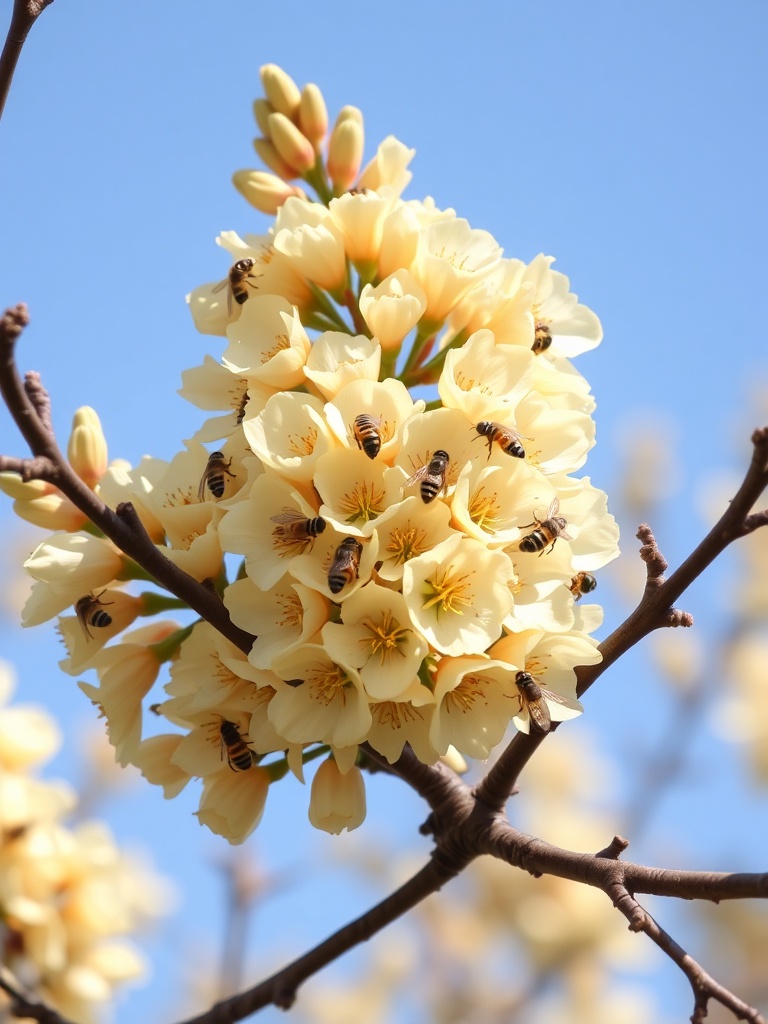
Eucalyptus Honey
Browse EucalyptusDistinctive menthol undertones from eucalyptus trees provide unique respiratory benefits not found in milder varieties like clover honey. Popular in Australia and Mediterranean regions.
Characteristics
- Medium to dark amber
- Herbal, menthol notes
- Bold flavor
- Respiratory benefits
Best For
Cold remedies, strong tea, respiratory support
Related Honey Guides
Frequently Asked Questions
What is a floral source in honey?
A floral source refers to the type of flower from which bees primarily collected nectar to produce a particular honey, and it determines the honey's color, flavor, aroma, and nutritional profile.
What is the most common type of honey?
Clover honey is the most common variety in North America, known for its light amber color, mild sweet flavor, and versatility in cooking and everyday use. It serves as the flavor baseline for comparing other varieties like buckwheat honey (bold and molasses-like) or acacia honey (delicate and floral).
What does the floral source tell you about honey?
The floral source indicates the honey's flavor profile, color, antioxidant content, and best uses. Dark buckwheat honey is bold and exceptionally high in antioxidants (ORAC 16,000+), light acacia honey is mild with low glycemic index (~32) and stays liquid longer, Manuka honey offers unique antibacterial compounds (UMF 10+) not found in clover honey or other common varieties.
Which floral source makes the best honey?
There is no single best honey — it depends on your needs. Manuka honey is best for medicinal use with UMF 10+ therapeutic properties, clover honey for everyday sweetening and versatility, buckwheat honey for maximum antioxidants (ORAC 16,000+), acacia honey for low glycemic index (~32) and diabetic-friendly applications, and orange blossom honey for desserts and tea with citrus complexity.
Does the floral source affect honey's health benefits?
Yes, significantly. Darker floral sources like buckwheat honey and chestnut honey have up to 20 times more antioxidants than light clover honey. Manuka honey from the mānuka plant contains methylglyoxal (MGO), an antibacterial compound unique to that floral source and absent in other varieties. Acacia honey has a lower glycemic index (~32) than most varieties due to its high fructose content, making it diabetic-friendly compared to wildflower honey or clover.
What is monofloral vs polyfloral honey?
Monofloral honey comes predominantly from a single plant species (like acacia honey or Manuka honey) and has consistent, distinctive characteristics. Polyfloral honey (often called wildflower honey) is collected from multiple flower species and varies by season and region. Monofloral varieties like buckwheat honey or sourwood honey are typically more expensive and have more predictable flavor and health properties than variable wildflower blends.
Which honey varieties should I choose for different floral source purposes?
Choose honey varieties based on floral source characteristics: For maximum antioxidants, select buckwheat honey with exceptional ORAC 16,000+ levels from late-season buckwheat flowers. For diabetic-friendly applications, choose acacia honey with low glycemic index (~32) from acacia tree blossoms. For therapeutic benefits, select Manuka honey UMF 10+ from New Zealand mānuka plants offering unique antibacterial MGO compounds. For everyday sweetening, choose clover honey from common clover blossoms providing mild, versatile flavor. For complex regional flavors, select wildflower honey from diverse seasonal botanical sources. For citrus applications, choose orange blossom honey from citrus grove nectar offering delicate floral citrus character. For respiratory support, select eucalyptus honey from eucalyptus trees providing natural menthol properties.
Edited by Sam French · Raw Honey Guide Editorial Team
Source reviewed against primary literature and official guidance where available. Health content is educational, not medical advice, and does not replace a licensed clinician.
Get the Honey Buyer's Cheat Sheet (free PDF)
16 varieties on one page — color, flavor, best use and what a fair price looks like — from the 304 honeys we track.
Related Guides
Seasonal Honey Guide
How seasons affect honey production.
Read GuideBuckwheat Honey Guide
Antioxidants, cough relief, dark honey benefits, athletic performance, and ORAC rating.
Read GuideHow Bees Make Honey
The journey from flower to jar.
Read GuideRelated Articles
Types of Honey: A Complete Guide to 20+ Varieties
Guide to 20+ honey varieties — clover, manuka, buckwheat, wildflower, and more. How floral source affects flavor and use.
Read ArticleThyme Honey: Taste, Colour, Origins and Price
Thyme honey is medium amber and herbal. Five catalog jars from Greece, Spain, Cyprus and New Zealand, jar prices, Pfund colour class, and how to spot a blend.
Read ArticleSidr Honey Benefits: Why This Ancient Honey Commands Premium Prices
Sidr honey (jujube) benefits: powerful antimicrobial action, wound healing, and immune support. Authenticity buying guide.
Read Article