Honey vs Stevia
One is a calorie-rich whole food with documented therapeutic properties. The other is a zero-calorie plant extract that does not raise blood sugar. Honey and stevia take completely different approaches to sweetness, and the right choice depends on what matters most to you.
Last updated:
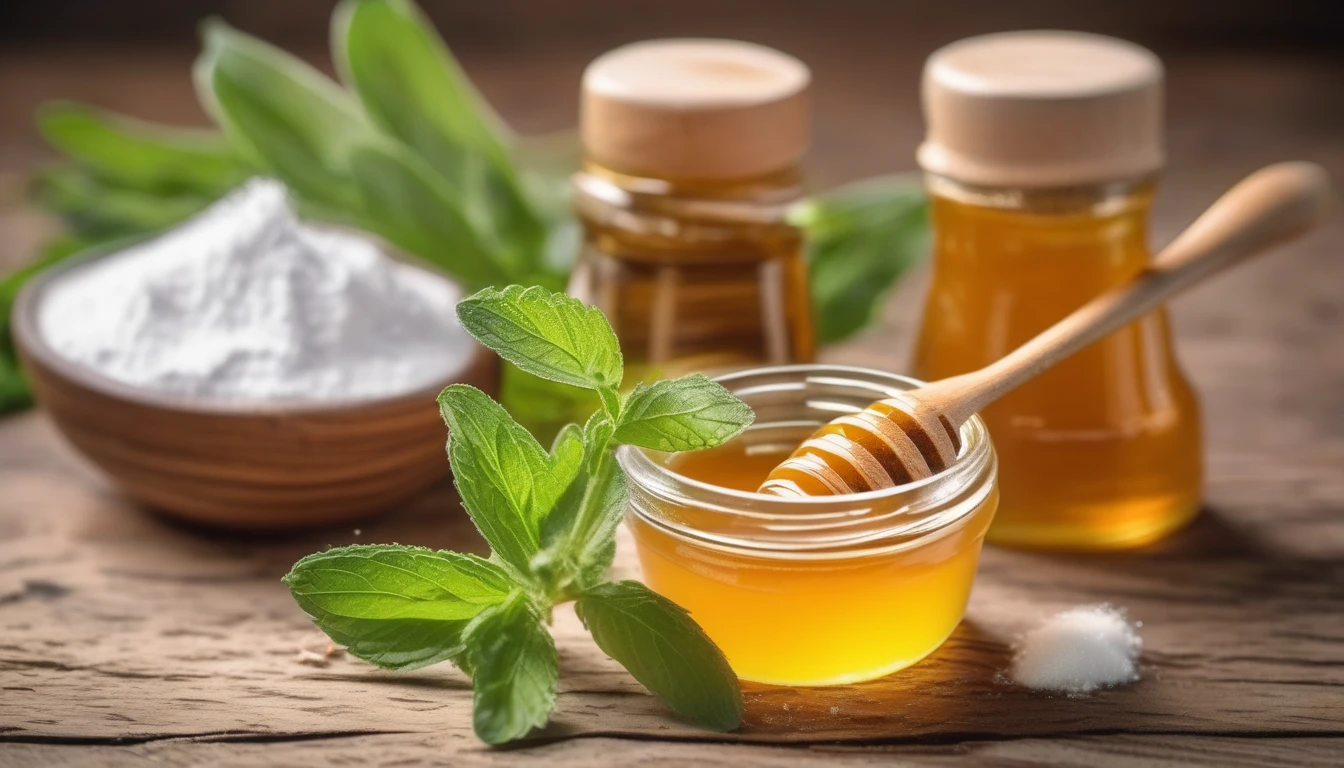
Honey and stevia serve different purposes. Stevia has zero calories and no blood sugar impact, making it ideal for diabetics and calorie-conscious diets. Honey provides 64 calories per tablespoon but offers antimicrobial, antioxidant, and prebiotic benefits that stevia lacks. Honey excels in baking and cooking where it adds moisture, browning, and flavor. Stevia works best for sweetening beverages. Many people benefit from keeping both.
At a Glance
Honey
- 64 calories per tablespoon
- Glycemic index: 32-83 (varies by variety)
- Rich, complex flavor with floral variety
- Proven antimicrobial and therapeutic benefits
Stevia
- 0 calories per serving
- Glycemic index: 0 (no blood sugar impact)
- 200-350x sweeter than sugar by weight
- May have bitter or licorice-like aftertaste
How Do They Compare Nutritionally?
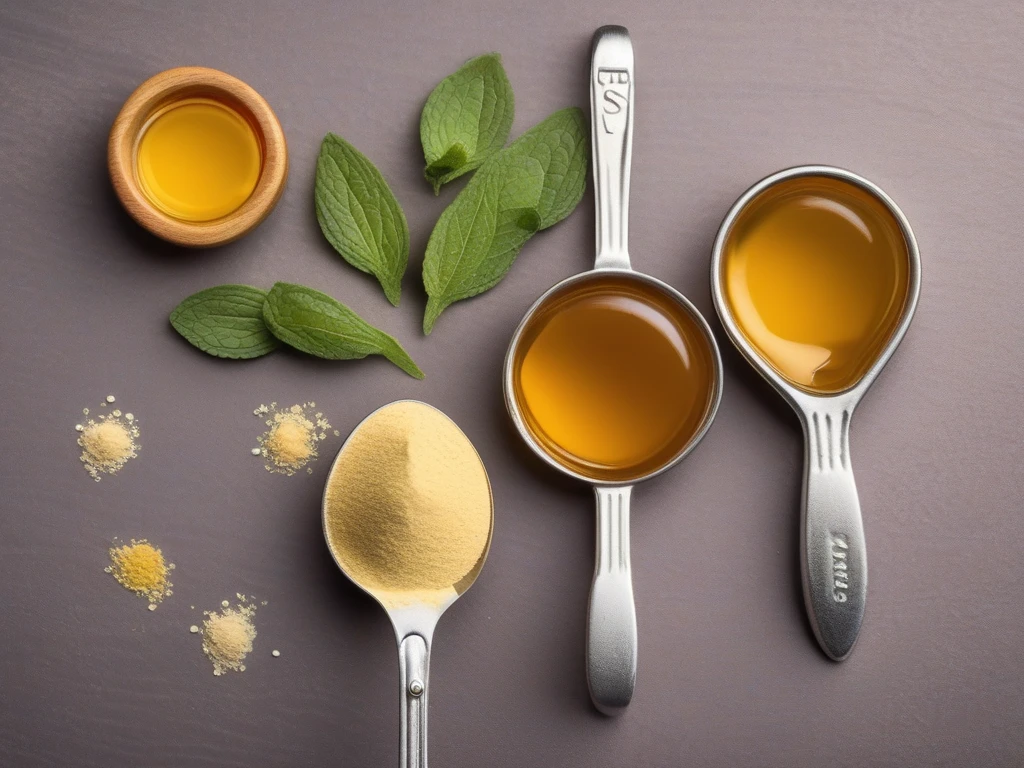
Honey and stevia represent fundamentally different approaches to sweetening. Honey is a caloric, nutrient-containing whole food. Stevia is a zero-calorie, non-nutritive sweetener derived from the leaves of the Stevia rebaudiana plant. A tablespoon of honey provides approximately 64 calories, 17 grams of carbohydrates (mostly simple sugars), and trace amounts of vitamins and minerals including B vitamins, vitamin C, calcium, iron, zinc, and potassium. Raw honey also contains over 200 bioactive substances — enzymes, amino acids, organic acids, and polyphenol antioxidants — that contribute to its documented health benefits. Stevia, by contrast, contains zero calories, zero carbohydrates, and zero nutritional content per serving. The sweet compounds in stevia — steviol glycosides, primarily stevioside and rebaudioside A (Reb A) — pass through the body without being metabolized for energy. A tiny amount goes a very long way: stevia is approximately 200-350 times sweeter than sugar by weight, meaning a few drops of liquid stevia or a tiny pinch of powdered stevia can match the sweetness of an entire tablespoon of honey. This caloric difference is stevia's primary advantage. For people strictly managing calorie intake or carbohydrate consumption, stevia allows sweetness with zero caloric or glycemic impact. However, this comes at the cost of the nutritional and therapeutic benefits that honey provides.
Which Has Less Impact on Blood Sugar?
Stevia is the clear winner for blood sugar management. With a glycemic index of zero, stevia has absolutely no effect on blood glucose or insulin levels. Multiple clinical studies have confirmed that stevia does not raise blood sugar, and some research suggests it may even have modest blood-sugar-lowering effects. A 2010 study in the journal Appetite found that stevia consumption before meals resulted in lower post-meal blood glucose and insulin levels compared to both sugar and aspartame. Honey's glycemic index ranges from ~32 (acacia honey) to ~83 (buckwheat honey) depending on floral source — a wider range than most sweetener charts show. Acacia honey sits at the low end (GI ~32), well below white sugar (GI 65). Common clover honey (GI ~69, Ischayek & Kern 2006) actually sits above white sugar, while buckwheat honey is higher still at ~73–83. Tupelo honey (GI ~44) and sage honey (GI ~48) also offer diabetic-friendly options below sugar's impact. All honeys will raise blood sugar to some degree because they contain approximately 80% simple sugars by weight. For people with Type 2 diabetes, stevia is generally the safer choice for regular sweetening needs. The American Diabetes Association includes stevia among non-nutritive sweeteners that can help people with diabetes manage their carbohydrate intake. However, it is worth noting that some small studies have shown honey may improve certain metabolic markers over time. A study published in the International Journal of Food Sciences and Nutrition found that natural honey reduced fasting blood sugar, cholesterol, and body weight in diabetic patients compared to sugar — though it still raised blood sugar more than a zero-calorie sweetener would.
How Do They Differ in Taste and Cooking?
Taste is perhaps the most contentious issue in the honey versus stevia debate. Honey offers rich, complex flavors that vary enormously by floral source — from the light, delicate sweetness of acacia honey to the deep, malty notes of buckwheat honey. Clover honey provides reliable mild sweetness, orange blossom honey adds citrus-floral notes, wildflower honey offers complex multi-floral depth, and sourwood honey brings sophisticated spice and anise characteristics. Many people consider honey's flavor diversity to be one of its greatest attributes. Stevia, however, is known for a distinctive bitter or licorice-like aftertaste that many people find unpleasant. This aftertaste comes from stevioside, the most abundant steviol glycoside. Higher-quality stevia products use purified Reb A, which has less bitterness, but even premium stevia rarely matches honey's clean, natural sweetness. In cooking and baking, the differences are dramatic. Honey provides moisture, browning, texture, and flavor that actively contribute to the final product. Wildflower honey excels in artisan breads, clover honey works beautifully in delicate pastries, while robust varieties like buckwheat honey should be avoided in delicate recipes where their intensity would overpower. Honey caramelizes beautifully, gives baked goods a tender crumb and extended shelf life, and creates rich glazes for meats and vegetables. Stevia contributes nothing beyond sweetness — no moisture, no browning, no texture, no bulk. Baking with stevia requires bulking agents (like erythritol, applesauce, or yogurt) to replace the volume that sugar or honey would normally provide. You cannot simply swap stevia for honey in most recipes without significant reformulation. For beverages and cold applications, stevia works well — a few drops in tea, coffee, or a smoothie provides calorie-free sweetness. But for anything that relies on the physical and chemical properties of a sweetener, honey is far more functional.

Which Offers Greater Health Benefits?
Honey has a well-documented range of health benefits backed by thousands of years of traditional use and modern clinical research. Its antimicrobial and antibacterial properties make it effective for wound healing — medical-grade Manuka honey is used in hospitals worldwide. Studies have shown honey outperforms dextromethorphan for nighttime cough in children. Its antioxidants (flavonoids and phenolic acids) reduce oxidative stress and inflammation, with buckwheat honey providing the highest antioxidant content — up to 9× higher ORAC values than clover honey. Chestnut honey and heather honey also offer exceptional antioxidant density. Honey acts as a prebiotic, feeding beneficial gut bacteria through its oligosaccharide content, with wildflower honey providing diverse prebiotic compounds from multiple floral sources. It also provides functional enzymes including glucose oxidase, which produces hydrogen peroxide — the primary driver of honey's antimicrobial activity. Stevia's health profile is different but not without merit. Research indicates stevia may have anti-inflammatory, antioxidant, and anti-hyperglycemic properties. Some studies suggest steviol glycosides can help lower blood pressure in people with mild hypertension, though results have been mixed. Stevia has been shown to have anti-cavity properties — it does not feed the bacteria that cause tooth decay, unlike honey and other sugars. The FDA has classified high-purity steviol glycosides (Reb A with 95% or greater purity) as Generally Recognized as Safe (GRAS). However, stevia's health benefits are primarily passive (not raising blood sugar, not causing cavities) rather than active therapeutic effects. Honey actively provides healing compounds, while stevia's main benefit is the absence of harm.
How Processed Is Each Sweetener?
Processing is an important consideration for consumers who prioritize whole, minimally processed foods. Raw honey is among the least processed sweeteners available — bees create it through an extraordinary natural process, and it goes from hive to jar with little more than straining to remove wax and debris. Even conventional filtered honey undergoes minimal processing compared to most packaged foods. The stevia you find on store shelves, however, is quite different from the stevia leaf. Raw stevia leaves are 30-40 times sweeter than sugar but contain compounds that create a strong bitter aftertaste. To create the refined stevia products sold commercially, the leaves undergo a multi-step extraction process: they are dried, soaked in water, filtered, and then subjected to various purification steps including decolorization with activated carbon, ion exchange, and crystallization. Many commercial stevia products also contain bulking agents and fillers — erythritol, maltodextrin, dextrose, or inulin — because pure steviol glycosides are so intensely sweet that they would be impractical to measure in small quantities. Some "stevia" products contain more filler than actual stevia. Whole stevia leaf and crude stevia extracts have not been approved by the FDA as food additives, only highly purified steviol glycosides have. If minimal processing is important to you, raw honey is the more natural choice. If you prefer stevia, look for products with minimal fillers and high Reb A purity.
Which Should You Choose?
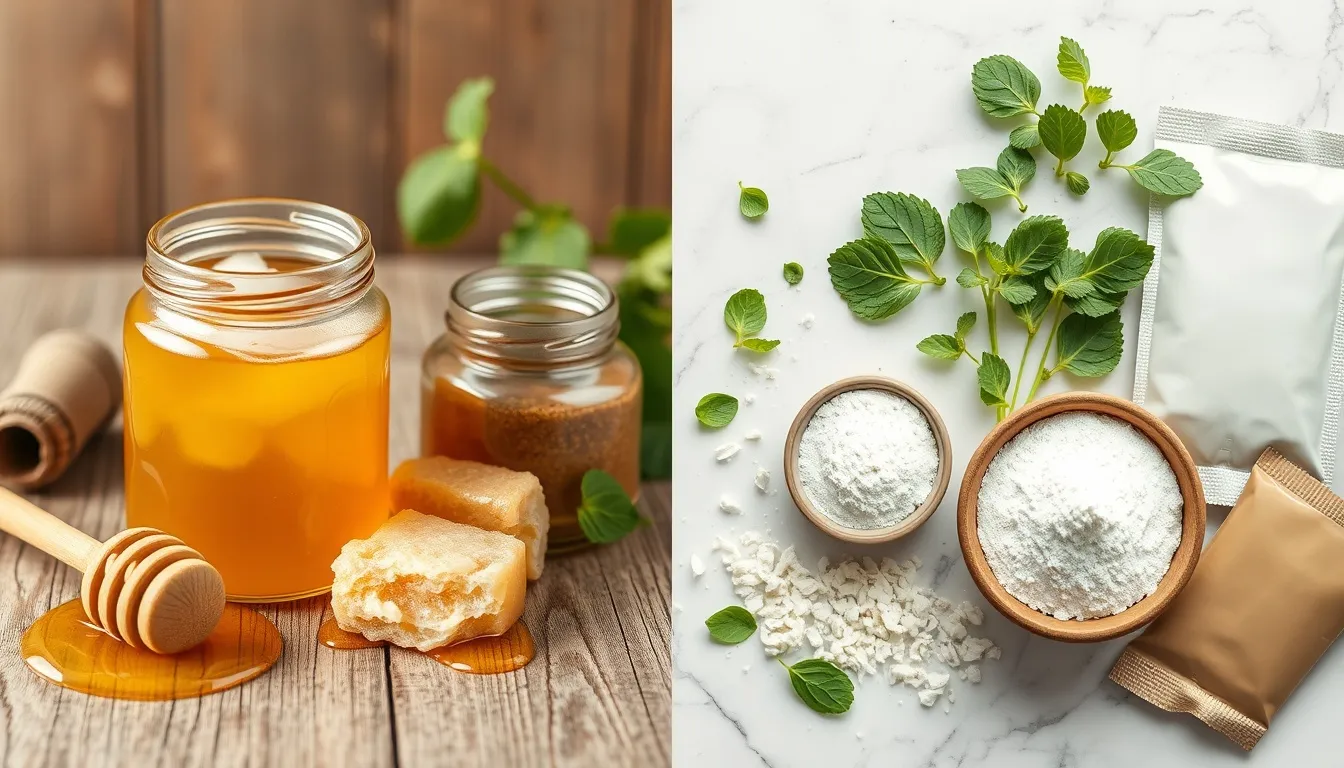
The choice between honey and stevia depends entirely on your priorities and health goals. They serve fundamentally different purposes and are not truly interchangeable. Choose honey when you want a sweetener that actively contributes to your health through antimicrobial, antioxidant, and prebiotic properties. Honey is the better choice for cooking and baking, for flavor depth and variety, for soothing coughs and sore throats, and for anyone who values minimally processed whole foods. Honey provides functional benefits in recipes — moisture, browning, texture — that stevia cannot replicate. Choose stevia when calorie reduction or blood sugar management is your primary goal. Stevia is ideal for people with diabetes who need to avoid glycemic impact, for those on strict calorie-controlled diets, and for sweetening beverages and cold foods where flavor complexity and texture are less important. Stevia is also the choice for vegans who avoid honey. Many people find the best approach is to use both: stevia for everyday beverage sweetening where zero calories matter most, and honey for cooking, baking, and situations where its flavor and health benefits add genuine value. The key principle remains moderation — while stevia eliminates the calorie concern, honey's therapeutic benefits are real and meaningful. A tablespoon of raw honey in your morning tea provides genuine nutritional value that stevia cannot match, at a modest caloric cost of 64 calories.
Frequently Asked Questions
Is stevia healthier than honey?
It depends on your goals. Stevia has zero calories and no glycemic impact, making it better for weight and blood sugar management. But honey provides antimicrobial compounds, antioxidants, and documented therapeutic benefits that stevia lacks.
Can I use stevia instead of honey in baking?
Not directly. Stevia provides only sweetness — no moisture, bulk, or browning. You need to add bulking agents (erythritol, applesauce) and adjust liquid ratios. Honey contributes texture, moisture, and caramelization that stevia cannot replicate.
Does stevia have side effects?
High-purity stevia (Reb A 95%+) is FDA-approved as GRAS. Some people experience a bitter or licorice-like aftertaste. Very high doses may cause digestive discomfort in sensitive individuals. Whole leaf and crude stevia extracts are not FDA-approved.
How much stevia equals a tablespoon of honey?
About 1/4 teaspoon of pure stevia powder or 6-8 drops of liquid stevia equals the sweetness of one tablespoon of honey. Stevia is 200-350 times sweeter than sugar by weight.
Is honey or stevia better for diabetics?
Stevia is generally the safer choice for people managing Type 2 diabetes — its glycemic index is zero and it causes no measurable blood glucose or insulin rise. The American Diabetes Association includes stevia among approved non-nutritive sweeteners. However, not all honey is equal: acacia honey (GI ~32–42, Arcot & Brand-Miller 2005) and tupelo honey (GI ~44–45) sit well below white sugar's GI 65, and small amounts may be tolerated. If you prefer honey, use low-GI varieties (acacia, tupelo, sage honey) in small amounts — 1 teaspoon rather than 1 tablespoon — and monitor blood glucose response. Manuka honey in modest doses has shown improved metabolic markers compared to sucrose in some studies. Consult your diabetes care provider before making sweetener changes.
Which is better for weight loss, honey or stevia?
Stevia has a clear caloric advantage: zero calories versus honey's 64 calories per tablespoon. Replacing 3 tablespoons of honey per day with stevia saves ~192 calories daily. However, evidence on zero-calorie sweeteners and weight loss is mixed — some studies show they may increase appetite for sweet foods, potentially offsetting the savings. Honey's natural sugars also provide satiety that stevia cannot replicate. For weight loss, stevia works best in beverages where zero calories matter most. For cooking and baking, honey at 1 teaspoon (21 calories) provides more flavor and satisfaction per calorie. A practical middle path: use stevia in coffee and tea, and reserve honey for recipes where its flavor and texture genuinely improve the dish.
Which honey varieties work best when I want natural sweetness instead of stevia?
Different honey varieties excel for different applications and dietary needs. For diabetics or blood sugar management: acacia honey (GI ~32) and tupelo honey (GI ~44) offer the lowest glycemic impact. For baking and cooking: clover honey provides mild, reliable sweetness that won't overpower recipes, while wildflower honey adds complexity to artisan breads. For maximum health benefits: buckwheat honey delivers exceptional antioxidant content and Manuka honey offers verified antimicrobial properties. For everyday use: wildflower honey balances flavor complexity with versatility, while orange blossom honey provides citrus enhancement for beverages and marinades.
Edited by Sam French · Raw Honey Guide Editorial Team
Source reviewed against primary literature and official guidance where available. Health content is educational, not medical advice, and does not replace a licensed clinician.
Get the Honey Buyer's Cheat Sheet (free PDF)
16 varieties on one page — color, flavor, best use and what a fair price looks like — from the 304 honeys we track.
Related Guides
Honey vs Sugar
Compare calories, nutrients, and GI.
Read GuideHoney Nutrition Facts
USDA reference values and label-reading context.
Read GuideHoney vs Agave Nectar
Processing, fructose, and health.
Read GuideRelated Articles
Honey vs Stevia: Which Sweetener Is Actually Healthier?
Honey vs stevia: calories, glycemic impact, gut health, taste, cooking uses, and safety compared. Pick the right one.
Read ArticleHoney vs Artificial Sweeteners: The Complete Health Comparison
Honey vs artificial sweeteners: compare health effects, gut microbiome impact, glycemic response, and long-term safety.
Read ArticleBrowse honey varieties
Browse All Honeys