Honey vs Agave Nectar
Agave nectar is marketed as a healthy, low-glycemic alternative to sugar, but how does it really stack up against honey? While agave scores lower on the glycemic index, its extremely high fructose content and heavy processing raise important questions. Here is a detailed comparison.
Last updated:
Honey is the healthier choice over agave nectar in most situations. While agave has a lower glycemic index (17-27 vs honey's 45-64), this is because agave contains 70-90% fructose, which can stress the liver and raise triglycerides. Honey provides enzymes, antioxidants, and documented antimicrobial properties. Agave is heavily processed despite its natural-sounding name and has few documented health benefits compared to raw honey.
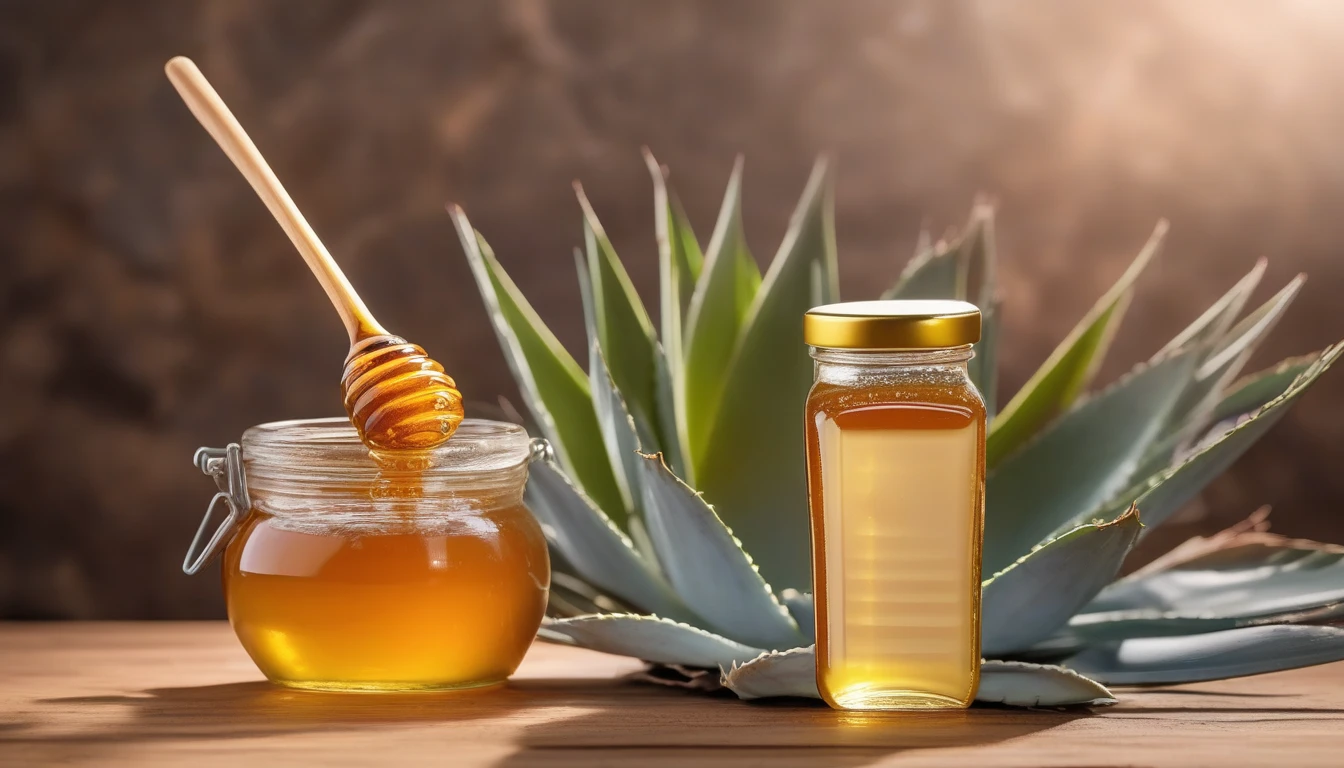
At a Glance
Honey
- 64 calories per tablespoon
- Glycemic index: 45-64 (varies by type)
- 38% fructose, 31% glucose (balanced)
- Minimally processed, rich in bioactive compounds
Agave Nectar
- 60 calories per tablespoon
- Glycemic index: 17-27 (low)
- 70-90% fructose (very high)
- Heavily processed, few bioactive compounds

How Do They Compare Nutritionally?
Honey and agave nectar are frequently presented as interchangeable natural sweeteners, but their nutritional profiles tell different stories. A tablespoon of honey contains approximately 64 calories, while agave nectar has about 60 calories per tablespoon — a negligible difference. The real distinction lies in composition. Agave nectar is 70-90% fructose with only 10-30% glucose, making it one of the highest-fructose sweeteners available. Honey, by comparison, contains roughly 38% fructose and 31% glucose, along with about 17% water, 7% maltose and other sugars, and small amounts of proteins, enzymes, and organic acids. Raw honey provides trace amounts of B vitamins, vitamin C, calcium, iron, zinc, potassium, phosphorus, and magnesium. It also contains over 200 bioactive substances including the enzymes glucose oxidase, diastase, and invertase, plus a diverse range of polyphenol antioxidants. Agave nectar is nutritionally sparse by comparison — while it starts as a nutrient-containing plant sap, the heavy processing required to convert it into syrup destroys most of the original vitamins and minerals. Some brands of agave contain trace amounts of calcium, potassium, and magnesium, but not in nutritionally significant quantities. The antioxidant content of agave is minimal compared to honey's well-documented flavonoid and phenolic acid profile.
Which Has a Lower Glycemic Index?
Agave nectar is heavily marketed for its low glycemic index (GI) of approximately 17-27, compared to honey's average GI of 45-64 depending on floral source. On paper, this makes agave look like the clear winner for blood sugar management. However, the story is more complicated than the GI number suggests. Agave's low GI is a direct result of its extremely high fructose content (70-90%). Fructose does not trigger the same insulin response as glucose because it is metabolized almost entirely by the liver rather than entering the bloodstream. While this results in a lower immediate blood sugar spike, excessive fructose consumption carries its own health risks. Research has linked high fructose intake to increased triglyceride levels, non-alcoholic fatty liver disease, insulin resistance over time, and increased visceral fat — particularly when consumed in large amounts. The American Journal of Clinical Nutrition has published multiple studies showing that high-fructose diets can worsen metabolic health markers even when total calorie intake is controlled. Honey's moderate GI of 45-64 reflects its more balanced sugar composition. Some honeys, like acacia (GI of 32), offer a low glycemic impact without the disproportionate fructose load. For people with diabetes, neither sweetener is ideal in large quantities, but honey's balanced sugar profile and additional bioactive compounds may make it the safer choice for moderate consumption. Always consult a healthcare provider for personalized dietary guidance.

How Do They Differ in Taste and Cooking?
Flavor is one area where personal preference plays the biggest role. Agave nectar has a mild, neutral sweetness that does not significantly alter the taste of foods and beverages. It comes in light, amber, and dark varieties — light agave is almost flavorless, while dark agave has subtle caramel notes. This neutrality makes agave popular in cocktails, smoothies, and recipes where you want sweetness without a distinct flavor. Honey offers an entirely different experience. Its flavor ranges from the delicate, almost vanilla-like taste of acacia to the bold, malty complexity of buckwheat. Each floral variety brings unique tasting notes that can complement or enhance a dish. This is an advantage when you want the sweetener to contribute flavor, but it can be a drawback when you need pure sweetness. For cooking and baking substitutions, agave and honey can generally be used interchangeably at a 1:1 ratio, though there are nuances. Agave is thinner and pours more easily, making it excellent for cold beverages, dressings, and sauces. Honey is thicker and adds more moisture and chewiness to baked goods. When substituting either for sugar, use about two-thirds to three-quarters cup per cup of sugar and reduce other liquids by 2-4 tablespoons. With honey, lower the oven by 25 degrees Fahrenheit since it browns faster. Agave does not require this temperature adjustment because its high fructose content caramelizes at a slightly higher temperature than honey.
Which Offers Greater Health Benefits?
This is where honey pulls decisively ahead. Raw honey has been used as medicine for thousands of years and has an extensive body of modern clinical research supporting its health benefits. It possesses documented antimicrobial and antibacterial properties, with medical-grade Manuka honey FDA-cleared as a wound dressing and used in hospital settings. Honey is recognized as a natural demulcent that can help soothe a cough, and multiple clinical trials have shown it performs comparably to or better than common over-the-counter cough medications in reducing cough symptoms. Honey's prebiotic oligosaccharides feed beneficial gut bacteria, supporting digestive health and immune function. Its antioxidants — including flavonoids, phenolic acids, and the enzyme glucose oxidase — help protect cells from oxidative damage. Studies have shown that regular honey consumption can reduce markers of systemic inflammation. Agave nectar, by contrast, has very few documented health benefits. The raw agave plant does contain saponins and fructans (including inulin) that have anti-inflammatory and prebiotic properties, but the extensive processing required to make agave nectar — which involves heating and enzymatic treatment to break down fructans into fructose — destroys most of these beneficial compounds. What remains is essentially a high-fructose syrup with minimal bioactive content. Some health researchers have compared processed agave nectar to high-fructose corn syrup, noting that agave's fructose concentration is actually higher than HFCS. While agave is often marketed as a health food, its nutritional and therapeutic profile does not support this claim.
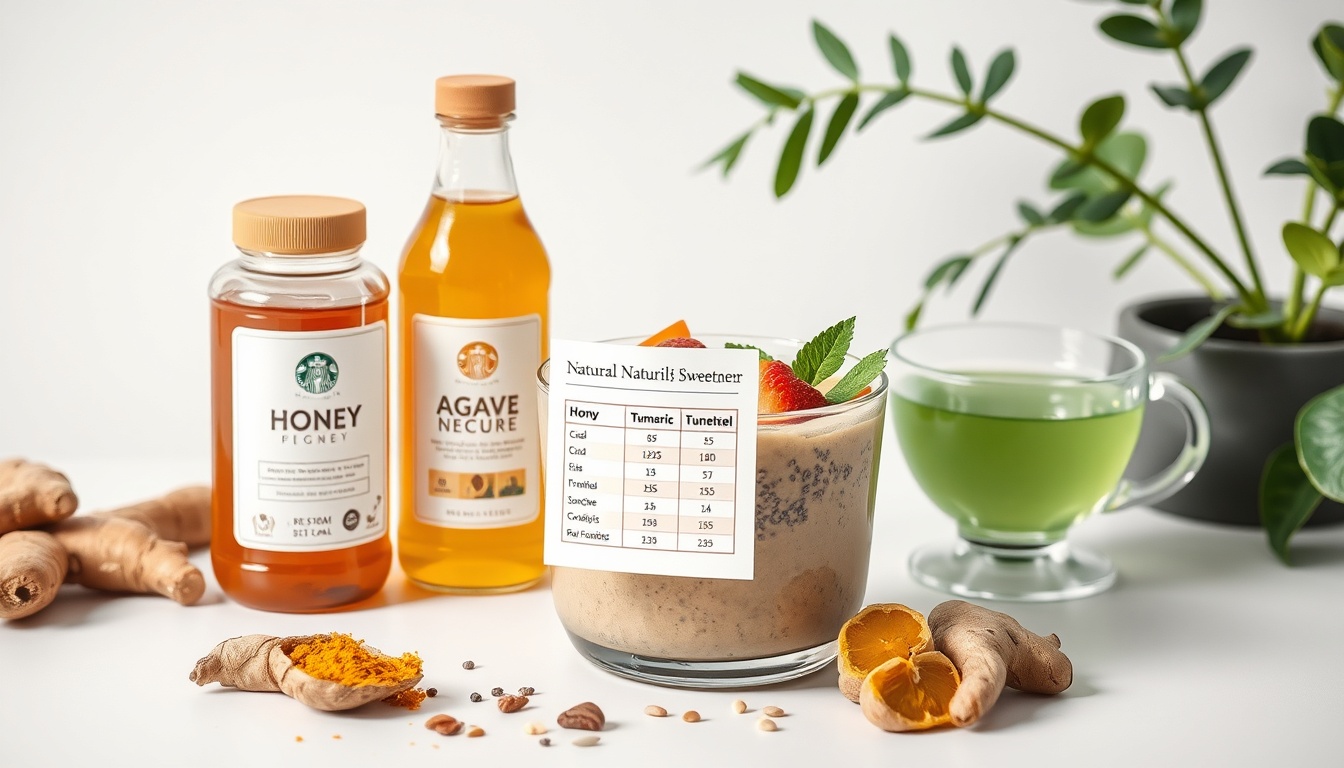
How Natural Is Each Sweetener?
The "natural" label applied to both sweeteners deserves scrutiny. Raw honey is one of the most minimally processed foods available. Bees produce it through a remarkable biological process — collecting nectar, adding enzymes, and evaporating water through fanning. Raw honey goes from hive to jar with minimal human intervention, typically just straining to remove wax particles. Even conventional honey undergoes only filtering and mild heating. Agave nectar tells a very different story. Despite its natural-sounding name, commercial agave nectar is a heavily processed product. The blue agave plant's sap (called aguamiel) must undergo significant industrial processing to become the syrup sold in stores. The starchy root bulb is harvested, and the sap is extracted and then subjected to thermal and enzymatic processing to convert its complex carbohydrates (primarily inulin, a fructan) into simple fructose. This process is similar to how corn starch is converted into high-fructose corn syrup. The final product bears little resemblance to the original plant sap in terms of nutritional composition. Traditional aguamiel — the unprocessed sap consumed in Mexico for centuries — does contain beneficial compounds, but it is a completely different product from commercial agave nectar. From a sustainability standpoint, beekeeping supports pollinator populations critical for global food production. Agave farming, while sustainable when managed responsibly, has faced criticism for monoculture practices that reduce biodiversity in some growing regions.
Which Should You Choose?
Based on the evidence, honey is the stronger choice for most people in most situations. It offers genuine nutritional benefits — enzymes, antioxidants, antimicrobial compounds, and prebiotic properties — that agave nectar simply cannot match. Honey's health benefits are supported by thousands of years of traditional use and a substantial body of modern clinical research. Agave nectar's main selling point — its low glycemic index — comes at the cost of an extremely high fructose concentration that may actually be detrimental to metabolic health when consumed regularly. Choose honey when you want a sweetener that provides actual health benefits beyond basic energy, when you enjoy flavor variety, when you need a cough or cold remedy, or when you value minimal processing. Raw honey from a trusted beekeeper is about as close to nature as a sweetener can get. Choose agave when you specifically need a neutral-flavored liquid sweetener (such as in cocktails or light smoothies), when you are vegan and do not consume honey, or when a recipe requires a thin, pourable sweetener. Dark agave can also work well in barbecue sauces and Mexican-inspired dishes. The bottom line: both should be consumed in moderation, but if you are going to use a natural sweetener, honey gives you significantly more nutritional and therapeutic value per tablespoon. The American Heart Association's daily added sugar limits of 25 grams for women and 36 grams for men apply to both sweeteners equally.
Frequently Asked Questions
Is agave nectar healthier than honey?
No. Despite its low glycemic index, agave nectar is a heavily processed sweetener with 70-90% fructose and minimal nutrients. Raw honey contains enzymes, antioxidants, and antimicrobial compounds with documented health benefits.
Why does agave have a lower glycemic index than honey?
Agave's low GI (17-27) is due to its extremely high fructose content (70-90%). Fructose is processed by the liver rather than entering the bloodstream directly, but excessive fructose consumption is linked to fatty liver disease and metabolic issues.
Can I substitute agave for honey in recipes?
Yes, substitute at a 1:1 ratio. Agave is thinner and has a more neutral flavor than honey. When using honey in place of agave, the result will be thicker and have more distinct floral flavor notes.
Is agave nectar really natural?
Commercial agave nectar is heavily processed. The agave plant sap undergoes thermal and enzymatic processing to convert complex carbohydrates into simple fructose, similar to how corn starch becomes high-fructose corn syrup.
Edited by Sam French · Raw Honey Guide Editorial Team
Source reviewed against primary literature and official guidance where available. Health content is educational, not medical advice, and does not replace a licensed clinician.
Get the Honey Buyer's Cheat Sheet (free PDF)
16 varieties on one page — color, flavor, best use and what a fair price looks like — from the 304 honeys we track.
Related Guides
Honey vs Sugar
Compare calories, nutrients, and GI.
Read GuideHoney Nutrition Facts
USDA reference values and label-reading context.
Read GuideHealth Benefits
Nutritional and therapeutic benefits of honey.
Read GuideRelated Articles
Honey vs Agave Nectar: Which Natural Sweetener Is Healthier?
Honey vs agave: compare nutrition, glycemic index, fructose content, health effects, and cooking uses. Which is better?
Read ArticleIs Honey Better Than Sugar? The Complete Health Comparison
Honey vs sugar: compare nutrition, glycemic impact, antioxidants, and clinical evidence. When honey wins — and when not.
Read ArticleBrowse honey varieties