Is Honey Vegan?
The relationship between honey and veganism is one of the most nuanced debates in plant-based living. We explore the arguments on all sides, the environmental factors, and the alternatives available so you can make an informed decision.
Last updated:
Most vegans do not consider honey vegan. The Vegan Society and PETA explicitly exclude it, arguing that bees produce honey for themselves and harvesting exploits their labor. Commercial practices like wing clipping and hive culling raise ethical concerns. However, some vegans consume honey from ethical beekeepers who harvest only surplus. Plant-based alternatives include agave nectar, maple syrup, and date syrup.
Is Honey Considered Vegan?
The question of whether honey is vegan is one of the most debated topics in the vegan community, and the short answer is that most vegans do not consider honey to be vegan. The Vegan Society, which coined the term "vegan" when it was founded in 1944 in England, explicitly excludes honey from a vegan diet. Their definition of veganism seeks to exclude "all forms of exploitation of, and cruelty to, animals for food, clothing or any other purpose" — and they consider beekeeping, even small-scale and ethical operations, to fall within this definition. The core reasoning is straightforward: bees produce honey for themselves, as their primary food source, and taking it constitutes exploitation of their labor and resources. However, the honey question is far from settled even within vegan circles. A small but vocal group of so-called "beegans" identify as vegan in every other respect but continue to consume honey. Their reasoning varies — some argue that supporting beekeepers helps protect declining bee populations, while others believe that small-scale, ethical beekeeping does not constitute exploitation. Many mainstream vegan organizations, including PETA and the Vegan Awareness Foundation, side with The Vegan Society in excluding honey, but surveys consistently show that honey is the animal product most commonly consumed by people who otherwise identify as vegan.
Key Points
- Most vegans do not consider honey to be vegan
- The Vegan Society (founded 1944) explicitly excludes honey from vegan diets
- Core reasoning: honey is produced by bees for bees, and taking it is a form of exploitation
- Some "beegans" disagree and consume honey while otherwise following a vegan lifestyle
- Honey is the most commonly debated animal product in vegan communities
- Major organizations like PETA also classify honey as non-vegan
Why Do Vegans Avoid Honey?
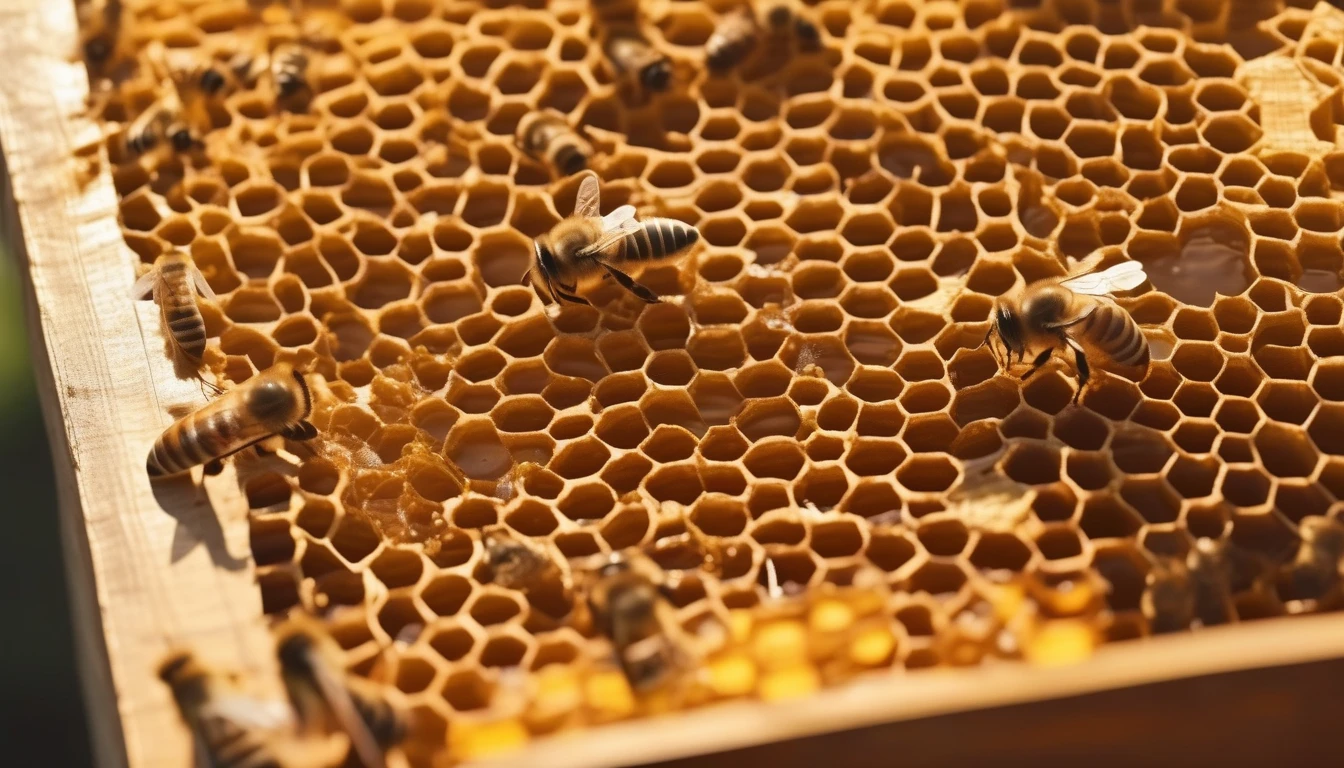
Those who argue that honey is not vegan point to several compelling reasons rooted in both ethics and biology. At the most fundamental level, bees produce honey as their essential food supply. A single honeybee colony may produce 60 to 100 pounds of honey in a good season, but they need approximately 60 pounds just to survive the winter. When beekeepers harvest honey, they typically replace it with a sugar syrup substitute — usually white sugar dissolved in water. While this keeps the bees alive, nutritional research shows that sugar syrup is significantly inferior to natural honey for bee health. Honey contains vitamins, minerals, enzymes, antioxidants, and fatty acids that are absent from sugar syrup, and colonies fed sugar substitutes show higher rates of disease and shorter bee lifespans. Commercial beekeeping practices raise additional ethical concerns. Queen bees are often subjected to wing clipping to prevent them from leaving the hive and establishing new colonies elsewhere, a practice that restricts their natural behavior. Many commercial operations use artificial insemination of queen bees, which involves killing male drones to harvest their genetic material. In large-scale operations, entire hives may be culled at the end of the season because it is cheaper to start new colonies in spring than to feed existing ones through winter. Bees are also routinely transported across the country in trucks for commercial pollination services, causing stress and increased mortality. Research has shown that honeybees are sentient beings capable of experiencing stress and exhibiting complex problem-solving behavior, adding weight to the ethical argument.
Key Points
- Bees produce honey as their primary food source — they need it to survive winter
- Colonies need approximately 60 lbs of honey to overwinter; harvesting depletes this
- Honey is replaced with sugar syrup, which is nutritionally inferior and linked to higher disease rates
- Commercial practices include queen wing clipping and artificial insemination
- Some operations cull entire hives in winter because it is cheaper than overwintering them
- Research shows bees are sentient beings capable of stress and complex problem-solving
Does Beekeeping Benefit the Environment?
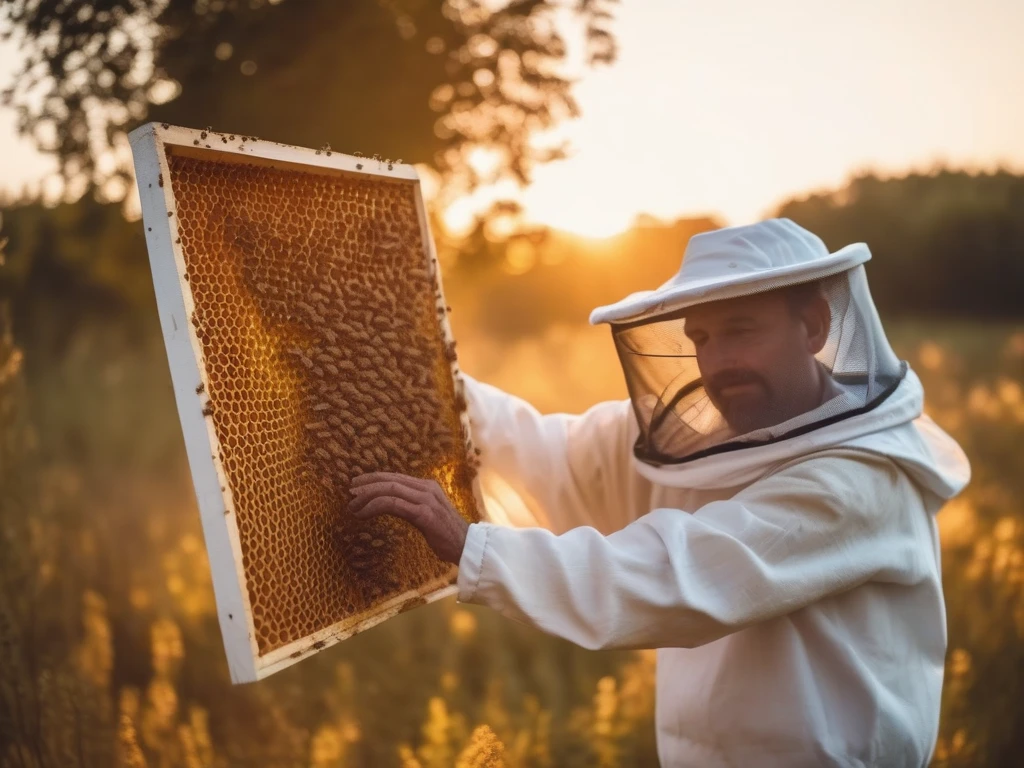
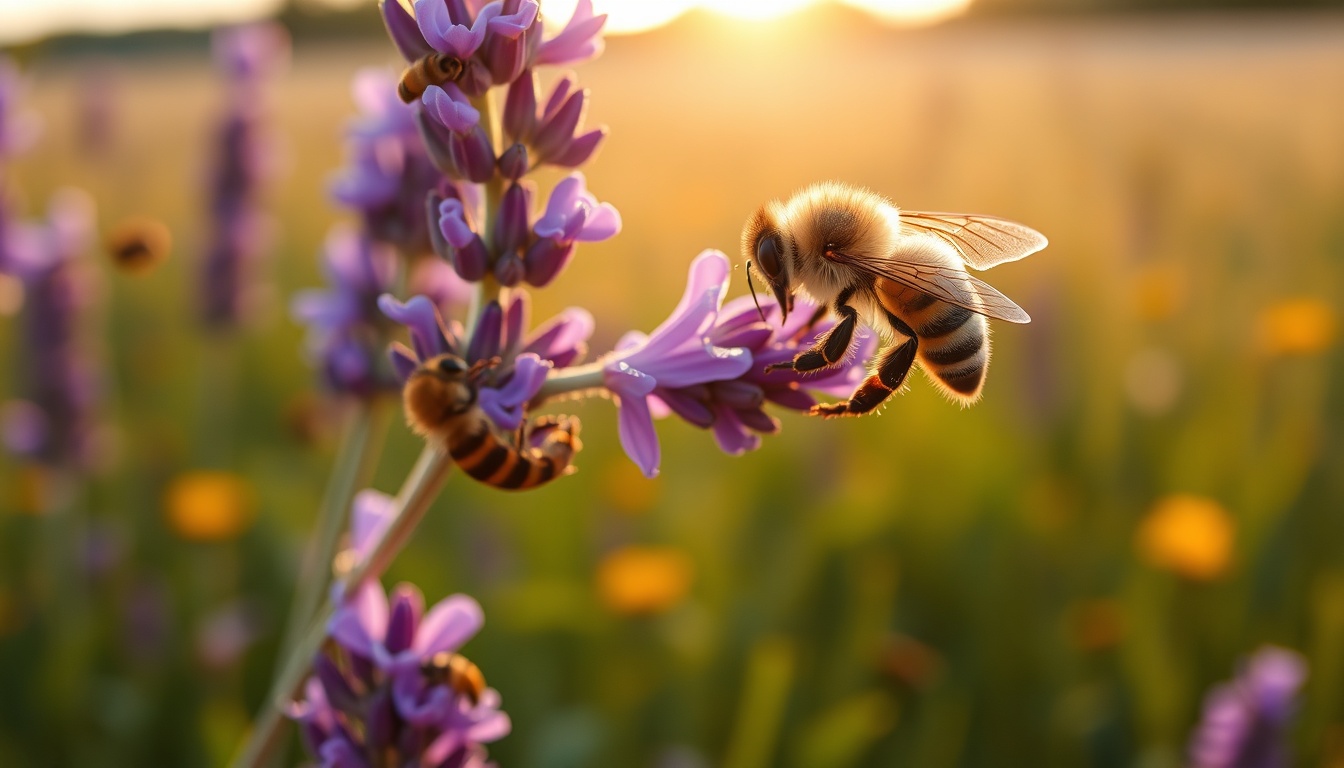
The environmental case for beekeeping adds significant nuance to the honey-and-veganism debate. Approximately 75% of the world's food crops depend at least partially on animal pollinators, with honeybees being the most important managed pollinator species globally. The economic value of honeybee pollination in the United States alone is estimated at $15 to $20 billion annually. In recent decades, wild pollinator populations have declined dramatically due to habitat loss, pesticide use, climate change, and disease. While managed honeybee colonies cannot fully replace the ecological role of wild pollinators, they help offset these declines and ensure food production continues. Small-scale, ethical beekeeping operations, in particular, often prioritize bee welfare over honey production. Ethical beekeepers harvest only surplus honey — the amount beyond what the colony needs to thrive — and never replace it with sugar syrup. They avoid practices like wing clipping and chemical treatments, instead relying on natural varroa mite management and allowing colonies to swarm naturally. These beekeepers often maintain bee-friendly habitats by planting wildflower meadows and avoiding pesticides on their land, creating environmental benefits that extend far beyond their hives. Supporting local beekeepers through honey purchases can directly fund bee conservation efforts and habitat protection. Some environmental vegans argue that the ecological benefits of responsible beekeeping — including pollination of wild plants, biodiversity support, and environmental monitoring — outweigh the ethical concerns about honey consumption, making it a net positive for the natural world.
Key Points
- About 75% of food crops depend on animal pollinators, with honeybees being the primary managed species
- Honeybee pollination contributes $15-20 billion annually to U.S. agriculture alone
- Wild pollinator populations have declined sharply due to habitat loss, pesticides, and disease
- Small-scale ethical beekeepers harvest only surplus honey and never use sugar syrup substitutes
- Supporting local beekeepers can fund bee conservation and habitat protection
- Some argue responsible beekeeping is a net environmental positive due to pollination benefits
What Are the Best Vegan Honey Alternatives?
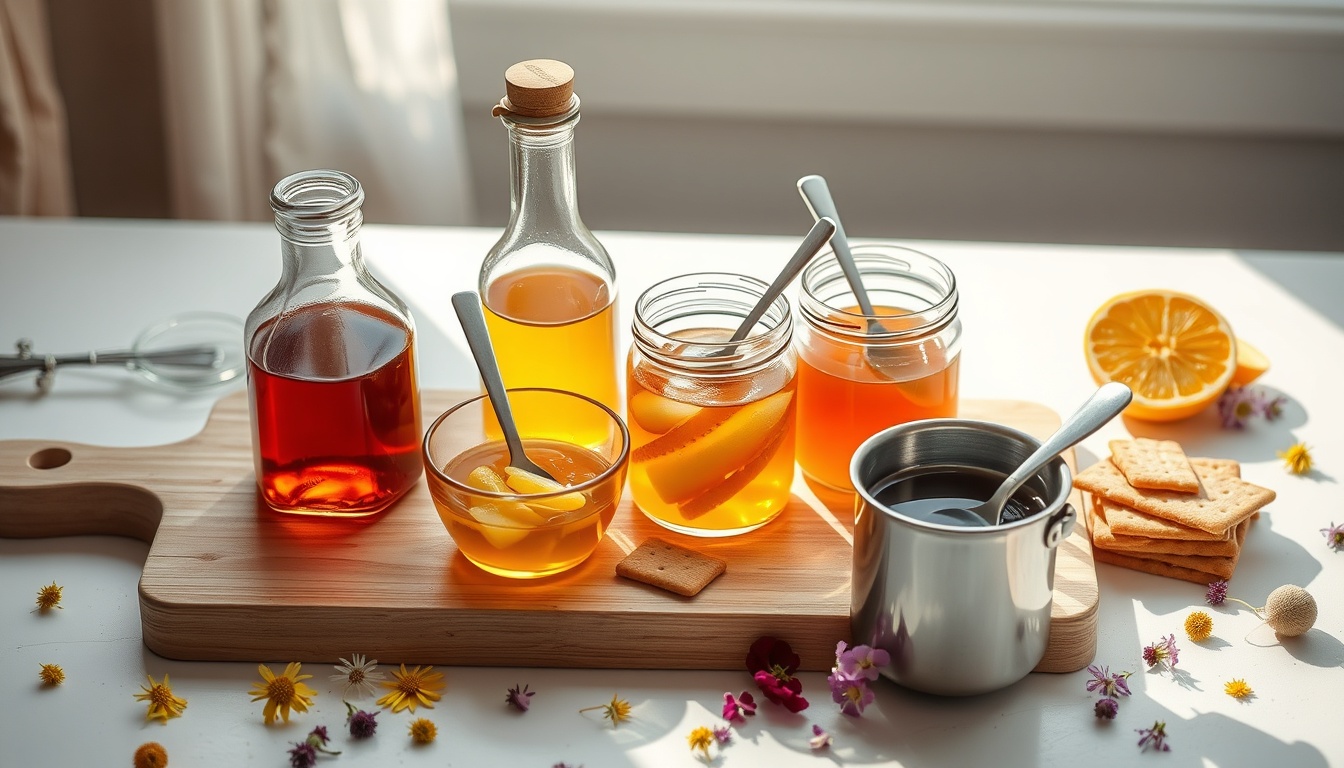
For those who choose to avoid honey, there is a growing range of plant-based alternatives that can replicate many of honey's culinary properties. Agave nectar, derived from the agave plant native to Mexico, is one of the most popular substitutes. It has a similar liquid consistency and sweetness level to honey, though with a more neutral flavor profile. It dissolves easily in both hot and cold beverages and works well in baking, though it has a higher fructose content than honey. Maple syrup offers a rich, complex flavor and works excellently in baking, cooking, and as a topping. It contains notable amounts of manganese and zinc, making it one of the more nutritious sweetener options. Date syrup, made from concentrated date fruit, provides a dark, caramel-like sweetness and is particularly popular in Middle Eastern cuisine. It contains fiber, potassium, and magnesium. Rice malt syrup is a mild, butterscotch-flavored option that works well in baking and granola bars. It is fructose-free, making it suitable for those avoiding fructose. Coconut nectar, tapped from coconut palm blossoms, has a low glycemic index and a mild caramel flavor. Perhaps most intriguing are the new "bee-free honey" products that have emerged in recent years, made from ingredients like apples, lemon juice, and sugar that are processed to mimic the flavor, color, and consistency of real honey. Brands like MeliBio are even using precision fermentation to create molecularly identical honey without involving bees at all.
Key Points
- Agave nectar: similar consistency and sweetness, dissolves easily in hot and cold drinks
- Maple syrup: rich flavor with manganese and zinc, excellent for baking and cooking
- Date syrup: dark, caramel-like sweetness with fiber, potassium, and magnesium
- Rice malt syrup: mild butterscotch flavor, fructose-free, great for baking
- Coconut nectar: low glycemic index, mild caramel flavor from palm blossoms
- "Bee-free honey" products made from apples, flowers, or precision fermentation
How Should You Decide About Honey?
Ultimately, the decision about whether to include honey in a plant-based diet is a personal one that depends on your individual values, priorities, and interpretation of veganism. Veganism exists on a spectrum, and reasonable people within the community hold different views on honey. If you do choose to consume honey, considering the source can make a meaningful ethical difference. Honey from a local, small-scale beekeeper who practices sustainable and bee-centered management is vastly different from mass-produced commercial honey, both in terms of animal welfare and environmental impact. Building a relationship with a local beekeeper allows you to ask about their practices: Do they harvest only surplus honey? Do they avoid wing clipping? How do they manage diseases? Do they use chemical treatments? If you are purchasing honey from a store, look for certifications such as "Certified Naturally Grown" or verify that the label specifies the apiary and origin. If you choose to avoid honey entirely, rest assured that the plant-based alternatives listed above can fill virtually every culinary role that honey plays. Whatever your choice, approaching the topic with nuance and respect for others' decisions is important. The honey debate reminds us that ethical consumption involves complex trade-offs, and engaging with these questions thoughtfully is more productive than drawing rigid lines. Whether you are vegan, beegan, or simply trying to make more conscious food choices, educating yourself about where your food comes from is always a step in the right direction.
Key Points
- Veganism is a spectrum — some vegans include honey, others strictly avoid it
- Consider the source: local ethical beekeepers vs industrial commercial operations
- Environmental impact matters: supporting pollinators can benefit ecosystems broadly
- Look for certifications like "Certified Naturally Grown" if buying honey at stores
- Plant-based alternatives can fill virtually every culinary role honey plays
- Respect others' choices — this is one of veganism's most genuinely debated topics
Frequently Asked Questions
Is honey vegan?
Most vegans do not consider honey vegan because it is produced by bees, and harvesting it may harm bee colonies. The Vegan Society explicitly excludes honey from vegan diets, considering it a form of exploitation of bees.
What are vegan alternatives to honey?
Popular alternatives include agave nectar, maple syrup, date syrup, rice malt syrup, coconut nectar, and new bee-free honey products made through precision fermentation.
Why does beekeeping concern vegans?
Bees produce honey as their primary food source and need approximately 60 lbs to survive winter. Harvesting depletes this supply and is replaced with nutritionally inferior sugar syrup. Commercial practices like queen wing clipping, artificial insemination, and hive culling raise additional ethical concerns.
Can vegans consume honey from ethical beekeepers?
Some self-described "beegans" choose honey from small-scale ethical beekeepers who harvest only surplus honey. However, most mainstream vegan organizations including The Vegan Society and PETA classify all honey as non-vegan, regardless of beekeeping practices.
Edited by Sam French · Raw Honey Guide Editorial Team
Source reviewed against primary literature and official guidance where available. Health content is educational, not medical advice, and does not replace a licensed clinician.
Get the Honey Buyer's Cheat Sheet (free PDF)
16 varieties on one page — color, flavor, best use and what a fair price looks like — from the 304 honeys we track.
Related Guides
Beekeeping Basics
Start your beekeeping journey.
Read GuideHow Bees Make Honey
The journey from flower to jar.
Read GuideHoney vs Sugar
Compare calories, nutrients, and GI.
Read GuideRelated Articles
Is Honey Vegan? The Complete Ethical Breakdown
Is honey vegan? Why most vegans avoid it, ethical arguments on both sides, bee welfare, and plant-based alternatives.
Read ArticleHow Bees Make Honey: The Complete Process from Flower to Jar
The complete process of how bees make honey — from flower to jar. Foraging, enzymatic processing, evaporation, capping, and how beekeepers harvest.
Read ArticleBee-Friendly Gardening: 15 Best Plants to Support Honey Bees
15 best plants for a bee-friendly garden, organized by bloom season. Nectar-rich flowers, planting tips, and design ideas.
Read ArticleCurious about different honey varieties and their origins?
Explore Honey Varieties and Their Origins