Best Honey for Allergies
Can local honey help with seasonal allergies? Learn which honey varieties may provide allergy relief and the science behind honey and allergy management.
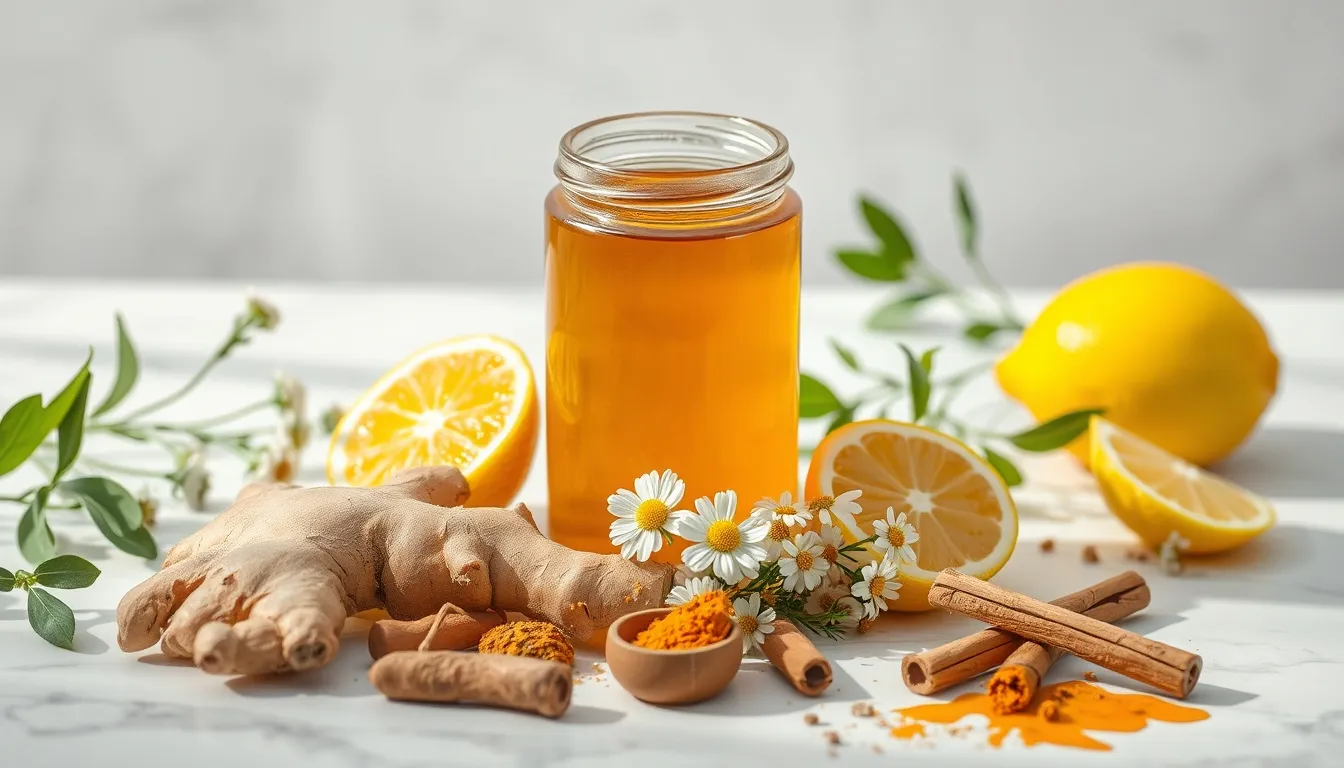
Quick Answer
Local raw wildflower honey is the top pick for seasonal allergy support — it contains diverse pollen from your area that may help desensitize your immune system over time, similar to low-dose immunotherapy. A 2011 Finnish study found birch-pollen honey reduced allergy symptoms 60% versus regular honey. Buckwheat honey complements it by reducing allergy-related inflammation, and manuka honey provides additional immune support through its gut-microbiome effects. The non-negotiables: raw, unfiltered, and locally sourced for picks 1–3.
What to Look For
The most important factor is locality—honey from within 25 to 50 miles of your home is most likely to contain the specific pollens causing your allergies. Look for raw and unfiltered on the label, as pasteurization and filtering remove the pollen that may provide benefits. Wildflower or multi-floral honey offers the broadest pollen diversity. Buy from local beekeepers at farmers markets who can tell you exactly where their hives are located.
Relevant Honey Varieties
Contains diverse pollen from multiple local plant species, providing the broadest exposure to your area allergens. The theory is that regular small-dose pollen exposure through honey may help your immune system build tolerance, similar to allergy immunotherapy.
View honey varietyIf local wildflower is unavailable, local clover honey is a good alternative. Clover is one of the most common flowering plants, and clover honey from your area will contain some local pollen alongside the clover nectar.
View honey varietyRaw Unfiltered Honey (any local variety)
The cloudier and less filtered the honey, the more pollen particles it contains. Bee pollen and propolis that remain in unfiltered honey may provide additional immune-modulating benefits beyond the honey itself.
While not specifically for allergy desensitization, buckwheat honey's high antioxidant and anti-inflammatory content may help reduce the overall inflammatory response that drives allergy symptoms. Its 3–9x higher polyphenol content versus clover honey helps neutralize histamine-triggered oxidative stress. Also excellent for the cough and throat irritation that often accompanies allergies.
View honey varietyA complementary immune-support pick that works through a different mechanism than local honey. Manuka's prebiotic oligosaccharides selectively feed Bifidobacterium and Lactobacillus, which help modulate Th2-dominant immune responses associated with allergic inflammation. While manuka cannot desensitize you to local pollen (it's from New Zealand, not your region), its gut-microbiome effects may reduce the systemic inflammatory load that amplifies allergy symptoms. Use alongside local honey, not as a substitute.
View honey varietyGet the Honey Buyer's Cheat Sheet (free PDF)
16 varieties on one page — color, flavor, best use and what a fair price looks like — from the 304 honeys we track.
How to Use
Start taking local raw honey daily at least two to three months before your allergy season begins. Take it straight or mixed into room-temperature water, smoothies, or food (avoid hot liquids that destroy pollen proteins). Consistency is key—daily consumption over months is important for any potential desensitization effect. Continue throughout your allergy season. Some people notice improvement in the first season; others report better results in the second year of regular use.
What to Avoid
Do not rely on honey as your sole allergy treatment if you have severe allergies—consult an allergist. Avoid pasteurized or ultra-filtered honey for allergy purposes, as processing removes the pollen that may provide benefits. Do not use honey from distant regions—the pollen profile will not match your local allergens. Never give honey to children under one year old. Do not expect overnight results; the proposed mechanism involves gradual immune system modulation over weeks to months.
Frequently Asked Questions
Does the science support honey for allergies?
How local does the honey need to be?
Can honey make allergies worse?
What if I cannot find local honey?
How long before allergy season should I start taking local honey?
Can children take local honey for seasonal allergies?
Related Honey Comparisons
Edited by Sam French · Raw Honey Guide Editorial Team
Sam French is the founding editor of Raw Honey Guide. This is an editorial guide, not a medical review.
Last updated: