Best Honey for Coughs & Colds
Find the most effective honey for soothing coughs and cold symptoms. Research-backed varieties, usage guidelines, and preparation methods for natural cough relief.
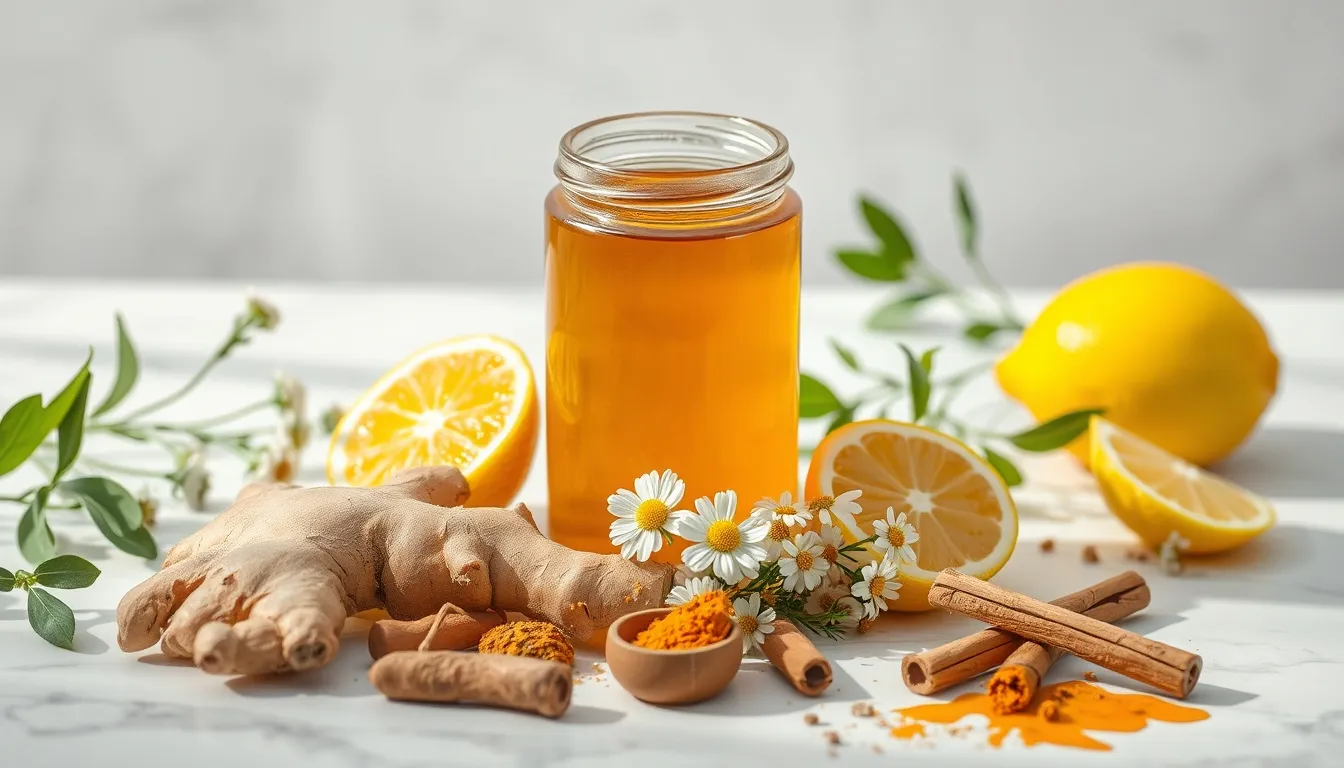
Quick Answer
Buckwheat honey is the most clinically studied honey for cough suppression — a 2007 Penn State RCT (Paul et al., Archives of Pediatrics) found parents rated it at least as favorably as dextromethorphan (DM) for children's nighttime cough. Manuka honey (UMF 10+) is antibacterial in lab studies, but honey does not treat an infected throat. Linden honey provides menthol-like cooling — the traditional European cold-season choice. Thyme honey contains thymol and carvacrol with direct antimicrobial and bronchodilatory properties. Eucalyptus honey opens airways with aromatic trace compounds. Many people take honey before bed for nighttime cough relief; talk to your pediatrician about an amount appropriate for a child.
What to Look For
Dark honeys are more effective for cough relief than light honeys. Research shows dark varieties like buckwheat have higher antioxidant levels and greater demulcent (coating) properties that soothe irritated throat tissue. Choose raw, unprocessed honey to preserve the beneficial enzymes and hydrogen peroxide activity. Thick-bodied honeys coat the throat longer than thin, runny ones, providing more sustained relief.
Relevant Honey Varieties
The most researched honey for cough relief. A 2007 Penn State study published in Archives of Pediatrics and Adolescent Medicine found buckwheat honey was more effective than dextromethorphan (DM) cough suppressant for reducing cough frequency and severity in children ages 2 to 18. Its dark color correlates with high antioxidant content, and its thick consistency coats and soothes irritated throat tissue.
View honey varietyCombines cough-soothing demulcent properties with potent antibacterial activity from its unique MGO compound. Effective against Streptococcus bacteria that cause sore throats. The thick texture and slightly medicinal flavor make it feel like taking real medicine—because it is.
View honey varietyThe traditional European cold-season honey. Its unique cooling, mentholated character provides a soothing sensation similar to menthol cough drops. Used for centuries in Germany, Poland, and Russia as a go-to remedy for coughs, colds, and sore throats, especially dissolved in hot tea.
View honey varietyCarries trace aromatic compounds from eucalyptus nectar that provide a subtle cooling sensation and may help open airways. Its antibacterial properties are well-documented, and the menthol-like character makes it a natural fit for respiratory relief. Popular in Australia and Mediterranean countries for cold-season use.
View honey varietyContains thymol and carvacrol — phenolic compounds shown in vitro to inhibit Streptococcus pyogenes and Staphylococcus aureus common in respiratory infections, with bronchodilatory effects on airway smooth muscle. Used for centuries in European herbalism; thyme extract features in German-approved OTC cough formulations (Bronchipret, Thymipin). A 2006 clinical trial (Kemmerich et al., Arzneimittelforschung) found thyme-ivy extract superior to placebo for acute bronchitis. Greek mountain thyme has the highest thymol content of any European thyme honey.
View honey varietyGet the Honey Buyer's Cheat Sheet (free PDF)
16 varieties on one page — color, flavor, best use and what a fair price looks like — from the 304 honeys we track.
How to Use
Many people take dark honey directly by mouth, or stir it into warm (not hot) tea with fresh lemon juice and a pinch of grated ginger as a soothing cold remedy, or let manuka or buckwheat honey dissolve slowly on the tongue for a sore throat. Talk to your pediatrician about an amount appropriate for a child.
What to Avoid
Never give honey to children under 12 months—there is a risk of infant botulism. Do not add honey to boiling liquids, as extreme heat destroys the beneficial enzymes and some active compounds. Do not use honey as a substitute for medical evaluation of persistent cough lasting more than two weeks, cough with blood, or cough with difficulty breathing. Avoid cheap, ultra-filtered honey for cold relief—the processing removes pollen and degrades enzymatic activity. Do not rely solely on honey for bacterial infections like strep throat that require antibiotic treatment.
Frequently Asked Questions
What is the best honey for coughs and colds?
How does honey compare with cough medicine for children?
How much honey should I take for a cough?
Can I give honey to my child for a cough?
What is the best honey for a nighttime cough?
Is honey effective for bronchitis or a chest cough?
Related Honey Comparisons
Edited by Sam French · Raw Honey Guide Editorial Team
Sam French is the founding editor of Raw Honey Guide. This is an editorial guide, not a medical review.
Last updated: